
Embarking on a new life chapter, whether by choice or circumstance, is a deeply personal journey. For some, this journey involves navigating the complexities of divorce, a significant lifestyle transition that reshapes personal, financial, and familial landscapes. If you find yourself contemplating this path in the Grand Canyon State, understanding “How Do You File For Divorce In Arizona?” is a crucial first step toward building your future lifestyle. This guide offers an insightful, professional overview of the process, designed to empower you with knowledge as you chart a new course.
Divorce, legally termed “dissolution of marriage” in Arizona, is a no-fault state, meaning neither party needs to prove wrongdoing. The focus is simply on the marriage being “irretrievably broken.” While the legal framework provides structure, the emotional and lifestyle implications demand careful consideration and strategic planning for your life ahead.
Understanding the Arizona Residency Requirements: Laying the Groundwork for a New Lifestyle
Before you can initiate the process of dissolving your marriage in Arizona, certain jurisdictional prerequisites must be met. These requirements ensure that Arizona has the legal authority to preside over your case, establishing the foundation for your new chapter within the state.
Establishing Your Presence: Residency and Domicile
To file for divorce in Arizona, at least one of the parties must have been a resident of Arizona or stationed in Arizona while a member of the armed forces for at least 90 days immediately preceding the filing of the petition. This 90-day period is a fundamental aspect of establishing your legal presence and intent to reside, critical for the courts to assert jurisdiction.
For those with children, the residency requirements extend to child custody matters. If you wish for Arizona courts to make orders regarding child custody (legal decision-making and parenting time), the children must typically have resided in Arizona for at least six consecutive months immediately prior to the filing of the petition. This timeframe ensures the children have a settled primary home in the state, allowing the court to make decisions in their best interests based on local circumstances. Understanding these residency rules is not just a legal formality; it’s about defining where your new lifestyle, post-divorce, will begin to take shape.
The Waiting Period: Time for Reflection and Planning
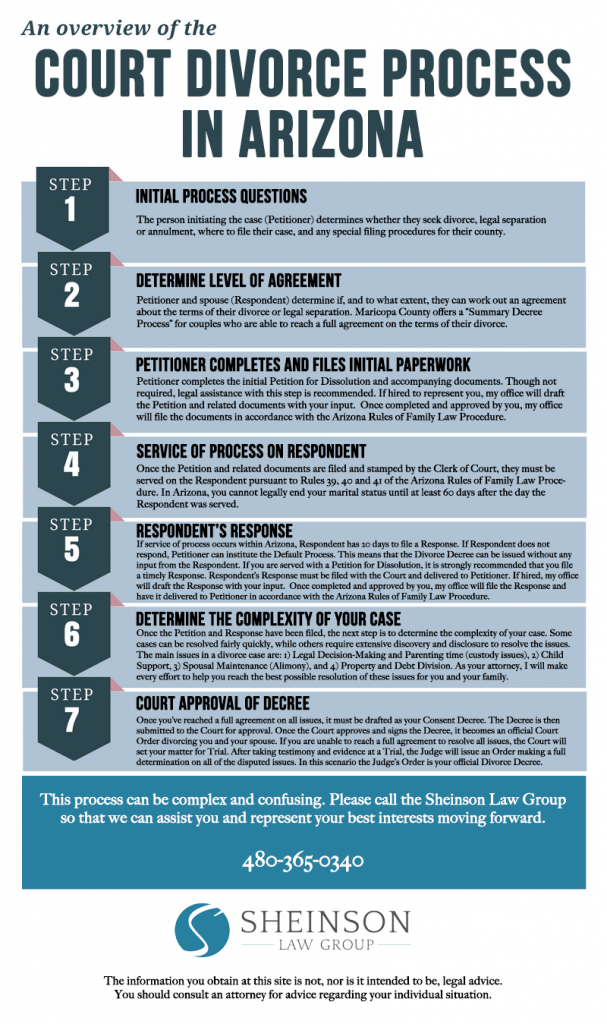
Even after the initial petition for dissolution is filed, Arizona mandates a 60-day waiting period before the divorce can be finalized. This period begins on the date the respondent is served with the petition. This isn’t merely a bureaucratic delay; it’s an intentional window for reflection, negotiation, and adjustment. It provides both parties an opportunity to reconsider their decision, or, more commonly, to work towards amicable agreements on crucial matters such as property division, spousal maintenance, and parenting plans. For many, this time is invaluable for planning the practicalities of a new, independent lifestyle, from housing to financial reorganization.
Navigating the Legal Landscape: Steps to a New Chapter
Once residency requirements are met, the procedural journey begins. Navigating these steps effectively is key to ensuring a smooth transition and setting the stage for a stable post-divorce lifestyle.
Initiating the Petition: Your First Step Towards a Lifestyle Change
The formal process commences when one spouse, referred to as the petitioner, files a “Petition for Dissolution of Marriage” with the Arizona Superior Court in the county where either spouse resides. This document formally requests the court to dissolve the marriage and addresses key issues, including:
- Property and Debt Division: How marital assets (like homes, bank accounts, retirement funds) and debts (mortgages, credit card balances) will be divided. Arizona is a community property state, meaning assets and debts acquired during the marriage are generally presumed to be owned equally by both spouses and are subject to an equitable division.
- Legal Decision-Making and Parenting Time: If there are minor children, the petition outlines proposed arrangements for who makes decisions about the children’s health, education, and welfare, and how parenting time will be shared.
- Child Support: A request for financial support for the children, calculated based on Arizona’s child support guidelines.
- Spousal Maintenance (Alimony): A request for financial support for one spouse from the other, if applicable, to help maintain a lifestyle or become self-sufficient.
Filing this petition is a declaration of your intent to move forward, initiating the legal framework that will help define your future lifestyle independent of your spouse.
Service of Process: Informing Your Partner
After filing the petition, the next crucial step is “service of process.” This involves legally notifying your spouse, the respondent, that a divorce action has been filed. Service ensures due process, giving the respondent formal notice and an opportunity to respond. Common methods of service include:
- Personal Service: A sheriff, process server, or authorized individual personally delivers the documents to the respondent.
- Acceptance of Service: The respondent voluntarily signs a document acknowledging receipt of the petition, often done when the divorce is amicable.
- Service by Certified Mail: In some cases, with court permission, documents can be sent via certified mail with a return receipt.
Proper service is vital to the legal validity of the divorce. Failure to serve correctly can delay proceedings and impact your ability to progress towards your new lifestyle.
Responding to the Petition: Collaborative or Contested Paths
Upon being served, the respondent has a limited time frame (typically 20 days if served within Arizona, or 30 days if served outside Arizona or the United States) to file a formal response with the court. The respondent’s response can either agree with the petitioner’s requests or present their own counter-proposals regarding the division of assets, custody, and support.
At this stage, the path of the divorce often becomes clearer:
- Uncontested Divorce: If both parties agree on all terms, they can submit a Marital Settlement Agreement (MSA) to the court. This collaborative approach can significantly streamline the process, reduce legal costs, and allow both parties to move more quickly into their respective new lifestyles.
- Contested Divorce: If there are disagreements, the divorce becomes contested. This often involves discovery (exchanging financial documents, interrogatories), mediation, and potentially court hearings or a trial. While more protracted, a contested divorce ensures that all issues are thoroughly vetted and resolved by the court if the parties cannot reach an agreement themselves.

The choice between an uncontested and contested path profoundly impacts the timeline, cost, and emotional toll of the divorce, and thus, the start of your new lifestyle.
Key Lifestyle Considerations During Divorce Proceedings
Beyond the legal filing, divorce necessitates critical decisions that directly shape your future lifestyle. Arizona courts aim for fair and equitable outcomes, particularly concerning financial well-being and the welfare of any children.
Division of Assets and Debts: Securing Your Future Lifestyle
Arizona’s community property laws dictate that all assets and debts acquired by either spouse from the date of marriage until the petition for dissolution is served are generally considered community property and are subject to equal division. This includes real estate, bank accounts, retirement funds, investments, businesses, credit card debt, and mortgages.
Careful consideration of asset and debt division is paramount to securing your financial stability and defining your future lifestyle. This process often involves:
- Valuation: Determining the fair market value of all community property.
- Tracing: Identifying separate property (owned before marriage or acquired by gift/inheritance) versus community property.
- Negotiation: Reaching agreements on how assets and debts will be distributed. This could involve selling the marital home, one spouse buying out the other’s interest, or offsetting values.
An insightful approach here ensures that you emerge from the divorce with the financial foundation needed for your new chapter.
Child Custody and Support: Prioritizing Family Wellness and Future Planning
For parents, decisions regarding children are often the most sensitive and impactful. Arizona courts prioritize the “best interests of the child” when determining legal decision-making (who makes major decisions for the child) and parenting time (where and when children spend time with each parent). Common arrangements include:
- Joint Legal Decision-Making: Parents share the responsibility for major decisions.
- Sole Legal Decision-Making: One parent has the authority to make major decisions.
- Equal or Varied Parenting Time Schedules: Reflecting the children’s needs and parents’ capacities.
Child support is calculated using Arizona Child Support Guidelines, considering factors such as parental income, the number of children, and parenting time. These decisions directly influence the children’s stability and the parents’ ability to build their respective new lifestyles while co-parenting effectively.
Spousal Maintenance: Supporting Post-Divorce Lifestyles
Spousal maintenance, often called alimony, is not automatically awarded in Arizona. It may be granted when one spouse lacks sufficient property to provide for their reasonable needs, is unable to be self-sufficient through employment, contributed to the other spouse’s education or career, or had a long-term marriage and is of an age that prevents them from securing appropriate employment.
The purpose of spousal maintenance is generally to allow the receiving spouse to achieve financial independence. Its duration and amount are determined by various factors, including the length of the marriage, the earning capacities of both spouses, and their contributions to the marriage. Thoughtful consideration of spousal maintenance is a critical component of ensuring a sustainable lifestyle for both parties post-divorce.
Beyond the Paperwork: Embracing Your Post-Divorce Lifestyle
While the legal process can be daunting, successfully navigating it is a significant step towards embracing a new, empowered lifestyle.
Finalizing Your Divorce: The Decree and New Beginnings
Once all issues are resolved—either through mutual agreement documented in a Marital Settlement Agreement or by a judge’s order after a trial—the court issues a “Decree of Dissolution of Marriage.” This document legally terminates the marriage and outlines all final orders regarding property division, custody, support, and any other relevant matters.
The decree is more than just a piece of paper; it’s a legal cornerstone marking the official end of one chapter and the definitive start of another. With the decree in hand, you are legally free to embark on your new lifestyle.

Planning Your Next Chapter: Lifestyle Adjustments and Opportunities
Divorce is not merely an ending; it is a profound opportunity for new beginnings. Filing for divorce in Arizona is a procedural necessity, but the true journey lies in the lifestyle adjustments and opportunities that follow. This could involve:
- Financial Reorganization: Creating a new budget, managing separate assets, and planning for individual financial goals.
- Personal Growth: Investing in hobbies, education, or career advancement to align with your personal aspirations.
- New Living Arrangements: Finding a new home that reflects your changed circumstances and desires.
- Travel and Exploration: For many, a new chapter often includes a renewed sense of freedom to explore new destinations or experiences that were previously out of reach or not prioritized. Whether it’s a tranquil retreat in Sedona or an adventurous tour of Grand Canyon National Park, Arizona itself offers numerous avenues for personal rediscovery and new memories.
The process of filing for divorce in Arizona is a detailed legal procedure, but fundamentally, it’s about transitioning to a redesigned life. By understanding the steps and implications, you can approach this significant lifestyle change with confidence, laying the groundwork for a future that is truly your own. Seeking guidance from an Arizona family law attorney is highly recommended to ensure your rights are protected and your journey is navigated effectively.
LifeOutOfTheBox is a participant in the Amazon Services LLC Associates Program, an affiliate advertising program designed to provide a means for sites to earn advertising fees by advertising and linking to Amazon.com. Amazon, the Amazon logo, AmazonSupply, and the AmazonSupply logo are trademarks of Amazon.com, Inc. or its affiliates. As an Amazon Associate we earn affiliate commissions from qualifying purchases.