
Embarking on a journey to Havasu Falls, Arizona, is an adventure that transcends typical travel; it’s a pilgrimage to one of nature’s most breathtaking and secluded masterpieces. Nestled deep within the Grand Canyon on the Havasupai Reservation, this series of vibrant turquoise waterfalls is a bucket-list destination for hikers and nature enthusiasts worldwide. However, reaching this desert oasis requires meticulous planning, a coveted permit, and a significant physical effort. This comprehensive guide will navigate you through every step, ensuring you’re well-prepared for an unforgettable experience.
The Allure of Havasu Falls: A Desert Oasis
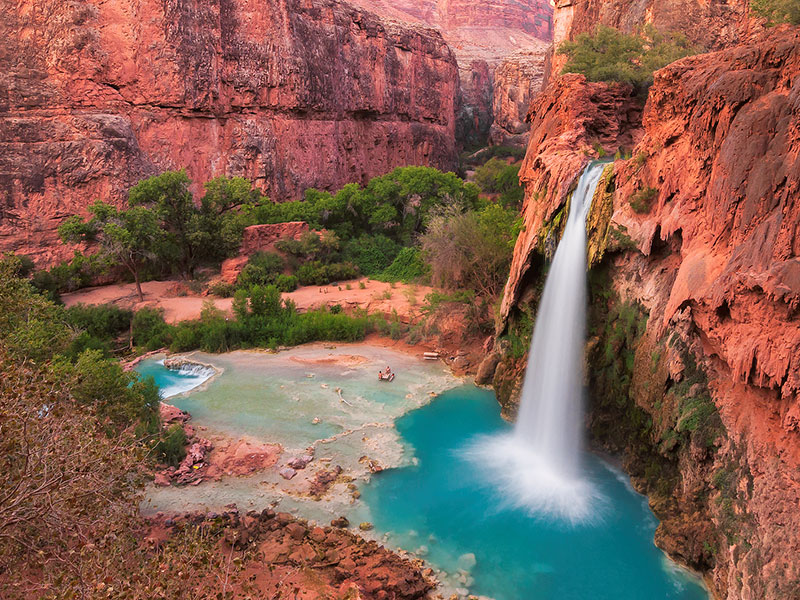
Havasu Falls is renowned for its striking blue-green waters, contrasting sharply with the red rocks of the canyon and cascading into pristine pools. It’s a place of profound natural beauty and spiritual significance, making the challenging journey all the more rewarding. Understanding what makes this destination so unique is the first step in appreciating the adventure that awaits.
Why Havasu Falls Captivates Travelers
The captivating allure of Havasu Falls stems from its vibrant, mineral-rich waters, which maintain an inviting temperature year-round. Unlike typical desert landscapes, the Havasupai Reservation is a lush riparian zone fed by Havasu Creek, creating a series of spectacular waterfalls including Fifty Foot Falls, Navajo Falls, the iconic Havasu Falls itself, Mooney Falls, and Beaver Falls. Each offers unique swimming opportunities and photographic vistas. The remote location, coupled with the rigorous permit process, ensures that the area remains preserved and relatively untouched by mass tourism, offering a truly immersive wilderness experience. It’s not just a sight to behold; it’s an environment to deeply connect with, a reward for those willing to earn it.
Understanding the Havasupai Reservation
Access to Havasu Falls is strictly controlled by the Havasupai Tribe, whose ancestral lands encompass this pristine environment. The Havasupai Reservation is sovereign territory, meaning visitors must adhere to the tribe’s rules and regulations, which are designed to protect their land, culture, and privacy. All visitors must possess a valid permit to enter, stay, and hike within the reservation. This stewardship has been crucial in preserving the natural integrity of the falls and the surrounding canyon. Respect for the Havasupai Tribe’s customs and the “Leave No Trace” principles are paramount for anyone venturing into this sacred land.
Securing Your Permit: The Golden Ticket
The single most challenging aspect of visiting Havasu Falls is securing a permit. Due to its immense popularity and the tribe’s commitment to sustainable tourism, permits are incredibly scarce and highly sought after. Planning well in advance is not just recommended, it’s absolutely essential.
The Havasupai Permit System Explained
The Havasupai Tribe operates an online permit reservation system, typically opening for the entire following year on February 1st at 8:00 AM Arizona time. Thousands of hopeful travelers attempt to book simultaneously, often selling out all available dates within minutes or hours. To increase your chances, create an account on the official Havasupai Reservation website well before February 1st, and be ready to log in and select your desired dates precisely when reservations open. Flexibility with your travel dates significantly improves your odds. Permits are typically sold as 3-night/4-day packages for the campground, and there’s a separate booking process for the Havasupai Lodge in Supai Village, which is even harder to obtain.
Essential Permit Information and Rules
Once a permit is secured, it is non-refundable and generally non-transferable. This strict policy underscores the importance of being absolutely certain of your travel plans. Each permit covers entry fees, environmental fees, and a fixed number of nights at the campground. The reservation includes details for all members of your party. It’s crucial to bring a printed copy of your permit and a valid photo ID for each member of your group, as these will be checked at Hualapai Hilltop and again upon arrival in Supai Village. Familiarize yourself with all tribal rules regarding camping, waste management, and permissible items, as violations can lead to immediate expulsion from the reservation.
The Journey Begins: Getting to Hualapai Hilltop
With your coveted permit in hand, the next logistical hurdle is reaching Hualapai Hilltop, the remote trailhead where the hike into the canyon begins. This destination is several hours drive from major cities and marks the true gateway to Havasu Falls.
Driving to the Trailhead: Key Starting Points
Hualapai Hilltop is located at the very end of Indian Road 18, a long, winding road that branches off Route 66 near the town of Peach Springs, Arizona. The closest major cities and common starting points for visitors are Phoenix, Arizona (approximately a 4-5 hour drive), Las Vegas, Nevada (approximately a 4-5 hour drive), and Flagstaff, Arizona (approximately a 3-hour drive). Regardless of your origin, plan for an early start to arrive at Hualapai Hilltop before dawn, especially if you intend to hike down in cooler temperatures. Ensure your vehicle is fueled up, as services are extremely limited once you leave major highways.

Vehicle and Road Conditions Considerations
The final leg of the drive to Hualapai Hilltop is via Indian Road 18, a paved but often rough road that stretches for about 60 miles. While a 4×4 vehicle isn’t strictly necessary, a car with good ground clearance is advisable, and drivers should be prepared for varying road conditions and potential wildlife. There are no gas stations or services on this road, so it’s crucial to top off your tank in Peach Springs or another town along Route 66. Parking at Hualapai Hilltop is free but unsecured, so it’s wise to pack valuables out of sight. Many hikers opt to sleep in their cars at the hilltop the night before their hike to get an early start and acclimatize.
The Descent into Paradise: Hiking to the Village and Campground
The journey from Hualapai Hilltop to the Havasupai Campground is a strenuous but incredibly scenic 10-mile hike. It’s this physical challenge that truly earns your reward.
The Hualapai Hilltop to Supai Village Hike
The hike begins with a steep, winding descent of approximately 2 miles into the Grand Canyon floor. This section, often rocky and gravely, requires careful footing. Once you reach the canyon bottom, the trail flattens out and follows Havasu Creek for the remaining 8 miles to Supai Village. This portion of the trail can be sandy and exposed, offering little shade, particularly during midday. Hikers typically complete this 8-mile stretch in 3-5 hours, depending on pace and conditions. The total distance to the village is about 8 miles, and while largely flat after the initial descent, it can be mentally and physically taxing, especially in warm weather. Water sources are non-existent until you reach the village, so carry ample hydration.
From Supai Village to the Campground
Upon reaching Supai Village, the remote home of the Havasupai Tribe, you’ll proceed to the tourism office for check-in. Here, your permits and IDs will be verified, and you’ll receive wristbands and important information. From the village, it’s another 2 miles to the Havasupai Campground. This final stretch takes you past Fifty Foot Falls and Navajo Falls before arriving at the main attraction, Havasu Falls, which marks the beginning of the campground. The campground itself stretches for about a mile along Havasu Creek, offering numerous primitive sites on a first-come, first-served basis. Find a suitable spot, set up your camp, and immerse yourself in the beauty.
Alternative Transportation Options
For those unable or unwilling to undertake the full hike, there are limited alternative transportation options available, though they come with their own set of challenges and costs. The Havasupai Tribe offers a helicopter service from Hualapai Hilltop to Supai Village on specific days (typically Thursday, Friday, Saturday, and Sunday), weather permitting. Seats are allocated on a first-come, first-served basis, and waits can be exceedingly long, often requiring an overnight stay at the hilltop to be among the first in line. This service is primarily for tribal members and emergency personnel, with tourists being accommodated if space is available. Additionally, mule or horse pack services can be booked through the Havasupai Tribe to carry gear, but space is limited and must be arranged well in advance. Riders must still hike the trail. Neither option negates the need for a permit.
Preparing for Your Havasu Falls Adventure
A successful trip to Havasu Falls relies heavily on thorough preparation. From packing the right gear to understanding the physical demands, being well-informed will enhance your safety and enjoyment.
Essential Gear and Supplies Checklist
Given the remote nature of Havasu Falls, you must be entirely self-sufficient. Essential gear includes a sturdy backpacking tent, a comfortable sleeping bag and pad, a portable water filter or purification tablets (the only potable water source at the campground is a spring), a headlamp, and a first-aid kit. Pack lightweight, quick-drying clothing suitable for warm days and potentially cool nights. Proper hiking boots or trail shoes with good ankle support are crucial for the rugged terrain. Bring enough non-perishable food for your entire stay, as food options are limited and expensive in the village. Don’t forget sunscreen, a wide-brimmed hat, sunglasses, and a swimsuit to enjoy the falls.
Physical Fitness and Safety Precautions
The hike to Havasu Falls is physically demanding, especially during the warmer months. It’s recommended to train with long walks or hikes in the weeks leading up to your trip. Hydration is paramount; carry at least 3-4 liters of water per person for the hike in and out. Be aware of the signs of heat exhaustion and dehydration. The trail can be challenging in spots, particularly the chains and ladders at Mooney Falls, requiring a good level of agility and a head for heights. Always hike with a buddy and inform someone of your itinerary. Check weather forecasts before you go, as flash floods can occur during monsoon season.
Respecting the Havasupai Land and Culture
Visiting Havasu Falls is a privilege, not a right. The land is sacred to the Havasupai Tribe, and respectful behavior is expected from all visitors. This includes adhering strictly to “Leave No Trace” principles: pack out everything you pack in, including all trash and food scraps. Stay on marked trails, do not disturb natural features or artifacts, and respect tribal privacy. Photography of tribal members or their homes in Supai Village is prohibited without explicit permission. By demonstrating respect for the land and its custodians, you contribute to the preservation of this incredible destination for future generations.
The journey to Havasu Falls is an undertaking that demands preparation, resilience, and respect. Yet, the rewards—the sight of turquoise waters, the tranquility of the canyon, and the profound connection with nature—are immeasurable. With careful planning and an adventurous spirit, you too can experience the magic of this hidden jewel in the heart of Arizona.
LifeOutOfTheBox is a participant in the Amazon Services LLC Associates Program, an affiliate advertising program designed to provide a means for sites to earn advertising fees by advertising and linking to Amazon.com. Amazon, the Amazon logo, AmazonSupply, and the AmazonSupply logo are trademarks of Amazon.com, Inc. or its affiliates. As an Amazon Associate we earn affiliate commissions from qualifying purchases.