
Embarking on a journey through the breathtaking landscapes of Arizona often brings travelers to two of its most iconic destinations: the bustling metropolis of Phoenix and the serene, red-rock haven of Sedona. For many, connecting these two distinct experiences is a fundamental part of their travel itinerary. Understanding the distance, driving time, and available routes is crucial for planning a smooth and enjoyable trip. While geographically distinct, these two cities are remarkably accessible to one another, offering a convenient transition from urban desert charm to mystical, geological wonder. This guide will delve into the specifics of this popular Arizona route, providing insights into the journey itself and what to expect along the way.

The Journey Unveiled: Distance and Driving Time
The distance between Phoenix and Sedona is a frequently asked question, and for good reason—it’s the cornerstone of any travel planning between these two jewels of Arizona. While the actual mileage is relatively straightforward, several factors can influence the total travel time, making it essential to plan accordingly.
Direct Route Breakdown
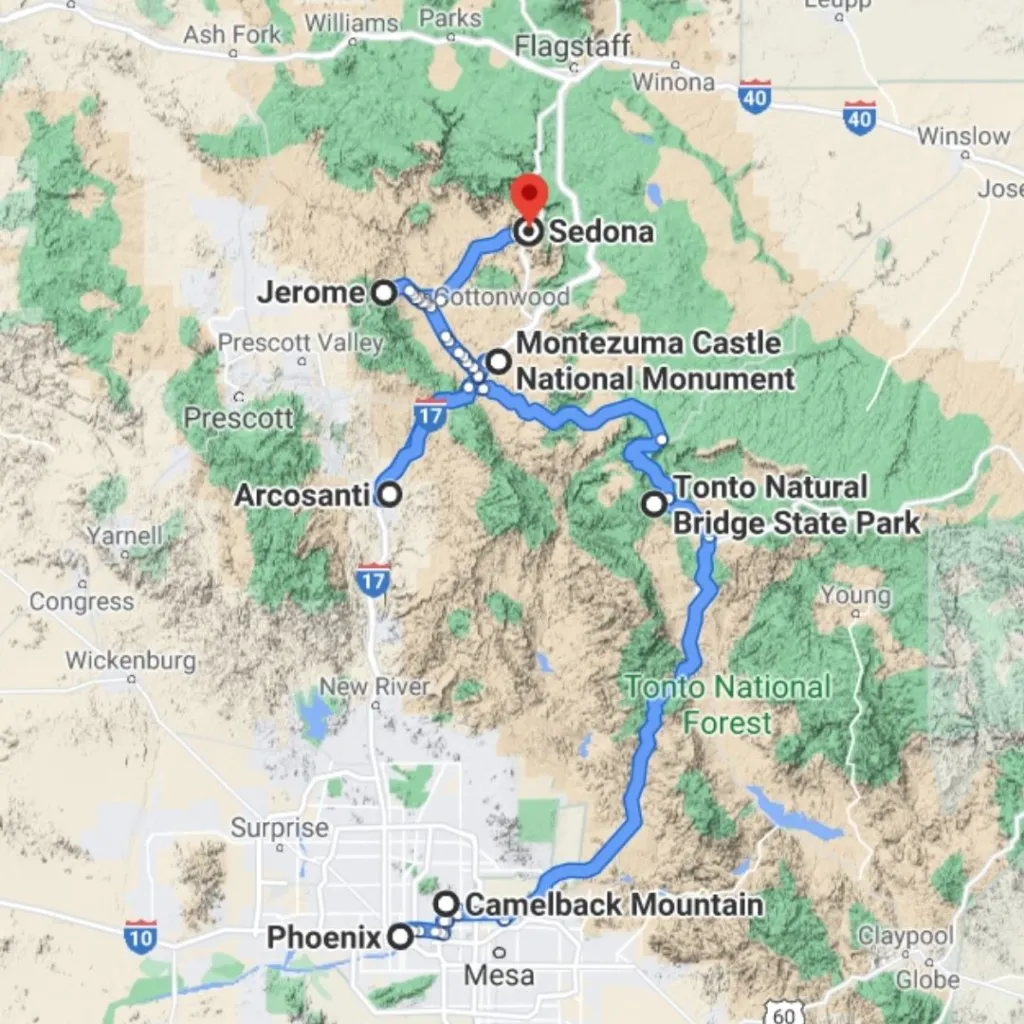
The most common and direct route connecting Phoenix to Sedona is predominantly via Interstate 17 (I-17) North. Starting from downtown Phoenix or the Phoenix Sky Harbor International Airport, travelers head north on I-17 for approximately 90-100 miles, then take exit 298 for AZ-179 North, which leads directly into the heart of Sedona.
- Total Distance: On average, the distance is roughly 115-120 miles (185-193 kilometers), depending on your exact starting point in Phoenix and your destination within Sedona.
- Average Driving Time: Under ideal conditions, with minimal traffic and no extended stops, the drive typically takes 1 hour and 45 minutes to 2 hours. This estimate assumes a steady pace along the interstate.
The journey on I-17 is largely a smooth, multi-lane highway, gradually ascending in elevation as you leave the Sonoran Desert floor. The scenery shifts from saguaro-dotted plains to more rugged, mountainous terrain, offering glimpses of the diverse Arizona landscape. The final leg on AZ-179 is particularly scenic, winding through the iconic red rock formations that define Sedona.
Factors Influencing Travel Time
While the direct route seems simple, several variables can impact your actual travel time:
- Traffic: Like any major metropolitan area, Phoenix experiences rush hour traffic. Departing during peak morning (7-9 AM) or evening (4-6 PM) hours can significantly add to your drive time, particularly when navigating out of the city. Weekends can also see increased traffic volume on I-17 as many locals and tourists head north.
- Road Construction: Arizona continually invests in infrastructure, meaning construction zones can occasionally cause delays. It’s wise to check local traffic reports before setting out.
- Weather Conditions: While Arizona is known for its sunshine, adverse weather can occur. Monsoon season (typically July to September) can bring heavy rain, flash floods, and dust storms. In winter, higher elevations north of Phoenix (around Black Canyon City and Munds Park) can occasionally experience snow and ice, potentially slowing down travel.
- Stops and Sightseeing: The most significant factor influencing travel time is often intentional stops. The route offers numerous opportunities for brief breaks, fuel, food, or even short sightseeing excursions, which can easily extend a two-hour drive into a half-day adventure.
Scenic Routes and Stopovers: Making the Drive an Adventure
While the most direct path from Phoenix to Sedona is via I-17, the journey itself can be transformed into an integral part of your Arizona experience. By choosing slightly alternative paths or planning strategic stops, travelers can uncover hidden gems and stunning vistas that enrich their trip significantly.
Beyond the Interstate: Alternative Paths
For those seeking a more scenic drive, or simply wishing to avoid the interstate entirely for a portion of the journey, a few options present themselves:
- Via Prescott: Instead of turning off at AZ-179 for Sedona, you could continue north on I-17 past Camp Verde and then loop west on AZ-260 towards Cottonwood and Clarkdale, eventually reaching Sedona via AZ-89A. This longer route might add an hour or more to your drive but offers the chance to visit charming towns like Prescott, known for its historic downtown and cooler mountain climate, or the fascinating ghost town of Jerome before descending into Sedona’s Red Rock Country.
- The Verde Valley Loop: This option involves exiting I-17 earlier (e.g., at Exit 287 for AZ-260) and exploring the Verde Valley Wine Trail through towns like Cottonwood and Clarkdale before continuing to Sedona. This path offers a slower pace, vineyards, and river access, providing a different flavor of Arizona before the dramatic ascent into Sedona.
These alternative routes, while longer in terms of mileage and time, are ideal for travelers who prioritize exploration and unique experiences over speed.
Must-See Stops Along the Way
Even sticking to the main I-17 route, there are several compelling reasons to pull over and stretch your legs:
- Arcosanti: An experimental urban laboratory focused on ecological design (arcology). Located about an hour north of Phoenix off I-17, it offers unique architecture, tours, and a glimpse into a sustainable future.
- Montezuma Castle National Monument: A remarkably preserved cliff dwelling built by the Sinagua people over 800 years ago. It’s an easy detour off I-17 near Camp Verde, providing a fascinating look into ancient Arizona history.
- Out of Africa Wildlife Park: Located near Camp Verde, this unique wildlife park offers an immersive experience, featuring animals in spacious habitats and exciting shows. It’s a great stop, especially for families.
- Verde Valley Wine Trail: As mentioned earlier, this region (encompassing Cottonwood, Jerome, and Clarkdale) is home to a growing number of vineyards and tasting rooms. A stop here allows for a relaxed break and an opportunity to sample local Arizona wines.
- V Bar V Ranch Petroglyph Site: Another impressive Sinagua site, showcasing one of the largest petroglyph panels in the Verde Valley, accessible with a short hike.
Incorporating one or more of these stops can transform a simple drive into a memorable mini-adventure, offering cultural insights, natural beauty, or unique entertainment before you even reach Sedona.
Transportation Options Beyond Driving
While driving your own vehicle or a rental car is by far the most popular and flexible way to travel between Phoenix and Sedona, it’s not the only option. Depending on your budget, travel style, and comfort with navigation, other transportation methods can provide a convenient alternative.
Shuttle Services
For those who prefer not to drive, or who want to relax and enjoy the scenery without the stress of navigating, shuttle services are an excellent choice.
- Shared-Ride Shuttles: Companies like Groome Transportation offer regular, scheduled shuttle services between Phoenix Sky Harbor International Airport and various locations in Sedona. These are cost-effective, comfortable, and remove the need for parking or vehicle rental. The journey typically takes around 2.5 to 3 hours, including potential stops at other locations or Camp Verde on the way.
- Private Shuttles and Car Services: For a more personalized and direct experience, numerous companies offer private car services. While more expensive, these provide door-to-door service, often in luxury vehicles, and allow for flexible scheduling and direct routes without additional stops.
Shuttles are particularly convenient for solo travelers or small groups who prefer to let someone else handle the logistics, especially if they plan to primarily explore Sedona’s walkable areas or utilize local tours once they arrive.
Public Transport & Ride-Sharing
- Public Transport: Direct public transport between Phoenix and Sedona is essentially non-existent. There are no train services, and intercity bus routes are highly indirect and impractical for this specific journey.
- Ride-Sharing Services (Uber/Lyft): While technically possible to request an Uber or Lyft from Phoenix to Sedona, it would be an extremely expensive option due to the distance and the driver’s need to return to Phoenix without a fare. This is generally not a recommended or cost-effective method of travel between the two cities.
Air Travel (Indirect)
While there is a small airport in Sedona (Sedona Airport), it primarily serves private and charter flights. There are no commercial flights connecting Phoenix directly to Sedona. For virtually all travelers, flying into Phoenix Sky Harbor International Airport (PHX) and then continuing to Sedona by ground transportation is the standard and most efficient approach.
Exploring Phoenix and Sedona: A Tale of Two Destinations
The journey from Phoenix to Sedona is more than just covering miles; it’s a transition between two profoundly different, yet equally captivating, Arizona experiences. Understanding what each destination offers helps in appreciating the contrast and planning a comprehensive visit to the region.
Phoenix: The Desert Metropolis
Phoenix, the fifth-largest city in the United States, is a sprawling urban oasis set against the backdrop of the Sonoran Desert. It’s a hub for modern amenities, vibrant culture, and stunning desert landscapes.
- Urban Sophistication: Phoenix boasts world-class dining, upscale shopping districts (like Scottsdale Fashion Square), and a thriving arts scene, including museums such as the Phoenix Art Museum and the Musical Instrument Museum.
- Desert Adventures: Despite its urban density, Phoenix offers incredible access to nature. Hiking at Camelback Mountain or Pinnacle Peak, exploring the Desert Botanical Garden, or simply enjoying a round of golf on one of its many championship courses are popular activities.
- Relaxation and Wellness: The Phoenix area, particularly Scottsdale, is renowned for its luxurious resorts and spas, providing ample opportunities for relaxation and rejuvenation.
Sedona: Red Rock Majesty and Spiritual Retreat
Just a short drive north, Sedona presents a dramatic shift in scenery and atmosphere. Known globally for its towering red rock formations, vibrant arts community, and reputed energy vortexes, Sedona offers a unique blend of adventure and tranquility.
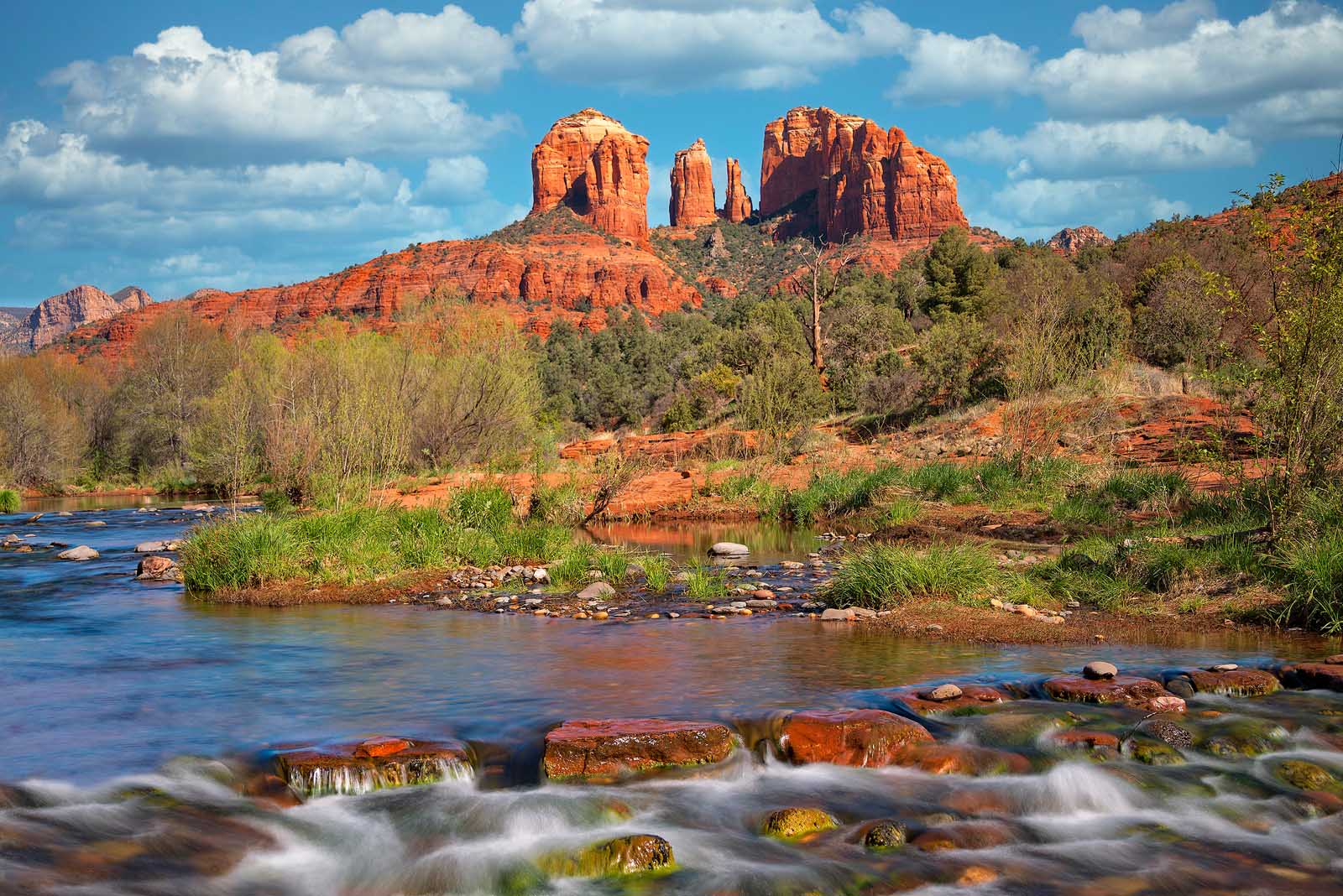
- Iconic Red Rocks: The main draw of Sedona is undoubtedly its breathtaking natural beauty. Hiking, mountain biking, and scenic drives through areas like Red Rock State Park or Oak Creek Canyon offer unparalleled views. Must-see landmarks include Cathedral Rock, Bell Rock, and Courthouse Butte.
- Spiritual and Wellness Hub: Sedona is famous for its energy vortexes, attracting spiritual seekers from around the world. The town is rich with wellness centers, New Age shops, and opportunities for meditation, yoga, and holistic healing.
- Arts and Culture: The town fosters a thriving arts community, with numerous galleries in areas like Tlaquepaque Arts & Shopping Village showcasing local and regional talent. The Chapel of the Holy Cross, built into the red rocks, is a marvel of architecture and a spiritual landmark.
Ideal Itinerary Considerations
Many visitors choose to combine both cities into one trip, creating a dynamic Arizona experience. A common approach is to:
- Start in Phoenix: Spend 2-3 days exploring the urban attractions, dining scene, and desert parks of the Valley of the Sun.
- Drive to Sedona: Enjoy the scenic drive north, perhaps with a stop at Montezuma Castle or Jerome.
- Immerse in Sedona: Dedicate 2-4 days to hiking, exploring vortexes, enjoying the arts, and soaking in the tranquil beauty of the red rocks.
- Extend to Grand Canyon: Many travelers continue north from Sedona for a day trip or overnight stay at the Grand Canyon National Park, which is approximately a 2-hour drive further north.
This sequence allows travelers to experience the vibrant energy of Phoenix before retreating to the natural grandeur and spiritual calm of Sedona.
Tips for a Seamless Arizona Road Trip
Preparing for your road trip from Phoenix to Sedona can significantly enhance your experience, ensuring a smooth and enjoyable journey through the diverse landscapes of Arizona.
Best Time to Travel
- Fall (September-November) and Spring (March-May) are widely considered the best times to visit Arizona. The weather is pleasantly warm in Phoenix and ideal for hiking and outdoor activities in Sedona. However, these are also peak tourist seasons, so expect more crowds and higher prices for accommodations.
- Winter (December-February) offers cooler temperatures, which can be delightful for exploring the desert in Phoenix and a chance for snow-dusted red rocks in Sedona. This season is popular, particularly around holidays.
- Summer (June-August) can be intensely hot in Phoenix, with temperatures often exceeding 100°F (38°C). Sedona is slightly cooler but still warm. If traveling during summer, plan outdoor activities for early mornings or late evenings and be prepared for potential monsoon storms. This is typically the off-peak season, offering lower prices and fewer crowds.
Vehicle Preparation
If you’re driving your own vehicle or a rental, a few preparations can make a big difference:
- Check Your Car: Ensure your tires are properly inflated, fluid levels are good, and the air conditioning is working perfectly. The Arizona sun can be relentless.
- Pack Essentials: Always carry plenty of water, especially during warmer months. Snacks, a first-aid kit, sun protection (hat, sunglasses, sunscreen), and a phone charger are also crucial.
- Fuel Up: While there are gas stations along I-17, it’s always wise to start with a full tank when leaving Phoenix.
Navigation and Planning
- GPS and Maps: Use a reliable GPS system or a mapping app on your phone. Consider downloading offline maps, as cell service can be spotty in certain mountainous stretches.
- Book Accommodations in Advance: Especially during peak seasons, hotels and resorts in both Phoenix and Sedona can book up quickly. Secure your lodging well ahead of time.
- Flexibility: While planning is good, allow for some flexibility in your itinerary. You might discover a charming town or a captivating viewpoint that warrants an unplanned stop.
The journey from Phoenix to Sedona is more than just a commute; it’s an adventure waiting to unfold. With proper planning and an open mind, travelers can transform this relatively short drive into a highlight of their Arizona exploration.
In conclusion, the distance between Phoenix and Sedona is manageable, typically around 115-120 miles with a driving time of under two hours in ideal conditions. However, the true beauty of this route lies in its potential for exploration. Whether you opt for the direct I-17 route, choose a scenic detour, or utilize a convenient shuttle service, the transition from Phoenix’s desert metropolis to Sedona’s red rock grandeur is a quintessential Arizona experience. By considering the factors that influence travel time and embracing the opportunities for discovery along the way, your journey between these two remarkable destinations will undoubtedly be as memorable as the destinations themselves.
LifeOutOfTheBox is a participant in the Amazon Services LLC Associates Program, an affiliate advertising program designed to provide a means for sites to earn advertising fees by advertising and linking to Amazon.com. Amazon, the Amazon logo, AmazonSupply, and the AmazonSupply logo are trademarks of Amazon.com, Inc. or its affiliates. As an Amazon Associate we earn affiliate commissions from qualifying purchases.