
Embarking on a journey from the sprawling desert metropolis of Phoenix, Arizona, to the breathtaking red rock wonderland of Sedona is a quintessential Southwestern experience. This drive is more than just a means to an end; it’s an scenic adventure that transitions from saguaro-dotted low desert to pinyon-juniper highlands, culminating in the dramatic geological formations that define Sedona. For many travelers, understanding the distance, drive time, and what to expect along the way is the first crucial step in planning their unforgettable Arizona escape.
This guide delves into the specifics of this popular route, offering insights into the journey itself, the various transportation options available, and how to maximize your enjoyment from start to finish. Whether you’re a first-time visitor or a seasoned Arizona explorer, careful planning ensures a smooth and memorable trip to one of the state’s most iconic destinations.

Understanding the Journey: Distance and Drive Time
The primary question for any road trip is, of course, “How far is it?” and “How long will it take?” The distance between Phoenix and Sedona is relatively manageable, making it an ideal day trip or the start of a longer stay.
The Direct Route via I-17
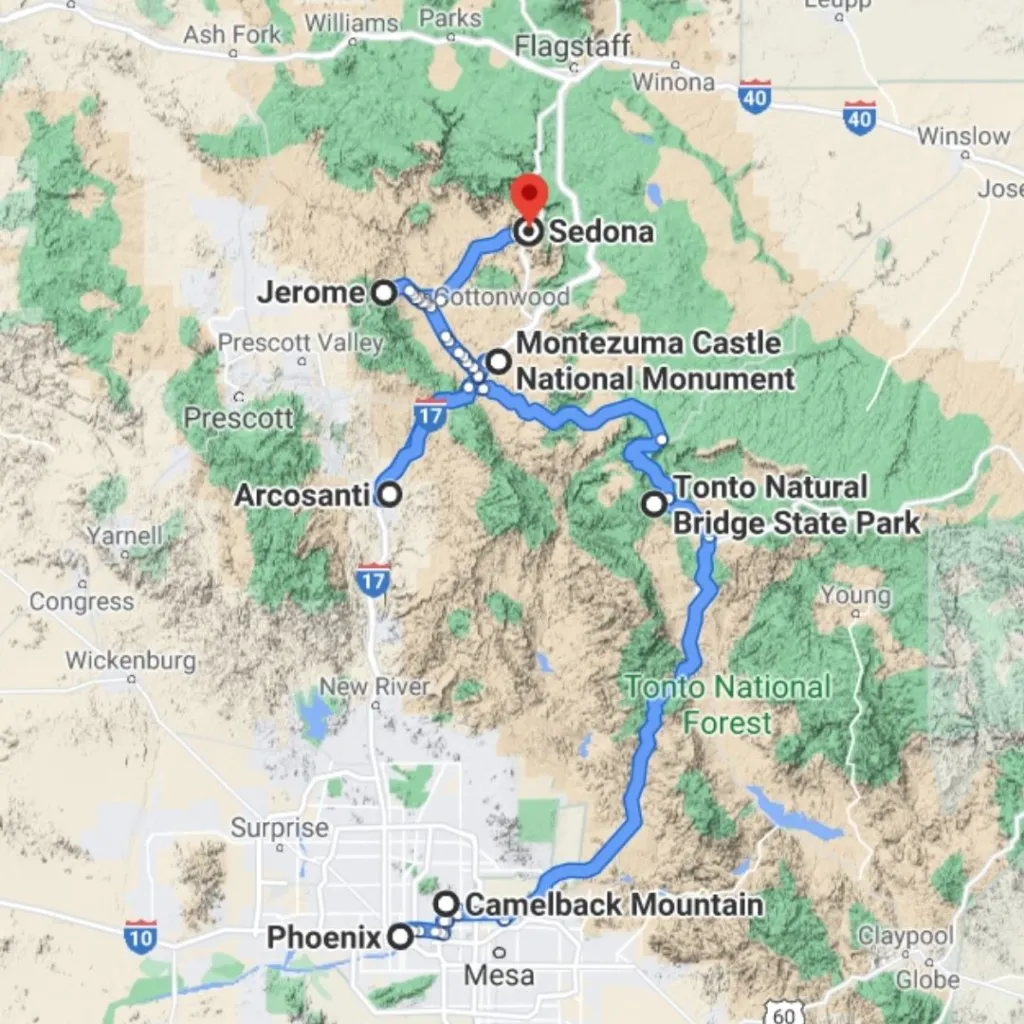
The most common and efficient way to travel from Phoenix to Sedona is via Interstate 17 (I-17). This well-maintained highway stretches north from the heart of Phoenix, gradually ascending in elevation as it leaves the Sonoran Desert floor. The total distance via I-17 is approximately 115 to 120 miles (185 to 193 kilometers), depending on your exact starting point in Phoenix and your final destination in Sedona.
The drive itself offers a fascinating transition of landscapes. You’ll begin amidst the urban sprawl and desert flora of the Phoenix metropolitan area, then slowly climb into the more mountainous terrain of Central Arizona. As you gain elevation, the temperatures generally drop, and the vegetation shifts from cacti to scrub brush, then eventually to higher desert grasses, juniper, and pinyon pine forests as you approach the Verde Valley. The final leg of the journey involves turning off I-17 onto either State Route 179 (the “Red Rock Scenic Byway”) or Highway 89A to enter Sedona. Both approaches offer stunning introductions to Sedona’s iconic red rocks.
Estimating Your Travel Time
Under ideal driving conditions, with minimal traffic and no significant stops, the drive from Phoenix to Sedona typically takes about 2 hours to 2 hours and 30 minutes. However, it’s crucial to factor in several variables that can influence your actual travel time:
- Traffic: Phoenix can experience heavy traffic, especially during weekday rush hours (roughly 6 AM to 9 AM and 3 PM to 6 PM). Leaving Phoenix during these times can add 30 minutes to an hour to your journey. Friday afternoons are also notoriously busy as many Phoenix residents head north for weekend getaways.
- Weather Conditions: While Arizona is known for its sunshine, winter months can bring snow or ice to higher elevations along I-17, particularly as you approach Flagstaff (though Sedona itself experiences milder winters). Monsoon season (July to September) can bring heavy rainfall and flash floods, which might necessitate slower speeds or temporary road closures. Always check weather and road conditions before you depart.
- Construction: Road maintenance and construction projects are ongoing, especially on major arteries like I-17. These can cause delays and lane reductions.
- Stops: Many travelers choose to make stops for gas, food, or to explore attractions along the way. While highly recommended for a more enriching experience, these stops will, of course, extend your total travel time.
For an accurate real-time estimate, using a GPS navigation system (like Google Maps or Waze) is advisable, as they account for current traffic and road conditions.
Choosing Your Route: The Scenic vs. The Swift
While I-17 is the backbone of the journey, how you approach Sedona can significantly alter your initial impressions and overall experience.
The I-17 Corridor: Efficiency and Convenience
For those prioritizing speed and directness, sticking to I-17 for the majority of the drive is the best option. From Phoenix, you’ll head north on I-17, passing through smaller communities and open desert.
As you near the end of the I-17 stretch towards Sedona, you’ll have two primary exits:
- Exit 298 (Highway 179 – The Red Rock Scenic Byway): This is the most popular and arguably the most stunning approach. After exiting I-17, you’ll travel approximately 15 miles north on State Route 179. This designated scenic byway offers continuous panoramic views of Sedona’s iconic red rock formations as you drive directly into the heart of town. It’s often lined with art galleries, resorts, and trailheads. This is the recommended route if you want to be immediately immersed in Sedona’s famous landscape.
- Exit 302 (Highway 179 – Towards Cottonwood/Highway 89A): This exit is slightly further north on I-17, taking you towards the town of Cottonwood and then onto Highway 89A (also known as the Oak Creek Canyon Scenic Road). While a bit longer to reach Sedona proper, this route allows for a visit to charming Cottonwood or the historic mining town of Jerome. Entering Sedona via Highway 89A from the west also provides beautiful views, though perhaps not as immediate and concentrated as State Route 179. If you’re coming from Flagstaff, Highway 89A through Oak Creek Canyon is the most direct and famously scenic path.
Embracing the Scenic Detours: State Route 179 and Beyond
While the direct route is efficient, many travelers opt to extend their journey slightly to incorporate more of Arizona’s charm. As mentioned, State Route 179 into Sedona is a scenic detour in itself, offering unparalleled views and numerous pull-offs for photographs.
For those with more time, a notable longer detour involves exiting I-17 earlier and heading west towards Jerome and Cottonwood before proceeding to Sedona. This route adds about an hour or more to the total driving time but immerses you in rich mining history and a vibrant arts scene. Jerome, a former copper mining town perched precariously on a hillside, offers unique shops, art galleries, and panoramic views of the Verde Valley. Cottonwood, nestled in the valley below, is known for its burgeoning wine region with several vineyards and tasting rooms. This approach transforms a simple drive into a multi-stop exploration of Central Arizona.
Making the Most of Your Drive: Stops and Attractions Along the Way
The drive from Phoenix to Sedona is replete with opportunities for interesting stops, turning a straightforward commute into an engaging part of your vacation.
Exploring North of Phoenix
As you head out of Phoenix on I-17, there are a few notable points of interest before the landscape truly begins its dramatic transformation.
- Anthem: Just north of the Phoenix metro area, Anthem is a master-planned community known for its community park and the Anthem Veterans Memorial, which aligns perfectly with the sun on Veterans Day, creating a beam of light through openings in its pillars.
- Pioneer Living History Museum: Located off I-17 near Black Canyon City, this outdoor museum offers a glimpse into 19th-century frontier life in Arizona. It’s a family-friendly stop that provides a break from driving and a dose of local history.
- Black Canyon City: A small town primarily serving as a rest stop for travelers, it’s a good place to refuel your car and grab a quick snack or meal.
Charming Towns and Natural Wonders
Further north, as you ascend towards the Verde Valley, the opportunities for exploration become even more appealing.
- Montezuma Castle National Monument: A short detour off I-17 near Camp Verde (Exit 287), this site preserves one of the best-preserved cliff dwellings in North America. Built by the Sinagua people over 800 years ago, it’s a testament to ancient ingenuity and offers a fascinating historical perspective. The easy walking path around the monument is suitable for all ages.
- Out of Africa Wildlife Park: Located in Camp Verde, this unique wildlife park focuses on conservation and offers an immersive experience with various exotic animals. It’s an excellent stop for families or animal lovers, featuring shows, safaris, and up-close encounters.
- Verde Canyon Railroad: Departing from Clarkdale (a short drive from Cottonwood), this scenic train ride offers a four-hour journey through a stunning and otherwise inaccessible canyon. It’s a relaxing way to experience Arizona’s natural beauty, complete with wildlife spotting and historical narration. Booking in advance is highly recommended.
- Jerome and Cottonwood: As detailed above, these towns offer distinct experiences. Jerome provides a step back in time with its historic buildings and “ghost town” allure, while Cottonwood boasts a lively Main Street with wine tasting rooms, breweries, and local eateries. If you’re interested in Arizona’s wine country, the Verde Valley Wine Trail is a must-explore, with vineyards dotted around Cottonwood, Jerome, and Page Springs.
Incorporating even one or two of these stops can easily extend your travel time by several hours but will undoubtedly enrich your overall Arizona adventure.
Beyond the Car: Alternative Transportation Options
While driving offers the most flexibility for exploring the route and Sedona itself, not everyone wants to or can drive. Fortunately, several alternative transportation options are available.
Shuttle Services for Hassle-Free Travel
For those who prefer not to drive, or who are flying into Phoenix Sky Harbor International Airport and heading directly to Sedona, private and shared-ride shuttle services are a popular choice. Companies like Groome Transportation (formerly Arizona Shuttle) offer multiple daily departures from Phoenix Sky Harbor International Airport to various drop-off points in Sedona.
These services provide a convenient, comfortable, and often cost-effective way to travel, especially if you’re a solo traveler or a couple. The journey time by shuttle is comparable to driving, typically around 2.5 to 3 hours, as they make designated stops. It’s advisable to book your shuttle in advance, especially during peak travel seasons. Once in Sedona, you can rely on local taxis, ride-sharing services, or the limited public transportation options to get around, or simply enjoy walking in the walkable areas of town.
Guided Tours: Let Someone Else Drive
Another excellent option for experiencing Sedona without the stress of driving or planning is to join a guided tour from Phoenix. Many tour operators offer full-day excursions that include round-trip transportation, a guided tour of Sedona’s highlights (such as Airport Mesa, Bell Rock, and Chapel of the Holy Cross), and sometimes even a stop at Montezuma Castle.
These tours are ideal for travelers who want a comprehensive, structured experience and prefer to leave the logistics, navigation, and historical explanations to experts. While often more expensive than driving or taking a shuttle, the convenience and enriched experience can be well worth the investment, particularly for those on a tight schedule or unfamiliar with the area.
Preparing for Your Trip: Essential Tips for the Drive
To ensure your journey from Phoenix to Sedona is as smooth and enjoyable as possible, consider these practical tips.
Best Time to Travel
- Avoid Peak Hours: As mentioned, try to avoid driving out of Phoenix during weekday rush hours (morning and late afternoon) and especially on Friday afternoons, when traffic northward can be substantial.
- Optimal Seasons: Spring (March to May) and Fall (September to November) offer the most pleasant weather for driving and exploring Sedona, with comfortable temperatures and clear skies. Summer can be very hot in Phoenix but significantly cooler in Sedona due to the higher elevation. Winter brings mild temperatures to Sedona, though light snow is possible, creating a stunning contrast with the red rocks.
Vehicle Preparation and Road Conditions
- Check Your Vehicle: Before embarking on any road trip, ensure your vehicle is in good working order. Check tires, fluid levels, and brakes.
- Fuel Up: Gas stations are readily available in Phoenix and along I-17, but it’s always wise to start with a full tank.
- Monitor Road Conditions: Especially during winter or monsoon season, check the Arizona Department of Transportation (ADOT) website or app for real-time road closures, advisories, and weather information.
Packing Essentials and Safety
- Hydration: Always carry plenty of water, especially during warmer months. The desert climate can be deceptive.
- Snacks: Pack some snacks for the drive, particularly if you plan on making fewer stops.
- Sun Protection: Sunscreen, hats, and sunglasses are essential year-round in Arizona.
- Emergency Kit: A basic emergency kit with jumper cables, a flashlight, and a first-aid kit is always a good idea.
- Navigation: While cell service is generally good on I-17, it can be spotty in some remote areas or canyons. Download offline maps to your phone or bring a physical map as a backup.
The journey from Phoenix to Sedona is an integral part of the Arizona experience. By understanding the distance, planning your route, considering potential stops, and preparing adequately, you can ensure a comfortable, safe, and truly captivating introduction to the magic of Sedona’s red rocks.
LifeOutOfTheBox is a participant in the Amazon Services LLC Associates Program, an affiliate advertising program designed to provide a means for sites to earn advertising fees by advertising and linking to Amazon.com. Amazon, the Amazon logo, AmazonSupply, and the AmazonSupply logo are trademarks of Amazon.com, Inc. or its affiliates. As an Amazon Associate we earn affiliate commissions from qualifying purchases.