
The question “How much do Arizona teachers make?” delves far deeper than a simple salary figure; it touches upon the economic realities that shape the daily lives, career longevity, and overall lifestyle of dedicated educators across the state. Understanding teacher compensation in Arizona is crucial for appreciating the challenges and opportunities faced by these professionals, influencing everything from their ability to afford a comfortable home in Phoenix or Tucson to their capacity for family trips to the Grand Canyon or a relaxing weekend getaway in Sedona. This inquiry is not just about a paycheck; it’s about the quality of life, financial stability, and the ability to maintain a fulfilling lifestyle while serving the vital role of educating the next generation in the Sonoran Desert state.
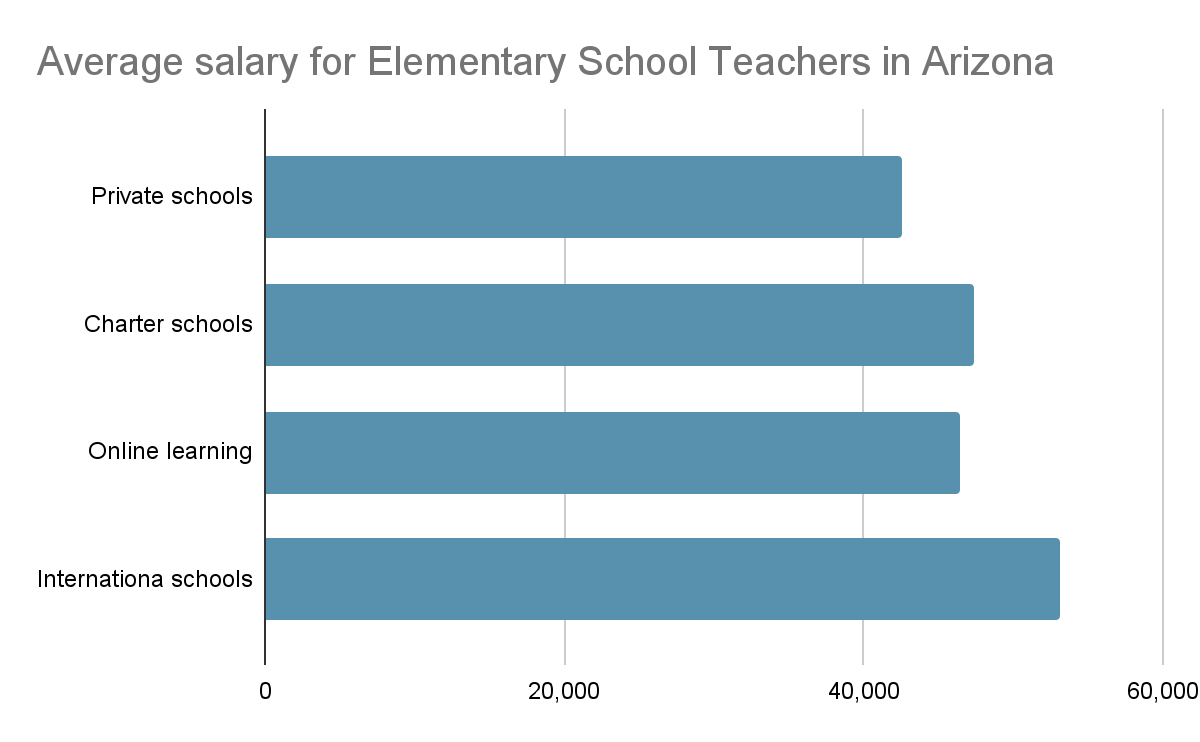
For many, the salary earned dictates the choices available – whether they can pursue personal development, invest in their future, or enjoy the recreational opportunities Arizona offers. Therefore, dissecting the various components of teacher compensation provides essential insights into the broader lifestyle implications for those who commit their careers to public education.
The Foundation: Factors Shaping Teacher Compensation in Arizona
Teacher salaries in Arizona are not uniform across the board; they are influenced by a complex interplay of factors, including experience, education level, the specific school district, and even the geographic location within the state. These variables collectively determine the starting point and growth potential of an educator’s earning capacity, directly impacting their lifestyle choices.
Base Salary and Experience
The foundational element of teacher compensation is the base salary, which typically follows a structured pay scale. This scale often dictates that a teacher’s initial compensation is determined by their educational attainment—for instance, whether they hold a bachelor’s or master’s degree—and their years of credited experience. A teacher fresh out of college, having just earned their teaching certification, will typically start at the lower end of the scale. As they accumulate years of service and professional development, their position on the salary schedule advances, leading to incremental increases in their base pay.
This progression is designed to reward dedication and expertise, acknowledging the value that seasoned educators bring to the classroom. However, the rate and magnitude of these increases can vary significantly between districts. For example, a teacher in a rapidly growing area like Mesa or Chandler might experience different pay scale adjustments than one in a smaller, more rural district. The impact of this progression on a teacher’s lifestyle is substantial; greater experience often translates to increased financial security, allowing for more substantial savings, better housing options, or the ability to consider more ambitious family vacations. The Arizona Department of Education oversees many of the standards, but individual districts ultimately set their scales.
Geographic and District Variations
One of the most significant factors influencing teacher salaries is the specific school district and its location within Arizona. Urban districts, particularly those in the larger metropolitan areas like Phoenix, Tucson, or Glendale, often have different budget capacities and cost-of-living considerations compared to their rural counterparts. Districts in areas with a higher cost of living, such as Scottsdale or Tempe, might offer slightly higher base salaries to attract and retain talent, acknowledging the increased expenses for housing and daily necessities in those regions.
Conversely, rural districts, while perhaps offering a lower base salary, might also be situated in areas with a significantly lower cost of living, potentially balancing out the financial equation for some educators. These geographic variations also extend to the availability of resources and community support, which can indirectly affect a teacher’s overall job satisfaction and financial planning. For instance, a teacher in a hypothetical Desert Bloom School District in a remote part of the state might find their income stretches further for housing than in a bustling suburban district. Understanding these localized differences is key to appreciating the diverse financial landscapes teachers navigate across Arizona and how these variances shape their daily lives and future prospects.
Beyond the Base Salary: Comprehensive Benefits and Additional Avenues
While the base salary forms the core of a teacher’s income, a holistic understanding of their financial well-being requires looking at the broader compensation package. This includes crucial benefits and potential opportunities for supplemental earnings, all of which play a significant role in defining an Arizona teacher’s lifestyle and financial security.
Health, Retirement, and Professional Development
The non-salary components of a teacher’s compensation package are often invaluable. Health insurance, for instance, provides essential coverage, reducing out-of-pocket medical expenses and offering peace of mind. Without adequate health benefits, a significant portion of a teacher’s salary could be consumed by healthcare costs, severely impacting their disposable income and lifestyle. Similarly, retirement plans, typically through the Arizona State Retirement System (ASRS), are a critical long-term benefit. Contributions from both the teacher and the employer build towards a secure retirement, an aspect of financial planning that significantly affects future lifestyle choices, such as whether one can comfortably retire within Arizona or travel extensively in their later years.
Furthermore, many districts offer or subsidize professional development opportunities, ranging from workshops and conferences to tuition reimbursement for advanced degrees. While not direct cash, these opportunities enhance an educator’s skills, potentially leading to higher pay grades in the future and preventing them from having to personally bear the costs of continuous learning required for certification and growth. These benefits collectively represent a substantial part of a teacher’s overall compensation, often insulating them from significant financial burdens and contributing to a more stable and secure lifestyle. The Arizona Education Association often advocates for robust benefit packages.
Opportunities for Additional Earnings
For many Arizona teachers, the base salary and benefits alone may not fully support their desired lifestyle, particularly in areas with a higher cost of living like Flagstaff or Yuma. Consequently, many seek additional avenues for supplemental income. These opportunities are varied and can include coaching sports teams, leading after-school clubs, teaching summer school sessions, or tutoring students privately. Some educators might also take on administrative roles or lead curriculum development projects within their district for extra stipends.
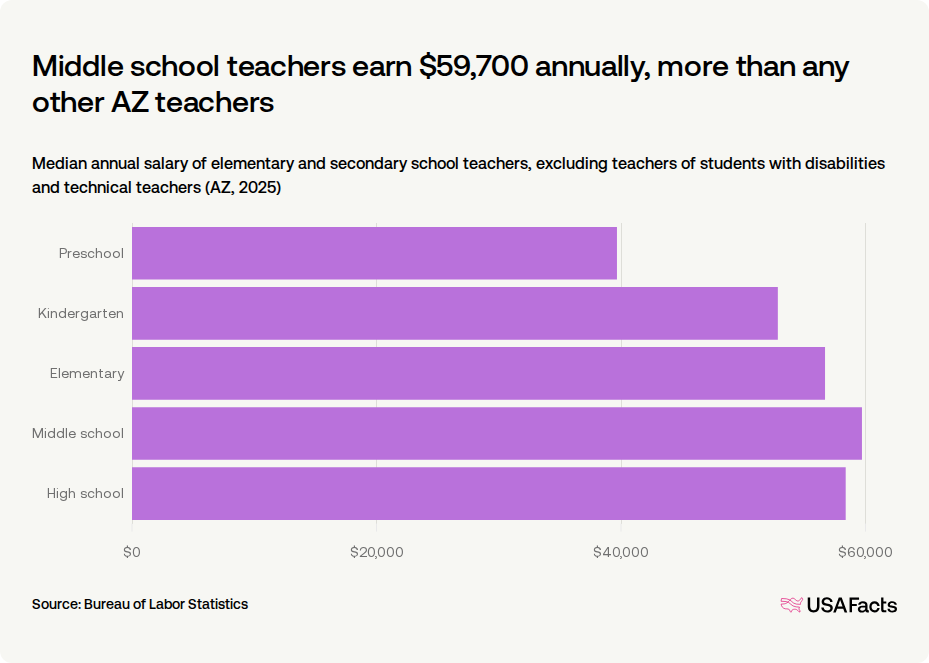
Beyond direct school-related work, some teachers engage in side jobs outside the educational sphere, leveraging other skills to supplement their income. This additional income can be vital for covering unexpected expenses, saving for a down payment on a home, or financing lifestyle enhancements such as family vacations or hobbies. While these supplemental earnings are often a necessity rather than a luxury, they enable teachers to bridge the gap between their primary compensation and their desired quality of life, offering greater flexibility and options that would otherwise be out of reach. For instance, the extra income might be the difference between a staycation and a family trip to a place like the hypothetical Cactus Flower Resort in the warmer parts of Arizona.
Lifestyle Realities: The Impact of Compensation on Teachers’ Lives in Arizona
The amount Arizona teachers make directly translates into their daily living conditions, long-term financial planning, and their ability to enjoy the rich cultural and natural landscape of the state. It dictates their lifestyle choices, from housing to leisure activities.
Balancing Budget and Aspirations
Teacher compensation in Arizona has a profound effect on an educator’s ability to balance their daily budget with their long-term aspirations. The salary determines the type of housing they can afford, whether they rent an apartment in Tempe, purchase a home in Glendale, or commute from a more affordable outlying community. Housing costs are a significant expenditure, and a competitive salary allows teachers to live closer to their schools, reducing commute times and improving their work-life balance.
Beyond housing, compensation influences discretionary spending – the ability to enjoy dining out, participate in local events, or invest in personal well-being activities. For many, navigating the financial landscape requires careful budgeting and prioritizing needs over wants. While dedicated, teachers also aspire to financial stability, to save for emergencies, and to plan for major life events such as starting a family or pursuing further education. The adequacy of their compensation directly impacts the feasibility of these aspirations, influencing their overall sense of security and satisfaction with their chosen profession. A sufficient income allows for a lifestyle where daily financial stresses are minimized, enabling teachers to focus more effectively on their vital work.
Travel and Leisure Choices
Connecting directly to the broader “Lifestyle” category, teacher salaries significantly shape their opportunities for travel and leisure. With Arizona’s diverse attractions, from the Grand Canyon to the red rocks of Sedona, leisure travel is a highly sought-after aspect of a balanced lifestyle. However, the ability to embark on such experiences is often constrained by disposable income.
Teachers whose compensation falls short of supporting a comfortable lifestyle might find themselves limited to budget travel options, local day trips, or relying heavily on saving meticulously for longer excursions. Family trips, which are invaluable for creating lasting memories, might require extensive planning and sacrifice if the primary income source is modest. Conversely, a more competitive salary allows for greater flexibility – perhaps a weekend stay at a resort in Scottsdale, a trip to explore the national parks, or even venturing beyond Arizona’s borders. The financial capacity to travel and engage in leisure activities is not just about indulgence; it’s about rejuvenation, personal enrichment, and maintaining mental well-being, all of which are crucial for demanding professions like teaching. Without adequate compensation, these vital aspects of a fulfilling lifestyle become challenging to attain, impacting overall job satisfaction and personal happiness.
Recruitment, Retention, and the Future: Ensuring a Thriving Educational Lifestyle
The level of compensation for Arizona teachers has far-reaching implications beyond individual lifestyles; it directly impacts the quality and stability of the state’s entire educational system. Attractive salaries and benefits are crucial for building and sustaining a robust teaching workforce.
Attracting and Keeping Talent
The competitive nature of teacher salaries plays a pivotal role in both attracting new talent to the profession and retaining experienced educators within Arizona schools. When salaries are perceived as low compared to other professions requiring similar levels of education and responsibility, or even compared to teaching salaries in neighboring states, Arizona struggles to draw top-tier candidates. This can lead to teacher shortages, particularly in critical subject areas or in harder-to-staff regions.
Moreover, inadequate compensation contributes to a higher rate of teacher turnover. Experienced teachers, who have invested years in honing their craft, may seek opportunities in other districts or states that offer more financially rewarding packages, or they may leave the profession entirely. This constant churn undermines educational continuity, impacts student performance, and places additional burdens on remaining staff. Ensuring competitive salaries is therefore not just about individual lifestyle but about safeguarding the quality of education for all students in districts like the Sunstone Unified School District and beyond. A well-compensated teaching force is a stable, experienced, and motivated force, which in turn fosters a better learning environment.

Policy and Community Support
Ultimately, the question of “How much do Arizona teachers make?” is intertwined with state legislative priorities, local district budgeting, and broader community values. Policy decisions at the state level regarding education funding directly influence the resources available for teacher salaries and benefits. Advocacy groups, parent organizations, and the Arizona Education Association frequently engage in efforts to highlight the importance of competitive teacher pay to policymakers.
Community support also plays a significant role. When local communities value their educators and understand the profound impact of their work, there is often greater willingness to support initiatives that increase teacher compensation, whether through bond measures, override elections, or direct funding campaigns. A collective commitment to ensuring teachers earn a professional wage translates into a more stable and attractive career path, which then positively impacts their lifestyle and allows them to thrive both personally and professionally. This continuous cycle of investment, support, and professional fulfillment is essential for the long-term health of Arizona’s educational landscape and the vibrant lifestyles of its dedicated teachers.
In conclusion, understanding how much Arizona teachers make involves looking at a complex array of factors, from base salaries and benefits to supplemental income opportunities and the varying costs of living across the state. This compensation package is not merely a number; it is the foundation upon which educators build their lives, influencing their ability to afford homes, pursue personal interests, engage in leisure activities like travel, and ultimately sustain a fulfilling lifestyle while serving their communities. Ensuring competitive and equitable compensation for Arizona’s teachers is a critical investment in the state’s future, impacting not just the lives of individual educators but the quality of education for generations to come.
LifeOutOfTheBox is a participant in the Amazon Services LLC Associates Program, an affiliate advertising program designed to provide a means for sites to earn advertising fees by advertising and linking to Amazon.com. Amazon, the Amazon logo, AmazonSupply, and the AmazonSupply logo are trademarks of Amazon.com, Inc. or its affiliates. As an Amazon Associate we earn affiliate commissions from qualifying purchases.