
For many prospective visitors and even seasoned travelers, the question of Arizona’s time zone is a perennial source of confusion. Unlike most states in the contiguous United States, the Grand Canyon State maintains a unique relationship with its clocks, largely opting out of the biannual ritual of Daylight Saving Time (DST). This distinction means that for roughly half the year, Arizona operates on what functionally aligns with one of its neighboring time zones, while for the other half, it aligns with another. Understanding this temporal dance is not merely an exercise in trivia; it’s a crucial piece of information for planning itineraries, coordinating meetings, and simply knowing when to show up for that breathtaking Grand Canyon sunrise tour.
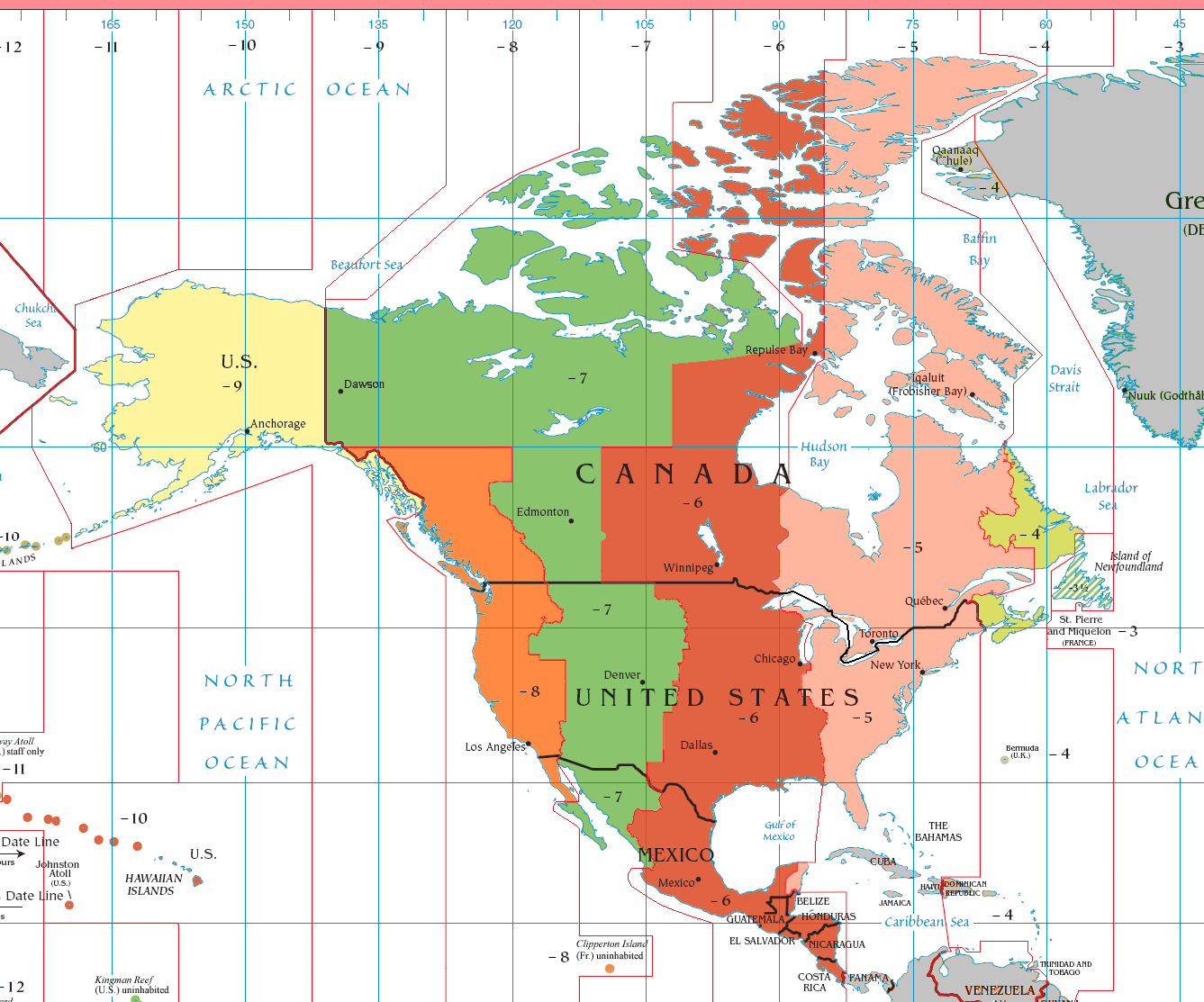
At its core, Arizona adheres to Mountain Standard Time (MST) year-round. However, because it does not observe Daylight Saving Time, its effective relationship with the rest of the country shifts seasonally. When other states “spring forward” in the spring, Arizona essentially falls in line with Pacific Daylight Time (PDT). When those states “fall back” in autumn, Arizona returns to alignment with the traditional Mountain Time Zone states. This guide aims to demystify Arizona’s unique temporal rhythm, offering clarity and practical insights for anyone planning to explore its desert landscapes and vibrant cities.
Unraveling Arizona’s Unique Time Zone Status
The foundation of Arizona’s time-keeping system lies in its consistent adherence to Mountain Standard Time, but it’s the exemption from Daylight Saving Time that truly defines its singularity. This policy, enacted decades ago, is rooted in practical considerations that directly impact daily life and, by extension, the visitor experience.
The Standard: Mountain Standard Time (MST)
By official designation, Arizona is located within the geographic boundaries of the Mountain Time Zone. This means its default time is Mountain Standard Time (MST), which corresponds to UTC-7. For roughly five months of the year, typically from early November to mid-March, this alignment is straightforward. During this period, Arizona shares the same clock time with states like Colorado, Utah, and New Mexico, all of which are observing MST. Visitors arriving during these cooler months will find their expectations of time relatively consistent with other Mountain Time Zone destinations.
The Daylight Saving Time Exemption
The true divergence occurs when the rest of the country, excluding Hawaii and parts of Indiana, “springs forward” for Daylight Saving Time. In 1968, Arizona opted out of DST, primarily due to its intense summer heat. The rationale was simple: shifting the clock forward an hour would mean an extra hour of daylight in the evening, pushing the hottest part of the day even later. This would increase energy consumption for air conditioning and potentially disrupt schedules for outdoor activities, making the longer, hotter evenings less desirable.
This exemption means that while most of the United States moves to Daylight Saving Time, Arizona remains on Mountain Standard Time. The practical effect of this decision is that from mid-March to early November, Arizona’s clock effectively aligns with what is commonly known as Pacific Daylight Time (PDT). So, while the official designation never changes from MST, its operational time during the warmer months matches that of its Pacific Time Zone neighbors that observe DST.
The Seasonal Time Zone Dance: Arizona vs. Its Neighbors
The decision not to observe Daylight Saving Time transforms Arizona into a temporal chameleon, shifting its relative time relationship with other states throughout the year. For visitors, understanding this seasonal dynamic is key to seamless travel.
Spring Forward: Aligning with Pacific Time
When Daylight Saving Time commences, typically on the second Sunday in March, states like California and Nevada advance their clocks by one hour, moving from Pacific Standard Time (PST) to Pacific Daylight Time (PDT). At this exact moment, Arizona, steadfastly remaining on Mountain Standard Time, finds itself in temporal lockstep with these Pacific Daylight Time states.
For example, if it’s 3 PM in Los Angeles (PDT), it will also be 3 PM in Phoenix (MST, though functionally equivalent to PDT). This alignment continues until DST ends in the fall. This is why many people mistakenly believe Arizona observes Pacific Time for part of the year; it’s functionally true, even if the official designation is MST. This can simplify travel planning for those coming from California or Nevada during these months, as there is no time difference to account for when crossing the border.
Fall Back: Reverting to Mountain Time
Conversely, when Daylight Saving Time concludes, usually on the first Sunday in November, the clocks in most of the United States “fall back” by one hour. States like California and Nevada revert from Pacific Daylight Time to Pacific Standard Time (PST). Simultaneously, states in the Mountain Time Zone like Colorado and Utah revert from Mountain Daylight Time (MDT) to Mountain Standard Time (MST).
Since Arizona never changed its clock, it now finds itself in perfect synchronicity with the other Mountain Standard Time states. During these months, if it’s 3 PM in Denver (MST), it will also be 3 PM in Phoenix (MST). This is the period when Arizona’s time zone identity is most straightforward and aligns with its geographic placement.
The Navajo Nation Exception: A Time Within a Time
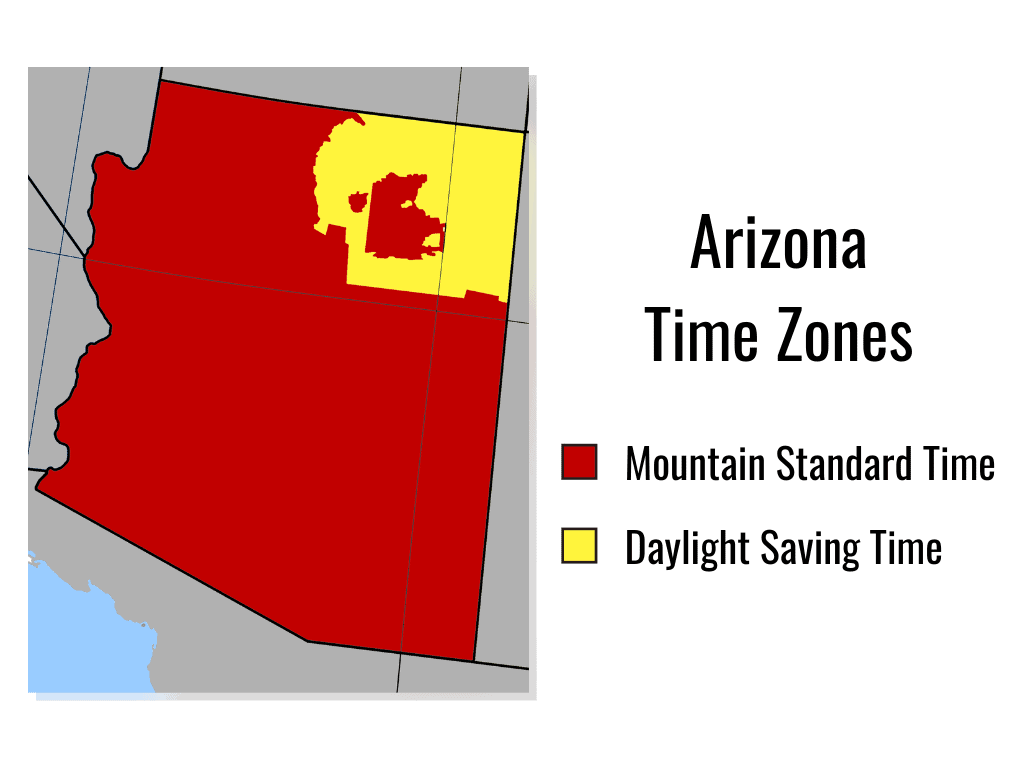
Adding another layer of complexity to Arizona’s time zone narrative is the unique situation within its borders, specifically concerning the Navajo Nation. This large semi-autonomous territory, which extends into New Mexico and Utah but is predominantly located within Arizona, does observe Daylight Saving Time.

This exception creates a fascinating “time warp” for travelers. When most of Arizona is on MST year-round (effectively PDT during DST), the Navajo Nation springs forward to Mountain Daylight Time (MDT). This means that for a significant portion of the year (mid-March to early November), the Navajo Nation is one hour ahead of the rest of Arizona.
The logistical implications are profound, especially for those visiting natural attractions such as Antelope Canyon or Monument Valley, which are located within the Navajo Nation. A tour scheduled for 9 AM in Page, Arizona (which follows Arizona’s non-DST rules), might mean a 10 AM start time once you cross into the Navajo Nation for the actual tour.
To further complicate matters, nestled within the Navajo Nation is the smaller Hopi Reservation. The Hopi Reservation, mirroring the rest of Arizona, does not observe Daylight Saving Time. This creates an extraordinary “time doughnut hole” where you can drive through Arizona’s non-DST time, enter the Navajo Nation (which does observe DST and is an hour ahead), and then enter the Hopi Reservation (which does not observe DST and reverts to the general Arizona time). While this might sound like a riddle, it highlights the importance of checking local times diligently when exploring these fascinating regions.
Practical Implications for Travelers to the Grand Canyon State
For travelers, the unique time zone situation in Arizona has several practical implications that, if overlooked, can lead to missed connections, late arrivals, or general confusion. A little foresight can ensure your trip remains seamless.
Planning Flights and Itineraries
One of the most critical areas impacted by Arizona’s time zone quirk is air travel. When booking flights, especially those with connections or originating from states that observe DST, always double-check the local arrival and departure times. A flight departing Los Angeles at 10 AM PDT will arrive in Phoenix at 10 AM MST during the summer months, but an individual accustomed to a time difference might mistakenly add an hour, causing a delay or missed connection for subsequent activities. Similarly, connecting flights through Denver or Salt Lake City during DST will involve a two-hour time difference, not one. Always confirm the local time displayed on your boarding pass and destination airport’s clocks.
Beyond flights, tour operators, activity bookings, and restaurant reservations throughout Arizona will always operate on local Arizona time. If you’re coming from a DST-observing state, remember to mentally adjust. For example, during summer, if your home is on PDT, then Arizona will be on the same time. If your home is on MDT, Arizona will be an hour behind.
Business Hours and Appointments
This time difference can also affect practical matters like bank hours, postal services, and especially appointments. If you’re scheduling a telehealth appointment or a business call with someone out-of-state, always confirm the agreed-upon time zone. Hospitals, government offices, and local businesses within Arizona will adhere strictly to MST year-round. This is particularly relevant for those on extended stays or conducting business remotely.
Communication with Out-of-State Contacts
Staying in touch with family and friends can become a minor logistical puzzle. If you’re calling from Phoenix to New York during the summer, there’s a three-hour difference (3 PM MST in Phoenix is 6 PM EDT in New York). If you’re calling California, there’s no difference (3 PM MST in Phoenix is 3 PM PDT in California). During the winter, the differences shift again: New York is two hours ahead, and California is an hour behind. Setting up a mental cheat sheet or using a world clock app can prevent accidental late-night calls or missed connections.
Navigating the Arizona Time Warp: Tips for a Seamless Visit
Despite its unique characteristics, navigating Arizona’s time zone doesn’t have to be daunting. With a few simple tips, travelers can ensure their visit is as smooth and enjoyable as possible.
Always Confirm Local Time
The most important advice is to always assume that any scheduled event, reservation, or tour time mentioned in Arizona is in local Arizona time (MST year-round). Modern smartphones and devices typically adjust automatically based on location, which is incredibly helpful. However, it’s always wise to double-check against a reliable source or by asking a local, especially when dealing with specific tour companies or attractions in remote areas. When making plans, specify “local Arizona time” to avoid ambiguity.
Be Aware of Internal Borders
When venturing into the northeastern part of the state, particularly near the Four Corners region, remember the Navajo Nation exception. If you’re visiting places like Monument Valley or Canyon de Chelly, assume they observe Daylight Saving Time and will be one hour ahead of the rest of Arizona during the spring and summer months. Your phone should adjust, but having a manual clock set to Navajo Nation time, or simply remembering the one-hour jump, can save you from missing a guided tour.
Embrace the Arizona Logic
Ultimately, Arizona’s choice to forgo Daylight Saving Time is designed to make life more comfortable for its residents, especially during the long, hot summers. The consistent, later sunsets during these months allow for cooler evening activities and a more relaxed pace of life. Embracing this logic, rather than fighting the perceived inconvenience, can enhance your understanding and enjoyment of the local culture.
In conclusion, while the question “Is Arizona Mountain Time or Pacific Time?” doesn’t have a simple, static answer, the underlying system is logically sound. Arizona remains on Mountain Standard Time year-round, which functionally aligns it with Pacific Daylight Time during DST and with Mountain Standard Time when DST is not in effect elsewhere. With the added nuance of the Navajo Nation’s adherence to DST, a bit of awareness is all it takes to smoothly navigate the temporal landscape of this breathtaking state. Plan accordingly, check your clocks, and prepare to be enchanted by the timeless beauty of Arizona.
LifeOutOfTheBox is a participant in the Amazon Services LLC Associates Program, an affiliate advertising program designed to provide a means for sites to earn advertising fees by advertising and linking to Amazon.com. Amazon, the Amazon logo, AmazonSupply, and the AmazonSupply logo are trademarks of Amazon.com, Inc. or its affiliates. As an Amazon Associate we earn affiliate commissions from qualifying purchases.