
For many embracing a lifestyle of extreme frugality, sustainable living, or even just curiosity, the practice of dumpster diving presents an intriguing proposition. The idea of rescuing perfectly usable items or edible food from the discard pile resonates with a growing number of individuals committed to reducing waste and stretching their budgets. However, before venturing into the realm of discarded goods in the Grand Canyon State, understanding the legal nuances is paramount. While the concept might seem straightforward – once something is thrown out, it’s fair game – the reality in Arizona and elsewhere is considerably more complex, weaving together property rights, trespassing laws, and local ordinances. This exploration aims to provide an insightful, professional overview for anyone considering this resourceful lifestyle choice within the state.

The Legal Framework: Abandoned Property vs. Private Property Rights
The foundational legal principle governing dumpster diving in the United States stems from the 1988 Supreme Court case, California v. Greenwood. In this landmark decision, the court ruled that individuals do not have a reasonable expectation of privacy for trash once it has been placed on a public curb for collection. This effectively deemed trash abandoned property, making it generally permissible for others to take it without violating privacy rights.
Understanding the “Abandoned Property” Principle
The core of the legal debate hinges on whether items placed in a dumpster are truly “abandoned.” Following California v. Greenwood, once waste is set out for collection in a publicly accessible area, it is generally considered abandoned. This means that, from a federal standpoint, taking items from a dumpster in such a location would not be considered theft, as the original owner has relinquished possession and intent to reclaim. However, this general principle comes with significant caveats, particularly concerning where the dumpster is located and local regulations.
The Critical Role of Location: Public vs. Private Property
While trash on a public curb might be fair game, the vast majority of dumpsters are situated on private property. This is where the primary legal challenge for dumpster divers arises. Most businesses, apartment complexes, and even some residential areas have their dumpsters located within the bounds of their private property, often behind fences, gates, or within designated service areas. Accessing these dumpsters without permission can quickly lead to charges of trespassing, which is illegal in Arizona.
Local Ordinances and Variations Across Arizona Cities
Beyond state laws regarding trespassing, individual cities and counties in Arizona can enact their own ordinances that further regulate waste disposal and collection. These local rules might impose restrictions on scavenging, particularly in commercial zones, or define specific parameters for what constitutes illegal interference with trash collection. For instance, while the state might not have a specific “no dumpster diving” law, a city like Phoenix or Tucson could have ordinances related to sanitation, public nuisance, or even specific commercial waste regulations that could indirectly prohibit or complicate dumpster diving. It is crucial for anyone considering this activity to research the specific municipal codes of the area they intend to explore.
Navigating the Practicalities: Trespassing, Business Policies, and Safety
Even if the contents of a dumpster are legally considered abandoned, the act of accessing them can still land a resourceful individual in legal trouble due to trespassing laws. Furthermore, businesses often have their own stringent policies regarding their waste, and engaging in dumpster diving can carry significant health and safety risks.
Trespassing: The Primary Legal Hurdle
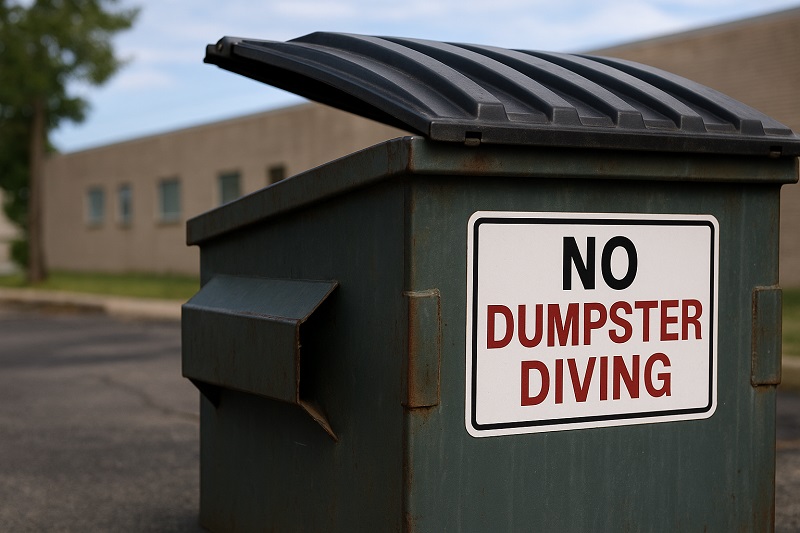
In Arizona, trespassing occurs when an individual enters or remains on private property without permission or authorization. This can apply to entering a fenced-off area, walking through a service alley marked for employees only, or even lingering near a dumpster on business property after hours. Many businesses explicitly post “No Trespassing” signs, which serve as clear legal warnings. Even without such signage, entering areas not generally open to the public can still be considered trespassing. Violations can range from civil infractions to misdemeanor charges, potentially resulting in fines or even jail time, depending on the severity and history of offenses. This makes the vast majority of commercial dumpster diving a legally precarious endeavor.
Business Policies and Their Enforcement
Regardless of the legality of the “abandoned” items, businesses have the right to manage their property and waste as they see fit. Many establishments, particularly grocery stores, restaurants, and retail outlets, have strict policies against individuals sifting through their dumpsters. These policies are often driven by concerns over liability (e.g., someone getting injured on their property), hygiene, proprietary information, and preventing theft. If confronted by a business owner or employee, even if you believe your actions are legal, it is always advisable to comply with their request to leave the premises. Persistent refusal to leave would unequivocally constitute trespassing. Some businesses also compact their trash or lock dumpsters specifically to deter divers and manage their waste more securely.
Health and Safety Risks: Beyond Legal Concerns
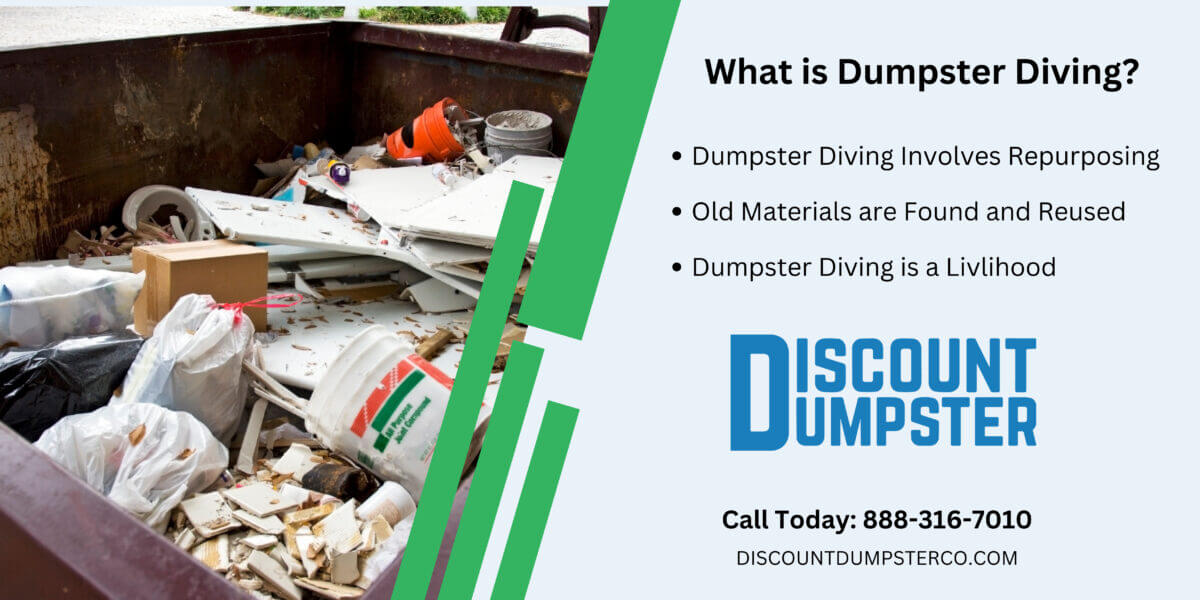
Beyond the legal implications, dumpster diving carries inherent health and safety risks that should not be overlooked by those pursuing a resourceful lifestyle.
- Physical Hazards: Dumpsters often contain sharp objects (broken glass, metal, discarded packaging), heavy items that can shift, and hazardous waste. Injuries from cuts, punctures, or being struck by falling objects are common.
- Hygiene and Contamination: The contents of dumpsters can be unsanitary, harboring bacteria, mold, pests, and decaying food. Contact with these materials poses risks of infection and illness, especially if consumable items are salvaged.
- Traffic and Environment: Dumpsters are typically located in loading docks, alleys, or parking lots, areas with heavy vehicle traffic and poor lighting, increasing the risk of accidents.
For those considering dumpster diving as part of a budget travel or sustainable lifestyle, these risks must be carefully weighed against the potential gains.
Alternative Avenues for Frugal Living and Waste Reduction
Given the legal complexities and safety concerns associated with dumpster diving, many individuals seeking to live resourcefully and minimize waste opt for alternative, safer, and legally sound methods. These approaches align with the spirit of budget travel and sustainable living without the associated risks.
Food Recovery Programs and Food Banks
Instead of retrieving discarded food from dumpsters, a more reliable and hygienic option is to utilize food recovery programs and local food banks. Organizations across Arizona, such as the St. Mary’s Food Bank Alliance in Phoenix or the Community Food Bank of Southern Arizona in Tucson, work directly with grocery stores and restaurants to rescue edible, surplus food that would otherwise be thrown away. These programs then distribute the food to individuals and families in need, ensuring it meets safety standards. This approach directly addresses food waste and provides support to the community in a legal and safe manner.
Gleaning, Community Gardens, and Urban Foraging
For those interested in food acquisition, gleaning involves collecting leftover crops from farmers’ fields after they have been commercially harvested. Many farms, especially in agricultural areas surrounding cities like Yuma or Casa Grande, participate in such programs, often coordinated by volunteer groups. Similarly, participating in community gardens allows individuals to grow their own food or share in the harvest. Urban foraging, while requiring knowledge of local edible plants and their locations, can provide fresh produce and connect individuals with nature, usually without legal complications if done on public land and with respect for property.
Online Freecycling and Donation Networks
The digital age offers numerous platforms for acquiring free items. Websites and apps dedicated to “freecycling,” “buy nothing” groups, or local classifieds (Craigslist, Facebook Marketplace) often feature individuals giving away furniture, electronics, clothing, and other household goods. This is a secure, legal, and community-driven way to obtain items that would otherwise end up in landfills, fostering a circular economy. Donating unwanted items to thrift stores or charities also ensures they find a second life.
Embracing a Sustainable and Frugal Lifestyle: Beyond the Dumpster
The desire to dumpster dive often stems from a commendable drive for sustainability, resourcefulness, and financial prudence. While the direct legality of dumpster diving in Arizona remains highly nuanced and fraught with legal risks due to trespassing, the underlying philosophy of minimizing waste and maximizing resources is increasingly relevant in modern society.
Holistic Frugality: Making Every Dollar Count
For those pursuing a budget-conscious lifestyle, especially travelers, genuine frugality extends far beyond seeking free discards. It encompasses mindful spending, smart budgeting, DIY solutions, and leveraging community resources. This might include cooking at home instead of eating out, finding free local attractions, utilizing public transport, or opting for long-term stays in budget-friendly accommodations. These practices offer sustainable savings without legal or safety concerns.
Minimizing Waste for a Better Tomorrow
The broader goal of waste reduction is best achieved through proactive measures rather than reactive scavenging. This involves:
- Reducing Consumption: Buying less and buying mindfully.
- Reusing and Repairing: Extending the life of products through maintenance and repair.
- Recycling and Composting: Properly sorting waste to ensure materials are processed and returned to the economy or natural cycles.
- Supporting Sustainable Businesses: Patronizing companies with strong waste reduction and ethical sourcing practices.
By focusing on these proactive steps, individuals can make a significant positive impact on their budget and the environment in ways that are consistently legal, safe, and community-supportive.
In conclusion, while the principle of abandoned property established by California v. Greenwood provides a federal backdrop, the practical legality of dumpster diving in Arizona is largely restricted by state trespassing laws and local ordinances. The vast majority of commercially available dumpsters are on private property, making access without permission illegal. Given the legal risks, potential fines, and significant health and safety hazards, individuals are strongly encouraged to explore the many legitimate and equally impactful avenues for frugal living and waste reduction available throughout Arizona and beyond.
LifeOutOfTheBox is a participant in the Amazon Services LLC Associates Program, an affiliate advertising program designed to provide a means for sites to earn advertising fees by advertising and linking to Amazon.com. Amazon, the Amazon logo, AmazonSupply, and the AmazonSupply logo are trademarks of Amazon.com, Inc. or its affiliates. As an Amazon Associate we earn affiliate commissions from qualifying purchases.