
The vibrant flavors and aromas of [Arizona]’s kitchens are a direct consequence of its strategic location, bordering [Mexico] and serving as a historical crossroads for various cultures. This confluence has nurtured a distinctive regional cuisine characterized by fresh ingredients, bold spices, and a deeply ingrained sense of community. Understanding what [Arizona] is known for food-wise means delving into these foundational influences, appreciating how they intertwine to create dishes that are both comforting and exhilarating, familiar yet uniquely [Arizonan].
The Enduring Legacy of Mexican and Sonoran Influences
The culinary soul of [Arizona] is undeniably deeply intertwined with its southern neighbor, [Mexico], particularly the state of [Sonora]. This cross-border relationship has shaped the flavors, techniques, and staples of [Arizona]’s most iconic dishes, giving rise to what is often celebrated as [Sonoran]-style Mexican food. This regional variation is distinct from other Mexican cuisines, characterized by its reliance on beef, wheat flour tortillas, and milder chili preparations, though still packed with profound flavor.
Iconic Sonoran Dishes: From Chimichangas to Hot Dogs
When discussing [Arizona]’s food, the [Chimichanga] inevitably comes up. While its exact origin is debated, many claim [Tucson] as its birthplace. This deep-fried burrito, typically filled with shredded beef or chicken, beans, and cheese, then topped with sour cream, guacamole, and salsa, is a quintessential [Arizonan] comfort food. Its crispy exterior yielding to a savory, tender interior makes it a must-try for any visitor. The [Chimichanga] perfectly encapsulates the hearty, satisfying nature of [Sonoran] cuisine.
Another surprising yet celebrated staple is the [Sonoran Hot Dog]. A beloved street food, this isn’t just any hot dog. It features a hot dog wrapped in bacon, grilled to perfection, then nestled in a soft, bolillo-style bun. What truly sets it apart are the toppings: pinto beans, grilled onions, fresh tomatoes, jalapeño sauce, mustard, and mayonnaise. This vibrant medley of flavors and textures is a testament to the innovative spirit of [Sonoran] street food culture, flourishing particularly in cities like [Tucson] and [Phoenix].
Spice and Flavor Profile: Chiles, Cheese, and Freshness
The foundation of [Sonoran] cuisine in [Arizona] relies heavily on a specific set of ingredients that define its flavor profile. Mild red chiles are frequently used, providing warmth rather than overwhelming heat, allowing other flavors to shine. Cheese, often Monterey Jack or cotija, is liberally applied, adding a creamy richness to many dishes. Fresh ingredients like ripe tomatoes, onions, cilantro, and limes are indispensable, brightening and balancing the robust flavors.
The use of mesquite wood for grilling also imparts a distinctive smoky flavor, particularly to meats. Carne asada, marinated and grilled steak, is a ubiquitous dish, often served in tacos or burritos. This focus on fresh, high-quality ingredients, combined with traditional cooking methods, results in food that is both deeply satisfying and refreshingly authentic.
Native American Culinary Traditions: A Taste of the Land
Long before European influences arrived, the indigenous peoples of [Arizona] cultivated a rich and resourceful food culture deeply connected to the land. Their traditional knowledge of local plants, sustainable farming practices, and ingenious cooking methods forms another foundational layer of [Arizona]’s unique culinary identity. Today, many Native American ingredients and dishes are experiencing a resurgence, celebrated for their nutritional value and historical significance.
Staples and Specialties: Fry Bread and The Three Sisters
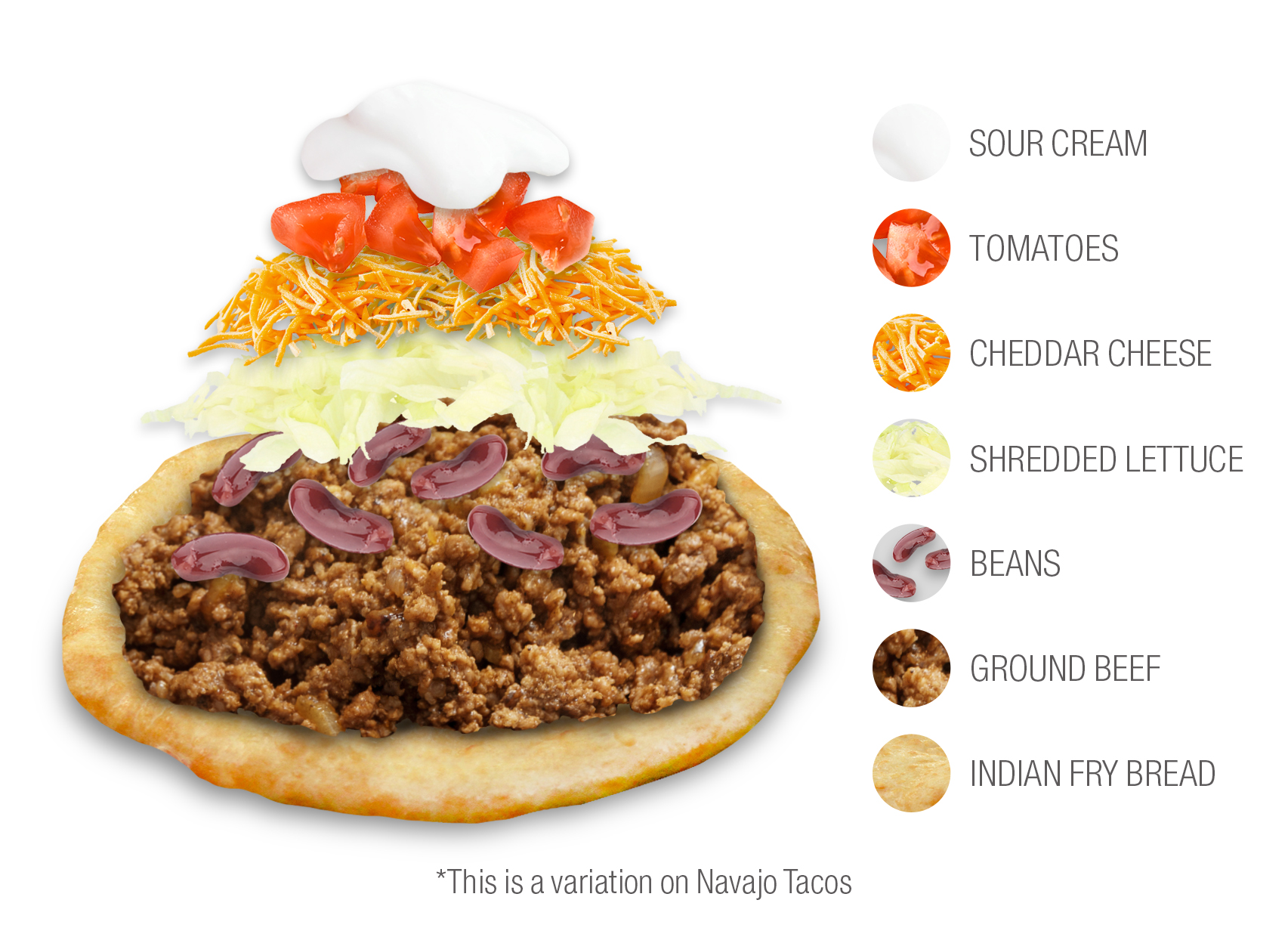
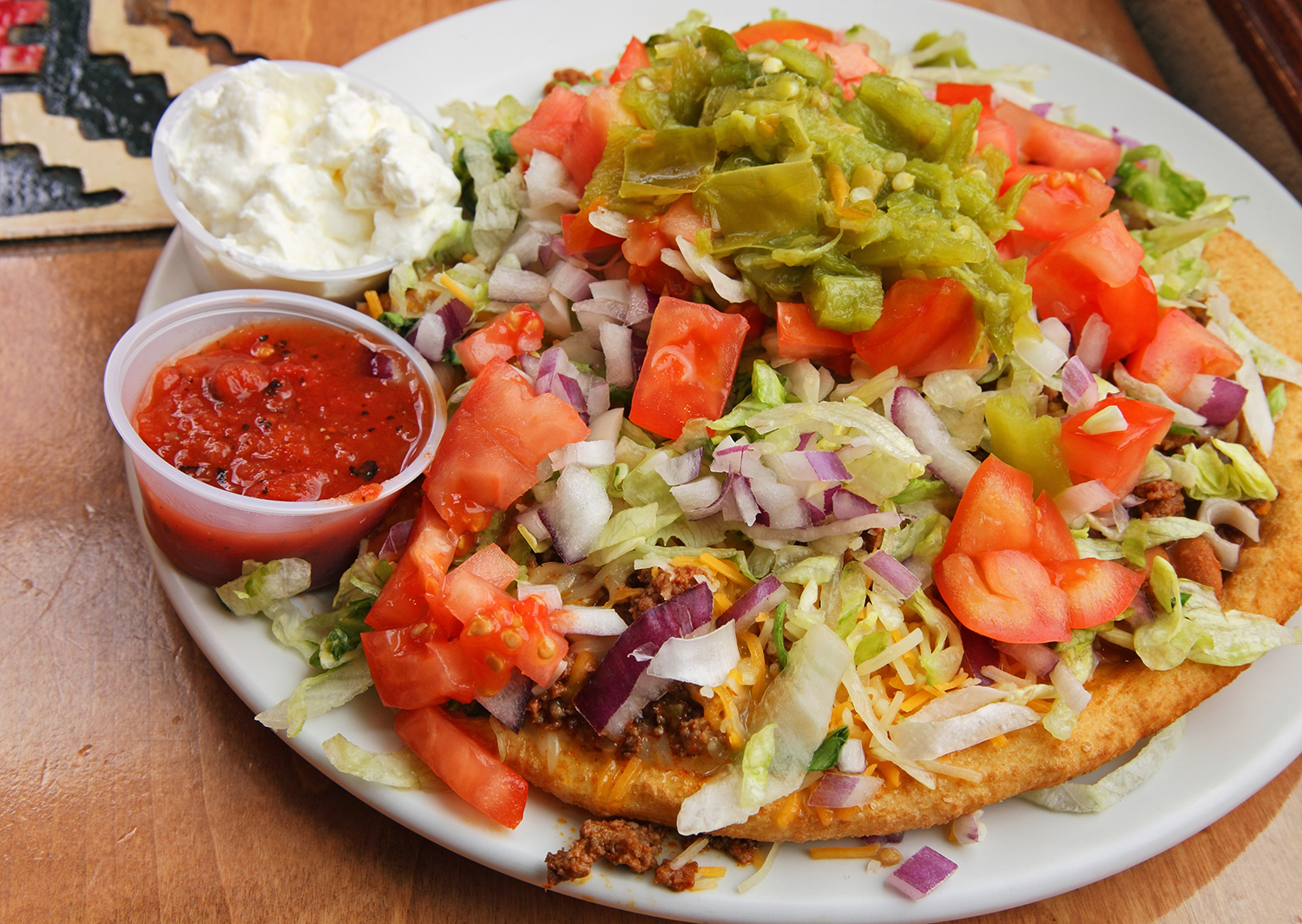
One of the most widely recognized Native American foods in [Arizona] is [Fry Bread]. While it has become synonymous with powwows and cultural events across the United States, its origins and cultural significance run deep within various tribal communities. This simple yet delicious dish of leavened dough, deep-fried until golden and puffy, can be enjoyed sweet with honey or powdered sugar, or savory as the base for a “Navajo Taco,” topped with ground meat, beans, lettuce, cheese, and salsa. It’s a versatile food that symbolizes resilience and community.
Beyond [Fry Bread], the traditional agricultural practices of tribes like the [Hopi] and [Navajo Nation] revolved around what is known as “The Three Sisters”: corn, beans, and squash. These three crops were planted together, forming a symbiotic relationship that sustained communities for centuries. These staples continue to feature prominently in traditional dishes, from hearty stews and porridges to baked goods. Blue corn, in particular, is a prized ingredient, used in everything from tortillas to piki bread – a paper-thin, delicate bread with a unique preparation method.
Modern Interpretations and Indigenous-Inspired Dining
Today, there’s a growing movement to revitalize and reinterpret Native American cuisine, moving beyond historical context to innovative dining experiences. Chefs in [Arizona] are embracing indigenous ingredients like tepary beans, cholla buds, mesquite flour, and [Prickly Pear] fruit, incorporating them into contemporary dishes. This not only preserves culinary heritage but also introduces these unique, often highly nutritious, ingredients to a broader audience.
These restaurants offer a chance to explore flavors that are truly indigenous to the [Southwest], providing insights into a food culture that is both ancient and evolving. Dining at such establishments is not merely eating; it’s an educational and cultural experience, highlighting the ingenuity and wisdom of [Arizona]’s first inhabitants.
Beyond the Border: American Southwest Fusion and Local Bounty
While Mexican and Native American traditions form the backbone of [Arizona]’s food scene, the broader [Southwest] influence, coupled with modern culinary trends, has added further layers of complexity and flavor. This fusion often involves incorporating ingredients and techniques from other American regions while maintaining a distinct [Arizonan] character.
Regional Delicacies and Desert-Inspired Flavors

One of [Arizona]’s most distinctive natural ingredients is the [Prickly Pear] cactus fruit. This vibrant magenta fruit, with its sweet and earthy flavor, is utilized in a myriad of ways. You’ll find it in everything from jams, jellies, and candies to syrups for margaritas, cocktails, and even ice cream. Its striking color and unique taste make it a beloved symbol of [Arizona]’s desert landscape.
Date palms, particularly abundant in areas like [Yuma] and [Bard], also contribute to [Arizona]’s sweet side. Date shakes, thick and creamy concoctions made from dates, milk, and ice cream, are a popular treat, especially in the warmer months. These regional delicacies offer a direct taste of the desert’s bounty.
Farm-to-Table Movement and Local Produce
The burgeoning farm-to-table movement has also found a fertile ground in [Arizona]. Despite its arid climate, specific agricultural regions and innovative farming techniques allow for a surprising variety of local produce. Farmers’ markets in cities like [Phoenix], [Scottsdale], and [Tucson] are vibrant hubs where chefs and home cooks alike can source fresh, seasonal ingredients. These include citrus fruits, leafy greens, artisan cheeses, and locally raised meats. This commitment to fresh, local produce ensures that [Arizona]’s culinary creations are not only flavorful but also sustainable and reflective of the region’s agricultural capabilities.
Arizona’s Sweet Side & Unique Drinks
No culinary exploration is complete without delving into the desserts and beverages that define a region. [Arizona] offers a delightful array of sweets and drinks that perfectly complement its savory dishes and reflect its unique climate and culture.
Distinctive Sweets and Refreshing Treats
Building on the Mexican influence, [Churro] variations are popular throughout [Arizona]. Whether served simply dusted with cinnamon sugar, filled with dulce de leche, or incorporated into more elaborate dessert creations, churros offer a satisfying crunch and warmth. Beyond churros, you’ll find a wide range of pastries and dulces ([Mexican] sweets) in panaderías across the state.
The [Prickly Pear] also makes a significant appearance in desserts. From sorbets and cheesecakes to flavored candies and pastries, its unique flavor profile and vibrant color make for visually appealing and delicious treats. Many local ice cream parlors and bakeries craft seasonal desserts featuring this iconic fruit.
Local Brews, Wines, and Coffee Culture
[Arizona]’s craft beverage scene has exploded in recent years. Microbreweries across the state, particularly in [Phoenix], [Tucson], and [Flagstaff], produce a diverse range of beers, often incorporating local ingredients or Southwestern flavors. From crisp lagers to robust IPAs and experimental brews, there’s a craft beer to suit every palate.Furthermore, [Arizona] has a surprisingly robust wine region, primarily in the southeastern part of the state near [Sonoita] and [Willcox]. Wineries here are gaining national recognition for producing high-quality varietals, benefiting from the unique high-desert terroir. Wine tasting tours offer a different perspective on [Arizona]’s agricultural prowess.
For coffee enthusiasts, [Arizona]’s major cities boast a thriving independent coffee shop scene. Beyond standard brews, many establishments offer creative coffee concoctions, often incorporating local flavors or catering to the desert climate with refreshing cold brews and iced beverages.
Culinary Hotspots and Experiences
To truly experience [Arizona]’s food culture, one must explore its diverse dining landscapes. From bustling metropolitan centers to quaint historic towns, each location offers a unique flavor of the state’s gastronomic identity.
Major Food Cities: Phoenix, Tucson, and Scottsdale
[Phoenix], the state capital, is a sprawling metropolis with an incredibly dynamic food scene. Here, you’ll find everything from upscale fine dining establishments pushing the boundaries of [Southwest] fusion to humble, family-run Mexican restaurants serving generational recipes. The city’s diverse population ensures a constant influx of new culinary ideas, making it a hotspot for food innovation.
[Tucson], recognized as a UNESCO City of Gastronomy, holds a special place in [Arizona]’s culinary heart. Its designation underscores its deep commitment to preserving and promoting its food heritage, particularly its [Sonoran] and Native American roots. [Tucson]’s food scene is more traditional and deeply authentic, offering an unparalleled experience for those seeking genuine [Sonoran] cuisine and a taste of ancient indigenous foods.
[Scottsdale], known for its luxury resorts and vibrant nightlife, also offers a sophisticated dining experience. Its restaurants often blend high-end contemporary cuisine with Southwestern flair, attracting celebrity chefs and gourmands. From trendy gastropubs to elegant steakhouses with a desert twist, [Scottsdale] caters to a more refined palate.
Food Festivals and Markets: Celebrating Arizona’s Bounty
Throughout the year, [Arizona] hosts numerous food festivals that celebrate its culinary diversity. Events like the [Tucson] Meet Yourself festival, the [Scottsdale] Culinary Festival, and various chili cook-offs bring communities together to share and enjoy the best of [Arizonan] food and drink. These festivals are fantastic opportunities to sample a wide array of dishes, meet local chefs and producers, and immerse oneself in the state’s vibrant food culture.
Farmers’ markets, as mentioned, are also crucial. They provide direct access to the state’s agricultural bounty, fostering a deeper connection between consumers and their food sources. Visiting these markets is not just about shopping; it’s an experience that highlights the seasonality and freshness integral to [Arizona]’s cuisine.
In conclusion, what [Arizona] is known for food-wise is a rich and complex tapestry woven from its historical ties to [Mexico], its deep indigenous roots, and its evolving American [Southwest] identity. From the comforting warmth of a [Chimichanga] to the inventive flair of a [Sonoran Hot Dog], the ancient wisdom embedded in [Fry Bread], and the vibrant sweetness of [Prickly Pear] desserts, [Arizona]’s food scene is a flavorful journey waiting to be savored. It’s a testament to how culture, geography, and history can converge to create a truly unforgettable culinary landscape, inviting every visitor to taste the diverse heritage of the Grand Canyon State.
LifeOutOfTheBox is a participant in the Amazon Services LLC Associates Program, an affiliate advertising program designed to provide a means for sites to earn advertising fees by advertising and linking to Amazon.com. Amazon, the Amazon logo, AmazonSupply, and the AmazonSupply logo are trademarks of Amazon.com, Inc. or its affiliates. As an Amazon Associate we earn affiliate commissions from qualifying purchases.