
Planning a trip to the sun-drenched landscapes and vibrant city life of Phoenix, Arizona? As you map out your itinerary, from exploring the desert trails to indulging in urban culinary delights, one crucial detail might spark a moment of confusion: its time zone. Unlike many places across the United States, Phoenix operates on a unique temporal rhythm, an essential piece of information for any savvy traveler. This distinctive approach to timekeeping is not merely a technicality but influences everything from flight scheduling to sunset dining experiences, shaping the very fabric of your visit.
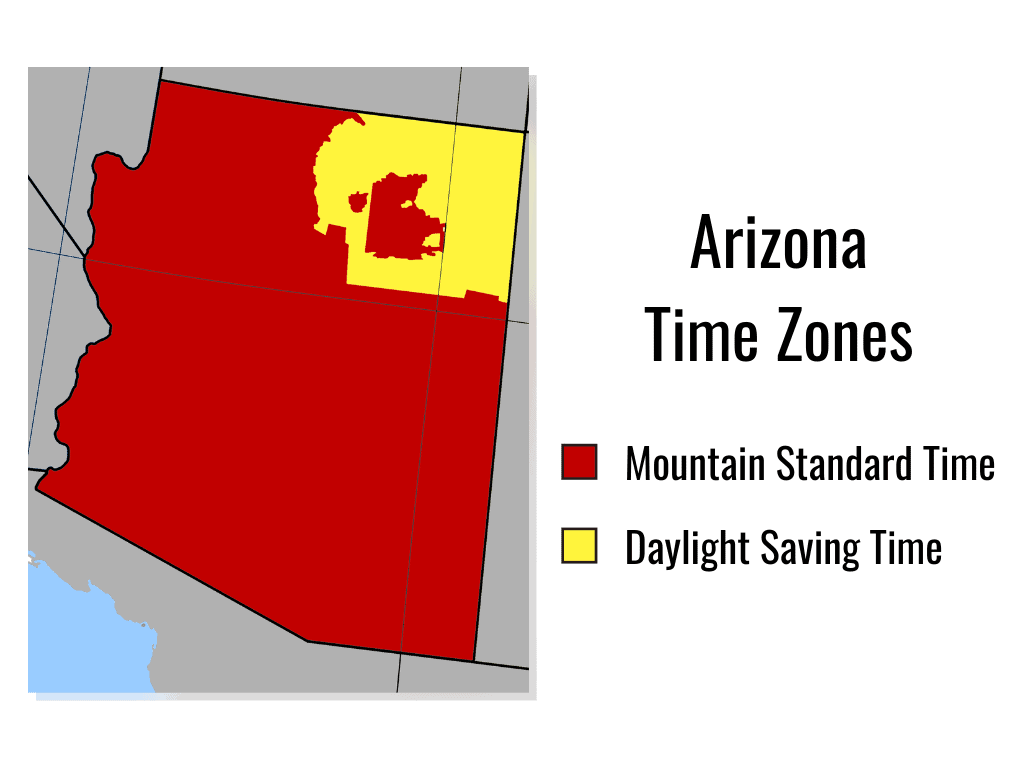
The answer, in its elegant simplicity, is that Phoenix, Arizona observes Mountain Standard Time (MST) year-round. This means it does not participate in Daylight Saving Time (DST). This unwavering commitment to a single time zone throughout the year sets Phoenix apart and offers both subtle challenges and distinct advantages for travelers. Understanding this unique characteristic is key to a seamless and enjoyable journey to the Valley of the Sun.
Unraveling Arizona’s Unique Timekeeping
The decision for much of Arizona to forgo the bi-annual time shift is rooted in practical considerations and historical context. This choice profoundly impacts how the state, and particularly its bustling capital, Phoenix, functions and interacts with the rest of the nation.
The Evergreen MST: No Daylight Saving Time
Mountain Standard Time (MST) is generally seven hours behind Coordinated Universal Time (UTC-7). When most of the United States “springs forward” for Daylight Saving Time (DST) in March, adjusting clocks an hour ahead, Phoenix steadfastly remains on MST. Conversely, when other states “fall back” in November, returning to standard time, Phoenix again finds itself in sync with the Mountain Time Zone.
The primary reason for Arizona’s opt-out from DST, effective since 1967, is rooted in its extreme summer heat. During the scorching summer months, an extra hour of daylight in the evening would mean more hours of intense sunlight pushing temperatures even higher, leading to increased energy consumption for air conditioning and prolonged discomfort for residents and visitors alike. By not observing DST, the sun sets an hour earlier in summer compared to DST-observing regions, effectively shifting the hottest part of the day earlier and allowing for cooler evenings to begin sooner. This provides a more comfortable environment for outdoor activities and conserves energy, aligning with the local lifestyle and climate.
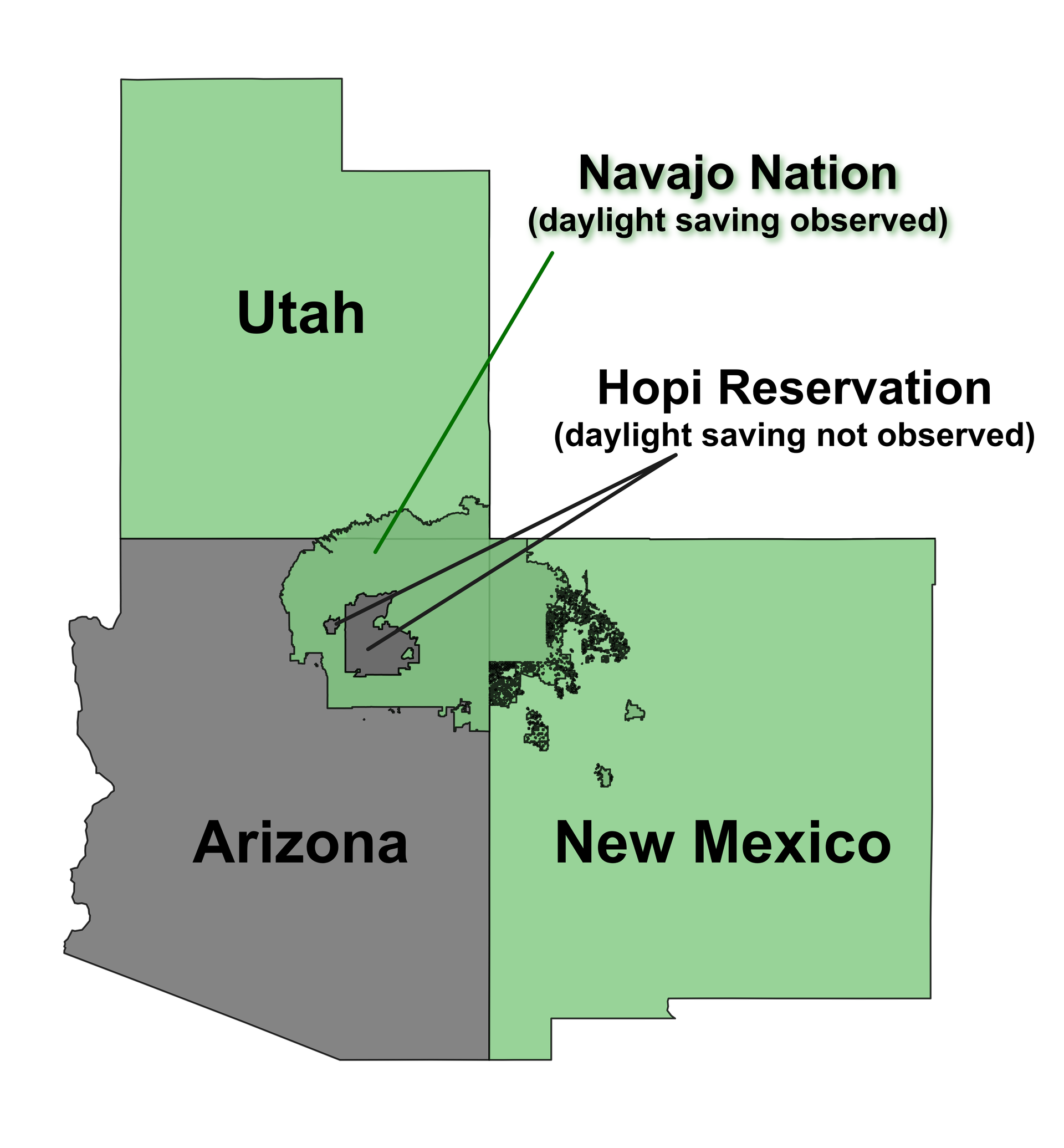
It’s important for travelers to note that there is one exception within Arizona: the Navajo Nation. This autonomous tribal land, largely situated in the northeastern part of Arizona, does observe Daylight Saving Time (DST) to synchronize with the Navajo communities in neighboring states, which can create a temporary “time island” within the state. However, for those visiting Phoenix and the vast majority of Arizona’s popular destinations like the Grand Canyon or Sedona, this exception rarely comes into play unless traveling extensively through the Navajo lands.
A Tale of Two Time Zones (and a Half): Understanding the Implications
Because Phoenix stays on Mountain Standard Time (MST) all year, its time relationship with other parts of the country shifts seasonally:
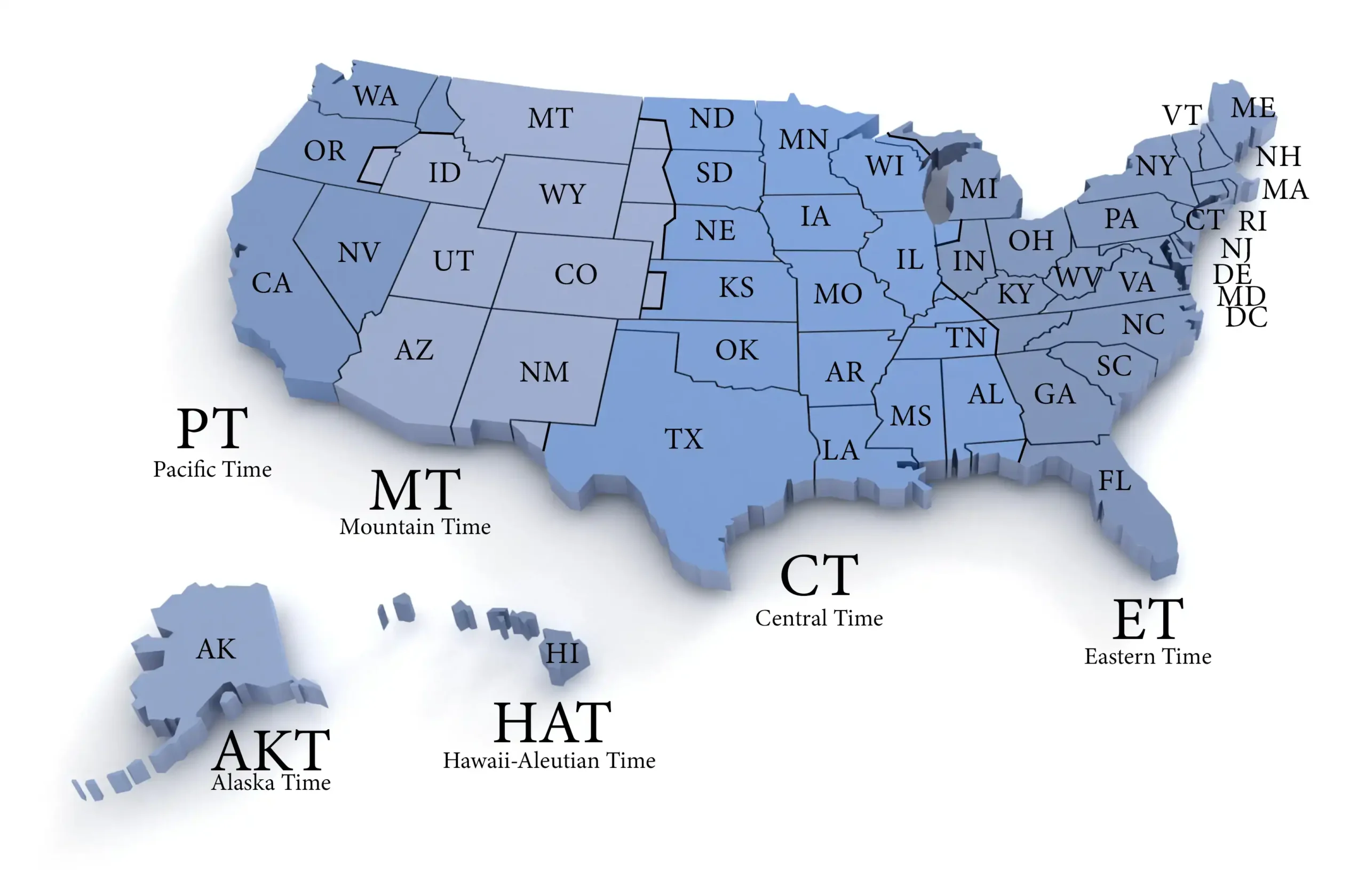
- During Standard Time (Winter Months): From roughly November to March, Phoenix is aligned with the rest of the Mountain Time Zone (e.g., Denver, Salt Lake City). It is one hour ahead of Pacific Standard Time (PST) (e.g., Los Angeles, Las Vegas), two hours behind Central Standard Time (CST) (e.g., Chicago), and three hours behind Eastern Standard Time (EST) (e.g., New York City).
- During Daylight Saving Time (Summer Months): From roughly March to November, Phoenix does not advance its clocks. This is where the unique aspect becomes most apparent.
- Same as Pacific Daylight Time (PDT): During this period, Phoenix will be on the same time as areas observing Pacific Daylight Time (PDT) (e.g., California, Nevada). This means travelers from the West Coast might experience less immediate time confusion when arriving in Phoenix during the summer.
- One Hour Behind Mountain Daylight Time (MDT): Phoenix will be one hour behind regions that move to Mountain Daylight Time (MDT) (e.g., Colorado, Utah).
- Two Hours Behind Central Daylight Time (CDT): Phoenix will be two hours behind areas observing Central Daylight Time (CDT).
- Three Hours Behind Eastern Daylight Time (EDT): Phoenix will be three hours behind areas observing Eastern Daylight Time (EDT).
This seasonal shift in relative time differences requires travelers to be particularly mindful, especially when coordinating with people or schedules outside of Arizona during the summer months.
Navigating Travel with Phoenix’s Time Zone
For travelers, understanding Phoenix’s steadfast adherence to MST year-round is not just a point of trivia; it’s a practical necessity that can impact various aspects of their trip, from initial planning to daily activities.
Planning Your Arrival and Departure
When booking flights to Phoenix Sky Harbor International Airport, always pay close attention to the arrival and departure times listed, taking into account your originating time zone and the current season. If you are flying in from a state that observes Daylight Saving Time (DST) during the summer, remember that your internal clock might be one hour ahead of Phoenix time upon arrival. This can lead to minor confusion with pre-booked transportation, hotel check-ins, or scheduled meetings if not accounted for.
For instance, a flight from Los Angeles (which observes PDT in summer) to Phoenix (on MST year-round) will operate as if there is no time difference during that period. However, a flight from Denver (on MDT in summer) to Phoenix will effectively land an hour earlier by the clock than the flight duration implies, because Phoenix will be an hour behind Denver. Always double-check your arrival time against your Phoenix hotel reservation or car rental pickup to ensure a smooth transition.
Synchronizing Activities and Experiences
The consistent time zone in Phoenix actually simplifies local activity planning once you’ve adjusted. However, coordination with external parties still requires diligence. When booking tours, restaurant reservations, or tickets to attractions like the Heard Museum or the Phoenix Art Museum, always confirm the local Phoenix time.
For outdoor adventures, especially popular hiking trails such as those on Camelback Mountain or in South Mountain Park and Preserve, the lack of DST means that summer mornings start a bit “earlier” relative to many other states, making it easier to begin activities before the intense midday heat sets in. Conversely, evenings in summer offer extended twilight hours due to the later natural sunset, perfect for enjoying outdoor dining or stargazing.
Business and Communication Across Time Zones
For business travelers or those maintaining contact with colleagues, family, or friends outside Arizona, the time zone differential requires conscious management. When scheduling calls, virtual meetings, or simply communicating with individuals in DST-observing areas, particularly during the summer, remember the hourly difference. A “2 PM MST” call with Phoenix during summer would be 2 PM PDT for Los Angeles but 3 PM MDT for Denver and 5 PM EDT for New York City. Clear communication specifying the time zone (e.g., “2 PM Phoenix time”) can prevent missed connections and ensure smooth coordination.
The Broader Impact on the Phoenix Lifestyle and Travel Experience
Beyond mere scheduling, Phoenix’s time zone choice subtly shapes the city’s unique ambiance and lifestyle, offering a distinct rhythm that travelers can embrace.
Embracing the Perpetual Afternoon Glow
The absence of Daylight Saving Time (DST) in Phoenix means that during the longest days of summer, the sun still sets at a relatively “early” local time compared to what it would be if DST were observed. While this might seem counterintuitive for those seeking long summer evenings, it actually shifts the peak heat to earlier in the afternoon, allowing for earlier, more comfortable outdoor activities once temperatures begin to drop. This creates a delightful rhythm where the intense midday heat passes, and a comfortable, prolonged twilight period sets in, perfect for evening strolls, al fresco dining, or poolside relaxation without feeling rushed. It fosters a relaxed, almost perpetual afternoon glow that defines summer evenings in Phoenix.
A Unique Rhythmic Advantage for Visitors
For travelers, this consistent time offers a subtle but significant advantage: stability. There’s no need to adjust to a time shift during your stay, regardless of when you visit. This means less confusion for your body clock and a more immediate immersion into the local pace of life. For those arriving from the Pacific Time Zone during summer, the complete synchronization of time zones simplifies arrival and departure, potentially minimizing jet lag and allowing for a quicker start to their Phoenix adventure. The predictability of the time zone contributes to a more straightforward and less stressful travel experience, allowing visitors to focus on enjoying the destination rather than fretting over time changes.
Practical Tips for Travelers to Phoenix
To ensure your trip to Phoenix is as smooth as the desert horizon, keep these practical tips in mind regarding its distinctive time zone.
Your Time Zone Checklist
- Confirm All Bookings: When reserving anything from flights and hotels to restaurant tables and tour slots, always verify the time against Phoenix’s local time. It’s often helpful to explicitly ask, “Is this Phoenix time?”
- Set Devices to Automatic: Most smartphones and smart devices will automatically adjust to the correct time zone when you arrive. Ensure your settings allow for automatic time zone updates to avoid manual errors. However, be aware that some older devices or apps might occasionally misinterpret Arizona’s DST rules, so a quick manual check upon arrival is always wise.
- Communicate Clearly: If you’re coordinating with people outside Arizona, particularly during summer months when DST is active elsewhere, specify ” Phoenix time” or ” MST ” to eliminate ambiguity.
- Use a World Clock App: For complex itineraries involving multiple time zones or frequent communication with others, a world clock app can be an invaluable tool to quickly compare Phoenix time with other locations.
Exploring Beyond Phoenix: What About the Rest of Arizona?
It’s important to remember that the vast majority of Arizona adheres to the same MST year-round policy as Phoenix. This includes popular tourist destinations such as the majestic Grand Canyon, the spiritual red rock country of Sedona, and the southern desert metropolis of Tucson. So, as you venture out from Phoenix to explore other wonders of the state, you generally won’t encounter any further time zone shifts, unless you specifically enter the Navajo Nation. This consistent time across most of the state further simplifies multi-destination trips within Arizona.
In conclusion, the distinctive time zone of Phoenix, Arizona — Mountain Standard Time (MST) all year, with no Daylight Saving Time (DST) — is a unique aspect of this desert gem. While it may require a moment of adjustment for travelers from DST-observing regions, especially during the summer, this consistent approach ultimately simplifies planning and contributes to the relaxed, unhurried pace of life in the Valley of the Sun. By keeping this key detail in mind, you can ensure your travel to and around Phoenix is as smooth and enjoyable as the legendary Arizona sunsets. Embrace the evergreen MST, and immerse yourself fully in all that Phoenix has to offer.
LifeOutOfTheBox is a participant in the Amazon Services LLC Associates Program, an affiliate advertising program designed to provide a means for sites to earn advertising fees by advertising and linking to Amazon.com. Amazon, the Amazon logo, AmazonSupply, and the AmazonSupply logo are trademarks of Amazon.com, Inc. or its affiliates. As an Amazon Associate we earn affiliate commissions from qualifying purchases.