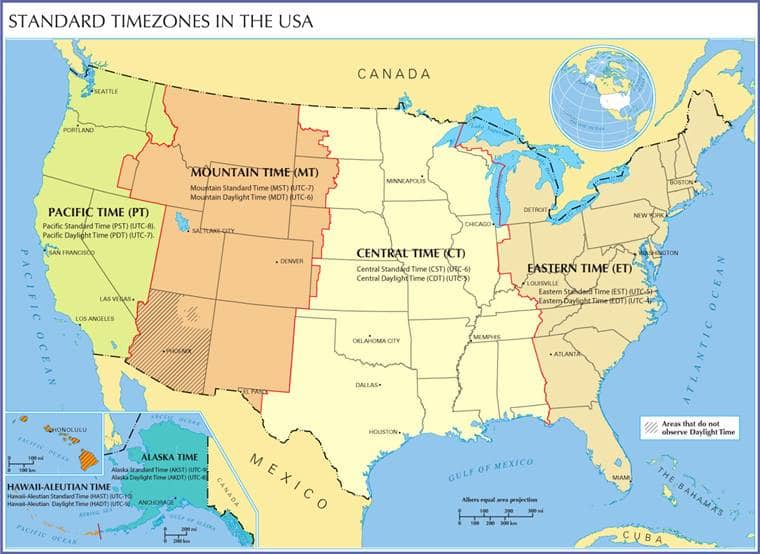
Arizona, often celebrated for its breathtaking landscapes, vibrant culture, and year-round sunshine, holds another unique distinction that frequently puzzles visitors: its distinctive approach to time. Unlike most of the United States, Arizona largely observes Mountain Standard Time (MST) throughout the entire year, opting out of Daylight Saving Time (DST). This seemingly minor detail can have significant implications for travel planning, business schedules, and even the simplest daily activities during your stay. Understanding Arizona’s time zone quirks is crucial for a seamless and stress-free experience, ensuring you’re always on schedule whether you’re catching a flight, dining at a popular restaurant, or embarking on a desert adventure.
This guide delves into the intricacies of Arizona’s time zone, offering insights for every type of traveler – from those planning a luxurious resort escape to budget-conscious adventurers. We’ll explore the practical impacts on flights, hotel bookings, local tourism, and even cultural experiences, helping you align your internal clock with the rhythms of the Grand Canyon State.
Understanding Arizona’s Unique Time: A Year-Round MST Experience
The core of Arizona’s time zone identity lies in its consistent adherence to Mountain Standard Time (MST) throughout the entire year. This means that while much of the country springs forward in March and falls back in November, Arizona remains steadfast.
Mountain Standard Time Explained
Mountain Standard Time (MST) is generally seven hours behind Coordinated Universal Time (UTC-7). During the winter months, from early November to mid-March, this aligns Arizona with its neighboring states that observe MST, such as Colorado, New Mexico, and Utah. During this period, Arizona’s time is straightforward and in sync with the mountain region.
The Daylight Saving Time Exemption
The real distinction arises when Daylight Saving Time (DST) begins. Most states that observe MST switch to Mountain Daylight Time (MDT), which is UTC-6. However, Arizona does not make this switch. Consequently, from mid-March to early November, Arizona effectively operates on the same time as Pacific Daylight Time (PDT), which is also UTC-7. This means if you’re traveling from California or Nevada during summer, there’s no time change when you cross into Arizona. Conversely, if you’re coming from states like Colorado or Utah during DST, you’ll need to set your clock back an hour upon entering Arizona.
The decision to forgo Daylight Saving Time dates back to 1968. One of the primary reasons is the intense summer heat in Arizona. Shifting the clock forward would mean an extra hour of daylight in the evening, extending the period of extreme heat later into the night and increasing energy consumption for air conditioning. By staying on MST, residents and visitors benefit from cooler evening temperatures arriving earlier, making outdoor activities more pleasant and reducing strain on the power grid. This choice reflects a deep understanding of the local climate and a commitment to practical living, influencing everything from daily routines to tourism schedules.
The Navajo Nation Anomaly: A Critical Exception
While Arizona as a whole eschews Daylight Saving Time, there’s one significant exception that every traveler, particularly those exploring the northern parts of the state, must be aware of: the Navajo Nation.
The Navajo Nation, a sovereign territory spanning parts of Arizona, Utah, and New Mexico, observes Daylight Saving Time. This means that during the months when DST is active (mid-March to early November), the Navajo Nation operates on Mountain Daylight Time (MDT), which is one hour ahead of the rest of Arizona.
This anomaly is particularly important because the Navajo Nation encompasses several popular tourist destinations, including parts of the Grand Canyon, Antelope Canyon, and Monument Valley. If you’re planning a tour or a reservation within these areas, it’s absolutely essential to confirm the local time. Imagine booking a sunrise tour for Antelope Canyon based on Phoenix time, only to find you’re an hour late because the tour operator on the Navajo Nation is an hour ahead!
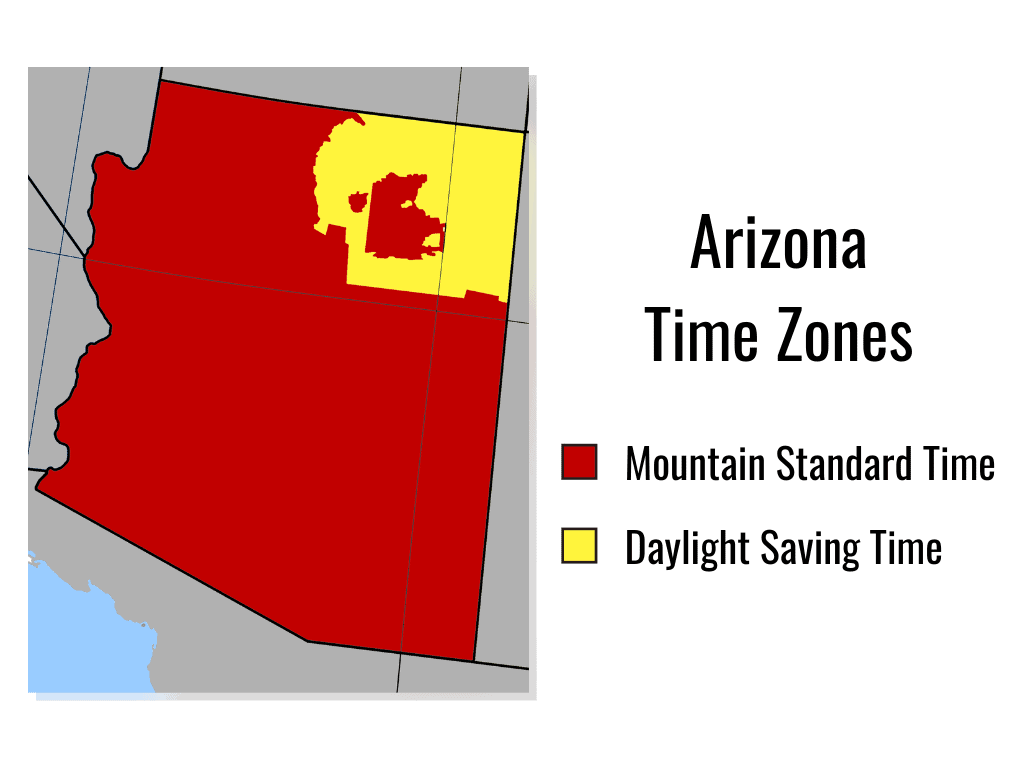
To further complicate matters, the Hopi Tribe, whose reservation is entirely surrounded by the Navajo Nation in Arizona, does not observe Daylight Saving Time. This creates a temporal “doughnut hole” effect, where you might pass through three different time zones (non-DST Arizona -> DST Navajo Nation -> non-DST Hopi Tribe -> DST Navajo Nation -> non-DST Arizona) on a relatively short drive. While most travelers won’t venture deep into the Hopi Reservation, it underscores the complexity of timekeeping in this part of the country. Always double-check times with local businesses, tour operators, and accommodations when traveling through these regions.
Practical Implications for Travelers: Staying on Schedule
The unique time zone situation in Arizona requires careful consideration, especially for travelers used to the predictable seasonal shifts of Daylight Saving Time. From flight schedules to dining reservations, failing to account for the time difference can lead to missed connections, forfeited bookings, or simply unnecessary stress.
Synchronizing Your Schedule: Flights and Appointments
- Flights: When booking flights to or from Arizona, especially during the DST months, pay close attention to the arrival and departure times. If your origin city observes DST, and Arizona does not, there will be a one-hour difference compared to what you might expect based on geographical proximity. For example, if you’re flying from Denver (MDT) to Phoenix (MST) in July, a 10:00 AM departure from Denver might mean an 10:00 AM arrival in Phoenix after a two-hour flight, as Phoenix is an hour behind Denver during this period. Conversely, flying from Los Angeles (PDT) to Phoenix (MST) in July means no time change, so a flight from 10:00 AM Los Angeles arriving at 12:00 PM Phoenix is a two-hour flight. Always confirm with your airline and check local times.
- Hotel Check-in/Check-out: While most hotels operate on local time, be mindful if you’re arriving from a different time zone. Your internal clock might be off, but the hotel’s 3:00 PM check-in time remains firm. Similarly, if you have an early morning flight, remember that the hotel’s breakfast hours or shuttle services will adhere to local Arizona time.
- Business Meetings and Tours: For business travelers, miscalculating a meeting time could be disastrous. Ensure all remote participants are aware of Arizona’s non-observance of DST. For leisure travelers, guided tours, timed entry tickets to attractions like the Grand Canyon or Hoover Dam, and spa appointments are all strictly scheduled. Verify the time zone in advance, especially for activities within the Navajo Nation.
Daily Rhythms: Dining and Entertainment
- Dining Reservations: Arizona’s vibrant culinary scene, from fine dining in Scottsdale to authentic Mexican cuisine in Tucson, often requires reservations. Ensure your booking aligns with local time. An 8:00 PM reservation booked from a DST state will be an hour earlier by your body clock upon arrival, potentially impacting your plans for pre-dinner drinks or post-dinner entertainment.
- Events and Attractions: Concerts, sporting events, museum operating hours, and even sunset viewing times are all based on Arizona local time. The benefit of not observing DST during summer is that the sun sets an hour “earlier” by the clock, making those famous Arizona sunsets more accessible at a conventional hour. This is particularly appealing for families or those seeking early evening activities. For example, a sunset hike in Sedona at 7:00 PM local time might feel like 8:00 PM if you’re coming from a DST state, offering a more comfortable schedule.
Planning Your Arizona Adventure: Tips for Seamless Travel
A little preparation goes a long way when navigating Arizona’s time zone. Incorporating a few simple strategies into your travel planning can save you headaches and ensure a relaxing and enjoyable trip.
Time Zone Tools and Apps
Modern technology is your best friend.
- Smartphone Settings: Ensure your phone’s time zone settings are set to “automatic” or specifically to Phoenix or Arizona time. Most smartphones will adjust correctly upon crossing state lines, but it’s always good to double-check.
- World Clock Apps: Utilize world clock apps to easily compare Arizona time with your home time, or with the Navajo Nation’s time, especially if your itinerary includes a multi-region visit.
- Smartwatches: Many smartwatches automatically update time zones, providing a quick reference on your wrist.
Communicating Across Time Zones
- Family and Friends: If you’re communicating with people outside Arizona, remember the time difference. During DST, when the rest of the Mountain Time Zone is an hour ahead, and the Pacific Time Zone is the same time, it can get confusing. Clearly state “Arizona time” when making plans or setting call times.
- Business Contacts: For business travelers, explicit communication is vital. When scheduling conference calls or virtual meetings, always specify the time zone (e.g., “3:00 PM [MST]”). This clarity prevents misunderstandings and missed connections. The impact on business stays and corporate travel can be significant, especially for companies with offices across multiple time zones or for remote workers.
Embracing Arizona Time: Lifestyle and Tourism
Beyond the practicalities, Arizona’s unique time zone contributes to its distinctive lifestyle and enhances certain aspects of tourism. It’s a subtle element that shapes daily routines, recreational activities, and even how visitors experience the state’s natural beauty.
Experiencing Arizona’s Attractions
- Outdoor Activities: The decision not to observe DST means that during the warmer months, the hottest part of the day effectively ends “earlier” by the clock, making late afternoon and early evening outdoor activities more comfortable. This is perfect for hiking in Camelback Mountain near Phoenix, exploring the red rocks of Sedona, or enjoying the cooler temperatures around Flagstaff. Visitors can often enjoy extended daylight without the intense heat that would accompany it if DST were observed.
- Resort Amenities and Events: Many of Arizona’s world-class resorts, such as the Hyatt Regency Scottsdale Resort & Spa at Gainey Ranch or The Phoenician, a Luxury Collection Resort, Scottsdale, offer extensive activities from golf to spa treatments. Their schedules are meticulously planned around local time, allowing guests to maximize their enjoyment of amenities. Understanding the time ensures you won’t miss a yoga class or your tee time.
- Stargazing: Arizona boasts some of the clearest night skies in the country, especially around Flagstaff, which is an official International Dark Sky City. The non-observance of DST means darkness arrives at a more conventional hour during summer, facilitating earlier stargazing opportunities for families and astronomy enthusiasts without having to stay up excessively late.
Adjusting Your Body Clock
For many travelers, particularly those on long-term stays or family trips, adjusting to a new time zone can be challenging.
- Gradual Adjustment: If possible, try to adjust your sleep schedule a day or two before your trip. Shift your bedtime and wake-up time closer to Arizona time.
- Embrace the Sun: Upon arrival, spend time outdoors in the natural light. This helps reset your circadian rhythm. Arizona’s abundant sunshine is perfect for this.
- Hydration and Light Meals: Stay well-hydrated and opt for lighter meals, especially on travel days, to minimize jet lag symptoms.
The unique time zone of [Arizona](https://lifeoutofthebox.com/arizona] is more than just a quirky detail; it’s an integral part of the state’s identity and climate-conscious lifestyle. For travelers, understanding this distinction is key to a smooth and enjoyable visit, whether you’re exploring the ancient wonders of the Navajo Nation, basking in the luxury of a Scottsdale resort, or embarking on an adventurous hike near Grand Canyon National Park. By paying attention to the local time, especially during Daylight Saving Time periods, you can fully immerse yourself in all that the Grand Canyon State has to offer without missing a beat. So, set your watches, double-check your itineraries, and prepare to experience the timeless beauty of Arizona on its own unique schedule.