
Embarking on a journey to the enchanting landscapes of Arizona promises an unforgettable experience, from the awe-inspiring depths of the Grand Canyon National Park to the vibrant art scenes of Scottsdale and the spiritual vortexes of Sedona. As travelers plan their escape to the Grand Canyon State, one peculiar detail often surfaces, sparking curiosity and sometimes a bit of confusion: Arizona’s unique relationship with time. Unlike most of the United States, Arizona largely observes Mountain Standard Time (MST) year-round, eschewing the practice of Daylight Saving Time (DST). This seemingly minor detail carries significant implications for travel planning, coordination, and even the daily rhythm of life for both residents and visitors alike.
Understanding Arizona’s time zone policy is not merely an academic exercise; it’s a practical necessity for anyone looking to seamlessly navigate their travel itinerary, from catching flights and booking tours to syncing up with loved ones across different states. While the concept might initially seem straightforward, the presence of the Navajo Nation within Arizona, which does observe DST, adds another layer of complexity to this desert state’s temporal landscape. This comprehensive guide will unravel the intricacies of Arizona’s time zone, offering insights into its history, its practical effects on tourism and local life, and essential tips for ensuring your Arizona adventure is perfectly timed.
Understanding Arizona’s Unique Time Zone Status
The question “What time zone is Arizona?” often elicits a straightforward answer: Mountain Standard Time (MST). However, the story runs a little deeper, involving a blend of geographical logic, historical precedent, and a unique cultural exception that makes Arizona a fascinating case study in timekeeping.
The Basics: Mountain Standard Time (MST) Year-Round
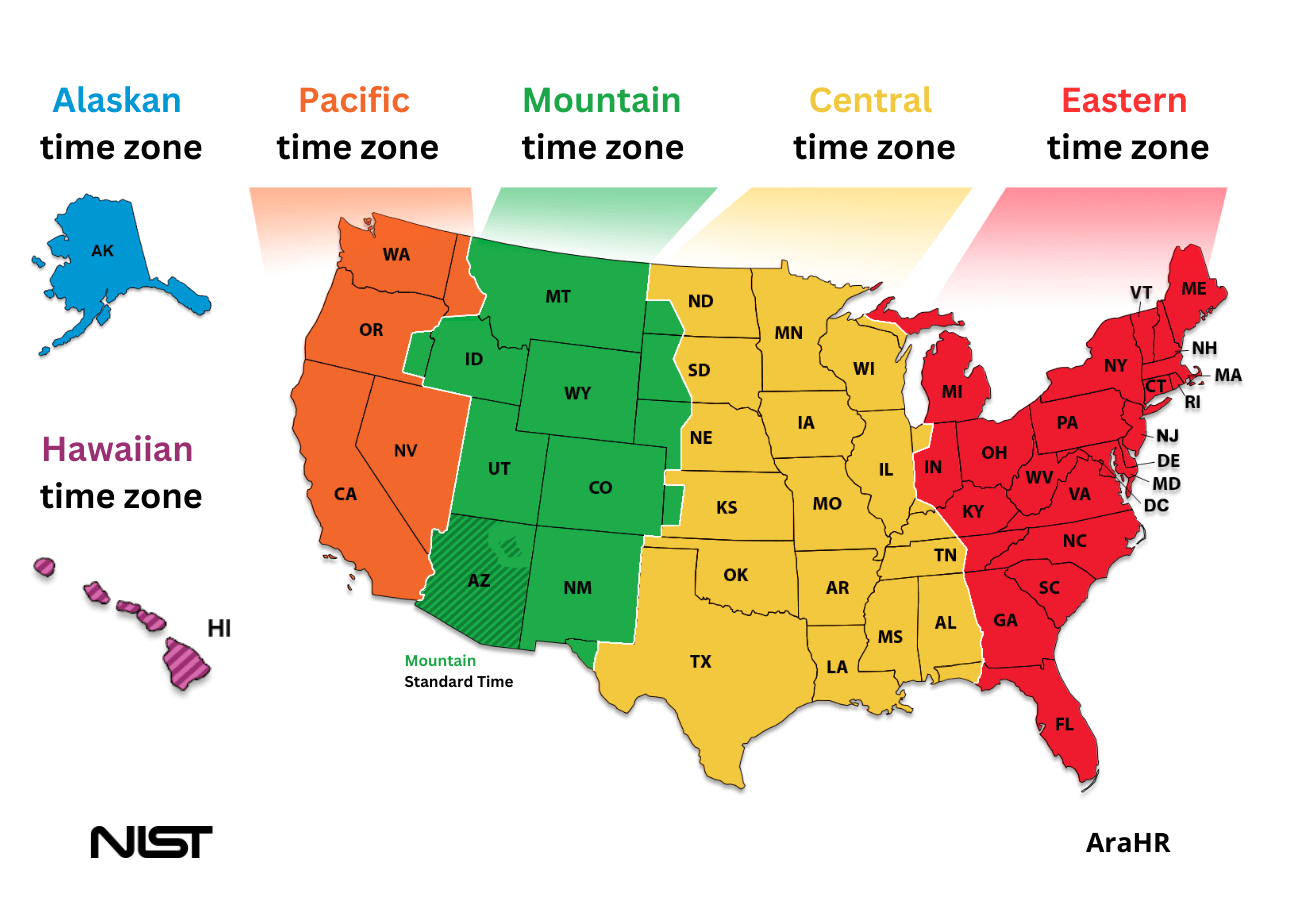
At its core, mainland Arizona operates on Mountain Standard Time (MST) throughout the entire year. MST is equivalent to Coordinated Universal Time (UTC) minus 7 hours (UTC-7) or Greenwich Mean Time (GMT) minus 7 hours (GMT-7). This means that when most of the United States “springs forward” for Daylight Saving Time in March and “falls back” in November, Arizona largely remains unchanged.
The decision to opt out of Daylight Saving Time dates back to the 1960s, a period when the Uniform Time Act mandated DST observance across the United States. Arizona’s reasoning for its exemption is primarily rooted in its extreme summer heat. During the scorching summer months, temperatures frequently soar above 100°F (38°C). Shifting clocks forward would mean the sun sets an hour later, effectively extending daylight into the hottest part of the evening. This would increase demand for air conditioning, drive up energy consumption, and keep people outdoors and exposed to intense heat for longer periods. By remaining on MST year-round, Arizona ensures that sunset occurs earlier in the evening, aligning better with natural cooling patterns and encouraging residents and visitors alike to enjoy outdoor activities during the cooler morning hours.
This consistent timekeeping simplifies many aspects of life in Arizona. During the winter months, Arizona aligns with Mountain Standard Time, just like neighboring states such as Utah, Colorado, and New Mexico. However, when DST kicks in, Arizona’s time syncs with Pacific Daylight Time (PDT), making it an hour behind Nevada and California in winter, but the same time as those states during summer. This dynamic shift means that travelers often need to pay close attention to the time difference depending on the season and their origin point.
The Navajo Nation Exception
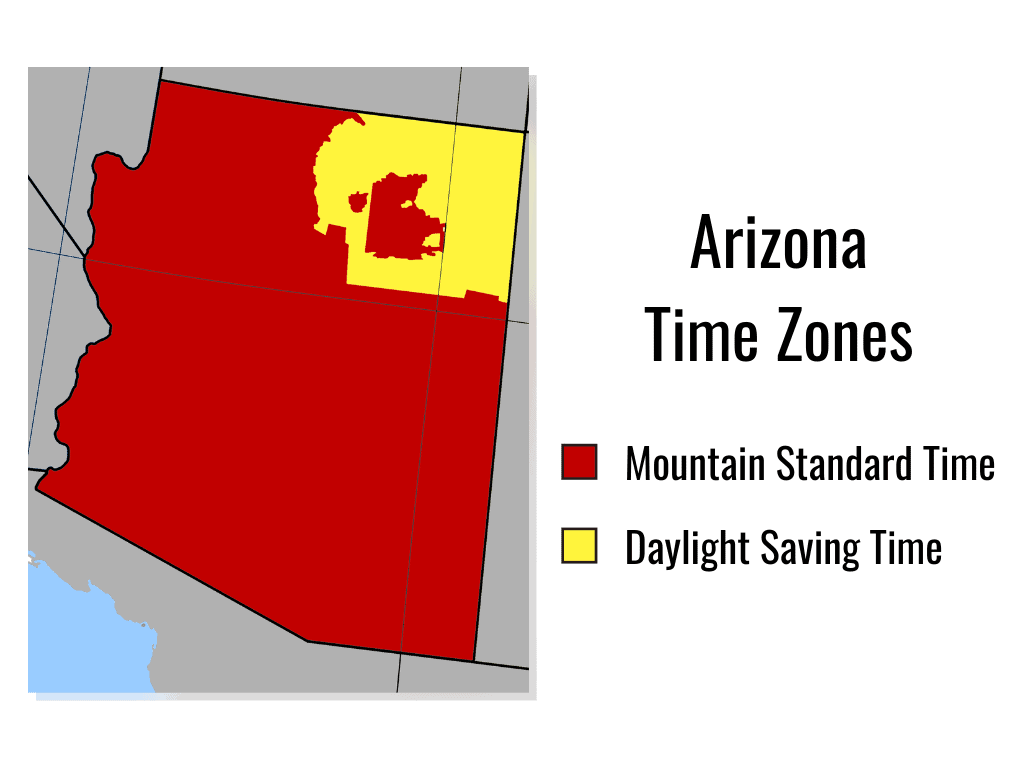
Just when the time zone situation seems clear, the landscape shifts with the mention of the Navajo Nation. This autonomous tribal land, which spans across northeastern Arizona, southeastern Utah, and northwestern New Mexico, does observe Daylight Saving Time. The decision for the Navajo Nation to adhere to DST is largely practical, driven by the need to align with surrounding tribal and state entities, particularly those in New Mexico and Utah, for administrative and economic consistency.
This unique situation creates a “time island” within Arizona. For approximately half the year, from March to November, if you drive into the Navajo Nation from other parts of Arizona, you will need to adjust your clock forward by one hour. Conversely, when leaving the Navajo Nation and re-entering the rest of Arizona, you’ll turn your clock back one hour. This can be particularly significant for travelers visiting iconic sites like Monument Valley, Antelope Canyon near Page, or Canyon de Chelly National Monument, all of which lie within the Navajo Nation or on its borders.
To add another layer of complexity, nestled entirely within the Navajo Nation in Arizona is the land of the Hopi Tribe. The Hopi Tribe, similar to the rest of non-Navajo Nation Arizona, does not observe Daylight Saving Time. This means that if you were to travel from Flagstaff (MST, no DST) into the Navajo Nation (MDT, with DST) and then into the Hopi Tribe’s land (MST, no DST), you would need to adjust your clock forward one hour, then back one hour, all within a relatively short drive. While this scenario is less common for the average tourist, it vividly illustrates the intricate temporal tapestry of Arizona.

Navigating Time for Your Arizona Travel Plans
For travelers, Arizona’s unique time zone situation, especially the Navajo Nation exception, necessitates a bit of pre-planning and awareness. However, with a few simple considerations, you can ensure your trip runs smoothly without missing a single sunrise hike or reservation.
Planning Your Itinerary
The primary impact of Arizona’s time zone quirk is on planning and coordination, especially if your journey spans different regions or involves precise timings.
- Flights and Arrivals: If you’re flying into Phoenix Sky Harbor International Airport or Tucson International Airport, remember to factor in the time difference from your departure city. During DST, if you’re coming from California or Nevada, there will be no time change. However, if you’re flying from a Mountain Daylight Time (MDT) state like Colorado or Utah during DST, Arizona will be an hour behind. Always confirm your arrival time in local Arizona time.
- Tours and Activities: Many popular attractions, particularly those offering timed entry or guided experiences like Antelope Canyon tours, Grand Canyon National Park rafting trips, or hot air balloon rides in Sedona, operate on strict schedules. Always double-check the time zone specified by the tour operator. This is especially critical for attractions within or bordering the Navajo Nation, where a one-hour difference can easily lead to a missed booking. For instance, if you book an Antelope Canyon tour for 9 AM, ensure you know if that’s Navajo Nation time or local Arizona time. Most operators will specify, but it’s always best to verify.
- Business and Appointments: For those traveling to Arizona for business, coordinating meetings and calls requires careful consideration of time zones. A conference call scheduled for 10 AM MDT from Denver would be 9 AM MST in Phoenix.
- Coordination with Family and Friends: If you’re meeting up with others from different states or making calls back home, remember the time difference. During DST, your 5 PM call from Phoenix to someone in New York would be 8 PM for them, not 7 PM as it would be during standard time.
Practical Tips for Travelers
To simplify your experience and avoid any temporal mishaps, keep these practical tips in mind:
- Always Confirm Local Times: When making reservations for hotels, flights, tours, or dining, explicitly ask or look for confirmation of the time in local Arizona time. This is the most crucial step.
- Set Devices to Automatic: Most smartphones and smartwatches automatically adjust to the local time zone. Ensure your device’s settings are configured for automatic time updates, and double-check it upon arrival. While this helps with the main Arizona time, it might not always correctly register the specific Navajo Nation boundary.
- Be Aware of the Navajo Nation: If your itinerary includes Monument Valley, Antelope Canyon, Lake Powell, or other sites within the Navajo Nation, mentally prepare for a one-hour time shift during Daylight Saving Time months. Road signs might even indicate the change.
- Consider Impact on Sleep: For travelers arriving from significantly different time zones (e.g., from the East Coast of the United States or international destinations like Europe or Asia), jet lag can be compounded by the time change. Arizona’s consistent MST helps, but adjusting your internal clock is still essential.
- Carry a Traditional Watch: For those who prefer a fail-safe, a traditional watch set to local Arizona time can serve as a reliable backup.
Arizona’s Allure: Beyond the Time Zone Conundrum
While understanding Arizona’s time zone dynamics is vital for seamless travel, it’s merely a small detail in the grand tapestry of experiences the state offers. Arizona is a world-class destination celebrated for its diverse landscapes, rich cultural heritage, and vibrant lifestyle, making it a bucket-list item for travelers worldwide.
Top Destinations and Attractions
Arizona’s reputation as a premier travel destination is well-earned, with an array of attractions that cater to every type of explorer.
- Grand Canyon National Park: Arguably the state’s most iconic landmark, the Grand Canyon National Park is a geological marvel. Visitors can hike its challenging trails, take scenic drives along its rim, or even experience a breathtaking helicopter tour. Accommodation within the park, such as El Tovar Hotel or Bright Angel Lodge, offers unparalleled access to its beauty.
- Sedona: Famed for its striking red rock formations and alleged spiritual vortexes, Sedona is a haven for outdoor enthusiasts, artists, and those seeking spiritual rejuvenation. Hiking, mountain biking, art galleries, and spa retreats are popular activities here.
- Phoenix & Scottsdale: The heart of urban Arizona, these twin cities offer a vibrant blend of luxury resorts, championship golf courses, upscale dining, and cultural attractions. The Desert Botanical Garden and Taliesin West, Frank Lloyd Wright’s winter home, are must-visits.
- Tucson: Nestled in the Sonoran Desert, Tucson boasts a rich blend of Native American, Spanish, and Mexican influences. It’s home to Saguaro National Park, where towering saguaro cacti dot the landscape, and the historic Mission San Xavier del Bac, often called the “White Dove of the Desert.” Tucson is also recognized as a UNESCO City of Gastronomy for its exceptional culinary scene.
- Page: Gateway to some of the most photographed natural wonders, Page offers access to the mesmerizing slot canyons of Antelope Canyon, the iconic Horseshoe Bend overlooking the Colorado River, and the vast recreational opportunities of Lake Powell.
Accommodation and Lifestyle
Arizona caters to every travel lifestyle and budget, from opulent resorts to charming boutique stays and adventure-focused accommodations.
- Luxury Resorts: For those seeking an indulgent escape, Scottsdale and Phoenix are replete with world-class resorts like the Four Seasons Resort Scottsdale, The Phoenician, and Sanctuary Camelback Mountain. These properties often feature lavish suites, championship golf courses, award-winning spas, and exquisite dining, providing a quintessential luxury travel experience.
- Boutique Hotels and Charming Inns: In towns like Sedona or Prescott, travelers can find unique boutique hotels and historic inns that offer a more personalized and intimate experience, often reflecting the local culture and artistic flair.
- Vacation Rentals and Apartments: For families, longer stays, or those preferring self-catering options, vacation rentals, apartments, and villas are widely available, providing flexibility and a home-away-from-home feel. Websites like VRBO or Airbnb offer numerous choices.
- Camping and Glamping: Near national parks and wilderness areas, camping and glamping sites offer immersive outdoor experiences, allowing visitors to connect with Arizona’s stunning natural beauty, from stargazing in the desert to waking up near a pine forest.
- Budget-Friendly Options: Throughout the state, a range of motels, budget hotels, and hostels provide affordable accommodation for travelers looking to explore Arizona without breaking the bank.
Culinary Delights and Cultural Experiences
Arizona’s vibrant culture extends to its culinary scene and diverse activities.
- Southwestern Cuisine: The state’s food reflects its rich history, blending Native American, Mexican, and cowboy influences. Don’t miss out on authentic Sonoran hot dogs in Tucson, savory enchiladas, flavorful tacos, and unique ingredients like prickly pear.
- Native American Culture: Explore the heritage of Arizona’s indigenous peoples by visiting tribal lands, museums, and cultural centers. The native arts and crafts, traditional dances, and historical sites offer deep insights into centuries of tradition.
- Outdoor Adventures: Beyond hiking, Arizona offers rock climbing, canyoneering, whitewater rafting, hot air ballooning, and even winter sports in higher elevations around Flagstaff. The clear desert nights also make for exceptional stargazing opportunities.
- Wellness and Spas: Many resorts specialize in wellness retreats, offering desert-inspired spa treatments, yoga, and meditation programs that leverage the serene natural environment.
Making the Most of Your Arizona Adventure
The time zone in Arizona, with its no-DST policy and the intriguing Navajo Nation exception, is undoubtedly a distinctive characteristic of the state. While it demands a brief moment of consideration during trip planning, it is ultimately a minor detail in the face of the vast and varied wonders that await visitors. From the ancient geological formations of the Grand Canyon National Park to the lush saguaro forests of Saguaro National Park, and from the upscale urban experiences of Phoenix and Scottsdale to the spiritual retreats of Sedona, Arizona offers an unparalleled array of travel experiences.
By keeping the time zone specifics in mind—especially when traversing the unique boundary of the Navajo Nation—travelers can ensure that their itineraries unfold smoothly and that every precious moment of their journey is enjoyed to the fullest. So set your watches (or let your smartphone do the work), embrace the warmth of the sun-drenched landscapes, and prepare for an unforgettable adventure in a state where time, in its own peculiar way, adds to the charm and intrigue. Arizona beckons with its timeless beauty and modern comforts, promising a journey filled with discovery, relaxation, and awe-inspiring memories.
LifeOutOfTheBox is a participant in the Amazon Services LLC Associates Program, an affiliate advertising program designed to provide a means for sites to earn advertising fees by advertising and linking to Amazon.com. Amazon, the Amazon logo, AmazonSupply, and the AmazonSupply logo are trademarks of Amazon.com, Inc. or its affiliates. As an Amazon Associate we earn affiliate commissions from qualifying purchases.