
Planning a trip to the Sonoran Desert jewel of Tucson, Arizona, inevitably brings one crucial question to the forefront: “What’s the weather like?” Understanding Tucson’s unique desert climate is paramount to maximizing your travel experience, ensuring you pack appropriately, plan the right activities, and appreciate the distinct beauty of this Southwestern city. Far from a monotonous landscape, Tucson’s weather patterns offer a diverse range of experiences throughout the year, from mild, sun-drenched winters to intense, dramatic summer monsoons. This guide delves into the climatic intricacies of Tucson, providing an insightful look at what to expect in every season and how to best prepare for your desert adventure.
Understanding Tucson’s Desert Climate: A Year-Round Perspective
Tucson is nestled within the heart of the Sonoran Desert, a unique and vibrant ecosystem known for its striking biodiversity and, of course, its arid climate. This desert environment dictates much of Tucson’s weather, characterized by abundant sunshine, significant diurnal temperature swings, and distinct wet and dry seasons.
The Sonoran Desert’s Unique Influence
Unlike some other deserts, the Sonoran Desert receives two distinct rainy seasons, which contribute to its lushness relative to other arid regions. These rainfall patterns, coupled with low humidity for much of the year, create a climate that is both challenging and exhilarating for travelers. The surrounding mountain ranges, including the Santa Catalina, Rincon, Tucson, and Santa Rita mountains, also play a crucial role, influencing local weather patterns and offering cooler escapes at higher elevations.
Key Climatic Characteristics
- Sunshine: Tucson boasts an average of over 300 sunny days per year, making it one of the sunniest cities in the United States. This consistent sunshine is a major draw for visitors seeking to escape colder climates.
- Low Humidity: For most of the year, humidity levels are remarkably low, making even higher temperatures feel more tolerable than in humid climates. This also contributes to rapid cooling once the sun sets.
- Diurnal Temperature Swings: A hallmark of desert climates, Tucson experiences significant temperature differences between day and night. It’s not uncommon for daytime highs to drop by 20-30 degrees Fahrenheit after sunset, even in summer.
- Distinct Seasons: While primarily hot and dry, Tucson experiences four discernible seasons, each offering a different facet of its desert charm. These include mild winters, warm springs, scorching summers with monsoons, and pleasant falls.
Seasonal Breakdown: What to Expect When You Visit
Each season in Tucson presents a distinct set of weather conditions, influencing the types of activities and experiences available. Understanding these patterns is key to planning your ideal desert getaway.
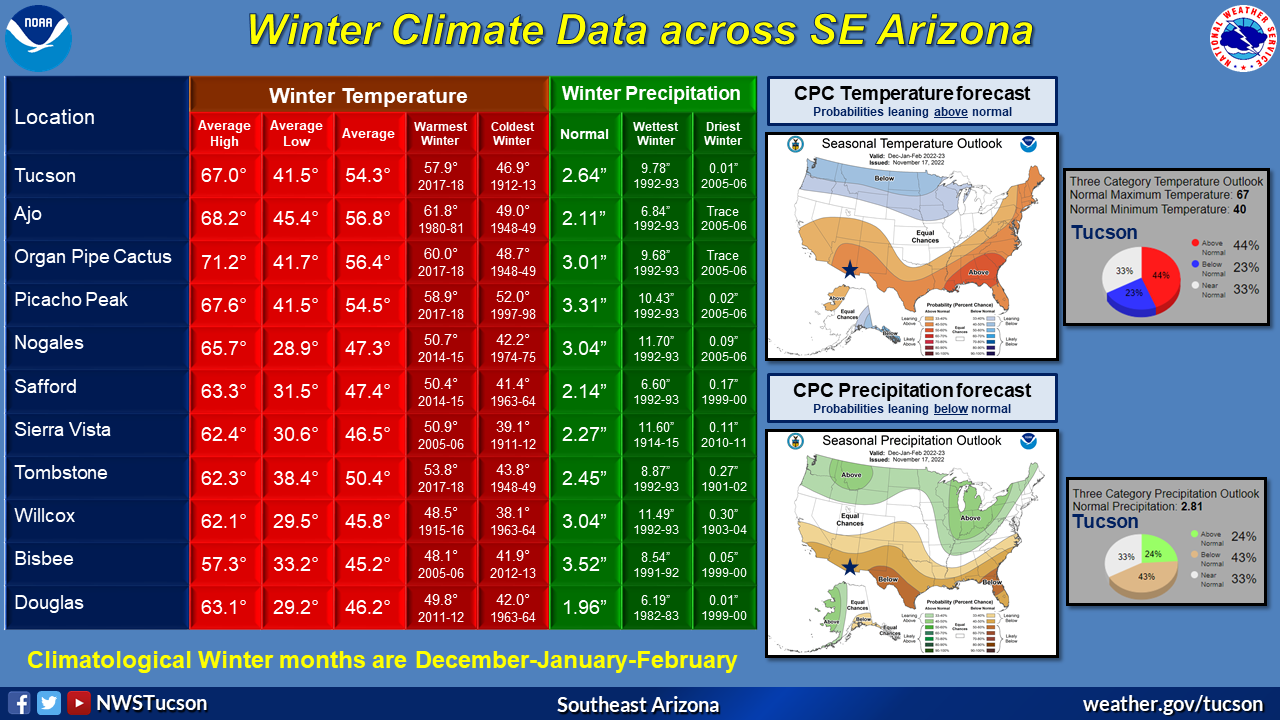
Winter: Mild, Sunny, and Inviting (December – February)
Tucson’s winters are legendary, offering a stark contrast to the frigid temperatures experienced across much of North America. This is arguably the most popular time to visit.
- Temperatures: Daytime highs typically range from the mid-60s to low 70s Fahrenheit (18-23°C), with overnight lows often dipping into the 30s and 40s (0-10°C). Frost is possible, especially in outlying areas.
- Precipitation: Winter is generally dry, though occasional light rains can occur. Snow is rare in the city but common on the higher peaks of surrounding mountains, like Mount Lemmon.
- What to Expect: Perfect weather for hiking in Saguaro National Park, exploring the Arizona-Sonora Desert Museum, or playing golf. Crisp, clear skies and comfortable temperatures dominate. Evenings can be quite cool, requiring layers.
Spring: Pleasant Warmth and Blooming Deserts (March – May)
Spring is a glorious time in Tucson, characterized by gradually increasing temperatures and the spectacular blooming of desert flora.
- Temperatures: March and April see highs in the 70s and 80s (21-30°C), with May often pushing into the 90s (32-37°C). Nights remain pleasantly cool, generally in the 50s and 60s (10-18°C).
- Precipitation: This is the driest time of year, with very little rainfall.
- What to Expect: The desert comes alive with color as wildflowers, cacti, and trees bloom. It’s an excellent time for photography, outdoor activities before the intense summer heat sets in, and exploring cultural sites like Mission San Xavier del Bac. By late May, the heat can be significant, so early morning activities are advisable.
Summer: Intense Heat and Monsoon Rains (June – September)
Tucson’s summer is defined by extreme heat and the dramatic arrival of the monsoon season, a truly unique desert phenomenon.
- Temperatures: June is the hottest month, with average daily highs well into the 100s Fahrenheit (38-43°C), sometimes even reaching 110°F (43°C+). Nights remain warm, often in the 70s and 80s (21-30°C). Once the monsoon begins in July, temperatures might drop slightly, but humidity increases.
- Precipitation: June is typically the driest and hottest month. The North American Monsoon season usually runs from mid-June to mid-September. This brings daily, often intense, thunderstorms in the late afternoon and early evening, characterized by heavy rain, lightning, and dust storms (haboobs).
- What to Expect: High heat means outdoor activities are best reserved for very early mornings or after sunset. Many locals escape to higher elevations like Mount Lemmon for cooler temperatures. The monsoons offer a spectacular display of nature’s power, transforming the dry washes into temporary rivers and bringing vibrant green to the desert. Visitors should be aware of flash flood risks during this period.
Fall: Perfect Temperatures and Clear Skies (October – November)
Fall in Tucson is another prime season for visitors, offering a welcome respite from the summer heat and a return to comfortable, sunny days.
- Temperatures: October brings highs in the 80s (27-32°C), cooling to the 70s (21-26°C) in November. Overnight lows are in the 50s and 60s (10-18°C), providing pleasant evenings.
- Precipitation: Generally dry with very low humidity, mirroring the spring season. The monsoon has usually dissipated by early October.
- What to Expect: Ideal weather returns for all outdoor activities, from exploring Catalina State Park to enjoying the city’s vibrant arts scene. The air is crisp, the skies are clear, and the intense summer sun has mellowed, making it perfect for sightseeing and hiking.
Preparing for Tucson’s Weather: Essential Travel Tips

Regardless of when you visit Tucson, being prepared for its specific weather conditions is crucial for a comfortable and enjoyable trip.
Hydration is Key
The dry air and abundant sunshine mean you’ll dehydrate faster than you might realize, especially if you’re active.
- Always carry water: This is non-negotiable, particularly if you plan to hike or spend extended time outdoors.
- Drink regularly: Don’t wait until you feel thirsty; sip water constantly throughout the day. Electrolyte-rich drinks can also be beneficial.
- Avoid excessive alcohol/caffeine: These can contribute to dehydration.
Sun Protection Strategies
With over 300 days of sunshine, protecting yourself from the sun’s intense UV rays is vital year-round.
- Sunscreen: Apply broad-spectrum sunscreen with a high SPF liberally and reapply often, even on cloudy days or in winter.
- Hats: A wide-brimmed hat is essential for protecting your face, ears, and neck.
- Sunglasses: Protect your eyes from the strong glare.
- UV-protective clothing: Lightweight, long-sleeved shirts and pants can offer excellent protection without adding bulk or heat.
Dressing for Desert Extremes
Due to the significant diurnal temperature swings, layering is your best friend in Tucson.
- Layering: Even in summer, evenings can cool down significantly from scorching daytime highs. In winter, mornings can be chilly, but afternoons warm up quickly. Pack versatile layers that you can easily add or remove.
- Breathable fabrics: Opt for cotton, linen, or moisture-wicking synthetic fabrics to stay comfortable in the heat.
- Footwear: Comfortable walking shoes are a must, especially if you plan to explore the desert trails or urban areas. Open-toed shoes are fine for summer, but sturdy closed-toe shoes are better for hiking.
Monsoon Season Preparedness
If visiting during the summer monsoon, be aware of its unique challenges.
- Check forecasts: Pay attention to local weather alerts for flash flood warnings.
- Avoid washes: Never enter or cross dry washes during or immediately after a rainstorm, as they can quickly become raging rivers. “Turn Around, Don’t Drown” is a critical local adage.
- Road conditions: Roads can become slick, and visibility can be severely reduced during heavy downpours. It’s often best to pull over and wait out the worst of the storm.
- Morning activities: Plan outdoor activities for the mornings to avoid the typical late-afternoon thunderstorms.
Best Times to Visit Tucson Based on Weather and Activities
Choosing the “best” time to visit Tucson largely depends on your personal preferences and the type of experience you seek.
For Outdoor Enthusiasts and Hikers
The winter (December-February) and fall (October-November) are unequivocally the best times for extensive outdoor activities. The mild temperatures are perfect for hiking in Saguaro National Park, exploring Sabino Canyon, or cycling the Loop shared-use path. Spring (March-April) is also excellent, especially for witnessing the desert blooms, but plan activities for earlier in the day as temperatures begin to rise.
For Cultural Explorers and Sightseers
Again, winter and fall offer the most comfortable conditions for exploring Tucson’s rich cultural heritage, museums, and historical sites like Old Tucson Studios. The pleasant temperatures make it enjoyable to stroll through downtown, visit art galleries, or attend outdoor festivals. Spring is also suitable, particularly before May. Even during the intense summer, indoor attractions like the Pima Air & Space Museum or the numerous excellent restaurants and shops provide refuge from the heat.
Avoiding the Peak Heat
If you are particularly sensitive to high temperatures, it’s advisable to avoid June through September. While there are ways to enjoy Tucson during the summer, the relentless heat requires careful planning and a preference for indoor activities or early morning/late evening excursions. Many hotels offer excellent pool areas that become central to summer relaxation.
Microclimates and Regional Variations
While Tucson generally shares a similar desert climate, local topography creates interesting microclimates worth noting for travelers.
The Influence of Elevation: Mount Lemmon
A prime example is Mount Lemmon, part of the Santa Catalina Mountains, which towers over Tucson to the north. As you ascend the Catalina Highway, you’ll experience a dramatic change in climate, often a 20-30 degree Fahrenheit (11-17°C) drop in temperature from the city floor. This makes Mount Lemmon a popular escape from the summer heat and even offers skiing in winter, a unique contrast to the desert below. When packing, consider bringing warmer clothes if you plan a trip up the mountain, even in summer.
Urban Heat Island Effect
Like many cities, Tucson experiences an urban heat island effect, where developed areas can be several degrees warmer than surrounding rural areas, especially at night. This is due to the absorption and re-emission of heat by asphalt, concrete, and buildings. While this difference might be subtle to a casual visitor, it’s part of the local climatic picture.
In conclusion, Tucson’s weather is a defining characteristic of this vibrant desert city, offering a diverse array of conditions throughout the year. From the glorious mild winters to the dramatic summer monsoons, each season provides a unique backdrop for your travel experiences. By understanding these patterns and preparing accordingly, your visit to Tucson, Arizona, is sure to be comfortable, memorable, and filled with the unparalleled beauty of the Sonoran Desert.
LifeOutOfTheBox is a participant in the Amazon Services LLC Associates Program, an affiliate advertising program designed to provide a means for sites to earn advertising fees by advertising and linking to Amazon.com. Amazon, the Amazon logo, AmazonSupply, and the AmazonSupply logo are trademarks of Amazon.com, Inc. or its affiliates. As an Amazon Associate we earn affiliate commissions from qualifying purchases.