
Deciding the optimal time to visit Arizona, often dubbed the “Grand Canyon State,” is paramount for an unforgettable travel experience. This vast and diverse state, ranging from scorching desert landscapes to snow-capped mountain peaks, offers something unique in every season. However, understanding its distinct climate patterns, peak travel times, and seasonal activities is key to aligning your expectations with reality. Whether you dream of hiking majestic trails, exploring vibrant cities, or simply relaxing by a resort pool, pinpointing the best window for your trip will ensure comfort, accessibility, and enjoyment of Arizona’s myriad wonders.
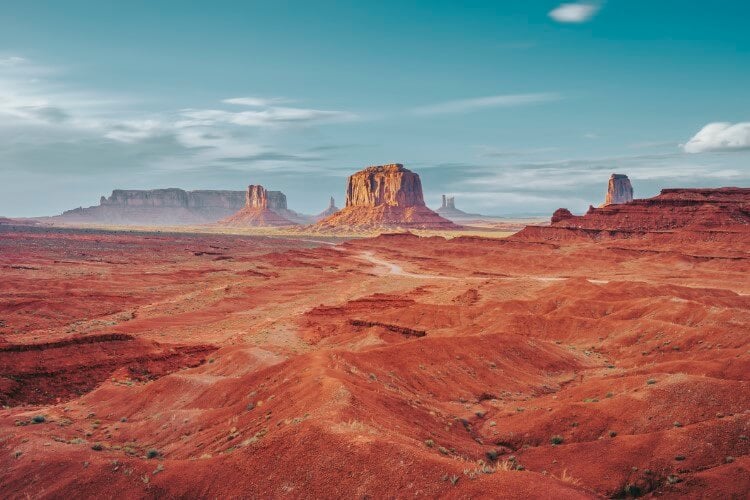
Understanding Arizona’s Unique Climate
Arizona’s climate is as diverse as its topography, largely dictated by elevation. The state is broadly divided into three main climatic zones: the low desert, the central highlands, and the northern plateau. This geographical variation means that while one part of the state might be experiencing intense summer heat, another could be enjoying mild temperatures or even snowfall.
The Desert’s Distinct Seasons
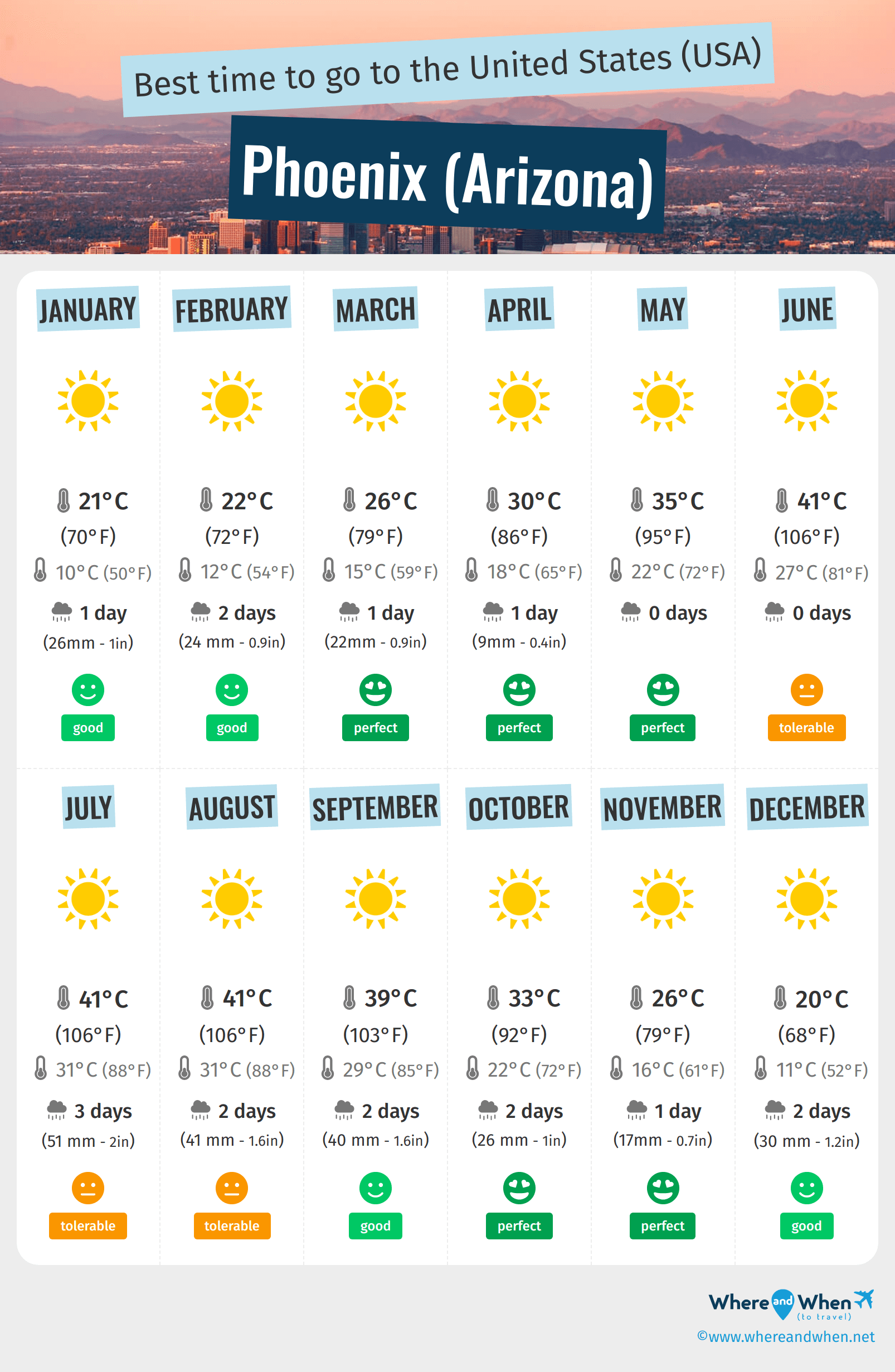
The southern and western parts of Arizona, encompassing major cities like Phoenix, Tucson, Yuma, Scottsdale, Mesa, Tempe, Chandler, Glendale, Gilbert, and Peoria, are characterized by a hot desert climate. Here, winters are mild and sunny, with daytime temperatures typically ranging from the 60s to low 70s Fahrenheit (15-23°C). These pleasant conditions make it an extremely popular destination for snowbirds and those seeking an escape from colder climes. Spring and fall offer warm, comfortable days perfect for outdoor activities, though temperatures gradually rise or fall. Summers, from June to September, are intensely hot, with daily highs frequently exceeding 100°F (38°C), sometimes even reaching 115°F (46°C) or higher. Despite the heat, the low humidity often makes it a “dry heat,” which some find more tolerable, and evenings can bring some relief. This period also marks the monsoon season, typically from July to September, bringing dramatic thunderstorms and occasional flash floods, especially in the late afternoons.
Regional Climate Variations
As you ascend into the central highlands, home to cities like Prescott and Sedona, the climate becomes more temperate. Summers are significantly milder than in the desert, with daytime highs usually in the 80s and 90s°F (27-35°C), and cooler evenings. Winters are cool to cold, with occasional snowfall, particularly at higher elevations. Sedona, famous for its red rock formations, enjoys four distinct seasons, each offering unique beauty.
Further north, on the vast Colorado River Plateau, where the Grand Canyon and Flagstaff are located, the climate is much cooler. Flagstaff sits at over 7,000 feet, experiencing true four-season weather. Summers are pleasantly warm, often in the 70s or 80s°F (21-29°C), making it a popular escape from the desert heat. Winters are cold and snowy, providing opportunities for skiing and other winter sports on Humphreys Peak, Arizona’s highest point. The Grand Canyon experiences similar variations, with the South Rim generally accessible year-round, while the North Rim typically closes from mid-October to mid-May due to heavy snowfall.
Seasonal Breakdown: Pros and Cons for Travelers
Each season in Arizona presents a unique set of advantages and disadvantages for travelers. Understanding these can help you align your travel plans with your desired activities and tolerance for crowds and temperatures.
Autumn (September – November): The Golden Window
Many consider autumn the absolute best time to visit Arizona. As the intense summer heat begins to wane, especially from late September onwards, the desert temperatures become delightfully pleasant, typically ranging from the mid-70s to low 80s°F (24-29°C). The central highlands and northern plateau also experience fantastic weather, with crisp air, clear skies, and stunning fall foliage, particularly in areas like Oak Creek Canyon near Sedona and around Flagstaff.
Pros: Ideal temperatures for hiking, outdoor exploration, and golf across the state. Fewer crowds than the peak winter/spring seasons, especially in early autumn. Beautiful scenic drives with vibrant autumn colors in the northern regions. Events like the Arizona State Fair kick off.
Cons: Early September can still be quite warm in the low desert. Popular northern destinations can still see moderate crowds.
Winter (December – February): Mild Days and Mountain Snows
Winter is undeniably the high season for southern Arizona. With average daytime temperatures in Phoenix hovering around 65-70°F (18-21°C), it’s a perfect escape for those fleeing colder climates. The skies are generally clear and sunny, making it perfect for desert hiking, exploring city attractions like the Desert Botanical Garden or Heard Museum, and enjoying outdoor patios. In contrast, the northern parts of the state, including the Grand Canyon South Rim and Flagstaff, embrace a winter wonderland, offering opportunities for snowshoeing, cross-country skiing, and even downhill skiing on Humphreys Peak.
Pros: Excellent weather for outdoor activities in the desert. Fewer crowds at the Grand Canyon (South Rim). Unique winter sports opportunities in the north. Vibrant social scene and major events like the Waste Management Phoenix Open and the Tucson Gem & Mineral Show.
Cons: Highest prices for flights and accommodation in southern Arizona. Crowded tourist attractions in Phoenix and Tucson. North Rim of the Grand Canyon is closed.
Spring (March – May): Wildflowers and Peak Crowds
Spring continues the pleasant weather trend, making it another immensely popular time to visit. March and April see comfortable temperatures across most of the state, with the desert often bursting into bloom with vibrant wildflowers, especially after a wet winter. This spectacle draws nature lovers and photographers. Temperatures gradually rise into May, signaling the approach of summer.
Pros: Stunning wildflower displays in the desert. Excellent weather for hiking and exploring all regions. Most attractions and facilities are open. Perfect for visiting national parks like Saguaro National Park and the Grand Canyon. Events like the Scottsdale Arts Festival.
Cons: Peak tourist season, leading to significant crowds and higher prices for everything from airfare to hotel rooms. Popular spots like Sedona and the Grand Canyon can be very busy.
Summer (June – August): Intense Heat and Monsoon Rains
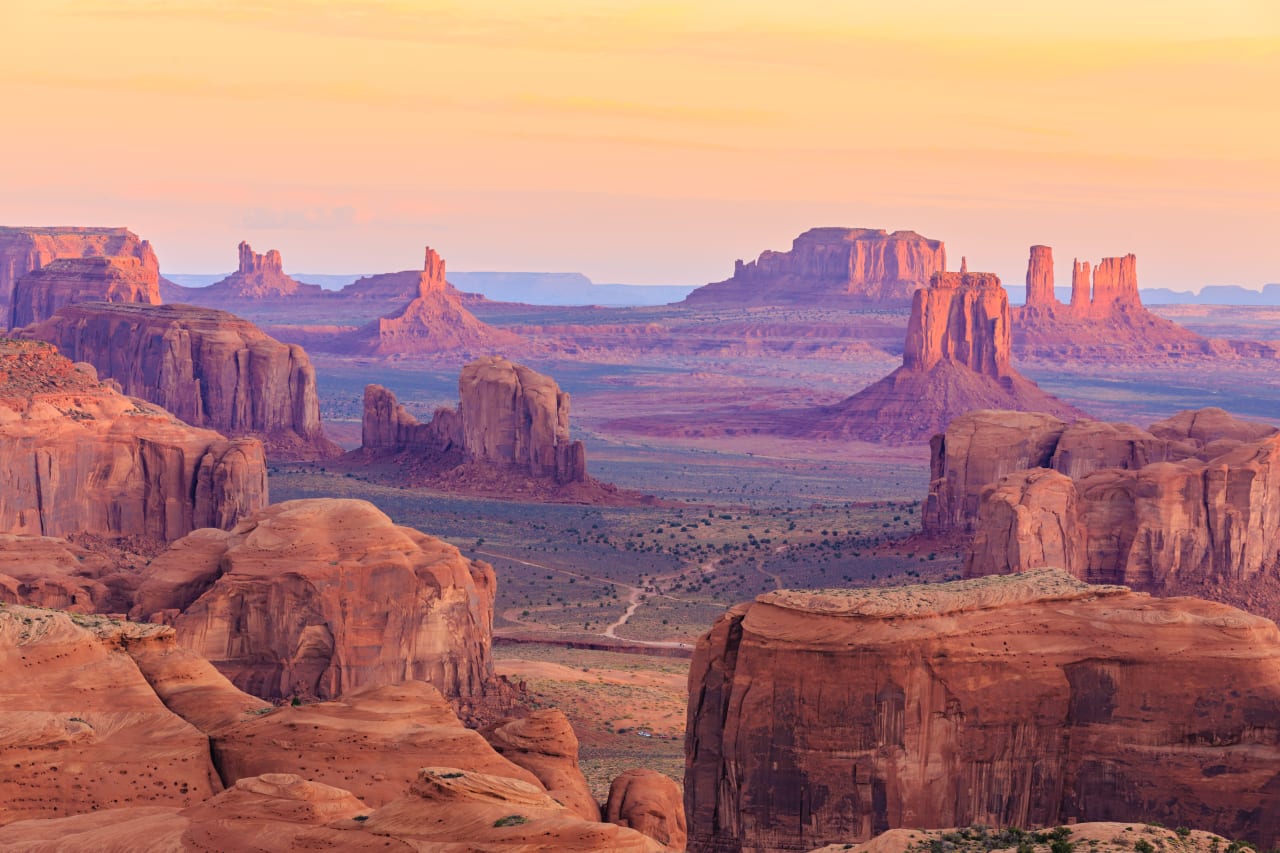
Summers in Arizona’s low desert are famously hot. Daily temperatures regularly soar into the triple digits, making outdoor activities during midday challenging or even dangerous. However, the northern parts of the state—Flagstaff, the Grand Canyon, Payson—offer a refreshing escape with much milder temperatures. The monsoon season, typically from July to September, brings spectacular afternoon thunderstorms that clear the air and offer dramatic photographic opportunities.
Pros: Significantly lower prices for accommodation and flights in the desert regions. Fewer crowds, especially in Phoenix and Tucson. Ideal time to visit the cooler northern regions like Flagstaff and the Grand Canyon. Opportunities for water activities at Lake Havasu or the Colorado River. Dramatic monsoon storms.
Cons: Extreme heat in the low desert can limit daytime outdoor activities. Risk of flash floods during monsoons. Some attractions in the desert may have reduced hours.
Tailoring Your Visit to Specific Interests
The “best” time to visit Arizona ultimately depends on what you wish to experience. Matching your interests with the seasonal offerings is crucial for a fulfilling trip.
Best for Outdoor Adventures and Hiking
For hiking and extensive outdoor exploration in the desert regions (e.g., Phoenix, Tucson, Saguaro National Park), fall (late September to November) and spring (March to early May) are unbeatable. The mild temperatures are perfect for hitting the trails without the risk of extreme heat. Similarly, these seasons are excellent for exploring the red rocks of Sedona and the vast expanse of the Grand Canyon. If your focus is on the cooler, high-elevation areas and you prefer less crowded trails, early summer (June) can be fantastic for hiking around Flagstaff or the North Rim of the Grand Canyon.
Best for Family Vacations and Resort Stays
Families often look for pleasant weather combined with resort amenities. Late fall (October-November) and early spring (March-April) provide the ideal conditions for family vacations, offering comfortable temperatures for both outdoor activities and enjoying resort pools without the intense summer heat. Many resorts in Scottsdale and Tucson have exceptional kids’ programs and water parks that are best enjoyed when the weather isn’t scorching. If traveling on a budget or needing to adhere to school holidays, summer can offer significantly reduced rates at desert resorts, with many indoor and shaded activities available, especially in the mornings and evenings.
Best for Cultural Exploration and Events
Arizona’s vibrant cultural scene truly comes alive in the cooler months, from November to April. This period hosts a plethora of festivals, art shows, and sporting events. The Scottsdale Arts Festival, the Tucson Gem & Mineral Show, the Waste Management Phoenix Open (golf), and numerous Native American cultural events are concentrated during this time. Visiting attractions like the Heard Museum in Phoenix or exploring Old Town Scottsdale‘s galleries is most comfortable when the weather is mild. The desert’s natural beauty, like the Desert Botanical Garden’s displays, is also best appreciated in these pleasant conditions.
Best for Avoiding Crowds and Saving Money
If your primary goal is to avoid the bustling crowds and capitalize on lower prices, consider visiting during the summer months (June-August). While the desert heat is a significant factor, resorts and hotels in Phoenix and Tucson often slash their rates to attract visitors. This is also an excellent time to visit the cooler northern destinations like the Grand Canyon, Flagstaff, or Monument Valley, as the temperatures are pleasant there, and while busy, they might still feel less hectic than the winter/spring desert rush. Alternatively, the “shoulder seasons” of late November/early December and late May/early June can offer a sweet spot of decent weather and slightly fewer crowds before the peak or extreme heat fully sets in.
Key Considerations Before You Go
Regardless of when you choose to visit, a few practical considerations will enhance your Arizona adventure.
Packing Essentials by Season
- Fall/Spring: Layers are key. Days are warm, but evenings can be cool, especially at higher elevations. Bring light jackets, comfortable hiking shoes, sun protection (hat, sunglasses, sunscreen), and plenty of water.
- Winter (Desert): Light jacket or sweater for daytime, warmer layers for evenings. Sun protection is still vital.
- Winter (Northern Arizona): Heavy winter coat, waterproof boots, hats, gloves, and thermal layers are essential. Snow gear if you plan to ski or snowboard.
- Summer (Desert): Lightweight, breathable clothing (e.g., linen, cotton), wide-brimmed hat, sunglasses, high-SPF sunscreen, and a reusable water bottle. Plan activities for early morning or late evening.
- Summer (Northern Arizona): Light clothing for daytime, a light jacket for cooler evenings. Rain gear for potential monsoon storms.
Booking in Advance
During Arizona’s peak seasons (winter and spring), demand for accommodation, popular tours (e.g., Antelope Canyon, Horseshoe Bend), and rental cars can be extremely high. It is highly advisable to book flights, hotels, and any guided tours several months in advance to secure preferred rates and availability. Even during the summer, if planning a trip to the Grand Canyon or other northern attractions, booking ahead is wise, especially for in-park lodging.
Navigating Popular Destinations
Traffic can be a factor, particularly in major metro areas like Phoenix and Tucson during peak hours and events. When visiting natural attractions like the Grand Canyon, Sedona, or Saguaro National Park, arrive early in the day to beat the crowds, secure parking, and enjoy cooler temperatures for hiking. Some popular trailheads in Sedona require shuttle use or have very limited parking, so planning your approach is crucial. Always carry more water than you think you’ll need, especially when exploring the desert, and inform someone of your hiking plans.
Ultimately, there isn’t a single “best” time to visit Arizona that fits everyone. By considering your personal preferences for weather, activities, and budget, you can pinpoint the ideal season to discover the breathtaking beauty and unique charm of this truly remarkable Southwestern state. Each season unveils a different facet of Arizona’s appeal, promising an enriching travel experience whenever you choose to visit.
LifeOutOfTheBox is a participant in the Amazon Services LLC Associates Program, an affiliate advertising program designed to provide a means for sites to earn advertising fees by advertising and linking to Amazon.com. Amazon, the Amazon logo, AmazonSupply, and the AmazonSupply logo are trademarks of Amazon.com, Inc. or its affiliates. As an Amazon Associate we earn affiliate commissions from qualifying purchases.