
For many seasoned travelers and nature enthusiasts, the name Greer, Arizona, conjures images of pristine mountain landscapes, serene rivers, and a tranquil escape from the urban hustle. Tucked away in the rugged beauty of the state’s eastern highlands, Greer represents a hidden gem, a destination often sought by those in pursuit of genuine wilderness experiences and a profound sense of peace. Its unique location is not just a point on a map; it’s an integral part of its identity, shaping the climate, the activities, and the very essence of what makes this small community a captivating travel destination. Understanding where Greer is situated is the first step in unlocking the myriad adventures and restorative moments it promises. This article serves as a comprehensive guide for those eager to pinpoint this captivating locale and embark on an unforgettable journey into the heart of the White Mountains.
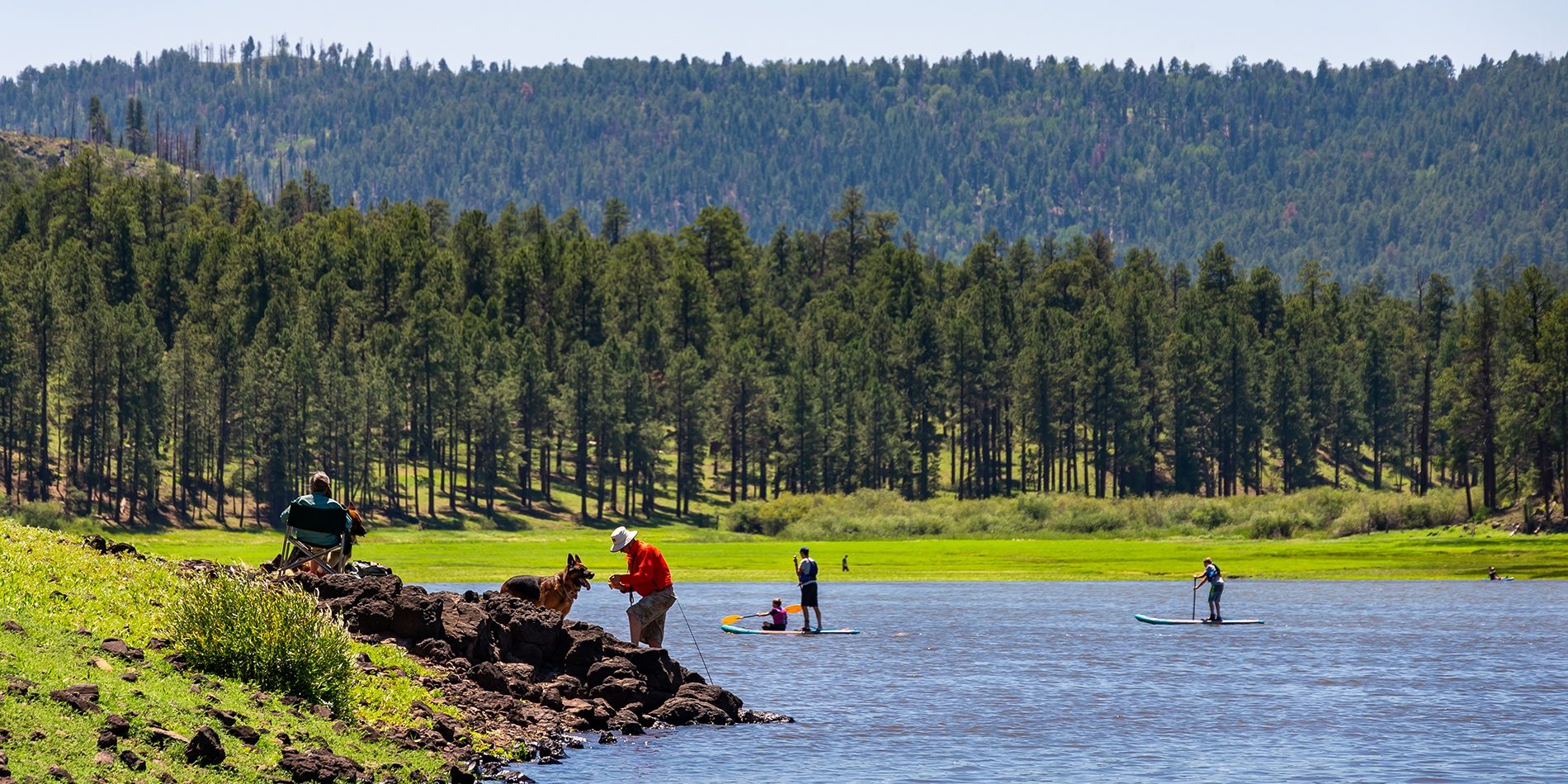
Pinpointing Greer on the Map: A High-Altitude Haven
Greer isn’t just in Arizona; it’s nestled deep within a specific, less-traveled region of the state, distinct from the iconic deserts and canyons that often define its image. Its precise geographic placement is what grants it its unique character, offering a refreshing contrast to much of the state’s arid landscape.
Geographical Coordinates and Elevation
Located in Apache County in eastern Arizona, Greer can be found approximately at latitude 34.02° N and longitude 109.47° W. More importantly for travelers, its elevation is a critical factor in understanding its climate and appeal. Greer sits at an impressive altitude of around 8,400 feet (2,560 meters) above sea level. This high elevation is the primary reason for its distinct four-season climate, cooler temperatures, and abundant natural resources, which are a stark departure from the heat of the Sonoran Desert to the west. This makes it a popular summer retreat, offering crisp, cool air when much of the state is sweltering, and a winter wonderland for snow sports enthusiasts. The elevation also contributes to the stunning clarity of its night skies, making it an excellent spot for stargazing, an experience not readily available in light-polluted urban areas.
Regional Context: The White Mountains’ Crown Jewel
Greer is more than just a town; it’s an integral part of the White Mountains region, one of Arizona’s most significant mountain ranges. These mountains are part of the larger Mogollon Rim formation, a prominent geological feature that cuts across the state. The White Mountains are characterized by vast national forests, including the Apache-Sitgreaves National Forests, which entirely envelop Greer. This regional context means that visitors to Greer are immediately immersed in a sprawling wilderness area, offering unparalleled access to outdoor recreation. The proximity to the Little Colorado River and numerous alpine lakes and streams further solidifies its reputation as an angler’s paradise and a haven for those seeking solace amidst towering ponderosa pines and aspens. The relatively remote nature of Greer within this vast wilderness means that while it is accessible, it retains an undisturbed quality, appealing to travelers who value tranquility and unspoiled natural beauty over bustling tourist centers.
Why Travel to Greer? Unveiling Its Enduring Charm
The question of “where” Greer is located naturally leads to “why” one should travel there. Beyond its coordinates, Greer’s allure as a travel destination lies in its unique blend of untouched nature, a serene atmosphere, and a plethora of activities catering to various interests throughout the year.
A Sanctuary of Serenity and Natural Beauty
For many, the primary draw of Greer is its profound sense of tranquility. It’s a place where the pace of life slows considerably, allowing visitors to disconnect from the digital world and reconnect with nature. The town itself is small, characterized by rustic cabins, a few lodges, and local eateries, all seamlessly blending into the natural environment. There are no traffic lights, no chain stores, and very little in the way of urban distractions. Instead, the soundtrack of Greer is the whisper of the wind through the trees, the chirping of birds, and the gentle murmur of the Little Colorado River and its tributaries.
The visual appeal is equally compelling. Lush meadows burst with wildflowers in spring and summer, transforming into a golden spectacle in the fall, and blanketed by pristine snow in winter. Towering stands of pines, spruce, and aspen trees dominate the landscape, providing shade, shelter for diverse wildlife, and breathtaking scenery. Deer, elk, and various bird species are common sightings, offering opportunities for wildlife photography and observation that are central to the Greer experience. This undisturbed beauty makes Greer an ideal destination for those seeking a peaceful retreat, a romantic getaway, or a family vacation centered on outdoor exploration and relaxation.
Four Seasons of Enchantment
One of Greer’s most significant attractions as a travel destination is its distinct four seasons, each offering a unique set of experiences and visual splendor.
- Spring brings a vibrant rebirth, with melting snow feeding the rivers and streams, and meadows blooming with colorful wildflowers. It’s an excellent time for hiking, fishing, and enjoying the crisp, cool air before the summer crowds arrive.
- Summer is arguably the most popular season, as travelers flock to Greer to escape the intense desert heat of southern Arizona. Temperatures remain comfortably cool, making it perfect for extended outdoor adventures such as fly-fishing, horseback riding, mountain biking, and exploring the extensive network of hiking trails.
- Autumn transforms the landscape into a breathtaking canvas of reds, oranges, and golds as the aspen and oak leaves change color. This season offers spectacular photographic opportunities and serene hiking conditions, with fewer crowds and pleasant daytime temperatures.
- Winter turns Greer into a picturesque winter wonderland. The area receives significant snowfall, creating ideal conditions for cross-country skiing, snowshoeing, and ice fishing. The nearby Sunrise Park Resort also offers downhill skiing and snowboarding, making Greer a convenient base for winter sports enthusiasts. Each season presents a different facet of Greer’s natural beauty, inviting repeat visits throughout the year.
Getting to Greer: Your Travel Itinerary
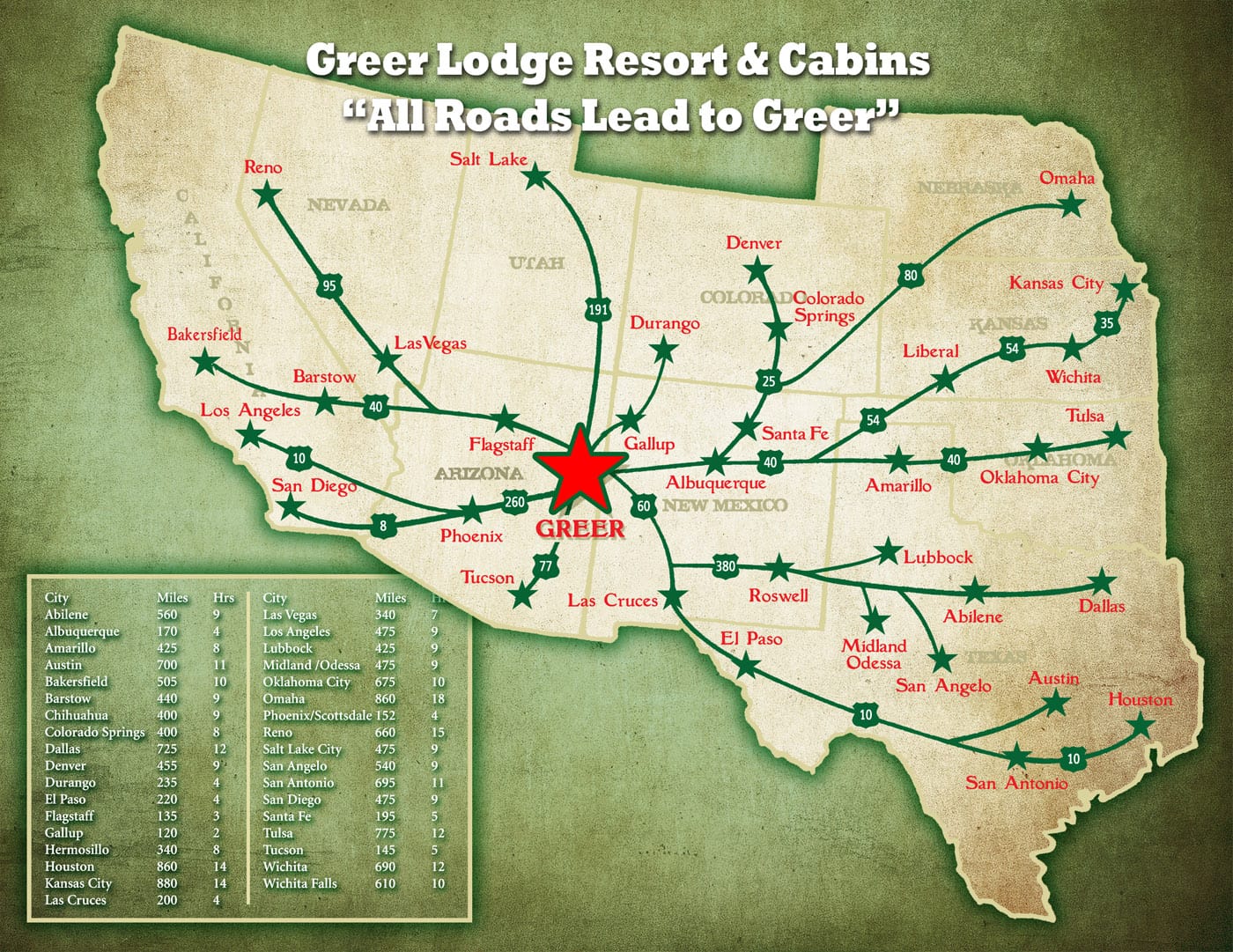
Despite its remote feel, Greer is surprisingly accessible, making it a feasible destination for a weekend escape or a longer vacation. Planning your route, whether by road or air, is a crucial part of the travel experience.
Major Access Routes
The primary way to reach Greer is by car, offering travelers the flexibility to explore the scenic routes of the White Mountains. From Phoenix, the drive typically takes around 3.5 to 4 hours. The most common route involves heading east on US-60 through the scenic Salt River Canyon to Show Low, then continuing east on AZ-260 to Eagar, and finally taking AZ-373 directly into Greer. Another option from Phoenix is to take AZ-87 North to Payson, then AZ-260 East through Pinetop-Lakeside and Show Low, before connecting to AZ-373. From Tucson, the journey is slightly longer, typically 4 to 4.5 hours, generally involving travel north on US-77 or US-79 to connect with the US-60 or AZ-260 routes. These routes are well-maintained, but travelers should be aware of potential winter weather conditions, especially on AZ-260 and AZ-373, which can see significant snowfall.
Nearest Major Airports and Onward Travel
While Greer itself doesn’t have a commercial airport, the closest major international hubs are Phoenix Sky Harbor International Airport (PHX) and Tucson International Airport (TUS). From either of these airports, travelers will need to rent a car to complete their journey to Greer. For those seeking closer, albeit smaller, options, Show Low Regional Airport (SOW) offers limited regional flights, but options are infrequent and usually require connections. Therefore, flying into Phoenix or Tucson and driving remains the most practical and flexible approach for most travelers. The drive from either major airport is part of the experience, traversing diverse Arizona landscapes from desert to pine forests.
Essential Travel Tips
When planning a trip to Greer, a few essential tips can enhance the travel experience. First, consider the season you plan to visit. While summer and fall are generally straightforward, winter travel demands extra preparation. Ensure your vehicle is equipped for snow and ice, with good tires and potentially four-wheel drive. Always check road conditions before departing, especially for AZ-373, which can close temporarily during heavy snowfall. Packing layers is advisable year-round, as mountain weather can be unpredictable, with significant temperature swings between day and night. Cell service can be spotty in some areas, so downloading offline maps and essential information is recommended. Finally, since Greer is a small community, it’s wise to book accommodations and make dinner reservations in advance, especially during peak seasons.
Exploring Greer and Its Surroundings: A Traveler’s Guide
Once you’ve successfully navigated to this charming mountain town, the real adventure begins. Greer and its immediate surroundings offer a wealth of activities and sights that cater to nature lovers, adventurers, and those simply seeking a peaceful retreat.
Outdoor Adventures
The pristine wilderness surrounding Greer is a playground for outdoor enthusiasts.
- Fishing: The area is renowned for its excellent fly-fishing opportunities. The Little Colorado River and numerous nearby lakes and streams, such as Big Lake, River Reservoir, and Tunnel Reservoir, are regularly stocked with trout, including rainbow, brown, and Apache trout. Guided fishing tours are available for beginners or those looking to explore prime spots.
- Hiking and Biking: An extensive network of trails crisscrosses the Apache-Sitgreaves National Forests. Trails range from easy riverside strolls to challenging climbs offering panoramic views. Popular options include the West Fork Trail and the trails around Big Lake. Mountain biking is also popular, with trails offering various terrains for all skill levels.
- Wildlife Viewing: Given its location deep within a national forest, Greer is a fantastic spot for wildlife observation. Elk, deer, black bears, mountain lions, and a diverse array of bird species, including bald eagles, can be spotted. Early mornings and late evenings are typically the best times for sightings.
- Winter Sports: During winter, the landscape transforms. Cross-country skiing and snowshoeing are popular activities directly from Greer. Just a short drive away, Sunrise Park Resort offers excellent downhill skiing and snowboarding with multiple lifts and runs for all abilities, making it a premier winter destination in Arizona.
Rustic Charm and Local Flavor
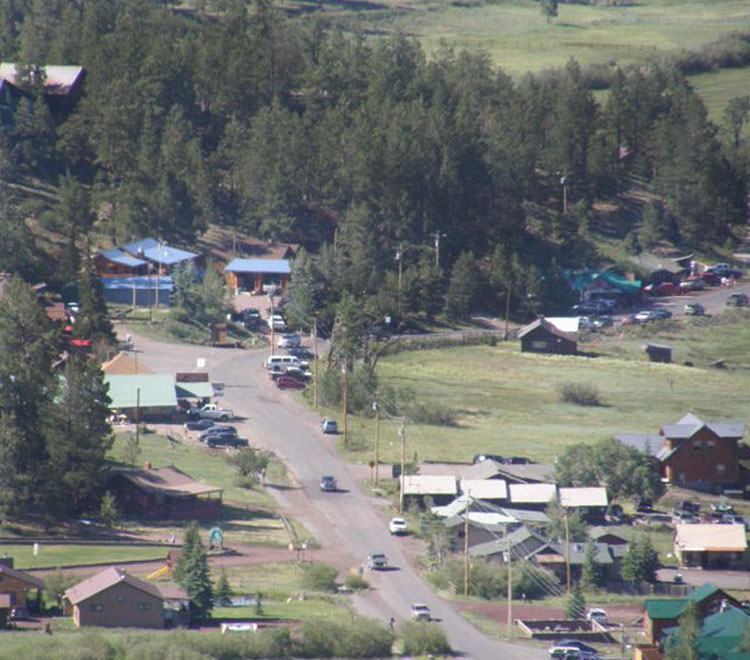
Beyond the outdoor pursuits, Greer itself offers a charming experience. The community embraces its rustic identity, with a collection of cozy lodges, cabin rentals, and a few family-owned restaurants that serve hearty, comforting meals. Expect traditional American fare, often with a local touch. The absence of commercial chains contributes to the town’s unique, authentic atmosphere. Take time to explore the small local shops, where you might find handmade crafts or local produce, and engage with the friendly residents who embody the spirit of mountain living. This local charm is a significant part of Greer’s appeal, offering a genuine escape from the fast pace of modern life.
Nearby Day Trips for Extended Exploration
For travelers staying longer, Greer serves as an excellent base for exploring more of the White Mountains region.
- Pinetop-Lakeside and Show Low: These larger towns, roughly an hour’s drive west, offer more amenities, including larger grocery stores, diverse dining options, and a wider range of shops. They can be good stops for resupply or a change of scenery.
- Big Lake: Just a short drive south of Greer, Big Lake is one of Arizona’s premier fishing and boating destinations. It’s a fantastic spot for a picnic, kayaking, or simply enjoying the expansive views.
- Sunrise Park Resort: While primarily known for winter sports, Sunrise Park Resort also offers summer activities like scenic lift rides, disc golf, and hiking, providing year-round entertainment.
- Petrified Forest National Park: For a truly unique natural wonder, the Petrified Forest National Park is about a 1.5-hour drive north of Greer. This park showcases vast deposits of petrified wood, fossils, and the colorful badlands of the Painted Desert.
In conclusion, Greer, Arizona, is far more than just a dot on a map. Its location deep within the White Mountains at a high elevation is precisely what defines it as a premier travel destination for those seeking natural beauty, outdoor adventure, and a tranquil escape. Whether you’re drawn by the promise of world-class fishing, exhilarating winter sports, or simply the opportunity to breathe crisp mountain air and witness stunning landscapes, Greer offers an inviting haven. Its rustic charm and year-round appeal ensure that every visit provides a unique and memorable experience, solidifying its reputation as one of Arizona’s most cherished and inspiring destinations.
LifeOutOfTheBox is a participant in the Amazon Services LLC Associates Program, an affiliate advertising program designed to provide a means for sites to earn advertising fees by advertising and linking to Amazon.com. Amazon, the Amazon logo, AmazonSupply, and the AmazonSupply logo are trademarks of Amazon.com, Inc. or its affiliates. As an Amazon Associate we earn affiliate commissions from qualifying purchases.