
Arizona State University, often simply referred to as ASU, is far more than a single location; it is a sprawling, multi-campus institution that serves as a vibrant educational and cultural hub primarily within the Phoenix metropolitan area of Arizona, United States. Known for its massive scale, innovative approach, and diverse academic offerings, ASU’s presence stretches across several cities, each campus offering a distinct environment and specialization. For prospective students, visiting parents, sports enthusiasts, or general travelers curious about one of the nation’s largest public universities, understanding its geographical footprint is essential for planning any visit or exploration. This guide will navigate you through the various ASU campuses, highlighting what makes each location a unique destination within the broader Arizona landscape.
The Heart of ASU: The Tempe Campus
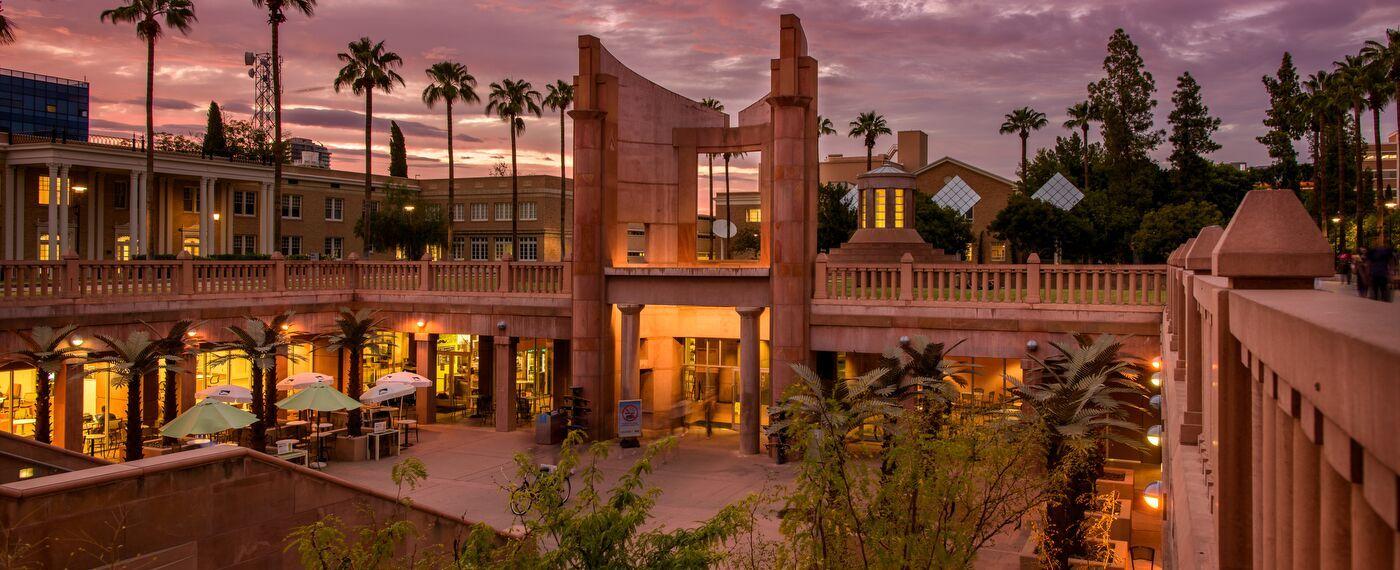
The flagship and largest campus of Arizona State University is nestled in the vibrant city of Tempe, Arizona. This campus is often what comes to mind when people think of ASU, embodying the quintessential college town experience with a metropolitan edge. Its strategic location makes it incredibly accessible, situated just a few miles east of Phoenix Sky Harbor International Airport and connected to the wider Phoenix metropolitan area by an efficient public transportation system.
Location and Vibe: Tempe’s Dynamic Core
The Tempe campus is a world unto itself, characterized by iconic brick buildings, expansive green spaces, and a lively atmosphere fueled by its massive student population. It sits adjacent to the bustling Mill Avenue district, a pedestrian-friendly stretch brimming with restaurants, shops, and entertainment venues that cater to both students and locals. To the north, the campus abuts Tempe Town Lake, a picturesque artificial lake that offers recreational activities like kayaking, paddleboarding, and hosts numerous community events throughout the year. The campus itself is an attraction, with architectural marvels like the Gammage Auditorium, designed by Frank Lloyd Wright, standing proudly among modern research facilities and student housing. The energy here is palpable, reflecting ASU’s status as a top-tier research institution and a major player in collegiate athletics.
Key Attractions and Experiences for Visitors
For those traveling to Tempe, the ASU campus offers a plethora of experiences. Sports fans flock to Sun Devil Stadium to cheer on the Sun Devils, making game days a major event that transforms the city. Beyond sports, the campus is rich in cultural offerings. The ASU Art Museum, the Museum of Anthropology, and the Earth and Space Exploration Gallery provide fascinating insights into art, history, and science. The Gammage Auditorium hosts Broadway shows, concerts, and lectures, drawing audiences from across the region. Prospective students and their families can embark on guided campus tours, offering a comprehensive look at academic buildings, residence halls, and student life facilities. Simply walking through the campus provides an engaging experience, witnessing the hustle and bustle of student life, the innovative spirit, and the beautiful desert landscaping.
Getting Around Tempe and the Campus
Navigating the Tempe campus and its surrounding areas is relatively easy. The campus itself is highly walkable and bike-friendly, with numerous paths and bike lanes. For longer distances, the Valley Metro Rail provides convenient access to various points on and off campus, connecting directly to downtown Phoenix and Mesa. Local bus services also complement the rail system, making it possible to explore Tempe’s attractions without a car. For visitors arriving at Phoenix Sky Harbor International Airport, a short ride on the Valley Metro Rail or a quick taxi/rideshare will get you directly to the campus area.
Expanding Horizons: ASU’s Phoenix-Area Campuses
Beyond the central Tempe campus, Arizona State University has strategically established several other major campuses across the vast Phoenix metropolitan area. Each of these locations is tailored to specific academic disciplines and offers a distinct atmosphere, contributing to ASU’s diverse educational ecosystem and providing unique destinations for visitors.
The Downtown Phoenix Campus: Urban Immersion
Located in the heart of Arizona’s capital, the Downtown Phoenix Campus offers an immersive urban experience. This campus is home to programs such as journalism, public service, health sciences, and nursing, placing students directly amidst the city’s political, cultural, and medical infrastructure. Its proximity to government offices, major hospitals, professional sports venues like Chase Field (home of the Arizona Diamondbacks) and the Footprint Center (home of the Phoenix Suns), and a vibrant arts and dining scene makes it an ideal destination for those seeking an active metropolitan environment. Visitors can explore the campus’s modern facilities, attend public lectures, or simply soak in the dynamic downtown vibe, enjoying easy access to museums, theaters, and a burgeoning restaurant scene. This campus is a perfect stop for those who enjoy combining their academic exploration with city amenities.
The Polytechnic Campus: Innovation in Mesa
Further east in the city of Mesa, Arizona, lies ASU’s Polytechnic Campus. This campus is distinguished by its focus on applied sciences, engineering, technology, and interdisciplinary studies, particularly in fields like aviation, manufacturing, and alternative energy. Set on a former air force base, it boasts unique facilities including an air traffic control simulator, a flight school, and extensive engineering labs. The Polytechnic Campus provides a more suburban, hands-on learning environment, attracting students and visitors interested in cutting-edge research and practical applications. It’s a fascinating destination for those with a passion for innovation and technology, offering a glimpse into future-forward industries.

The West Campus: Liberal Arts and a Traditional Feel in Glendale
Situated in Glendale, Arizona, the West Campus presents a different facet of Arizona State University. Known for its strong emphasis on liberal arts and sciences, education, and interdisciplinary programs, this campus offers a more intimate and traditional collegiate experience. Its iconic architecture, with buildings made of beautiful red brick and a central academic court, evokes a classic university feel. The West Campus is a tranquil destination for those seeking a focused academic environment within a suburban setting, yet still close enough to enjoy Glendale’s attractions, including sports stadiums and entertainment districts. It’s an ideal spot for visitors interested in a quieter, more reflective campus exploration.
Beyond the Desert: ASU’s Broader Reach
While the Phoenix metropolitan area houses the majority of Arizona State University’s physical footprint, the university’s influence and reach extend beyond the traditional desert landscapes, touching other parts of Arizona and even reaching a global audience through its innovative online programs.
ASU @ Lake Havasu City: A Unique Niche
A unique and specialized campus, ASU Lake Havasu City, is located in the scenic Lake Havasu City, Arizona. This campus offers a smaller, more personalized learning environment, primarily focusing on engineering and renewable energy programs. Its location on the shores of Lake Havasu provides an unparalleled setting for students and visitors alike, combining academic pursuits with abundant outdoor recreational opportunities. Lake Havasu City is also famously home to the historic London Bridge, relocated from England, making it a distinctive tourist destination. For those interested in niche academic fields or simply seeking a different kind of university town experience away from the bustling metro, this campus is a fascinating detour.
ASU Online and Global Presence
In its commitment to accessibility and innovation, Arizona State University has also developed a robust ASU Online platform, effectively making its education available to students worldwide. While not a physical location in the traditional sense, ASU Online represents a significant “location” of the university’s educational delivery, serving hundreds of thousands of learners who might never set foot on a physical campus. This digital presence extends the university’s reach globally, complementing its network of physical campuses and demonstrating ASU’s forward-thinking approach to education as a service accessible everywhere.
Planning Your Visit to ASU Campuses
Visiting Arizona State University offers a remarkable opportunity to explore diverse academic environments and the rich cultural fabric of Arizona. Whether you’re a prospective student, an alum, or a curious traveler, planning your trip can enhance your experience.
Best Time to Visit
The ideal time to visit any of the ASU campuses is during the fall or spring semesters (September-November and February-April). During these periods, campuses are bustling with student life, and the Arizona weather is most pleasant, perfect for walking tours and outdoor activities. The summer months (June-August) bring intense heat, which can make extensive outdoor exploration less comfortable. However, summer visits can still be productive for specific events or pre-arranged meetings.
Accommodation and Logistics
With campuses spread across the Phoenix metropolitan area, lodging options are plentiful. Tempe offers a wide range of hotels close to the main campus and Mill Avenue. For those visiting the Downtown Phoenix Campus, numerous hotels cater to business and leisure travelers within walking distance of campus facilities and major city attractions. Similarly, Mesa and Glendale provide various hotel choices near their respective campuses. The entire region is well-served by Phoenix Sky Harbor International Airport, one of the busiest airports in the United States, making air travel convenient.
Exploring the Surrounding Areas
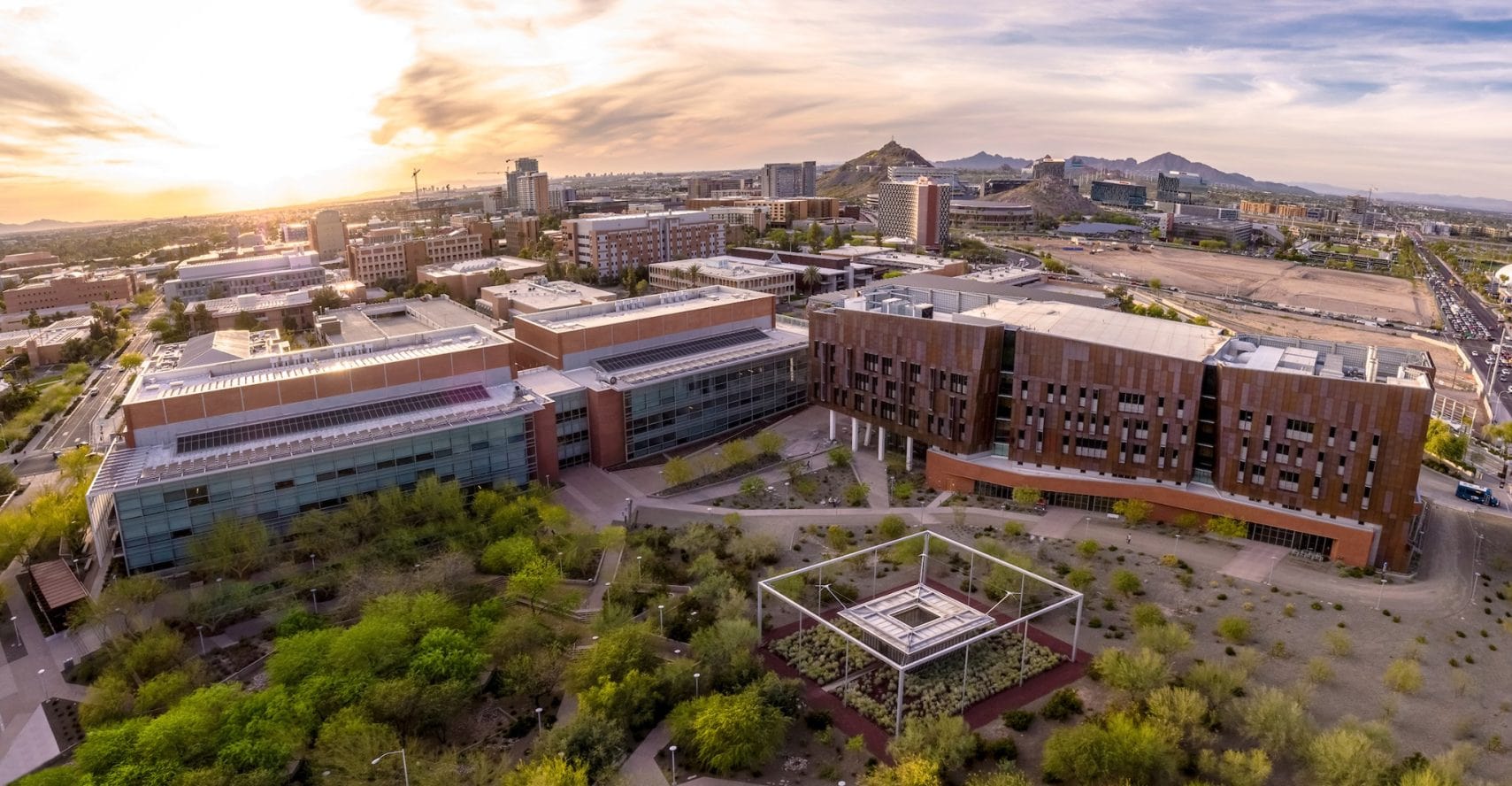
Each campus location serves as a gateway to local attractions. Near the Tempe campus, you can visit the Desert Botanical Garden or hike Papago Park. Downtown Phoenix offers museums, art galleries, and diverse culinary experiences. In Glendale, visitors can explore Westgate Entertainment District. These surrounding attractions enrich any trip to ASU, making it a comprehensive travel experience.
In conclusion, “Where is Arizona State University located?” is a question with a multifaceted answer. It is a dynamic network of distinct campuses, each a destination in its own right, offering unique academic foci and cultural experiences across the vibrant state of Arizona. Exploring these diverse locations reveals not just the physical presence of a leading university, but also the varied landscapes and opportunities that define this innovative institution.
LifeOutOfTheBox is a participant in the Amazon Services LLC Associates Program, an affiliate advertising program designed to provide a means for sites to earn advertising fees by advertising and linking to Amazon.com. Amazon, the Amazon logo, AmazonSupply, and the AmazonSupply logo are trademarks of Amazon.com, Inc. or its affiliates. As an Amazon Associate we earn affiliate commissions from qualifying purchases.