
For many, the mention of Arizona conjures images of endless sunshine, vast deserts, and scorching temperatures. While largely true, this perception overlooks one of the state’s most dramatic and eagerly anticipated annual phenomena: the monsoon season. Far from being a continuous downpour, Arizona’s monsoon is a period of intense, localized thunderstorms that transform the landscape, offering a unique travel experience for those prepared to embrace its dramatic shifts. Understanding when the monsoon season starts and what it entails is crucial for planning your perfect trip, whether you’re seeking outdoor adventure, urban exploration, or a luxurious desert escape.
Understanding Arizona’s Monsoon Season
The Arizona monsoon is not merely a rainy period; it’s a fundamental shift in atmospheric patterns that brings life-giving moisture to an otherwise arid region. For travelers, grasping its essence is key to appreciating this unique meteorological event.
The Official Start and End Dates
Officially, the Arizona monsoon season is defined as beginning on June 15th and concluding on September 30th each year. This fixed calendar period was adopted in 2008 by the National Weather Service for consistency in record-keeping and public messaging. However, it’s important to remember that these dates mark the official window, not necessarily when the first storm will roll in or when the last raindrop will fall. The onset and intensity of the monsoon can vary considerably from year to year. Some years see early and vigorous activity, while others might experience a delayed start or a less active season overall. Regardless of the exact timing, the meteorological conditions that produce these storms typically develop during this three-and-a-half-month span, influencing everything from daily temperatures to travel itineraries.
What is the Monsoon? A Meteorological Marvel
At its core, the Arizona monsoon is driven by a seasonal shift in wind patterns. During the scorching summer months, a large high-pressure system develops over the Four Corners region. This pressure system, combined with intense daytime heating of the desert surface, draws moisture-laden air northward and eastward from the Gulf of California and, occasionally, from the Gulf of Mexico. This influx of subtropical moisture clashes with the intense heat, creating unstable atmospheric conditions ripe for convection.
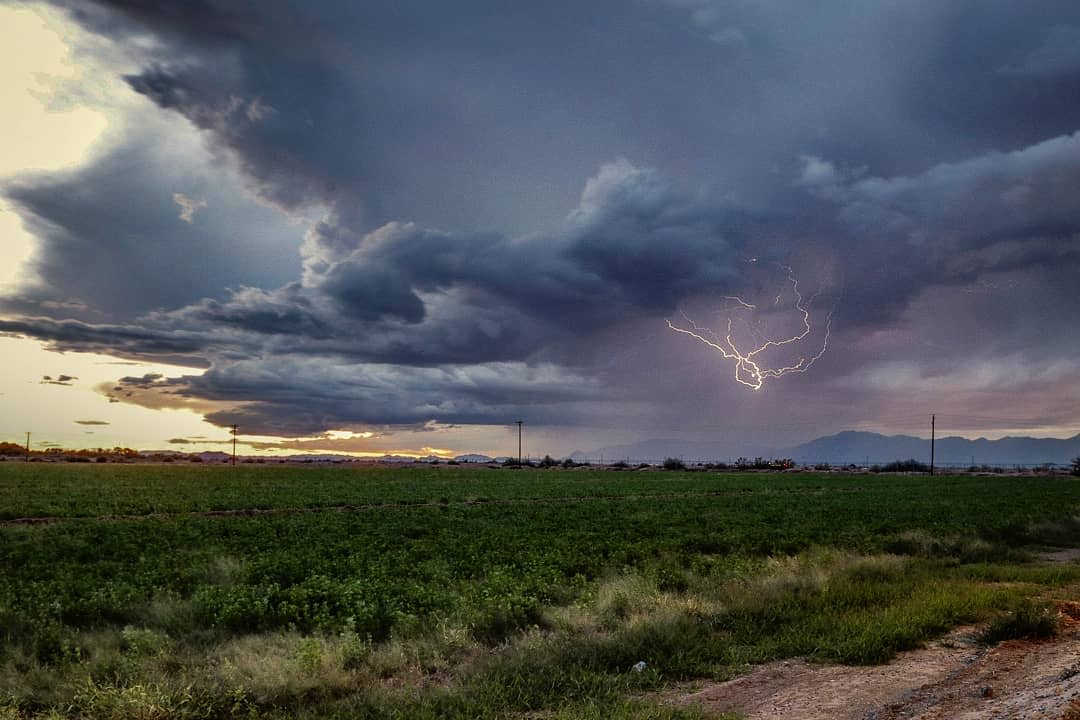
The result is a spectacular display of nature’s power: towering cumulonimbus clouds that build rapidly in the afternoon sky, culminating in powerful thunderstorms. These storms are characterized by heavy downpours, often accompanied by lightning, thunder, and strong, gusty winds. Unlike the prolonged, steady rains found in tropical monsoons, Arizona’s monsoon storms are typically short-lived but incredibly intense. They bring temporary relief from the oppressive summer heat, leaving behind a refreshing, earthy scent known as petrichor. This unique weather pattern offers a dramatic contrast to the preceding dry heat, transforming the desert landscape with sudden bursts of life and energy.

Travel Planning During Monsoon Season: What to Expect
Visiting Arizona during the monsoon season offers a unique set of challenges and rewards. Smart travelers understand the implications of these weather patterns and plan accordingly to maximize their safety and enjoyment.
Weather Patterns and Daily Rhythms
The typical monsoon day in Arizona follows a predictable rhythm, which travelers can use to their advantage. Mornings are usually clear, hot, and sunny – perfect for early outdoor activities. As the day progresses, particularly in the early to mid-afternoon, moisture begins to build, leading to the formation of dramatic thunderheads. By late afternoon or early evening, these clouds can erupt into intense thunderstorms. These storms are often localized, meaning one area might experience a torrential downpour while a nearby neighborhood remains dry. The storms usually pass relatively quickly, often within an hour or two, leaving behind cooler temperatures, cleaner air, and often stunning sunsets or rainbows. This diurnal pattern means that while the threat of a storm is present, it rarely means an entire day is washed out. Planning your more exposed outdoor activities for the cooler, calmer mornings is a strategic move.
Potential Impacts on Travel
While exciting, monsoon storms do carry significant risks and can impact travel plans. Awareness and preparedness are paramount.
- Flash Flooding: This is perhaps the most dangerous aspect of the monsoon. The desert landscape, with its hard-baked soil and steep washes, is not designed to absorb large amounts of water quickly. Heavy rainfall can rapidly turn dry washes into raging rivers, posing a severe threat to drivers and hikers. Never drive or walk through flooded areas. “Turn Around, Don’t Drown” is a critical safety mantra in Arizona. Check local weather advisories before venturing into canyon areas or remote desert trails, especially near slot canyons which are particularly susceptible.
- Dust Storms (Haboobs): Before or during a monsoon storm, strong outflow winds can kick up massive walls of dust, known as haboobs. These can reduce visibility to zero in minutes, creating hazardous driving conditions, especially on major highways like I-10 between Phoenix and Tucson. If caught in a haboob, pull off the road safely, turn off your lights, and take your foot off the brake.
- Heat: Despite the storms, average daily temperatures remain very high during the monsoon, often exceeding 100°F (38°C) in the lower deserts. Humidity levels also increase, making the “feels like” temperature even higher. Hydration is crucial, and heat exhaustion or stroke remains a significant concern.
- Flight Delays/Cancellations: Thunderstorms can lead to delays or cancellations at airports, particularly Phoenix Sky Harbor International Airport. It’s advisable to check flight statuses regularly during periods of active weather.
Embracing the Arizona Monsoon: Unique Experiences and Attractions
Far from being a deterrent, the monsoon season can actually enhance your Arizona adventure, offering unparalleled photographic opportunities and unique ways to experience the desert. The dramatic weather creates a vibrant backdrop for both natural and urban attractions.
Nature’s Spectacle
For nature lovers and photographers, the monsoon is a dream come true.
- Photography: The skies become a canvas for nature’s artistry. Dramatic, dark storm clouds contrast sharply with the sunlit desert floor, creating breathtaking scenes. Lightning shows, especially at dusk, are spectacular and provide incredible photo opportunities for those with the right equipment and safety precautions. Post-storm, the air is often crystal clear, revealing vibrant double rainbows stretching across the vast desert expanse. Capturing the interplay of light and shadow, the deep greens of revitalized vegetation, and the intense blues of the post-storm sky can be truly unforgettable.
- Desert Bloom: While spring is typically known for wildflowers, the monsoon rains can trigger a secondary, albeit more localized, bloom in late summer. Various cacti and desert plants respond to the sudden moisture, bursting with vibrant colors and renewed growth. The desert takes on a greener, more lush appearance, offering a refreshing contrast to its usual arid beauty. Areas like Saguaro National Park near Tucson are particularly stunning after a good rain.
- Temporary Waterfalls: In canyons and mountainous regions, normally dry washes can transform into ephemeral waterfalls after heavy rains. The sight of water cascading over red rock formations in places like Sabino Canyon or even within the mighty Grand Canyon (from viewpoints, not within inner canyon washes during a storm) is a rare and mesmerizing spectacle.
Urban Escapes and Indoor Activities
When the weather turns, Arizona’s vibrant cities offer plenty of indoor entertainment and cultural experiences.
- Phoenix & Scottsdale: In Phoenix and Scottsdale, you can explore world-class museums like the Heard Museum, showcasing Native American art and culture, or the Musical Instrument Museum. Indulge in retail therapy at high-end shopping centers like Scottsdale Fashion Square. Many luxury resorts also offer extensive indoor amenities, including opulent spas, gourmet dining, and fitness centers, perfect for unwinding while a storm rages outside.
- Tucson: Tucson boasts the renowned Arizona-Sonora Desert Museum, a zoo, botanical garden, and natural history museum all in one, with a mix of indoor and outdoor exhibits (plan outdoor visits for clear mornings). The city also has a burgeoning culinary scene, making it ideal for food tours and experiencing local culture through its diverse flavors.
- Sedona & Flagstaff: Even in cooler, higher elevations like Sedona and Flagstaff, unexpected showers provide an excuse to visit local art galleries, boutique shops, or enjoy a cozy meal by a fireplace (yes, even in summer in Flagstaff’s elevation).
Outdoor Adventures (with caution)
Outdoor enthusiasts can still enjoy Arizona’s natural beauty, provided they exercise caution and plan strategically.
- Morning Hikes: Take advantage of the clear, cooler (relatively) mornings for hikes. Iconic trails like Camelback Mountain or Pinnacle Peak near Phoenix, or trails within Saguaro National Park, are best tackled at dawn to avoid both the heat and potential afternoon storms. Always check weather forecasts and be prepared to turn back if conditions change.
- Golfing: Many of Arizona’s world-class golf courses are open throughout the monsoon. Early morning tee times are advisable to beat the heat and minimize the chance of being caught in a storm. The post-storm air can also make for a very pleasant back nine.
- Stargazing: After a monsoon storm, the air is often cleansed of dust and pollutants, leading to incredibly clear night skies. Head away from city lights to dark sky preserves around Sedona, Flagstaff, or rural areas, and you might witness some of the most spectacular stargazing opportunities available anywhere.

Accommodation and Lifestyle Tips for Monsoon Travel
The choice of accommodation and thoughtful preparation can significantly enhance your monsoon season visit to Arizona, transforming potential inconveniences into opportunities for relaxation and unique experiences.
Choosing Your Stay
Your accommodation plays a pivotal role in ensuring comfort during the monsoon season, especially given the unpredictable afternoon weather.
- Resorts with Amenities: This is where Arizona’s luxury resorts truly shine. Properties like The Phoenician in Scottsdale or the JW Marriott Starr Pass Resort in Tucson offer an abundance of indoor and outdoor amenities. When a storm rolls in, you can retreat to world-class spas, enjoy gourmet dining at on-site restaurants, work out in state-of-the-art fitness centers, or simply relax in lavish suites. Many resorts feature multiple pools, some of which may be partially covered or heated, allowing for enjoyment even during or immediately after a shower. The comprehensive services mean you rarely need to leave the property, making them ideal havens during inclement weather.
- Booking Flexibly: Regardless of your chosen accommodation type, always opt for booking with flexible cancellation policies. The monsoon season, while generally predictable in its pattern, can have unpredictable specific storm events that might necessitate a change of plans, especially for outdoor excursions.
- Vacation Rentals: For longer stays, families, or those seeking a more local experience, apartments and villas offer greater flexibility and space. Having a full kitchen allows you to prepare meals, which can be a cozy option during a storm or simply a way to save on dining expenses. Many vacation rentals come with private pools, offering a refreshing escape during hot, clear mornings. Websites specializing in accommodation often feature reviews that highlight properties suitable for various weather conditions.
Packing Essentials and Safety
Preparation is key to a comfortable and safe monsoon trip.
- What to Pack: Pack lightweight, breathable clothing for the heat. While it might seem counterintuitive, a light rain jacket or umbrella can be useful for sudden downpours. Waterproof bags are excellent for protecting electronics if you’re out and about. Most importantly, bring plenty of water bottles and stay hydrated. Sun protection (hats, sunglasses, high-SPF sunscreen) is still crucial for the intense sun between storms.
- Vehicle Preparedness: If you’re driving, ensure your vehicle is in good condition, especially your tires and wipers. Keep an emergency kit in your car with water, snacks, a first-aid kit, and a flashlight. Always keep your gas tank at least half full.
- Stay Informed: Monitor local weather forecasts diligently using reliable weather apps or local news channels. The Arizona Department of Transportation (ADOT) provides excellent real-time road condition updates, especially important for flash flood and dust storm warnings. Never underestimate the power of floodwaters; “Turn Around, Don’t Drown” is a life-saving directive.
Budget vs. Luxury Travel
The monsoon season presents interesting dynamics for different travel styles.
- Budget Travel: Due to the intense summer heat, the monsoon period often sees a slight dip in tourist numbers, particularly in the lower desert areas. This can sometimes translate into lower accommodation rates for hotels, resorts, and even attractions, making it a potentially cost-effective time for budget-conscious travelers. If you can tolerate the heat and are willing to plan your activities around the afternoon storms, you might find some great deals.
- Luxury Travel: For luxury travelers, the monsoon offers a unique backdrop for an indulgent escape. As mentioned, high-end resorts are perfectly equipped to handle the weather, providing seamless transitions between outdoor relaxation and opulent indoor amenities. The dramatic skies and temporary waterfalls can enhance the exclusivity of experiences like private desert tours (when safe) or hot air balloon rides (often scheduled for early morning to avoid storms). The “lifestyle” aspect of luxury travel is truly realized when a resort can offer an exquisite experience regardless of the weather outside.
In conclusion, the Arizona monsoon, running officially from June 15th to September 30th, is far more than just a rainy season. It’s a spectacular natural phenomenon that dramatically reshapes the desert landscape and offers a unique perspective on the Grand Canyon State. While it demands respect for its powerful weather, with careful planning, awareness of safety precautions, and a willingness to embrace the unexpected, you can unlock a truly unforgettable travel experience. From witnessing nature’s raw power in flash floods and dust storms to marveling at vibrant rainbows and lush desert growth, the monsoon provides a dramatic and enriching chapter in any Arizona adventure.
LifeOutOfTheBox is a participant in the Amazon Services LLC Associates Program, an affiliate advertising program designed to provide a means for sites to earn advertising fees by advertising and linking to Amazon.com. Amazon, the Amazon logo, AmazonSupply, and the AmazonSupply logo are trademarks of Amazon.com, Inc. or its affiliates. As an Amazon Associate we earn affiliate commissions from qualifying purchases.