
The allure of Southern American cuisine is undeniable, a rich tapestry woven with history, hospitality, and, most importantly, incredible flavor. Among its crown jewels is the humble yet majestic Boston Butt – a cut of pork that forms the heart of countless barbecue traditions across the American South. While the purists might insist on smoke and open flames, mastering the art of cooking Boston Butt in your oven offers an equally rewarding experience, bringing the authentic tastes of Carolina pulled pork right into your home kitchen. This isn’t merely a recipe; it’s an invitation to explore a significant facet of Southern American food culture, a culinary adventure that promises tender, flavorful results and a deeper appreciation for regional gastronomy.
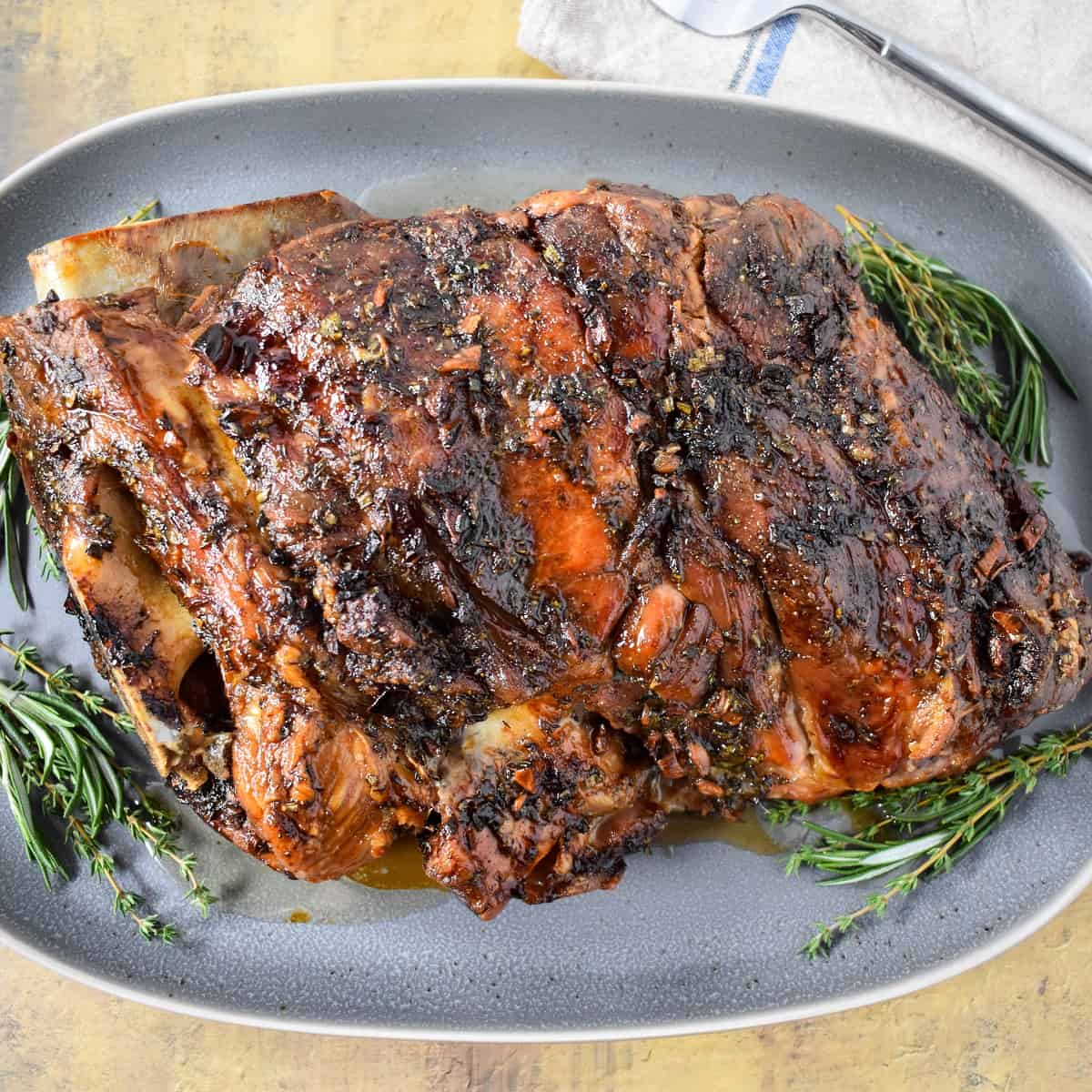
Cooking Boston Butt in the oven is more than just a convenience; it’s an accessible pathway to replicating the beloved barbecue traditions that define so many Southern communities. From the slow, patient cooking process that renders the meat incredibly tender to the development of a complex flavor profile, every step is a nod to the time-honored methods perfected over generations. This guide will walk you through transforming a simple cut of pork into a succulent masterpiece, allowing you to savor the rich heritage of Southern barbecue, no matter where your culinary journey takes you.
Understanding the Legacy of Boston Butt: More Than Just Pork
Before we dive into the specifics of oven cooking, it’s crucial to understand what Boston Butt is and why it holds such a revered status in Southern cuisine. Dispelling common misconceptions and appreciating its cultural significance will enrich your cooking experience and deepen your connection to the food you create.
What Exactly is Boston Butt? Dispelling Misconceptions
Despite its name, Boston Butt has no direct culinary connection to Boston, Massachusetts, nor is it, as some might assume, from the rear end of a pig. In actuality, Boston Butt refers to the pork shoulder, specifically the upper part of the front leg of the hog, which includes the shoulder blade. This cut is rich in intramuscular fat and connective tissue, making it ideal for low-and-slow cooking methods. These elements break down over time, yielding incredibly moist, tender, and flavorful meat that is perfect for pulling apart.
The name’s origin is somewhat debated but generally attributed to colonial New England where butchers would pack less prized cuts of pork into barrels, known as “butts,” for storage and shipment. The specific shoulder cut became known as the “Boston Butt” in these barrels. As the meat gained popularity, especially in the South, the name stuck, irrespective of its geographic origin.
A Staple of Southern Cuisine: Its Cultural Resonance
The Boston Butt is the foundational cut for much of the Southern barbecue tradition, particularly for pulled pork. In states like North Carolina, South Carolina, Virginia, Georgia, Alabama, Mississippi, Louisiana, and Florida, pulled pork is not just food; it’s a cultural touchstone. It symbolizes community gatherings, celebratory feasts, and the patient art of barbecue. Each region boasts its own distinctive rub, sauce, and cooking nuances, but the core ingredient remains the same: a perfectly cooked Boston Butt. By learning to prepare this dish, you’re not just cooking; you’re participating in a culinary tradition that tells a story of regional identity and shared heritage.
The Art of Oven-Roasted Boston Butt: Mastering Flavor and Tenderness
While traditionalists might champion the smoker, the oven provides a controlled environment that ensures consistent results without the need for specialized equipment or constant monitoring. The key to success lies in understanding the principles of low-and-slow cooking and applying a thoughtful approach to seasoning and moisture retention.
Selecting Your Cut and Preparing for Perfection
The journey to incredible pulled pork begins with the right Boston Butt. Look for a cut that weighs between 6-8 pounds, with a good amount of intramuscular fat marbling. A bone-in butt is often preferred as the bone adds flavor and helps conduct heat, leading to more even cooking.
Preparation is minimal but crucial:
- Pat Dry: Before applying any rub, thoroughly pat the pork dry with paper towels. This helps the rub adhere better and promotes a more flavorful crust (bark).
- Trim Excess Fat (Optional): While fat is essential for moisture and flavor, you can trim off excessively thick pieces of the fat cap if you prefer, leaving about ¼ to ½ inch. This allows more surface area for the rub to penetrate while still providing plenty of moisture.
The Rub: Foundation of Flavor
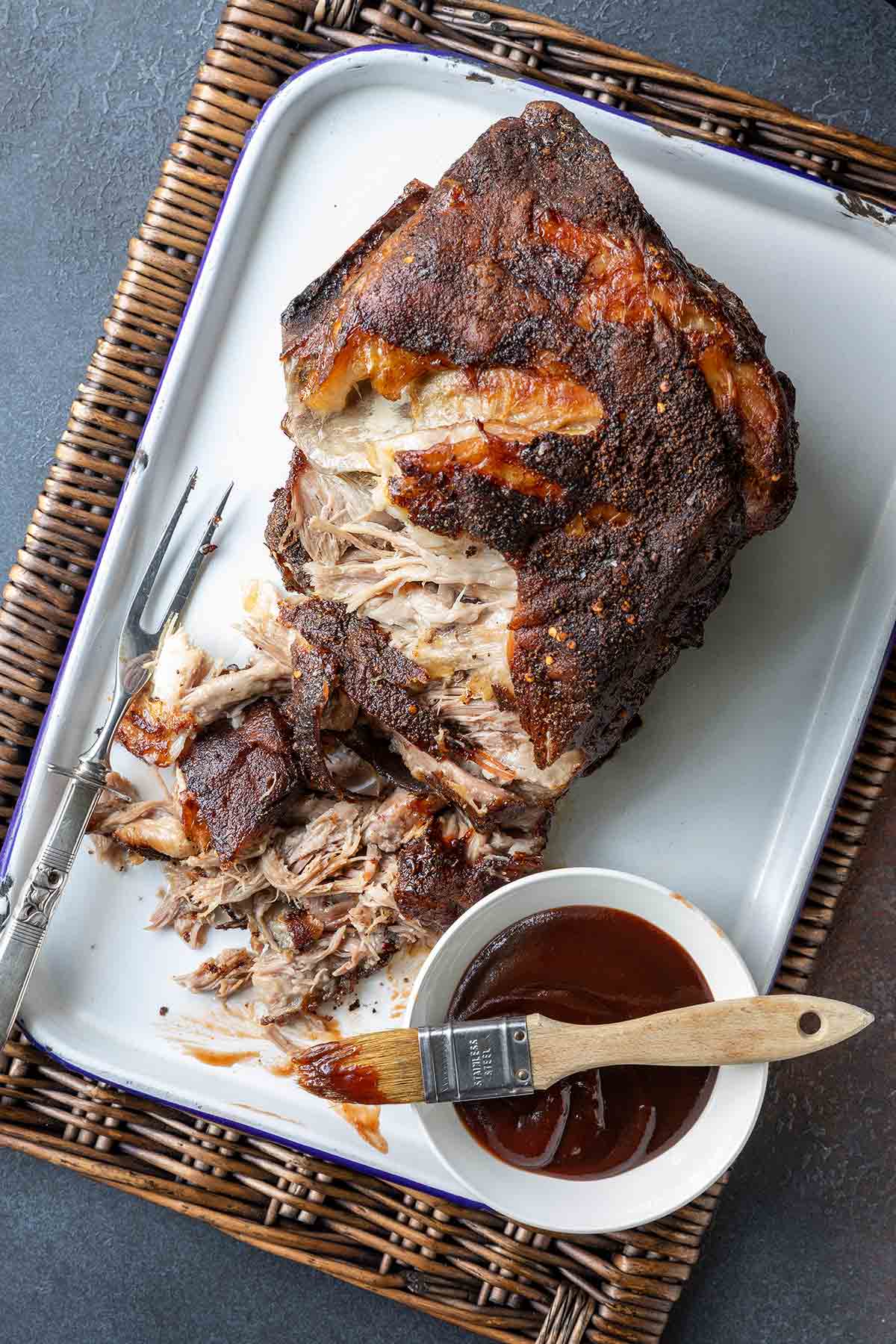
The rub is where much of the character of your Boston Butt is established. While commercial rubs are available, creating your own allows for customization and a deeper connection to the dish. A classic Southern rub typically includes brown sugar, paprika (smoked paprika for an extra layer of flavor), salt, black pepper, garlic powder, onion powder, and a touch of cayenne for heat.
Application:
- Generously coat the entire surface of the Boston Butt with your chosen rub. Don’t be shy; aim for a thick, even layer.
- Gently massage the rub into the meat.
- For best results, allow the rubbed pork to rest in the refrigerator for at least 4 hours, or ideally overnight (up to 24 hours). This allows the flavors to penetrate the meat deeply. Cover it loosely or place it in a large zip-top bag to prevent drying out.
The Low and Slow Magic of the Oven
The principle of “low and slow” is paramount for Boston Butt. This extended cooking time at a lower temperature allows the tough connective tissues to break down into gelatin, resulting in that signature fall-apart tenderness.
- Preheat: Preheat your oven to a consistent 275°F (135°C). Lower temperatures, like 225°F (107°C), can also be used, simply extending the cooking time.
- Roasting Pan Setup: Place the rubbed Boston Butt in a large roasting pan, preferably on a rack to allow air circulation around the meat. You can add about an inch of apple juice, chicken broth, or water to the bottom of the pan to help maintain moisture and catch drippings for basting or sauce later.
- Cooking Time: A good rule of thumb is approximately 1.5 to 2 hours per pound, though this can vary. For a 7-pound Boston Butt, expect a cooking time of 10-14 hours. The most reliable indicator of doneness is internal temperature and tenderness.
- Internal Temperature: Cook until the internal temperature, measured with an instant-read thermometer in the thickest part of the meat (avoiding the bone), reaches between 195°F (90°C) and 205°F (96°C). At this stage, the collagen has broken down, and the meat will be incredibly tender.
- Foil Wrap (Optional Stall Breaker): Around the 6-8 hour mark, or when the internal temperature reaches about 160-170°F (71-77°C), the meat might hit a “stall” where its temperature plateaus. You can wrap the butt tightly in aluminum foil and return it to the oven. This helps push through the stall and retains moisture.
Resting for Perfection: The Final Critical Step
Once the Boston Butt reaches its target internal temperature and is fork-tender, remove it from the oven. Keep it wrapped in foil (or wrap it now if you didn’t earlier) and let it rest on a cutting board for at least 30 minutes, or up to an hour. This resting period is critical; it allows the juices to redistribute throughout the meat, ensuring maximum moisture and flavor. Rushing this step will result in drier, less flavorful pulled pork.
Crafting the Perfect Southern BBQ Experience at Home
Cooking the Boston Butt is just one part of the immersive Southern culinary experience. To truly honor the tradition, attention must be paid to the accompaniments – the side dishes, the sauces, and the overall presentation.
Shredding the Succulent Meat
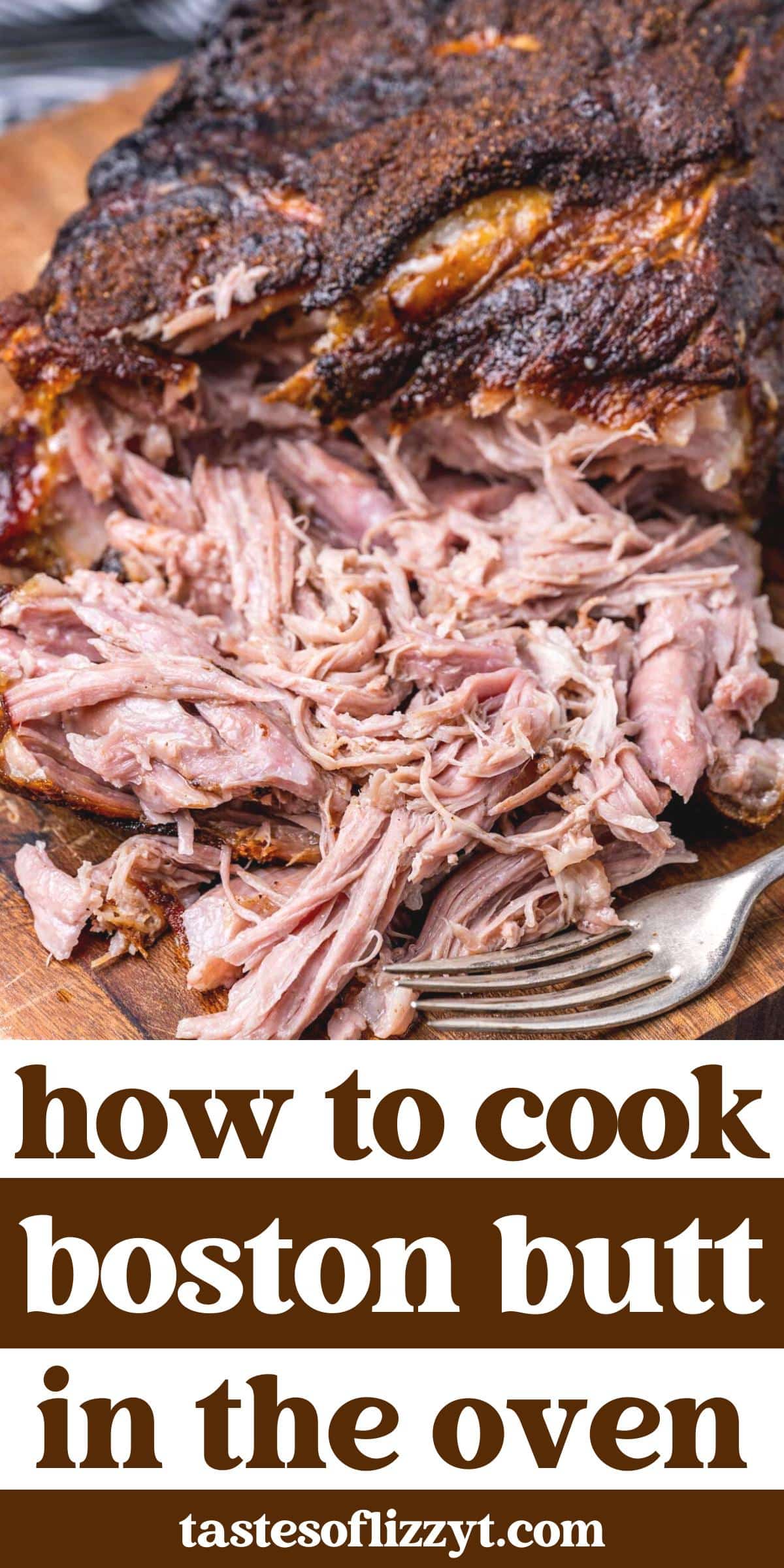
After resting, the Boston Butt should be so tender that you can shred it effortlessly using two forks or even your hands (wearing heat-resistant gloves). Discard any large pieces of fat or gristle, though some smaller, rendered fat pieces add flavor. If you used liquid in the roasting pan, separate the fat and incorporate some of the defatted pan juices back into the shredded pork for extra moisture and flavor. This is often referred to as “pulled pork” because of the way the meat is literally “pulled” apart.
The Essential Side Dishes
A pulled pork sandwich is rarely served alone in the South. Complementary sides elevate the meal from simple comfort food to a full-fledged feast.
- Coleslaw: Creamy, tangy coleslaw is practically mandatory. Its crisp texture and bright flavor provide a refreshing contrast to the rich pork. Whether vinegar-based or mayonnaise-based, it’s a non-negotiable side.
- Macaroni and Cheese: Rich, cheesy, and utterly comforting, macaroni and cheese is a beloved side that adds a creamy, indulgent element.
- Cornbread: Sweet or savory, cornbread offers a delightful texture and a traditional Southern touch, perfect for soaking up any extra sauce.
- Baked Beans: Often slow-cooked with molasses, bacon, and various seasonings, baked beans are another classic barbecue accompaniment.
- Pickles: Dill pickles or bread and butter pickles offer a crucial acidic counterpoint that cuts through the richness of the pork.
The Role of Sauce: Regional Variations
While a perfectly cooked Boston Butt is flavorful on its own, barbecue sauce is an integral part of the experience, especially for pulled pork sandwiches. The type of sauce often defines the regional barbecue style:
- North Carolina Vinegar Sauce: Tangy and thin, this sauce is often seasoned with red pepper flakes and is designed to enhance, not overpower, the pork.
- South Carolina Mustard Sauce: A unique, distinctive sauce with a tangy mustard base, often sweetened with brown sugar and vinegar.
- Memphis Style: Often a sweet and savory tomato-based sauce.
- Kansas City Style: Thick, sweet, and tangy with a robust tomato and molasses base.
Offer a selection of sauces, or make a classic vinegar-based sauce to stay true to the pulled pork tradition. You can serve the sauce on the side, allowing guests to customize their sandwiches, or lightly toss some with the shredded pork before serving.
Beyond the Plate: The Cultural Significance of Boston Butt
The act of cooking Boston Butt in the oven, though seemingly a simple culinary task, is a profound engagement with Southern American culture. It’s a testament to the idea that food is more than just sustenance; it’s a narrative, a history lesson, and a community builder. Each bite connects you to generations of pitmasters, home cooks, and families gathered around a table.
From the specific nomenclature that tells a story of colonial trade to the regional variations in seasoning and sauce that reflect diverse culinary landscapes, the Boston Butt embodies a rich cultural heritage. By undertaking this cooking project, you’re not only mastering a delicious dish but also embarking on a mini-tourism experience, exploring the flavors and traditions that define a significant part of American identity. Whether it inspires you to visit the South to taste the authentic regional variations or simply deepens your appreciation for culinary history, cooking Boston Butt in your oven is an enriching journey worth taking. It transforms your kitchen into a gateway to Southern hospitality, one tender, flavorful bite at a time.
LifeOutOfTheBox is a participant in the Amazon Services LLC Associates Program, an affiliate advertising program designed to provide a means for sites to earn advertising fees by advertising and linking to Amazon.com. Amazon, the Amazon logo, AmazonSupply, and the AmazonSupply logo are trademarks of Amazon.com, Inc. or its affiliates. As an Amazon Associate we earn affiliate commissions from qualifying purchases.