
The question “How far is Boston to Cambridge?” is more nuanced than a simple measurement of miles or kilometers. While geographically proximate, the journey between these two iconic Massachusetts cities offers a spectrum of travel experiences, each with its own advantages and considerations. Often considered sister cities, separated only by the historic Charles River, Boston and Cambridge are distinct in their character yet intrinsically linked by history, culture, and daily life. Whether you’re a tourist exploring New England’s rich heritage, a student commuting between world-renowned universities, or a business professional navigating the region’s innovation hub, understanding the various transportation options and their implications is key to a seamless and enjoyable journey. This guide delves into the distances, travel times, and modes of transport, offering insights to help you choose the best way to bridge the gap between these vibrant urban centers.
The Proximity and Practical Distance
At first glance, the physical distance between Boston and Cambridge is remarkably short, making them feel less like separate cities and more like interconnected neighborhoods. However, the “effective” distance – the actual time and effort it takes to travel – can vary significantly based on your chosen method of transportation, the specific points of origin and destination, and prevailing conditions.
Geographic Overview
Boston and Cambridge are situated directly across from each other, with the Charles River acting as their natural boundary. This close relationship means that driving distances are typically just a few miles, often ranging from 2 to 5 miles (approximately 3 to 8 kilometers), depending on the specific starting and ending points within each city. For instance, the distance from Boston Common in Boston to Harvard Square in Cambridge is roughly 3-4 miles. This compact geography is one of the region’s greatest assets, facilitating easy movement and fostering a shared urban experience. Numerous bridges elegantly span the Charles River, serving as vital conduits for pedestrians, cyclists, and vehicles, further solidifying the connection between the two municipalities.
The “Effective” Distance
While the mileage might suggest a quick trip, the reality of urban travel introduces several variables. Traffic congestion, especially during peak commuter hours, can transform a short drive into a prolonged crawl. Conversely, efficient public transport or a scenic walk/bike ride can make the journey feel quicker and more enjoyable. The “effective” distance, therefore, isn’t just about the physical space, but about the overall time commitment and the quality of the travel experience. A trip that’s 3 miles by car could take 20 minutes in heavy traffic but only 10 minutes by subway, or 25 minutes by bicycle along a dedicated path. Understanding this distinction is crucial for planning your movements in the Boston-Cambridge area.
Navigating Between Boston and Cambridge: Your Transport Options
The excellent connectivity between Boston and Cambridge means travelers have a wealth of options, each catering to different preferences for speed, cost, and experience. Choosing the right mode of transport can significantly impact your journey.
Public Transportation: The T (MBTA)
The backbone of public transit in greater Boston is the Massachusetts Bay Transportation Authority, affectionately known as “the T.” For travel between Boston and Cambridge, the subway system is usually the most efficient and reliable choice, particularly during busy times.
- The Red Line: This is the primary and most direct link. It runs from Alewife Station in Cambridge, through major Cambridge hubs like Harvard Square, Central Square, and Kendall Square, before crossing the Longfellow Bridge into Boston. In Boston, it connects to key stations such as Charles/MGH, Park Street, and South Station, offering seamless transfers to other subway lines (Green Line, Orange Line, Blue Line) and commuter rail services. Fares are affordable and typically paid using a CharlieCard or CharlieTicket.
- Frequency and Efficiency: The Red Line operates frequently throughout the day, ensuring minimal wait times. During rush hour, trains arrive every few minutes, making it an excellent option for commuters.
Driving and Ride-Sharing
While offering door-to-door convenience, driving between Boston and Cambridge presents unique challenges.
- Traffic Congestion: Boston and Cambridge are known for their dense urban environments and, consequently, their traffic. Peak morning and evening rush hours, as well as special events, can significantly prolong travel times.
- Parking: Finding affordable and available parking in either city can be a major hurdle. Parking garages are plentiful but can be expensive, while street parking is often restricted or meter-fed with limited duration.
- Bridges and Routes: Major routes include Storrow Drive/Memorial Drive along the Charles River and various bridges like the Longfellow Bridge and the Charles River Dam Bridge.
- Ride-Sharing Services (Uber, Lyft): These services are readily available and provide a comfortable, private transport option. However, they are subject to the same traffic delays as private vehicles, and pricing can fluctuate dramatically based on demand (surge pricing).
Biking and Walking
For those who prefer active transportation, the journey between Boston and Cambridge can be a highlight of their visit.
- Scenic Routes: The Charles River Esplanade offers picturesque paths perfect for walking, jogging, or cycling, providing stunning views of the skylines and the river.
- Bike-Sharing Programs: Services like Bluebikes have numerous stations on both sides of the river, making it easy to pick up a bike in one city and drop it off in the other.
- Pedestrian-Friendly Bridges: Most bridges, including the Longfellow Bridge, are equipped with dedicated pedestrian and bike lanes, ensuring safe passage.
- Benefits: This mode offers health benefits, environmental friendliness, and the opportunity to experience the cities at a slower, more immersive pace, discovering hidden gems along the way.
Travel Times and Considerations
Understanding the typical travel times for each mode of transport is essential for effective planning, especially when considering the dynamic urban environment of Boston and Cambridge.
Peak vs. Off-Peak Travel
The most significant factor influencing travel time is whether you’re traveling during rush hour.
- Morning Rush (approx. 7 AM – 9:30 AM) & Evening Rush (approx. 4 PM – 6:30 PM): During these times, road traffic is at its heaviest, potentially doubling or tripling drive times. While the MBTA Red Line runs more frequently, trains can be very crowded, and slight delays might occur.
- Off-Peak Hours: Outside of rush hours, travel is generally much smoother. Driving is faster, and public transport is less crowded. Weekend travel can also be affected by events, but typically offers less congestion than weekday rush hours.
Factors Affecting Duration
Beyond peak times, several other elements can impact how long your journey takes:
- Specific Origin and Destination: A trip from Harvard University in Cambridge to Boston Common will differ from a trip between MIT and the Seaport District, even within the same cities.
- Weather Conditions: Rain, snow, or ice can slow down all forms of transportation, affecting road conditions and potentially causing minor delays on the T.
- Special Events: Major events like the Boston Marathon, university graduations, concerts, or parades can lead to road closures, rerouted public transport, and significantly increased traffic and crowds. Always check local advisories if planning to travel during such times.
Average Journey Times
To provide a general idea, here are estimated travel times for a typical journey between central points in Boston and Cambridge (e.g., Park Street to Harvard Square):
- By MBTA Red Line: Approximately 10-20 minutes, including walking to and from stations. This is often the most consistent option.
- By Car/Ride-Share: 15-25 minutes during off-peak hours, but can easily extend to 30-45+ minutes during heavy traffic or with parking considerations.
- By Bicycle: 20-30 minutes, depending on your pace and the specific route.
- By Walking: 45-60+ minutes, offering a leisurely way to see the sights.
Choosing Your Ideal Mode of Transport
The “best” way to travel between Boston and Cambridge depends entirely on your priorities, whether they are speed, cost, experience, or convenience.
For Tourists and First-Timers
For visitors, the MBTA Red Line is highly recommended. It’s cost-effective, avoids the stress of driving and parking, and quickly connects you to major attractions and cultural sites in both cities. Consider purchasing a CharlieCard for easier fare payment. For a more immersive experience, walking or biking along the Charles River Esplanade offers unparalleled views and a deeper connection to the local environment, making the journey part of the destination.
For Business Travelers and Commuters
For those on a tight schedule or frequent commuters, the MBTA Red Line often remains the most reliable and fastest option, especially during rush hour when road traffic is unpredictable. While ride-sharing services (Uber, Lyft) offer door-to-door convenience, the potential for traffic delays and surge pricing should be factored into your decision. If driving is essential (e.g., carrying equipment), plan your travel outside of peak hours or allocate ample extra time.
Budget-Conscious Travel
For travelers prioritizing cost savings, walking and biking are entirely free (excluding Bluebikes rental fees), offering a fantastic way to explore without spending a dime on transport. The MBTA is the next most economical choice, with standard fares providing excellent value for urban transit. Driving, including gas, tolls, and potentially expensive parking, is generally the priciest option.
Accessibility Needs
The MBTA is continually working to improve accessibility across its system. Most Red Line stations and trains are accessible, making subway travel feasible for individuals with mobility challenges. Ride-sharing services also offer accessible vehicle options upon request, providing an alternative for door-to-door service.
Beyond the Journey: Exploring What Lies Between
The journey between Boston and Cambridge is more than just covering a distance; it’s an opportunity to experience the unique fabric that weaves these cities together. The geographic closeness and shared natural beauty mean that the transition from one to the other is often seamless, inviting exploration along the way.
Iconic Bridges
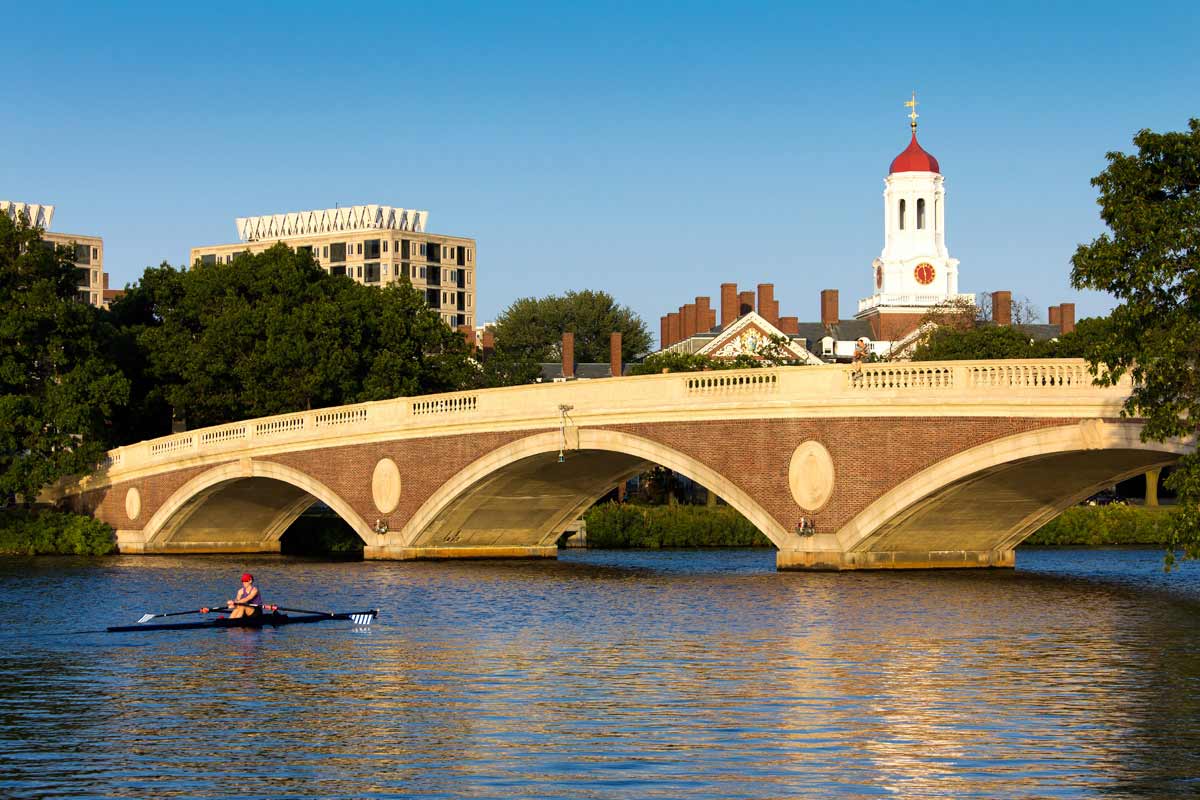
The bridges that connect Boston and Cambridge, particularly the Longfellow Bridge with its distinctive “salt-and-pepper shaker” towers, are landmarks in themselves. Crossing them, whether by T, car, bike, or foot, offers captivating views of the river, the Boston skyline, and the architectural marvels of Cambridge, including MIT’s campus. These crossings provide fantastic photo opportunities and a moment to appreciate the scale and beauty of the urban landscape.
The Charles River Esplanade
The Charles River Esplanade, a verdant linear park stretching for miles along the Boston side of the river (with parallel paths on the Cambridge side), is a recreational haven. It’s where locals and visitors alike come to walk, run, bike, picnic, and enjoy waterside activities. This expansive parkland transforms the concept of travel between the cities into a scenic and rejuvenating experience, highlighting the deep connection between urban living and natural spaces. It’s a testament to how these cities have embraced their shared river, turning a boundary into a communal asset.
Seamless Urban Experience
Ultimately, the proximity of Boston and Cambridge ensures that your visit to one easily extends to the other. The cultural, academic, and economic vibrancy of both cities complements each other, creating a richer overall experience for anyone exploring the region. From the historic charm of Boston’s Beacon Hill to the intellectual buzz of Harvard Square, the journey between them is a short one, easily traversed and full of discovery.
In conclusion, while the physical distance from Boston to Cambridge is minimal, the “how far” question truly encompasses the travel experience. With robust public transit, scenic active transport options, and the convenience of ride-shares, bridging the gap between these two dynamic cities is straightforward and often part of the adventure itself. Plan wisely, choose your mode, and immerse yourself in the vibrant, interconnected spirit of Boston and Cambridge.
LifeOutOfTheBox is a participant in the Amazon Services LLC Associates Program, an affiliate advertising program designed to provide a means for sites to earn advertising fees by advertising and linking to Amazon.com. Amazon, the Amazon logo, AmazonSupply, and the AmazonSupply logo are trademarks of Amazon.com, Inc. or its affiliates. As an Amazon Associate we earn affiliate commissions from qualifying purchases.