
The allure of Nantucket, a charming island retreat off the coast of Massachusetts, often begins with a simple question for those in the bustling metropolis of Boston: “How far is it, really?” While geographically straightforward, the journey from Boston to Nantucket is more than just a matter of miles; it’s an experience shaped by various travel modes, scenic routes, and the anticipation of arriving at a unique destination. This guide delves into the specifics of bridging the gap between urban sophistication and island tranquility, offering insights into distances, travel options, and preparation tips to ensure your Nantucket adventure is as smooth as it is memorable.
Unveiling the Distance: Boston to Nantucket
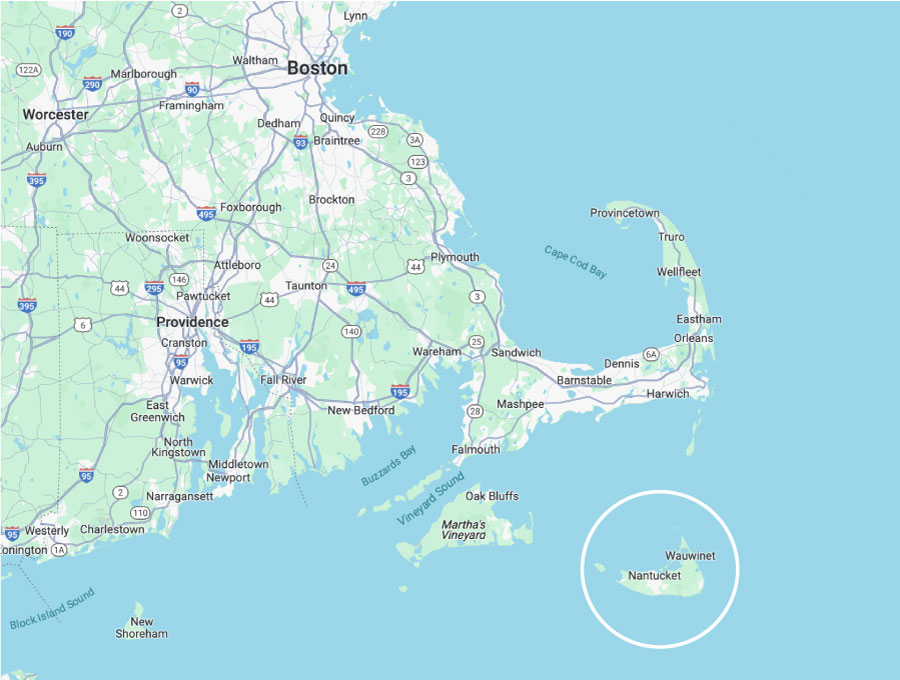
Understanding the “distance” between Boston and Nantucket requires looking beyond a mere straight-line measurement. While the crow flies, travelers must contend with land, sea, and sometimes air, each adding its own dimension to the total travel time and experience.
The Straight Line vs. The Travel Path
In a direct line, Nantucket lies approximately 90-100 miles southeast of Boston. This aerial distance gives a sense of proximity but doesn’t account for the practicalities of travel. Given that Nantucket is an island, accessing it necessitates either a flight or a ferry trip, both of which introduce intermediate steps and longer travel paths. For instance, traveling by ferry involves first getting to a ferry terminal on Cape Cod, significantly increasing the ground distance covered before even embarking on the water journey. This multi-modal approach is crucial for planning, as the effective travel distance—and more importantly, time—will vary greatly depending on your chosen method.
Geographical Overview: From City to Island
Boston, the capital of Massachusetts, serves as a major transportation hub for New England and beyond. Its vibrant urban landscape and historical significance make it a natural starting point for many travelers. Nantucket, on the other hand, is an island situated about 30 miles south of Cape Cod. Known for its preserved historic cobblestone streets, whaling history, pristine beaches, and stringent building codes that maintain its classic charm, Nantucket feels a world away from Boston’s hustle and bustle. The geographical separation by water is what defines the unique travel pathways and contributes to Nantucket’s exclusive, sought-after appeal. The journey itself becomes part of the island experience, a gradual transition from mainland life to the rhythm of the sea.
Navigating the Journey: Your Travel Options
Traveling from Boston to Nantucket offers a spectrum of choices, each catering to different preferences regarding speed, cost, and overall experience. Whether you prioritize swift arrival or savor the scenic route, there’s a mode of transport tailored for your island getaway.
By Air: The Quickest Route
For those who value time above all else, flying is unequivocally the fastest way to reach Nantucket. Regional airlines provide direct flights, making the journey from Boston Logan International Airport (BOS) to Nantucket Memorial Airport (ACK) a breeze.
- Details: Flights typically operate multiple times a day, especially during peak season (summer). These are often short-haul flights on smaller propeller planes, offering unique aerial views of Cape Cod and the islands.
- Airlines: Key carriers for this route include Cape Air and Tradewind Aviation, among others, providing reliable service.
- Pros: The most significant advantage is speed; flight time is a mere 30-45 minutes. It bypasses potential traffic on Cape Cod and offers unparalleled scenic vistas.
- Cons: Flights tend to be the most expensive option, particularly if booked last minute or during high demand periods. Luggage restrictions can be tighter on smaller aircraft, and adverse weather conditions (fog, high winds) can occasionally lead to delays or cancellations, a common consideration for island air travel.
- Duration: Factoring in check-in, security, and potential airport transfers, the total travel time from downtown Boston to Nantucket by air is typically 2-3 hours.
By Ferry: The Classic Island Experience
Opting for a ferry offers a quintessential Nantucket experience, allowing you to feel the ocean breeze and soak in the coastal atmosphere. However, taking a ferry from Boston requires an initial ground journey to a ferry terminal on Cape Cod.
- Details: The primary departure point for Nantucket ferries is Hyannis. Seasonal services may also operate from Harwich Port.
- Ferry Operators: The two main companies serving Nantucket from Hyannis are Hy-Line Cruises and Steamship Authority.
- Types of Ferries:
- Fast Ferries: Passenger-only, these vessels significantly cut down travel time across the sound. Hy-Line Cruises offers fast ferry service.
- Traditional Ferries: Operated by Steamship Authority, these ferries accommodate both passengers and vehicles, making them the only option if you plan to bring your car to the island. They are slower but often more spacious and offer amenities.
- Pros: Generally more economical than flying, especially for families or groups. Taking a traditional ferry allows you to bring your own vehicle, offering flexibility on the island. The journey itself is scenic and relaxing, a true part of the island vacation experience.
- Cons: This is the longest travel option. The drive from Boston to Cape Cod can be subject to heavy traffic, particularly during summer weekends. Ferry schedules can be limited, and vehicle reservations on traditional ferries fill up months in advance.
- Duration: The drive or bus ride from Boston to Hyannis typically takes 1.5 to 2 hours without traffic. The fast ferry from Hyannis to Nantucket takes approximately 1 hour, while the traditional ferry takes about 2 hours and 15 minutes. Combining these, the total travel time can range from 3 to 5 hours, depending on traffic, connection times, and ferry type.
Combining Modes: A Seamless Transit Plan
Many travelers opt for a combination of ground and sea transport to optimize their journey.
- Bus/Train to Cape Cod: Public transportation services like Peter Pan Bus Lines offer routes from Boston to Hyannis transportation center, often with direct connections to the ferry terminals. The MBTA Commuter Rail offers seasonal service to Hyannis as well. This eliminates the stress of driving and parking on Cape Cod.
- Driving to Cape Cod: If you prefer to drive, be mindful of peak-season traffic, especially on Route 3 and Route 6. Parking is available at or near the ferry terminals in Hyannis, but it fills up quickly and can be costly for extended stays.
- Considerations: When planning a multi-modal journey, always factor in buffer time for transfers and potential delays. Booking all segments, especially ferry tickets and parking, well in advance is highly recommended, particularly if traveling during the busy summer months. Luggage handling should also be considered, as you’ll be transferring it between different modes of transport.
Preparing for Your Nantucket Adventure
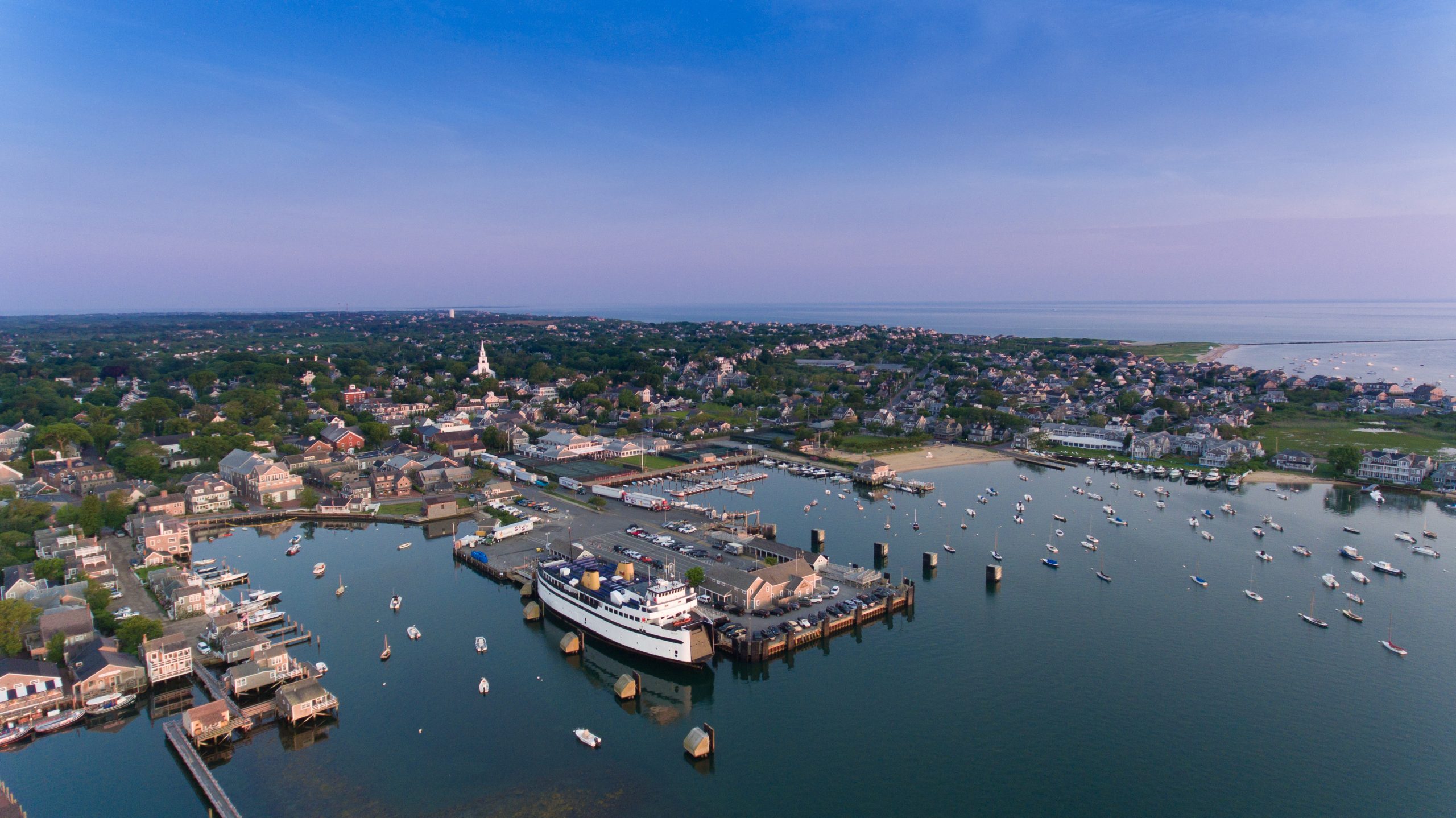
A well-planned trip to Nantucket can significantly enhance your experience. Knowing when to go, what to book, and how to get around the island are key elements for a seamless and enjoyable visit.
Best Time to Visit
Nantucket transforms with the seasons, each offering a distinct charm:
- Summer (June-August): This is peak season, characterized by warm weather, bustling streets, open shops and restaurants, and vibrant social scenes. All attractions are fully operational, but it also means higher prices, larger crowds, and the necessity to book everything far in advance.
- Spring (April-May) & Fall (September-October): These shoulder seasons are often considered ideal. The weather is pleasant, crowds are thinner, and prices for travel and accommodation are more moderate. Many businesses are still open, offering a more relaxed experience. The famous Nantucket Daffodil Festival in April and Cranberry Festival in October are highlights.
- Winter (November-March): Nantucket becomes very quiet. Many businesses close for the season, and ferry schedules are reduced. It offers a unique, serene escape for those seeking solitude, but options for dining and activities are limited. The Christmas Stroll in early December is an exception, drawing visitors for a festive weekend.
Booking in Advance
Given Nantucket’s popularity, especially during summer, advance booking is non-negotiable for a stress-free trip.
- Flights & Ferries: Secure your air tickets or ferry reservations, particularly if you plan to bring a vehicle on the Steamship Authority ferry. Vehicle spots can sell out six months to a year in advance. Passenger ferry tickets are less volatile but can still sell out during peak travel times.
- Accommodation: Hotels, inns, and vacation rentals on Nantucket are limited and highly sought after. Book your lodging as soon as your travel dates are firm.
- Dining & Activities: For popular restaurants or specific tours, consider making reservations a few weeks in advance, especially for dinner on weekends in summer.
What to Pack
Packing smart for Nantucket means preparing for diverse weather and activities:
- Layers: Even in summer, evenings can be cool due to ocean breezes. Bring sweaters, light jackets, and versatile clothing.
- Comfortable Shoes: Nantucket Town‘s cobblestone streets and numerous walking paths demand comfortable footwear. If you plan to bike, appropriate shoes are also a must.
- Sun Protection: Sunscreen, hats, and sunglasses are essential year-round, as the island sun can be intense, especially near the water.
- Beach Gear: If visiting in warmer months, don’t forget your swimsuit, beach towel, and sandals.
- Island Casual Attire: Nantucket embraces a relaxed, elegant aesthetic. While there are fine dining establishments where you might want to dress up, most places are comfortably casual.
Getting Around Nantucket
Once you arrive on Nantucket, you’ll find several ways to explore its beauty.
- Walking: Nantucket Town itself is very walkable, with most shops, restaurants, and historical sites within easy reach.
- Biking: Nantucket is a cyclist’s paradise, with miles of scenic, well-maintained bike paths connecting Nantucket Town to various beaches and villages. Bike rentals are widely available.
- Public Transit: The Nantucket Regional Transit Authority (NRTA) operates a convenient bus system, “The Wave,” offering routes to popular destinations across the island.
- Taxis/Ride-Shares: Taxis and limited ride-sharing services are available, particularly useful for airport or ferry terminal transfers and late-night outings.
- Car Rentals: While you can bring your car via the traditional ferry, car rentals are also available on the island, though often at a premium. Many visitors find that a car is unnecessary given the island’s compact size and excellent alternative transport options.
Experiencing Nantucket: Beyond the Journey
The journey from Boston to Nantucket is merely the prelude to an unforgettable island experience. Once there, a world of history, natural beauty, and refined relaxation awaits.
Iconic Attractions
Nantucket is dotted with landmarks that tell tales of its rich maritime past and showcase its natural splendor.
- Brant Point Lighthouse: The second-oldest lighthouse in Massachusetts, it’s the welcoming beacon to all arriving by sea and a beloved spot for photographs.
- Whaling Museum: Managed by the Nantucket Historical Association, this museum offers a deep dive into the island’s pivotal role in the global whaling industry, featuring a massive sperm whale skeleton and fascinating exhibits.
- Sankaty Head Lighthouse: Located in the picturesque village of Siasconset, this active lighthouse offers stunning panoramic views of the ocean and the eastern side of the island.
- Beaches: From the family-friendly waters of Surfside Beach to the surfing waves of Cisco Beach, Nantucket boasts some of the most beautiful and diverse beaches in New England. Each beach offers a unique vibe, perfect for sunbathing, swimming, or long walks.
Culinary Delights
Nantucket’s culinary scene is a highlight for many visitors, emphasizing fresh, locally sourced ingredients, especially seafood.
- Fresh Seafood: Indulge in raw bar offerings, lobster rolls, fresh catch of the day, and succulent Nantucket scallops. Many restaurants work directly with local fishermen, ensuring the freshest possible fare.
- Farm-to-Table: Beyond seafood, the island has a growing farm-to-table movement, with several eateries focusing on seasonal produce from local farms.
- Diverse Dining: From casual clam shacks and lively pubs to elegant fine dining establishments, Nantucket caters to all tastes and occasions. Don’t miss out on trying a Nantucket Nectars beverage, a local success story.

Activities and Relaxation
Whether you seek adventure or tranquility, Nantucket provides ample opportunities for both.
- Outdoor Activities: Embrace the island’s natural beauty through biking, swimming, surfing lessons, paddleboarding, fishing charters, or bird watching. The vast conservation lands offer excellent hiking trails.
- Shopping & Galleries: Explore the boutiques and art galleries in Nantucket Town, featuring unique clothing, jewelry, home decor, and local artwork.
- Historical Exploration: Take a walking tour to learn about the island’s whaling captains, abolitionist history, and architectural preservation efforts. Visit historic homes like the Hadwen House.
- Relaxation: Simply unwind on a quiet beach, enjoy a spa treatment, or savor a cocktail while watching the sunset over the harbor. The laid-back island vibe encourages a slower pace of life, perfect for rejuvenation.
In conclusion, the journey from Boston to Nantucket is a crucial part of the island experience. While not a direct hop, the various travel options offer flexibility for every budget and preference. Whether you soar above the clouds or cruise across the waves, the effort of getting there is richly rewarded by Nantucket’s timeless charm, historic allure, and serene landscapes, making it a truly exceptional destination that feels wonderfully far from the everyday. Plan your trip wisely, embrace the journey, and prepare to fall in love with this unforgettable island gem.
LifeOutOfTheBox is a participant in the Amazon Services LLC Associates Program, an affiliate advertising program designed to provide a means for sites to earn advertising fees by advertising and linking to Amazon.com. Amazon, the Amazon logo, AmazonSupply, and the AmazonSupply logo are trademarks of Amazon.com, Inc. or its affiliates. As an Amazon Associate we earn affiliate commissions from qualifying purchases.