
The question of “How far is Providence RI from Boston?” is a frequent one for travelers planning journeys in the Northeast United States. These two vibrant cities, each offering a distinct charm and a wealth of attractions, are remarkably close, making travel between them a common endeavor for tourists, business professionals, and commuters alike. Whether you’re considering a day trip, a weekend getaway, or simply navigating between two key regional hubs, understanding the distance, travel times, and available transportation options is crucial for a smooth and enjoyable experience. This article delves into the various facets of traveling between Providence, Rhode Island, and Boston, Massachusetts, providing a comprehensive guide to help you plan your perfect journey.
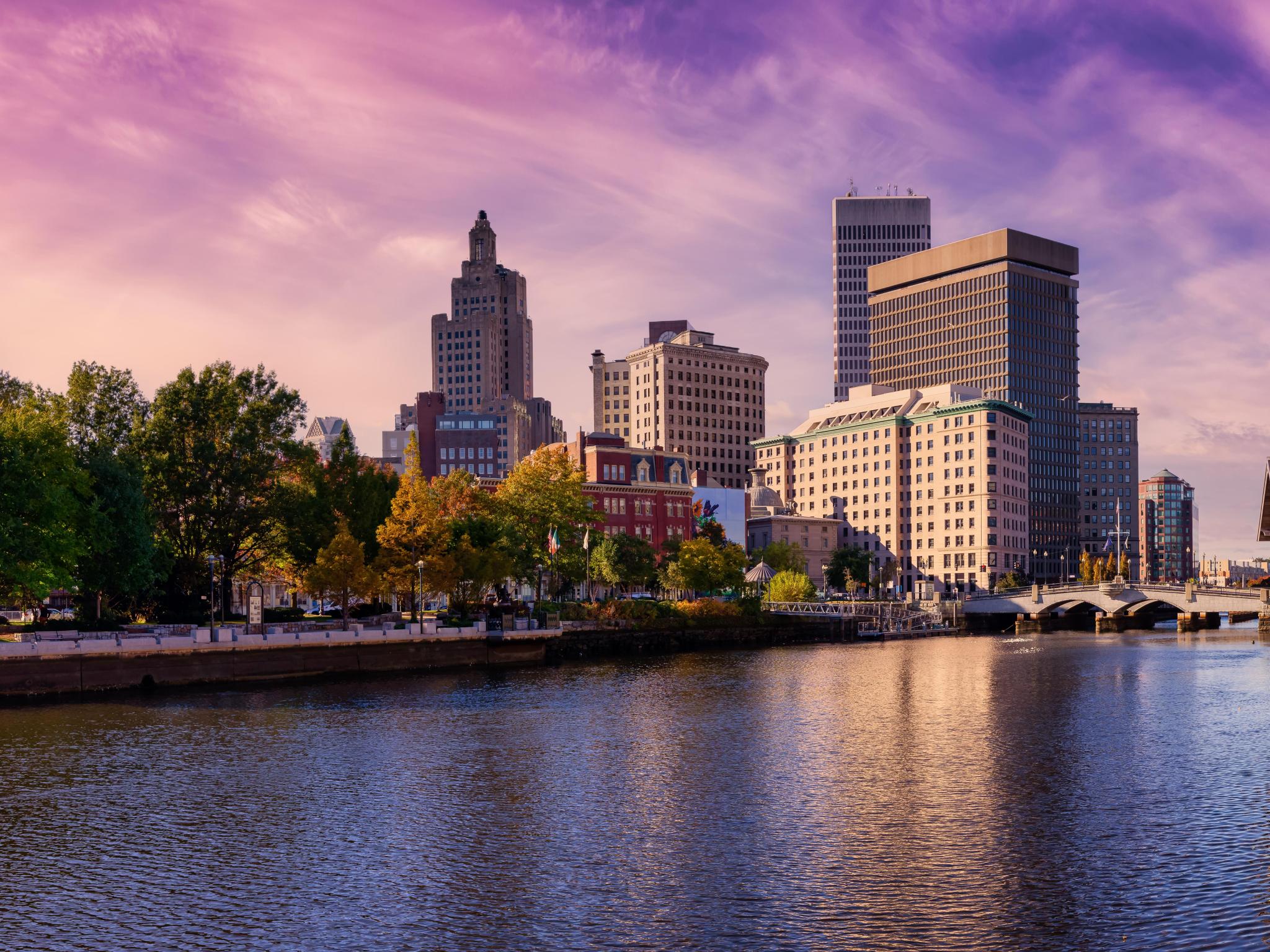
The Proximity Defined: Distance and Driving Time
The geographic relationship between Providence and Boston is one of convenient proximity, positioning them as essential nodes in the regional travel network. Understanding the actual mileage and the variables that influence travel time is the first step in planning any trip between these two iconic New England cities.
Unpacking the Mileage
The direct distance between Providence, Rhode Island, and Boston, Massachusetts, typically ranges from 45 to 50 miles (approximately 72 to 80 kilometers), depending on the exact starting and ending points within each city. This relatively short distance makes them ideal candidates for a range of travel scenarios, from quick commutes to leisurely scenic drives. The primary highway connecting the two cities is Interstate 95 (I-95), a major north-south artery along the East Coast of the United States. Its direct path ensures a straightforward journey, whether you’re behind the wheel or utilizing public transportation. The compact nature of this distance means that travel is rarely arduous, opening up possibilities for seamless transitions between the historical grandeur of Boston and the artistic allure of Providence.
Driving Time and Traffic Variables
While the mileage is a constant, the actual time it takes to travel between Providence and Boston by car can fluctuate significantly due to traffic conditions. Under ideal circumstances, with light traffic, the drive can be completed in approximately 50 minutes to 1 hour. However, this estimate is highly susceptible to the ebb and flow of daily commutes and peak travel periods. During rush hour, particularly weekday mornings (7:00 AM – 9:00 AM) and evenings (4:00 PM – 6:00 PM), travel times can easily extend to 1 hour and 30 minutes, or even up to 2 hours, especially when navigating the urban areas approaching Boston. Weekends typically offer a more predictable travel time, though special events in either city can still cause localized congestion. It’s always advisable to consult real-time traffic applications before embarking on your journey to get the most accurate estimate and consider alternative routes if delays are significant. Massachusetts also has several tolled roads and tunnels, particularly around Boston, which can add to the cost of driving. Factor in potential parking challenges and expenses upon arrival in Boston, a city renowned for its sometimes-limited and costly parking options.
Navigating the Journey: Popular Transportation Methods
The relatively short distance between Providence and Boston lends itself to a variety of transportation choices, each offering distinct advantages in terms of cost, convenience, and travel experience. From the independence of driving to the efficiency of rail, understanding these options is key to selecting the best fit for your travel needs.
By Car: The Most Flexible Option
Driving offers unparalleled flexibility, allowing travelers to depart and arrive on their own schedule and providing direct access to specific destinations within each city or surrounding areas. The primary route is I-95 North from Providence to Boston. Upon approaching Boston, I-95 merges with other highways, eventually leading into the city center via routes like I-93 North or Route 1 South for specific areas. The journey itself is generally straightforward, but as mentioned, traffic can be a significant factor. For those unfamiliar with Boston’s intricate road network, a GPS system is highly recommended. Parking in Boston can be expensive, especially in downtown areas, so researching parking garages or considering hotels with parking facilities in advance is a wise strategy. Alternatively, driving to a MBTA (Massachusetts Bay Transportation Authority) commuter rail station on the outskirts of Boston and taking the train into the city center can circumvent parking woes and reduce driving stress.
By Train: Convenience and Comfort
Traveling by train between Providence and Boston is a highly popular and often preferred option for its comfort, reliability, and freedom from traffic concerns. Two main rail services operate on this route:
- Amtrak: Amtrak offers frequent service between Providence Station and Boston’s South Station. The journey typically takes around 30 to 40 minutes on high-speed Acela Express trains or 45 to 55 minutes on Northeast Regional trains. Amtrak provides a comfortable experience with amenities like Wi-Fi, power outlets, and a café car. It’s a slightly more expensive option compared to the commuter rail or bus, but the speed and convenience often justify the cost, especially for business travelers or those seeking a more relaxed journey. Booking tickets in advance is recommended, particularly during peak travel times.
- MBTA Commuter Rail: The MBTA Commuter Rail’s Providence/Stoughton Line connects Providence Station directly to Boston’s South Station. This is a more budget-friendly option, with fares significantly lower than Amtrak. The travel time is typically 1 hour to 1 hour and 15 minutes, as it makes more stops along the way. Services are frequent, especially during weekday rush hours, making it an excellent choice for commuters and day-trippers. Tickets can be purchased at the station, through the MBTA mTicket app, or onboard (though onboard purchases may incur a slightly higher fare). The MBTA offers a reliable and efficient way to travel, avoiding all road traffic.
By Bus: Budget-Friendly Travel
For travelers prioritizing cost savings, bus services provide a very economical way to get between Providence and Boston. Several reputable bus companies operate this route:
- Peter Pan Bus Lines: One of the most prominent regional carriers, Peter Pan Bus Lines offers frequent daily departures from the Peter Pan Terminal in Providence (adjacent to Providence Station) to Boston’s South Station Bus Terminal. Travel times typically range from 1 hour to 1 hour and 30 minutes, depending on traffic. Buses are generally comfortable and equipped with Wi-Fi and power outlets.
- Greyhound: Greyhound also operates routes between the two cities, with similar pickup and drop-off locations and travel times.
Both services offer competitive pricing, especially when tickets are purchased in advance online. While subject to the same traffic delays as driving, taking the bus allows you to relax and avoid the stresses of navigating and parking in a major city.
Choosing Your Route: Factors to Consider
Selecting the optimal mode of transportation between Providence and Boston hinges on several personal preferences and practical considerations. Evaluating these factors will help you make an informed decision tailored to your specific travel needs.
Cost Versus Convenience
The balance between cost and convenience is often the primary determinant for travelers. Driving, while offering maximum flexibility, can incur costs for gas, tolls, and potentially expensive parking in Boston. Car rentals, if applicable, would add another layer of expense. The MBTA Commuter Rail and bus services (Peter Pan Bus Lines, Greyhound) are generally the most budget-friendly options, especially for round-trip travel. Amtrak sits in the middle, offering a significant upgrade in speed and comfort over the bus and commuter rail, but at a higher price point. If time is of the essence and budget is less of a concern, Amtrak is often the most convenient choice. For group travel, driving might become more cost-effective per person, offsetting parking and gas expenses.
Time of Day and Day of the Week
Traffic patterns are a crucial consideration, particularly for driving and bus travel. Weekday rush hours (morning and late afternoon/early evening) will almost certainly add substantial time to your journey by road. Weekends typically have lighter traffic, but special events in either city can still cause localized congestion. Train services, both Amtrak and MBTA Commuter Rail, are largely immune to road traffic, making them highly predictable regardless of the time or day. If your schedule is tight or if you prefer to avoid the stress of traffic, the train is often the superior choice. Conversely, if you’re traveling during off-peak hours, driving can be surprisingly quick and direct.
Purpose of Your Visit
Your reason for traveling will also influence your transportation decision. For a day trip to Boston for sightseeing, taking the train is often ideal, as it drops you directly at South Station, a major transportation hub close to many attractions like the Freedom Trail and Faneuil Hall. From there, you can easily connect to Boston’s subway (“the T”) to reach virtually anywhere in the city. If your destination is outside of downtown Boston or Providence, or if you plan to visit multiple locations spread out across the region, having a car might be more practical despite potential traffic and parking challenges. Business travelers might prioritize speed and convenience, making Amtrak a popular choice, while students or budget travelers might opt for the MBTA Commuter Rail or bus.
Maximizing Your Trip: Tips for a Seamless Travel Experience
Regardless of your chosen mode of transport, a well-planned trip between Providence and Boston can greatly enhance your experience. A few strategic considerations can make all the difference in ensuring a smooth and enjoyable journey.
Planning Ahead
Forethought is your best asset when traveling between these two bustling cities.
- Book Tickets in Advance: Especially for Amtrak or popular bus times, purchasing tickets ahead of time can secure better fares and guarantee a seat. For the MBTA Commuter Rail, while walk-up tickets are always available, using the mTicket app saves time at the station.
- Check Schedules: Always verify train and bus schedules, particularly on weekends or holidays, as they can differ from weekday services.
- Monitor Traffic: If driving or taking the bus, utilize real-time traffic apps (like Google Maps or Waze) before and during your journey to anticipate and potentially avoid delays.
- Parking Strategy: If driving into Boston, research parking options and costs beforehand. Many garages offer online reservations that can save money and secure a spot.
Local Transportation Upon Arrival
Once you arrive in Boston or Providence, understanding the local public transit systems is key to navigating the cities without a car.
- Boston: Boston’s MBTA, known as “the T,” comprises subways, buses, and ferries. From South Station, you can easily access the Red Line subway, connecting you to destinations like Harvard University or MGH/Charles Circle. The Downtown Crossing station is also a short walk, offering connections to the Orange and Green Lines. Consider purchasing a CharlieCard or CharlieTicket for easy tap-and-go travel.
- Providence: Providence is a very walkable city, especially its downtown and College Hill areas where attractions like WaterFire Providence and Brown University are located. For longer distances, the Rhode Island Public Transit Authority (RIPTA) operates an extensive bus network. Taxis and rideshare services are also readily available in both cities.

Day Trip vs. Extended Stay Considerations
The proximity of Providence and Boston makes them excellent candidates for both day trips and longer stays.
- Day Trip: For a day trip, the train is often the most efficient choice, allowing you to maximize your time exploring without worrying about parking or traffic. Focus on a specific area or a few key attractions in your destination city.
- Extended Stay: If planning an extended stay, consider flying into one city’s airport (Boston Logan International Airport or TF Green Airport in Warwick, just south of Providence) and taking public transport or a short taxi/rideshare to your accommodation. If you rent a car for regional exploration, ensure your accommodation offers parking. Both cities also serve as fantastic bases for exploring the wider New England region, including coastal towns, historical sites, and natural beauty.
In conclusion, the journey between Providence and Boston is remarkably convenient, offering a spectrum of choices to suit every traveler’s budget and preference. By understanding the distances, travel times, and various transportation options, you can easily bridge the gap between these two captivating destinations and make the most of your Northeast adventure.
LifeOutOfTheBox is a participant in the Amazon Services LLC Associates Program, an affiliate advertising program designed to provide a means for sites to earn advertising fees by advertising and linking to Amazon.com. Amazon, the Amazon logo, AmazonSupply, and the AmazonSupply logo are trademarks of Amazon.com, Inc. or its affiliates. As an Amazon Associate we earn affiliate commissions from qualifying purchases.