
Embarking on a journey from the historic streets of Boston to the monumental capital of Washington D.C. is a classic American travel experience, connecting two cities rich in history, culture, and political significance. Whether planning a leisurely road trip, a rapid business commute, or a comfortable train ride, understanding the distance and myriad transportation options is the first step towards a successful itinerary. This comprehensive guide delves into the geographical span between these two pivotal East Coast metropolises, offering insights into travel times, modes of transport, and essential tips to ensure your journey is as smooth and enjoyable as the destinations themselves.
Unveiling the Distance and Travel Time
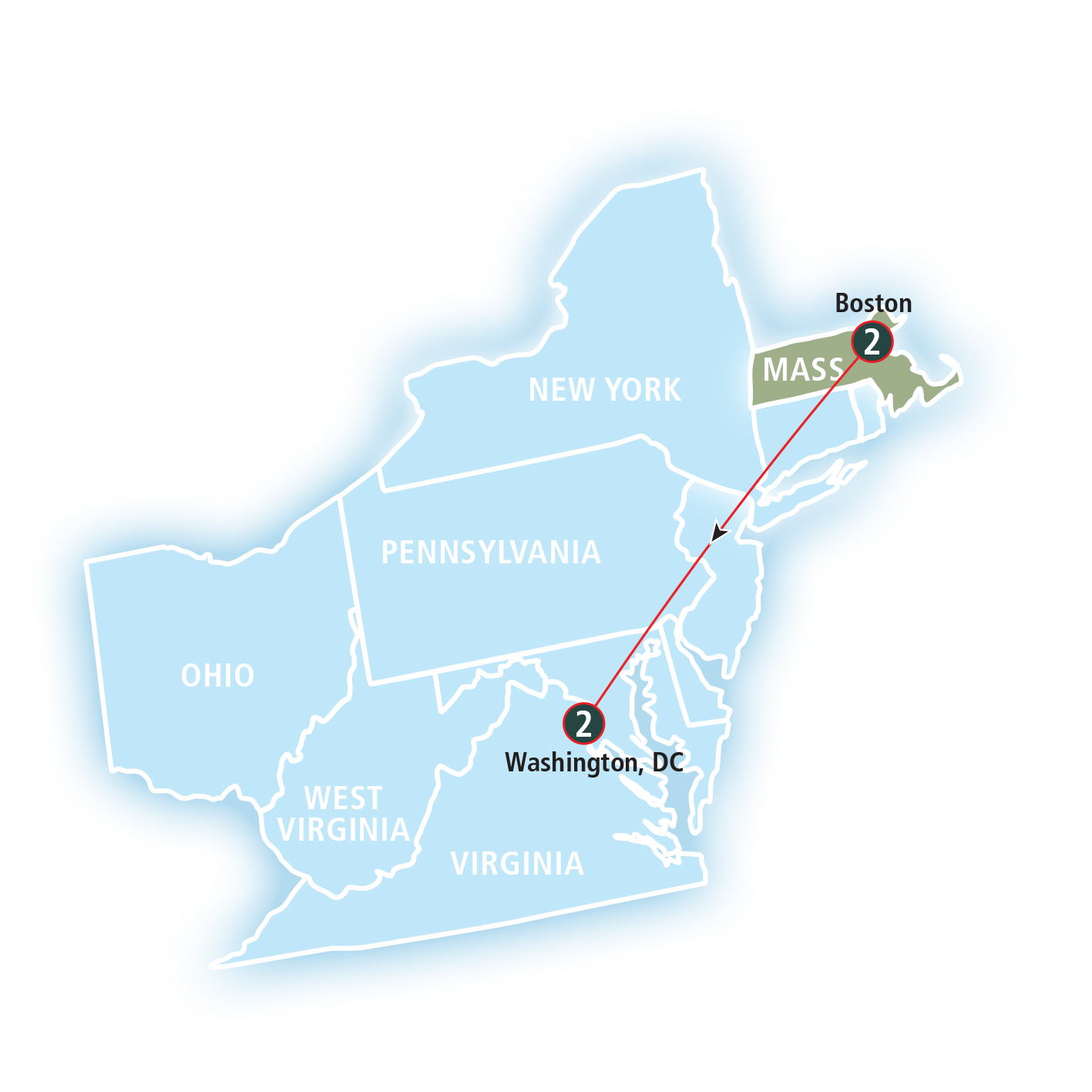
The question of “how far” is multi-faceted, encompassing not just linear distance but also the practicalities of travel duration and the experience along the way. Boston and Washington D.C. are separated by a significant stretch of the northeastern United States, a route that offers diverse landscapes and urban corridors.
The Geographic Span
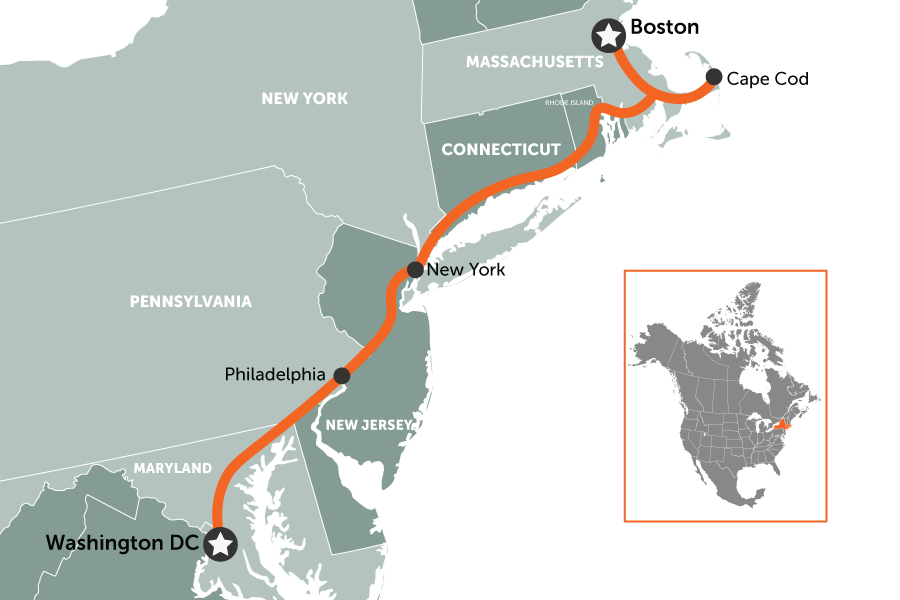
The approximate driving distance between Boston, Massachusetts, and Washington D.C., spanning the well-traveled Interstate 95 corridor, is around 400 to 440 miles (640 to 710 kilometers), depending on the specific starting and ending points within each city and the exact route taken. This substantial distance means that a quick hop is generally not feasible, necessitating careful planning for travel time. The journey typically traverses through several states, including Rhode Island, Connecticut, New York, New Jersey, Delaware, and Maryland, each offering a glimpse into the diverse tapestry of the region.
Estimated Travel Duration Across Modes
The time it takes to travel between Boston and Washington D.C. varies significantly based on the chosen mode of transportation:
- Driving: Under ideal conditions (no traffic, minimal stops), the drive can take approximately 7 to 8 hours. However, factoring in inevitable traffic congestion, especially around major metropolitan areas like New York City and Philadelphia, and necessary breaks for fuel and rest, a realistic driving time is often closer to 9 to 11 hours. During peak travel seasons or holidays, this can extend even further.
- Train: Amtrak’s high-speed Acela Express offers the fastest rail option, typically completing the journey in about 6.5 to 7 hours. The regional Northeast Regional service is a bit slower, taking approximately 8 to 8.5 hours. These times are generally less susceptible to traffic delays than driving.
- Bus: Bus travel is typically the longest surface option. Depending on the service and number of stops, a bus journey can range from 8.5 to 10 hours, sometimes even longer with significant layovers or traffic.
- Flying: While the flight itself is short, usually around 1 hour and 15 minutes to 1 hour and 30 minutes, the overall travel time for flying includes getting to and from airports, security checks, boarding, and potential delays. When accounting for these factors, door-to-door travel by air typically averages 4 to 6 hours, making it competitive with, and often faster than, other modes for time-sensitive travelers.
Navigating the Journey: Transportation Options
Selecting the right mode of transportation is crucial for any long-distance trip, and the Boston to Washington D.C. corridor offers a spectrum of choices to suit various preferences, budgets, and schedules.
Driving: The Road Trip Experience
For those who value flexibility and the freedom to explore, driving is an appealing option. The route predominantly follows Interstate 95, a major highway that links many East Coast cities. This allows travelers to dictate their own pace, make spontaneous stops at points of interest, or adjust their schedule as needed.
- Pros: Unmatched flexibility, ability to carry more luggage, ideal for group travel or families, opportunity to visit intermediate towns like New York City or Philadelphia.
- Cons: Susceptibility to traffic congestion, especially in urban areas; tolls can add up significantly; parking can be expensive and difficult to find in both Boston and Washington D.C.; requires attention and stamina from the driver.
Rail Travel: A Scenic and Relaxed Alternative
Amtrak operates frequent services along the Northeast Corridor, connecting Boston’s South Station directly to Washington D.C.’s Union Station. The Acela Express offers premium, faster service with more amenities, while the Northeast Regional provides a more economical option with more stops.
- Pros: Comfortable seating, ample legroom, no traffic worries, ability to work or relax during the journey, often drops you in convenient downtown locations, scenic views through parts of the journey.
- Cons: Can be more expensive than driving (especially Acela Express fares), less flexible schedule than driving, may experience occasional delays.
Bus Services: Economical and Convenient
Several bus companies, including Greyhound and Peter Pan Bus Lines, offer regular routes between Boston and Washington D.C.. These services typically depart from major bus terminals in both cities.
- Pros: Generally the most budget-friendly option, frequent departures, relatively straightforward boarding process.
- Cons: Longest travel times, less comfortable than train or air travel, susceptible to traffic delays, can have multiple stops.
Flying: The Fastest Route
For travelers prioritizing speed, flying is the clear winner. Direct flights are available from Boston’s Logan International Airport (BOS) to Washington D.C.’s major airports: Ronald Reagan Washington National Airport (DCA) and Dulles International Airport (IAD), and also Baltimore/Washington International Thurgood Marshall Airport (BWI), which is a short train ride from D.C.
- Pros: Shortest travel time in the air, ideal for business travelers or those with tight schedules, can sometimes be surprisingly affordable if booked in advance.
- Cons: Additional time and cost for airport transfers, security checks, and baggage claim; potential for flight delays or cancellations; less environmentally friendly than ground transport.
Choosing Your Path: Factors to Consider
Deciding on the best travel method between Boston and Washington D.C. involves weighing several personal priorities and practical considerations. Each mode of transport offers a unique balance of cost, time, and comfort.
Cost-Effectiveness
For budget-conscious travelers, bus travel typically offers the lowest fares, especially when booked in advance. Driving can be cost-effective for groups sharing fuel and toll expenses, but solo drivers might find the combined costs of gas, tolls, and potential parking fees less appealing. Train tickets, particularly for the Northeast Regional, can be reasonably priced if purchased early, though Acela Express fares can quickly add up. Airfares fluctuate widely; while budget airlines can offer competitive prices, last-minute bookings or premium services can make flying the most expensive option.
Time Efficiency
If time is of the essence, flying is generally the fastest door-to-door option, despite airport procedures. The Acela Express train is a strong second, especially if departing from and arriving at city-center stations, minimizing transfer times. Driving and standard bus services are the most time-consuming due to distance and potential traffic, making them less ideal for short trips or tight schedules.
Comfort and Convenience
Train travel, especially on Amtrak, often provides the highest level of comfort, with spacious seating, dining cars, and the ability to move around. Flying offers comfort once in the air but can involve cramped spaces and the stress of airport procedures. Driving offers personal space and privacy but requires active engagement from the driver. Bus travel, while economical, generally offers the least in terms of comfort and personal space for such a long journey.
Environmental Impact
For environmentally conscious travelers, trains are generally considered the most eco-friendly option for long-distance travel, followed by buses (per passenger-mile). Carpooling can also reduce the carbon footprint of driving. Air travel has the highest carbon emissions, making it the least sustainable choice for this route, though ongoing efforts in aviation aim to mitigate this impact.
Planning Your Trip: Essential Tips
A well-planned journey enhances the travel experience, ensuring that your transition from Boston to Washington D.C. is seamless and stress-free.
Best Time to Travel
Consider the season and day of the week. Weekday travel, particularly during off-peak hours, can significantly reduce traffic congestion for drivers and potentially offer lower fares for trains and flights. Spring (April-May) and Fall (September-October) generally offer pleasant weather for exploring both cities, but these are also popular travel seasons, so expect more crowds and potentially higher prices. Winter travel can be cheaper but carries the risk of weather-related delays, especially for driving and flying. Summer is popular for family vacations, leading to higher demand.
Booking in Advance
Regardless of your chosen mode of transport, booking tickets for trains, buses, and flights well in advance (ideally 2-4 weeks) can lead to substantial savings. For driving, consider reserving parking spots in downtown areas of Boston or Washington D.C. ahead of time, as parking can be scarce and expensive.
Packing Smart
Pack light and efficiently. For train or bus travel, easy-to-manage luggage is key. If flying, adhere to airline baggage restrictions to avoid extra fees. Regardless of the mode, have essentials like snacks, water, entertainment (books, headphones, fully charged devices), and any necessary medications readily accessible. A comfortable neck pillow and eye mask can make a big difference on longer journeys.
Exploring En Route
If driving, leverage the opportunity to discover charming towns or historical sites along the Interstate 95 corridor. Iconic cities like Providence, New York City, and Philadelphia are major hubs, but smaller towns also offer unique attractions. For train travel, while there aren’t many opportunities to “explore” mid-journey, the scenic views offer their own form of enjoyment.
Why Make the Journey? A Tale of Two Cities
Beyond the logistics of distance and travel, the journey from Boston to Washington D.C. is a passage between two foundational pillars of American identity. Each city offers a distinct yet complementary experience, making the trip worthwhile for historians, culture enthusiasts, and casual travelers alike.
From Historic Boston to Capital Washington D.C.
Boston, the birthplace of the American Revolution, pulsates with history at every corner. From the cobblestone streets of the Freedom Trail to the bustling marketplace of Faneuil Hall, the city invites visitors to step back in time. Its vibrant academic scene, world-class museums, and diverse culinary landscape add layers to its historical charm.
Washington D.C., on the other hand, is the nerve center of the United States government and a global political powerhouse. It’s home to iconic landmarks like the U.S. Capitol, the White House, and the sprawling National Mall dotted with memorials and Smithsonian museums. The city offers a profound educational experience, a deep dive into democracy, and a rich cultural scene, often with free access to its most famous attractions.

Combining Educational and Leisure Travel
Traveling between these two cities provides an unparalleled opportunity to immerse oneself in American heritage. A trip could seamlessly combine historical exploration in Boston with civics and cultural discovery in Washington D.C.. Whether it’s a family vacation designed to educate and entertain, a solo adventure to trace the nation’s past, or a business trip extended for some sightseeing, the journey between these two great cities is more than just covering miles; it’s about experiencing the vibrant narrative of America. Understanding the distance and travel options merely serves as the practical foundation for an enriching and memorable expedition.
LifeOutOfTheBox is a participant in the Amazon Services LLC Associates Program, an affiliate advertising program designed to provide a means for sites to earn advertising fees by advertising and linking to Amazon.com. Amazon, the Amazon logo, AmazonSupply, and the AmazonSupply logo are trademarks of Amazon.com, Inc. or its affiliates. As an Amazon Associate we earn affiliate commissions from qualifying purchases.