
Embarking on a journey from Boston to Italy is an exciting prospect, promising ancient history, vibrant culture, and culinary delights. However, for many travelers, the first practical consideration is the duration of the flight, especially when seeking the convenience of a nonstop connection. Understanding how long you’ll be airborne is crucial for planning, managing expectations, and preparing for your transatlantic adventure. While the exact flight time can fluctuate due to a myriad of factors, we can provide a comprehensive guide to what you can expect when flying directly from Boston to various Italian gateways. This article delves into the typical flight durations, the airlines offering these routes, and the environmental and operational elements that influence your journey across the Atlantic Ocean.
The Transatlantic Bridge: Understanding Flight Dynamics from Boston to Italy
The distance between Boston and Italy is substantial, spanning thousands of miles across the Atlantic Ocean. A nonstop flight is the most efficient way to bridge this gap, eliminating layovers and reducing overall travel time. However, the term “nonstop” doesn’t mean a fixed duration; rather, it refers to a journey without scheduled stops for refueling or passenger transfers. The actual time in the air is influenced by a complex interplay of geographical, atmospheric, and operational factors.
Geographical Considerations and Flight Paths
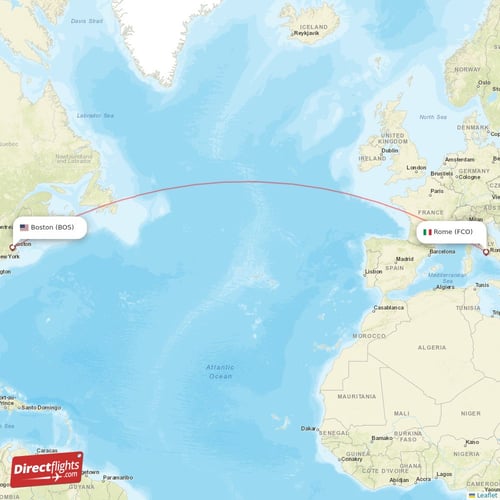
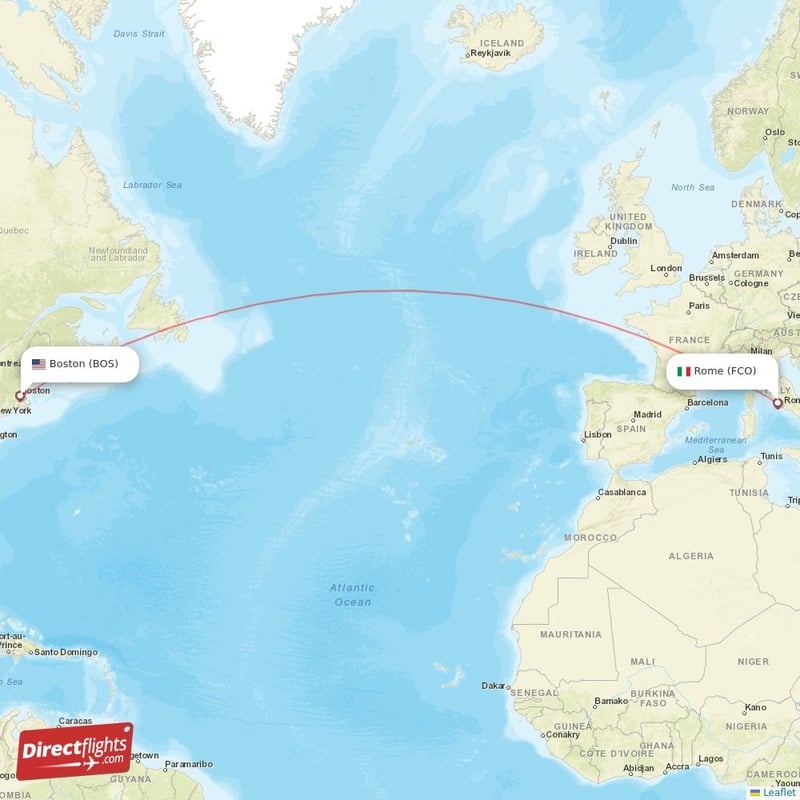
The primary destination in Italy significantly impacts the flight duration. Major international airports like Rome‘s Fiumicino (FCO) and Milan’s Malpensa (MXP) are the most common endpoints for nonstop flights from North America. Geographically, Milan is slightly further north and west compared to Rome, which can lead to minor differences in flight paths and durations. Flights departing from Boston, specifically Logan International Airport (BOS), typically follow a great circle route. This navigational strategy involves flying along the shortest path between two points on the surface of a sphere (the Earth), which often appears as a curved line on a flat map but is the most direct in three dimensions. These routes often take planes over parts of Canada, Greenland, and then directly across the Atlantic Ocean towards Europe. The precise trajectory is dynamically adjusted by air traffic control to avoid adverse weather, optimize fuel consumption, and manage traffic flow.
The Role of Atmospheric Factors: Jet Streams
One of the most significant variables affecting transatlantic flight times is the presence and strength of the jet stream. These are fast-flowing, narrow air currents found in the atmospheres of some planets, including Earth. On Earth, the polar jet stream and subtropical jet stream flow from west to east. When flying eastbound from Boston to Italy, aircraft can take advantage of these powerful tailwinds, significantly reducing flight duration. A strong jet stream can shave 30 minutes to over an hour off the estimated flight time. Conversely, westbound flights from Italy to Boston often encounter headwinds, which can extend the flight by a similar margin. Pilots and flight planners meticulously monitor weather patterns and jet stream forecasts to optimize routes and provide passengers with the most accurate estimated arrival times. The variability of these natural phenomena means that while a flight might be scheduled for, say, 7 hours and 30 minutes, it could arrive earlier with a strong tailwind or later if headwinds are stronger than anticipated or if the route needs to be adjusted.
Typical Nonstop Flight Durations to Major Italian Cities
The specific Italian city you choose as your destination will be the primary determinant of your flight duration. While Rome and Milan are the most common nonstop options, understanding the nuances for each is key.
Flights to Rome (FCO)
Rome, the Eternal City, is a magnet for travelers, and accordingly, it’s a prime destination for nonstop flights from Boston. The average nonstop flight time from Logan International Airport (BOS) to Rome Fiumicino (FCO) typically ranges from 7 hours and 30 minutes to 8 hours and 15 minutes. This duration accounts for the direct flight path, the cruising speed of modern commercial aircraft, and the general effect of eastbound tailwinds. During periods of exceptionally strong jet streams, flights might even clock in slightly under 7 hours and 30 minutes. Conversely, if headwinds are stronger than usual, or if there are minor air traffic control delays, the flight could extend towards the upper end of this range. Airlines offering this route often schedule the flight to depart Boston in the late afternoon or evening, arriving in Rome early the next morning, allowing travelers to begin their day in Italy with minimal delay.
Flights to Milan (MXP)
Milan, Italy’s fashion and financial capital, is another popular gateway, particularly for those looking to explore the northern regions, the Italian Lakes, or even venture into neighboring Switzerland or France. Nonstop flights from Boston to Milan Malpensa (MXP) generally fall within a similar timeframe as flights to Rome, usually between 7 hours and 45 minutes to 8 hours and 30 minutes. While Milan is geographically slightly more to the northwest than Rome, the difference in air distance from Boston is often negligible in terms of overall flight duration. The slight variations often come down to specific flight paths on a given day, aircraft type, and prevailing wind conditions. Like [Rome](https://lifeoutofthebox.com/rome] flights, services to Milan are typically overnight, ensuring an early morning arrival for travelers.
Flights to Other Italian Gateways
While Rome and Milan are the primary nonstop destinations from Boston, direct services to other Italian cities are less common, often seasonal, or may involve a stop. However, it’s worth noting that smaller airports like Venice’s Marco Polo (VCE) or Naples’s Capodichino (NAP) sometimes see seasonal nonstop charters or limited scheduled services. When available, a nonstop flight to Venice might be comparable to Milan in duration, perhaps slightly longer due to its eastern location. Flights further south to destinations like Naples, or the islands of Sicily and Sardinia, would naturally involve a slightly longer flight time due to increased distance, potentially pushing durations closer to 8.5 to 9 hours if a direct route were ever established from Boston. For most travelers, however, reaching these secondary cities will involve a connection, typically through Rome or Milan, or another major European hub, adding several hours to the total travel time.
Airlines Offering Nonstop Service from Boston to Italy
The availability of nonstop flights often depends on the season and the operational strategies of major carriers. Understanding which airlines fly these routes can help in planning and booking.
Major Carriers and Their Routes
Several reputable airlines typically offer nonstop service from Boston (BOS) to Italy. These usually include a mix of North American and Italian flag carriers:
- ITA Airways: As Italy’s national airline, ITA Airways (formerly Alitalia) is a primary operator for nonstop flights from Boston to Rome FCO. They typically offer year-round service, providing a direct link to the capital.
- Delta Air Lines: A major U.S. carrier, Delta Air Lines frequently operates nonstop flights from Boston to both Rome FCO and Milan MXP. These routes are often popular and well-served, especially during peak travel seasons.
- American Airlines: Another significant U.S. airline, American Airlines, may also offer seasonal nonstop service from Boston to Rome, particularly during the busier spring and summer months.
- United Airlines: While United Airlines’ main transatlantic hub on the East Coast is New York (Newark Liberty International Airport – EWR), they occasionally offer seasonal nonstop flights from Boston to Italy, often to Rome.
Travelers should always check directly with airlines or use flight comparison websites for the most current information on routes, schedules, and availability, as these can change based on demand and airline strategy.
Seasonal vs. Year-Round Service
The frequency and availability of nonstop flights from Boston to Italy are heavily influenced by seasonality.
- Peak Season (Spring/Summer): During the late spring, summer, and early autumn months (typically May through October), demand for travel to Italy surges. During this period, airlines increase their flight frequencies and may introduce additional nonstop routes, including those to secondary cities. Travelers will find more options and potentially more competitive pricing due to increased capacity, though overall prices tend to be higher in peak season.
- Off-Peak Season (Fall/Winter): From November to April, the number of nonstop flights tends to decrease. Some routes, particularly those to Milan or seasonal services to Rome by U.S. carriers, might be suspended until the next peak season. ITA Airways generally maintains year-round service to Rome, making it the most reliable option for direct travel during the off-peak months. While there are fewer direct options, off-peak travel often comes with the advantage of lower airfares and fewer crowds at popular attractions.
Booking well in advance, especially for peak season travel, is always recommended to secure preferred flight times and fares.
Optimizing Your Long-Haul Experience
Beyond simply knowing the flight duration, preparing for a long-haul journey can significantly enhance your travel experience and help mitigate the effects of jet lag.
Beating Jet Lag
Traveling across multiple time zones, particularly from west to east, almost guarantees some level of jet lag. A flight from Boston to Italy will involve a time difference of 6 hours (e.g., if Boston is 1 PM, Rome is 7 PM). Here are some tips to minimize its impact:
- Adjust Before You Go: A few days before your trip, gradually shift your sleep schedule by going to bed an hour earlier each night.
- Hydrate: Drink plenty of water throughout your flight and avoid excessive alcohol and caffeine, which can exacerbate dehydration and disrupt sleep.
- Set Your Watch: As soon as you board the plane, change your watch to Italian time. Begin to mentally adjust to the new schedule.
- Sleep Strategically: On an overnight eastbound flight, try to sleep as much as possible. Use an eye mask, earplugs, or noise-canceling headphones to create a conducive environment.
- Seek Sunlight: Upon arrival in Italy, try to expose yourself to natural sunlight as much as possible, especially in the morning. This helps reset your circadian rhythm.
- Stay Active: While it might be tempting to nap upon arrival, try to stay awake until the local bedtime. A short, brisk walk can help you feel more alert.
In-Flight Comfort Tips
Making the most of your 7.5 to 8.5 hours in the air is key to arriving refreshed.
- Choose Your Seat Wisely: If possible, select a window seat for leaning against or an aisle seat for easy access to stretch your legs. Exit row or bulkhead seats offer more legroom but may come with restrictions.
- Dress Comfortably: Wear loose-fitting, breathable clothing and layers, as cabin temperatures can fluctuate. Compression socks can help prevent swelling and reduce the risk of deep vein thrombosis.
- Move Around: Get up and walk around the cabin every couple of hours. Perform simple stretches in your seat to maintain circulation.
- Pack Essentials: Have a small bag with items like a neck pillow, eye mask, earplugs, charger for electronics, a book or e-reader, and any personal medications readily accessible.
- Stay Entertained: Take advantage of the in-flight entertainment system, or load your devices with movies, music, or podcasts to pass the time.
- Eat Lightly: Opt for lighter meals on the flight and avoid heavy, greasy foods that can cause discomfort.

Conclusion
A nonstop flight from Boston to Italy typically takes between 7 hours and 30 minutes to 8 hours and 30 minutes, depending on the specific Italian city and prevailing atmospheric conditions. While Rome and Milan are the most common direct destinations, the availability of these routes can vary seasonally. By understanding these durations and preparing thoughtfully for your journey, you can ensure a comfortable and efficient transatlantic crossing, allowing you to fully immerse yourself in the wonders of Italy from the moment you arrive. Safe travels!
LifeOutOfTheBox is a participant in the Amazon Services LLC Associates Program, an affiliate advertising program designed to provide a means for sites to earn advertising fees by advertising and linking to Amazon.com. Amazon, the Amazon logo, AmazonSupply, and the AmazonSupply logo are trademarks of Amazon.com, Inc. or its affiliates. As an Amazon Associate we earn affiliate commissions from qualifying purchases.