
Embarking on a journey from the historic streets of Boston to the sun-kissed shores of Hawaii is a quintessential American dream. This trans-continental voyage bridges the vast expanse between the East Coast and the idyllic islands nestled in the heart of the Pacific Ocean. While the allure of cascading waterfalls, volcanic landscapes, and pristine beaches is undeniably powerful, prospective travelers often find themselves pondering the most practical question: just how long does it take to get there? The answer isn’t a simple number, as several factors significantly influence the total travel time. This comprehensive guide will delve into the intricacies of flying from Boston Logan International Airport (BOS) to various Hawaiian destinations, helping you prepare for a smooth and comfortable transition to paradise. From understanding flight mechanics to navigating time zones and managing jet lag, we’ll cover everything you need to know for this epic journey.
Understanding the Trans-Pacific Journey
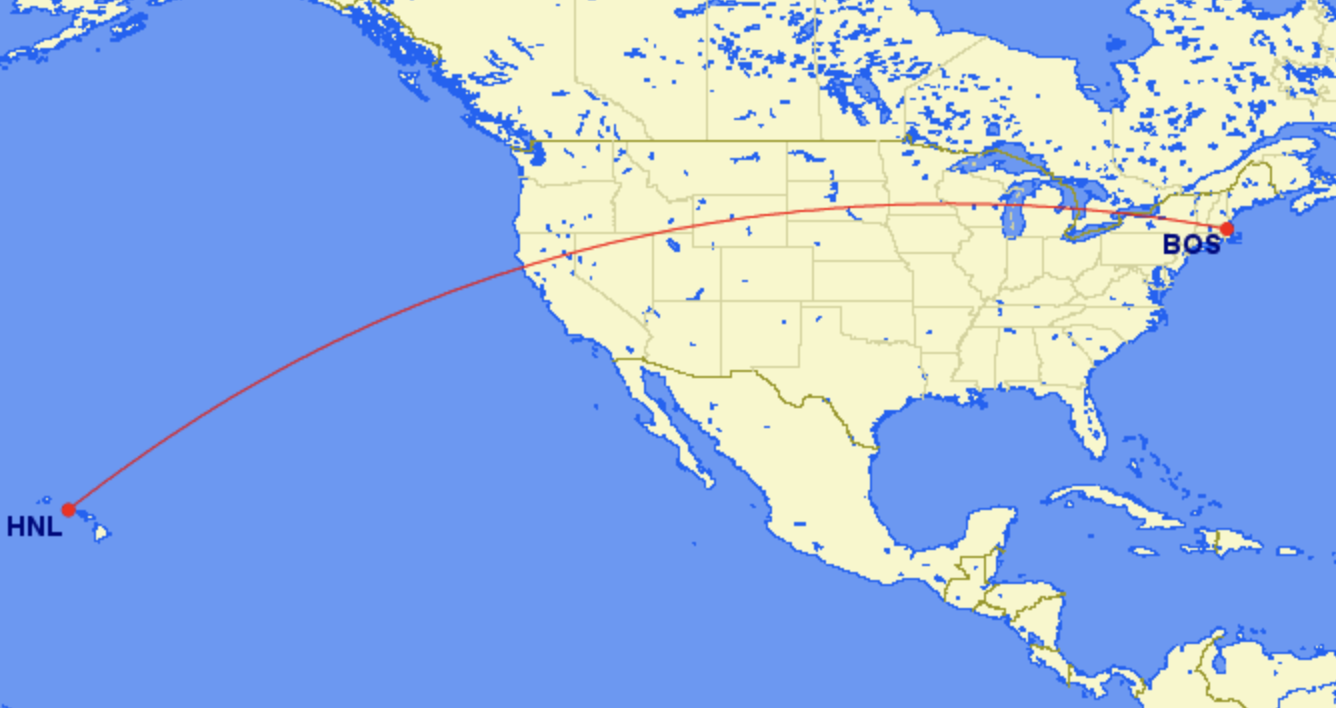
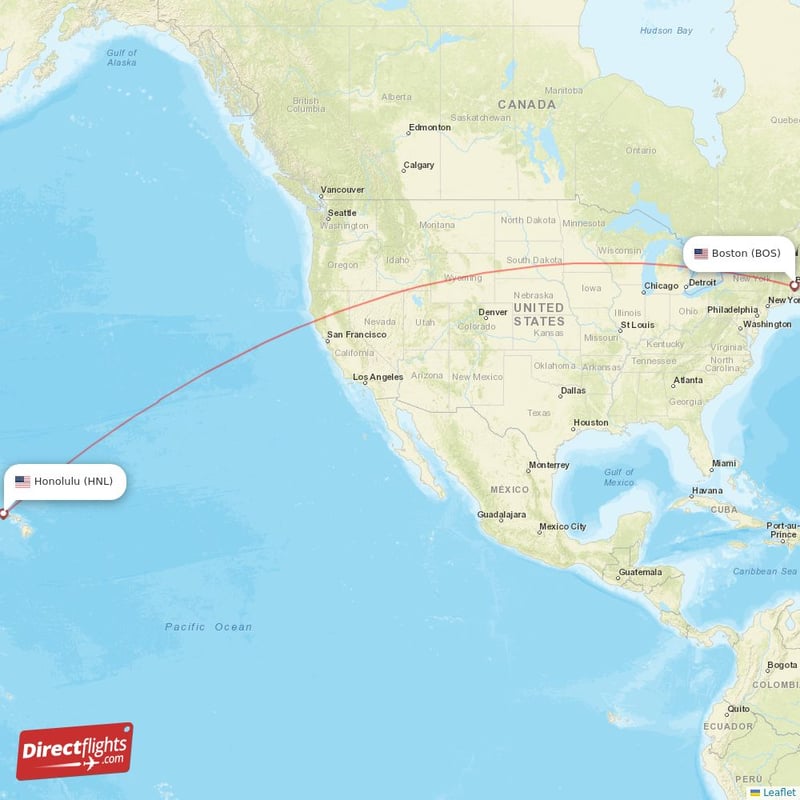
The flight path from Boston to Hawaii traverses a significant portion of North America before venturing across the immense Pacific Ocean. This long-haul route presents unique considerations that distinguish it from shorter domestic or international flights. The sheer distance—roughly 5,000 miles (8,000 kilometers) as the crow flies from Boston to Honolulu—necessitates a meticulous understanding of flight logistics.
Direct vs. Connecting Flights
For travelers departing from Boston, direct, non-stop flights to Hawaii are exceedingly rare, if they exist at all, on a regularly scheduled basis. Given the distance, such a route would typically exceed the operational limits or economic viability for most airlines without a stop. Therefore, the vast majority of journeys from Boston to Hawaii will involve at least one layover, usually on the US Mainland’s west coast or in a central hub city.
A direct flight, if one were available, would involve continuous air travel from departure to arrival. While seemingly straightforward, these routes still experience variations due to external factors. For connecting flights, the total travel time dramatically increases. This includes the duration of the first flight segment, the layover time at the connecting airport, and the duration of the second flight segment to Hawaii. The choice of connecting city and the length of the layover become crucial elements in determining the overall trip duration, making careful planning essential.
Key Factors Influencing Flight Duration
Beyond the presence of layovers, several other variables can subtly, yet significantly, impact how long your journey from Boston to Hawaii will take:
- Aircraft Type: Modern long-haul aircraft, such as the Boeing 787 Dreamliner or the Airbus A330 and A350 series, are designed for efficiency and speed over long distances. While specific models have different cruising speeds, the type of plane generally influences the pure flight time. Newer aircraft often mean a slightly faster and more fuel-efficient journey.
- Wind Currents (Jet Stream): Air currents, particularly the powerful jet stream, play a substantial role. Flights traveling westward from Boston towards Hawaii often fly against the prevailing winds, which can add time to the journey. Conversely, eastward flights (from Hawaii back to the US Mainland) typically benefit from tailwinds, shortening the travel duration. This effect can easily add 30-60 minutes, or even more, to a long-haul flight.
- Air Traffic Control and Routing: While pilots aim for the most direct route, air traffic control (ATC) restrictions, weather deviations, and congested airspace can necessitate longer, less direct flight paths. These operational adjustments, while common for safety and efficiency, can slightly extend the overall flight time.
- Layover Duration and Location: As mentioned, connecting flights are the norm. The length of your layover is critical. A quick 1-2 hour connection might keep total travel time down, but it carries a higher risk of missed connections. A longer 3-5 hour layover provides more buffer but increases the overall elapsed time. The choice of connecting airport also matters; some hubs are more efficient for transfers than others.
Typical Flight Times from Boston to Hawaii
Given the lack of regularly scheduled non-stop service from Boston to Hawaii, understanding typical connecting flight scenarios is paramount. The journey is an odyssey, and managing expectations around its duration is key to a relaxed start to your vacation.
Common Connecting Flight Scenarios
Most travelers from Boston will make one stop en route to Hawaii. The most common layover cities are major hubs on the west coast of the US Mainland or central North America. These hubs serve as strategic points for airlines to consolidate passengers from various East Coast origins before making the final push across the Pacific Ocean.
Popular connecting cities include:
- Los Angeles (LAX)
- San Francisco (SFO)
- Seattle (SEA)
- Phoenix (PHX)
- Denver (DEN)
- Dallas (DFW)
- Houston (IAH)
- Chicago (ORD)
The first leg from Boston to one of these hubs typically ranges from 4.5 to 6.5 hours, depending on the specific city. Following a layover, the second leg from a west coast hub to Honolulu or another major Hawaiian airport is usually around 5.5 to 6 hours. When factoring in a standard 2-4 hour layover, the total elapsed travel time from wheels up in Boston to wheels down in Hawaii can range from 14 to 20+ hours. This wide range underscores the importance of scrutinizing flight itineraries when booking. A shorter layover might mean less total travel time but a tighter connection, while a longer one offers more breathing room but extends the journey.
Major Hawaiian Airports as Destinations
Hawaii is comprised of several distinct islands, each with its own major airport. While Honolulu Daniel K. Inouye International Airport (HNL) on Oahu is the primary gateway and handles the vast majority of trans-pacific flights, travelers often have other islands as their final destination.
Key airports include:
- Honolulu (HNL) on Oahu
- Kahului (OGG) on Maui
- Kona (KOA) or Hilo (ITO) on Big Island
- Lihue (LIH) on Kauai
If your ultimate destination is not Oahu, you’ll need to account for an additional inter-island flight. These short flights (typically 20-45 minutes) add another segment to your journey, including check-in, security, and wait times. Therefore, flying from Boston to, say, Maui (OGG) via Honolulu (HNL) will extend your total travel time by an additional 3-5 hours on average, making for a marathon travel day. It’s often advisable to book these as part of a single itinerary for smoother baggage transfer and airline responsibility in case of delays.
Optimizing Your Journey to Paradise
A long flight to Hawaii doesn’t have to be arduous. With careful planning and smart choices, you can significantly enhance your travel experience and arrive feeling more refreshed.
Choosing Your Departure Time and Day

The timing of your flight from Boston can influence both the cost and the travel experience. Mid-week flights (Tuesday, Wednesday) are often less expensive and less crowded than weekend departures. For such a long journey, many travelers opt for a red-eye flight from Boston to a west coast hub. This allows you to sleep (or attempt to) on the first leg, potentially mitigating some of the jet lag and arriving for your connecting flight in the early morning. Similarly, aiming to arrive in Hawaii in the afternoon allows enough time to check into your accommodation, get some natural light exposure, and have an early dinner before attempting to adjust to the new time zone.
Selecting the Right Airline and Layover City
Several major airlines offer routes from Boston to Hawaii with various connecting cities. Researching these options can help you find the best balance of price, convenience, and comfort.
Key airlines include:
- United Airlines
- Delta Air Lines
- American Airlines
- Southwest Airlines
- Alaska Airlines
- Hawaiian Airlines (often partners with mainland carriers or operates the west coast to Hawaii segment)
Consider not just the total travel time but also the reputation of the airline for long-haul comfort, entertainment options, and service. When choosing a layover city, think about the airport experience. Some airports, like San Francisco or Denver, are known for their amenities, diverse dining options, and comfortable lounges, which can make a longer layover more pleasant. Others might be more efficient for quick transfers. A longer layover can also be an opportunity to stretch your legs and grab a proper meal, which is vital for such a prolonged journey.
Essential Packing and In-Flight Comfort Tips
Making yourself as comfortable as possible during the lengthy flight is crucial.
- Layered Clothing: Temperatures on planes can fluctuate, so wear loose, comfortable clothing and bring layers (a light jacket or sweater) to adjust.
- Comfort Essentials: A good quality neck pillow, an eye mask, and earplugs or noise-canceling headphones are invaluable for resting.
- Hydration: Airplane cabins are notoriously dry. Drink plenty of water throughout your journey and limit caffeine and alcohol, which can exacerbate dehydration and jet lag.
- Snacks: While airlines provide meals on longer flights, having your favorite healthy snacks on hand can be a lifesaver, especially during layovers or if you have dietary restrictions.
- Entertainment: Load up your devices with movies, TV shows, podcasts, or e-books. Don’t rely solely on in-flight entertainment, as it can sometimes be limited or temperamental.
- Movement: Get up and walk around the cabin periodically to promote circulation and prevent stiffness. During layovers, try to walk a bit rather than just sitting at your gate.
- Personal Hygiene Kit: A small bag with a toothbrush, toothpaste, face wipes, and moisturizer can help you feel refreshed.
Navigating the Time Zone Change and Jet Lag
One of the most challenging aspects of flying from Boston to Hawaii is the significant time difference. Hawaii does not observe daylight saving time.
Understanding the Time Difference
Boston operates on the Eastern Time Zone (ET), which is typically GMT-5 (or GMT-4 during Daylight Saving Time). Hawaii operates on Hawaii Standard Time (HST), which is GMT-10 year-round.
This means:
- During Eastern Standard Time (winter): Hawaii is 5 hours behind Boston.
- During Eastern Daylight Time (summer): Hawaii is 6 hours behind Boston.
This substantial time difference, combined with the long travel duration, almost guarantees some degree of jet lag upon arrival. Your body’s internal clock (circadian rhythm) will be out of sync with local time, leading to fatigue, disturbed sleep, and sometimes digestive issues.
Strategies to Combat Jet Lag
While you can’t entirely avoid jet lag, you can certainly minimize its effects:
- Pre-Adjust Gradually: A few days before your flight, try to shift your sleep schedule slightly towards Hawaiian time. Go to bed an hour earlier or later each day, depending on the direction of travel.
- Hydrate Relentlessly: As mentioned, staying well-hydrated is one of the best defenses against jet lag symptoms.
- Adjust on Arrival: As soon as you land, try to adopt the local time. If it’s daytime, resist the urge to nap (or keep it very short, 20-30 minutes). If it’s evening, try to stay awake until a reasonable bedtime.
- Seek Natural Light: Exposure to natural light helps reset your circadian rhythm. Spend time outdoors during daylight hours. Early morning light is particularly helpful for adjusting to a westward shift.
- Gentle Activity: Light exercise or a leisurely walk upon arrival can help invigorate you and encourage better sleep later.
- Mind Your Meals: Eat meals according to the local time, even if you’re not hungry. Avoid heavy meals close to bedtime. Limit alcohol and caffeine, especially in the evening.
- Sleep Environment: Ensure your room is dark, cool, and quiet when you are ready to sleep.
What to Expect Upon Arrival in Hawaii
After hours of travel, the moment you step off the plane in Hawaii is incredibly rewarding. Anticipating the final stages of your journey can help ensure a smooth transition from airport to beach.
Disembarkation and Transfers
Upon landing at your chosen Hawaiian airport, such as Honolulu (HNL) or Kahului (OGG), you’ll proceed through the usual disembarkation process. Signage is generally clear, guiding you to baggage claim, ground transportation, or connecting flights. Hawaiian airports are typically efficient, but can be busy, especially during peak travel times. If you’ve planned an inter-island transfer, be sure to confirm terminal information and allow ample time between flights. Depending on your airline, you might need to re-check your bags for the inter-island leg, even if booked on a single itinerary.
The Immediate Allure
Stepping out of the air-conditioned terminal, you’ll immediately be greeted by the warm, humid air and the distinctive scent of tropical flowers. The relaxed pace and the vibrant natural beauty are palpable, offering an instant antidote to the fatigue of travel. It’s a moment of profound relief and excitement as you realize you’ve truly arrived in paradise. Take a deep breath, embrace the aloha spirit, and let the initial sensory experience wash over you. The journey, no matter how long, fades into insignificance against the backdrop of Hawaii’s magic.
Planning for Inter-Island Travel
If your final destination is not your arrival island, remember to factor in the logistics of inter-island travel. Hawaiian Airlines and Southwest Airlines are the main carriers for these short hops. Book these flights in advance, especially during busy seasons, to ensure availability and better pricing. Consider the time required for deplaning, collecting luggage, potentially transferring terminals, re-checking in, going through security again, and boarding your next flight. A general rule of thumb is to allow at least 2-3 hours between your mainland flight arrival and your inter-island departure to avoid undue stress.
In conclusion, flying from Boston to Hawaii is a significant undertaking, typically ranging from 14 to 20+ hours of total travel time, largely dependent on the number and duration of layovers. While the journey is long, with proper planning, smart booking choices, and an understanding of how to mitigate jet lag, it transforms from a daunting task into a manageable and exciting prelude to an unforgettable Hawaiian adventure. The unparalleled beauty and unique culture of the islands are undoubtedly worth every minute of the voyage.
LifeOutOfTheBox is a participant in the Amazon Services LLC Associates Program, an affiliate advertising program designed to provide a means for sites to earn advertising fees by advertising and linking to Amazon.com. Amazon, the Amazon logo, AmazonSupply, and the AmazonSupply logo are trademarks of Amazon.com, Inc. or its affiliates. As an Amazon Associate we earn affiliate commissions from qualifying purchases.