
Embarking on a journey from the historic streets of Boston, Massachusetts, to the ancient wonders of Rome, Italy, is an exciting prospect that promises a rich tapestry of experiences. However, before delving into the architectural marvels of the Colosseum or the gastronomic delights of Trastevere, a fundamental question often arises for travelers: how long is the flight? This transatlantic voyage is a significant undertaking, bridging over 4,000 miles, and its duration can vary based on several crucial factors, from direct flights to layovers, aircraft types, and even atmospheric conditions. Understanding these elements is key to planning a seamless and comfortable journey across the Atlantic.
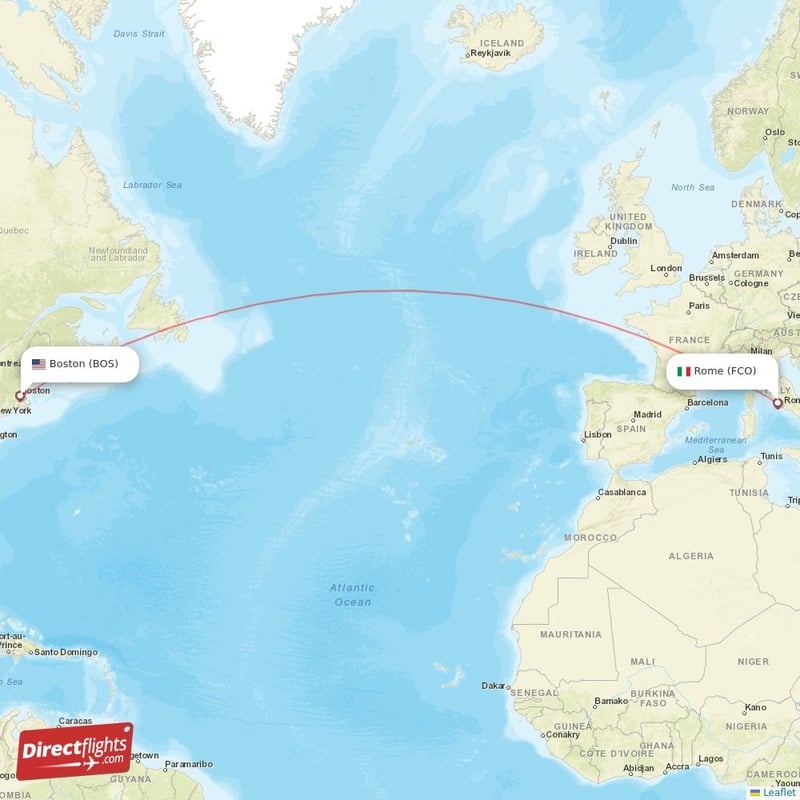
The direct flight from Boston Logan International Airport (BOS) to Leonardo da Vinci–Fiumicino Airport (FCO) typically spans between 7.5 to 8.5 hours. This is the most efficient way to travel between these two iconic cities, minimizing travel time and maximizing your precious vacation hours. However, not all flights are direct, and even direct flights can be subject to subtle variations. In the following sections, we will delve deeper into the specifics of this journey, offering insights to help you prepare for your adventure to the Eternal City.
Understanding the Direct Flight Duration
For many travelers, the allure of a direct flight lies in its simplicity and speed. When planning a trip from Boston to Rome, understanding the typical duration of a non-stop service is the first step in setting realistic expectations for your travel day.
The Typical Non-Stop Journey
A direct flight from Boston Logan International Airport (BOS) to Leonardo da Vinci–Fiumicino Airport (FCO) generally clocks in at around 7 hours and 45 minutes to 8 hours and 30 minutes. This timeframe primarily accounts for the actual airborne travel from gate to gate. The exact duration can be influenced by several factors inherent to transatlantic aviation. For instance, the type of aircraft plays a role; modern, fuel-efficient jets with optimized cruising speeds can sometimes shave off a few minutes compared to older models. More significantly, prevailing winds high above the Atlantic Ocean, known as jet streams, can either act as powerful tailwinds, propelling the aircraft faster towards its destination, or as headwinds, which can necessitate a slightly longer flight time and increased fuel consumption.
Pilots and air traffic controllers continuously optimize flight paths to take advantage of favorable winds and avoid adverse weather systems, aiming for the most efficient and safest route. Therefore, while a baseline duration is established, it’s common for actual flight times to fluctuate slightly from day to day, often by 15-30 minutes. The convenience of a direct flight, however, remains unparalleled, offering a singular experience without the interruptions and additional complexities of layovers.
Major Airlines Operating Direct Routes
While the availability of direct flights can sometimes be seasonal or subject to airline schedule changes, several major carriers have historically served or currently serve the Boston to Rome route. ITA Airways, Italy’s national carrier, is a prominent airline offering non-stop services, connecting these two vibrant cities efficiently. Other major international carriers, such as Delta Air Lines, sometimes operate seasonal direct flights or codeshare agreements on this route.
When planning your trip, it’s advisable to check with these airlines directly or utilize flight search engines to ascertain the most current direct flight offerings. Opting for a reputable airline not only enhances the likelihood of a smoother journey but also often provides a more comfortable in-flight experience, which is particularly valuable on a transatlantic crossing. These airlines typically employ wide-body aircraft for such long-haul routes, offering amenities like personal entertainment systems, meal services, and more spacious cabin configurations designed to make the lengthy flight as comfortable as possible. Securing your tickets well in advance, especially during peak travel seasons, is recommended to ensure availability and potentially better pricing for these coveted direct connections.
Factors Influencing Flight Time and Overall Travel
While the direct flight duration provides a clear baseline, the reality of international travel often involves additional layers of complexity that can significantly impact your total journey time. From connecting flights to atmospheric phenomena, various elements play a role in how long it truly takes to get from Boston to Rome.
The Impact of Layover Flights
Not all journeys from Boston to Rome are direct. Many travelers opt for flights with layovers, often due to cost savings or preferred airline routes. While these connecting flights can be more budget-friendly, they inevitably extend the total travel time. A typical flight with one layover can range anywhere from 10 to 15 hours or more, depending on the layover city and the duration of the stopover.
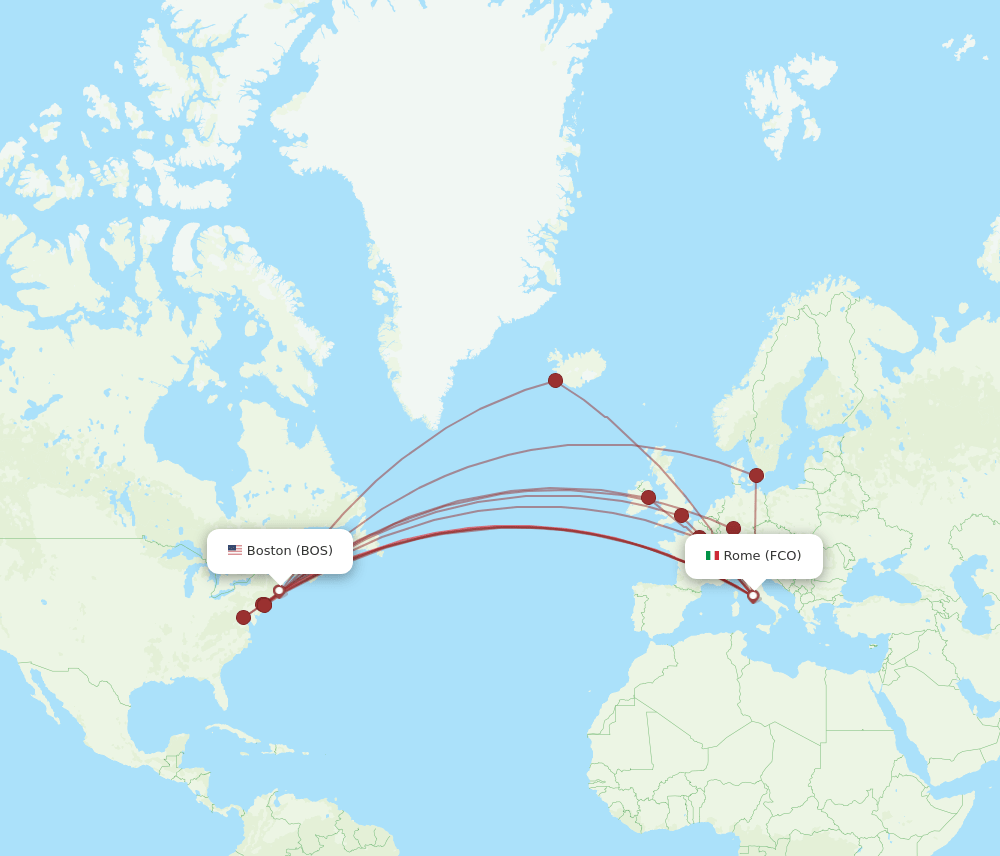
Common layover cities for this route include major European hubs such as London Heathrow, Paris Charles de Gaulle, Amsterdam Schiphol, and Frankfurt Airport. Within the United States, connecting flights might route through major hubs like New York JFK, Philadelphia International Airport, or Charlotte Douglas International Airport. When booking a flight with a layover, consider the transfer time carefully. A short layover (e.g., 1-2 hours) might be tight for connections, especially if there are delays, while an overly long layover (e.g., 6+ hours) can make the journey feel interminable. Balancing cost, convenience, and total travel time is crucial when selecting a connecting flight.
Atmospheric Conditions and Air Traffic Control
Beyond scheduled flight times, real-world conditions in the sky can play a significant role in the actual duration of your flight. As mentioned, headwinds can add anywhere from 30 minutes to an hour or more to a transatlantic flight, as the aircraft must fight against the opposing air currents. Conversely, tailwinds can shave off time, sometimes allowing flights to arrive earlier than scheduled. These atmospheric phenomena are unpredictable well in advance but are continuously monitored by flight dispatchers and pilots to adjust flight plans as needed.
Additionally, air traffic control (ATC) can influence delays. Congestion at busy airports like Boston Logan International Airport or Leonardo da Vinci–Fiumicino Airport, especially during peak travel seasons or adverse weather, can lead to holding patterns in the air or delays on the tarmac. While usually minor, significant delays due to ATC can accumulate, adding to the overall journey time. These factors, though largely out of a traveler’s control, are important to acknowledge as potential contributors to variations in flight duration.
Aircraft Type and Route Optimization
The specific aircraft model used for your flight also has a subtle but definite impact on travel time. Modern wide-body jets like the Boeing 787 Dreamliner or the Airbus A330 and A350 are designed for long-haul efficiency, often cruising at higher speeds and altitudes, which can contribute to shorter flight times compared to older generation aircraft. These newer planes also boast advanced navigation systems that allow for more precise route optimization.

Airlines and flight planners meticulously calculate the most efficient flight paths, taking into account the great-circle distance (the shortest distance between two points on a sphere), prevailing winds, restricted airspace, and potential weather hazards. This optimization ensures that while the journey from Boston to Rome covers a vast distance, it is traversed as directly and swiftly as possible given the operational and environmental constraints. The continuous advancements in aviation technology and route planning are always striving to make transatlantic travel faster and more sustainable.
Navigating the Time Zone Difference and Jet Lag
Beyond the hours spent in the air, a significant aspect of traveling from Boston to Rome is the substantial time zone shift. Understanding this difference and proactively managing its effects, commonly known as jet lag, is crucial for a smooth transition and an enjoyable start to your Italian adventure.
Understanding the Boston to Rome Time Shift
Rome operates on Central European Time (CET), which is GMT+1. During Daylight Saving Time, it shifts to Central European Summer Time (CEST), which is GMT+2. Boston operates on Eastern Standard Time (EST), which is GMT-5, and Eastern Daylight Time (EDT), which is GMT-4.
This means that Rome is typically 6 hours ahead of Boston during standard time and 6 hours ahead during daylight saving time (as both regions adjust their clocks). For example, if it’s 10:00 AM in Boston, it will be 4:00 PM in Rome. This 6-hour difference is substantial and will require your body’s internal clock, or circadian rhythm, to make a significant adjustment upon arrival. Flying east exacerbates jet lag as you effectively “lose” hours from your day. Most flights from Boston to Rome are overnight, meaning you’ll likely depart Boston in the evening and arrive in Rome the following morning, ready to face a full day even if your body feels like it’s the middle of the night.
Strategies for Minimizing Jet Lag
Combating jet lag effectively can significantly enhance your initial days in Rome. Here are some proven strategies:
- Adjust Before You Fly: A few days before departure, try to gradually shift your sleep schedule. If flying east, go to bed an hour or two earlier than usual and wake up earlier.
- Stay Hydrated: Dehydration can worsen jet lag symptoms. Drink plenty of water throughout your flight and avoid excessive alcohol and caffeine, which can disrupt sleep and hydration.
- Set Your Watch to Destination Time: As soon as you board the plane, mentally (and physically) adjust to Rome time. This helps you begin the psychological transition.
- Sleep on the Plane (Strategically): If your flight arrives in the morning, try to sleep for a good portion of the journey. Eye masks and noise-canceling headphones can be invaluable. Conversely, if you arrive in the evening, try to stay awake during the flight.
- Embrace Natural Light: Upon arrival, expose yourself to natural light as much as possible. Sunlight helps reset your body’s internal clock. If arriving in the morning, resist the urge to nap for too long.
- Stay Active and Eat Locally: Engage in light activity and eat meals at local times to further help synchronize your body. A brisk walk around your hotel or a nearby park can be very invigorating.
- Avoid Over-Scheduling: Don’t plan too many activities on your arrival day. Give yourself time to settle in and gently acclimate to your new surroundings.
Preparing for Your Transatlantic Journey
A transatlantic flight, even a direct one, requires thoughtful preparation to ensure a comfortable and stress-free travel experience. From essential documents to in-flight comforts, a little foresight can make a big difference in how you arrive in Rome.
Essential Pre-Flight Considerations
Before you even think about packing, there are critical documents and logistical details to sort out:
- Passport and Visa Requirements: For United States citizens, a passport valid for at least six months beyond your intended departure date from the Schengen Area (which Italy is a part of) is required. For stays up to 90 days within any 180-day period, a visa is generally not required. However, always check the most current requirements for your nationality well in advance of your travel date, as regulations can change.
- Travel Insurance: Given the investment in an international trip, comprehensive travel insurance is highly recommended. It can cover unforeseen circumstances like flight cancellations, medical emergencies, or lost luggage, providing peace of mind.
- Currency and Finances: While credit cards are widely accepted in Italy, it’s always wise to have some Euros on hand for smaller purchases or emergencies. Inform your bank of your travel plans to avoid issues with card usage abroad.
- Transportation to and from Airports: Plan how you’ll get to Boston Logan International Airport and how you’ll travel from Leonardo da Vinci–Fiumicino Airport into Rome. Options include public transport, taxis, or ride-sharing services.
Making the Most of Your Time in the Air
Eight hours can feel like a long time, but with the right approach, your flight can be an opportunity for relaxation and preparation:
- Comfort is Key: Dress in layers in comfortable, loose-fitting clothing. Bring a travel pillow, eye mask, and earplugs or noise-canceling headphones to help with sleep and block out disturbances.
- Stay Entertained: Most long-haul flights offer extensive in-flight entertainment systems with movies, TV shows, music, and games. Alternatively, load your own tablet or e-reader with books, podcasts, or downloaded content.
- Move Around: To prevent stiffness and reduce the risk of deep vein thrombosis (DVT), get up and walk around the cabin every couple of hours. Perform simple stretching exercises in your seat.
- Hydrate and Snack Smart: Continue drinking plenty of water. While airplane food is provided, bringing your own healthy snacks can be a good idea, especially if you have dietary restrictions.
Arriving at Leonardo da Vinci–Fiumicino Airport
Upon landing at Leonardo da Vinci–Fiumicino Airport, the final leg of your journey begins:
- Customs and Immigration: Follow the signs for “Arrivi” (Arrivals) and proceed to passport control. Have your passport ready. The process is usually straightforward for US citizens.
- Baggage Claim: After clearing immigration, retrieve your checked luggage from the carousel.
- Ground Transportation to Rome: Fiumicino Airport is well-connected to Rome city center.
- Leonardo Express: A non-stop train service that connects the airport directly to Roma Termini station in about 32 minutes. This is often the quickest and most reliable option.
- Regional Trains: Slower, less expensive trains that make stops, connecting to other parts of Rome.
- Taxis: Official white taxis are available outside the terminal. Ensure you use licensed taxis and confirm the fixed rate to the city center.
- Bus Services: Several bus companies offer routes from Fiumicino to Roma Termini and other central locations, typically the most budget-friendly option.
The flight from Boston to Rome is a significant journey, but with careful planning and an understanding of what to expect, it can be a comfortable and exciting part of your overall travel experience. Prepare well, embrace the adventure, and look forward to the unforgettable experiences awaiting you in the Eternal City.
LifeOutOfTheBox is a participant in the Amazon Services LLC Associates Program, an affiliate advertising program designed to provide a means for sites to earn advertising fees by advertising and linking to Amazon.com. Amazon, the Amazon logo, AmazonSupply, and the AmazonSupply logo are trademarks of Amazon.com, Inc. or its affiliates. As an Amazon Associate we earn affiliate commissions from qualifying purchases.