
The aroma of slow-smoked pork wafting through the air is an undeniable call to culinary adventure, a sensory signature of American gastronomy. For food enthusiasts and curious travelers alike, mastering the art of the Boston Butt roast is more than just cooking; it’s an immersion into a rich cultural tradition, a cornerstone of American BBQ that defines regional identity and evokes powerful memories. This guide aims to transform your kitchen into a virtual smokehouse, demystifying the process of creating a succulent, fall-apart Boston Butt, allowing you to bring a genuine taste of the United States‘ storied culinary landscape right to your dining table. Far beyond a simple recipe, this is an invitation to explore the heritage, techniques, and sheer delight of a dish that has captivated generations.
The Story Behind the Roast: A Cut Steeped in Tradition
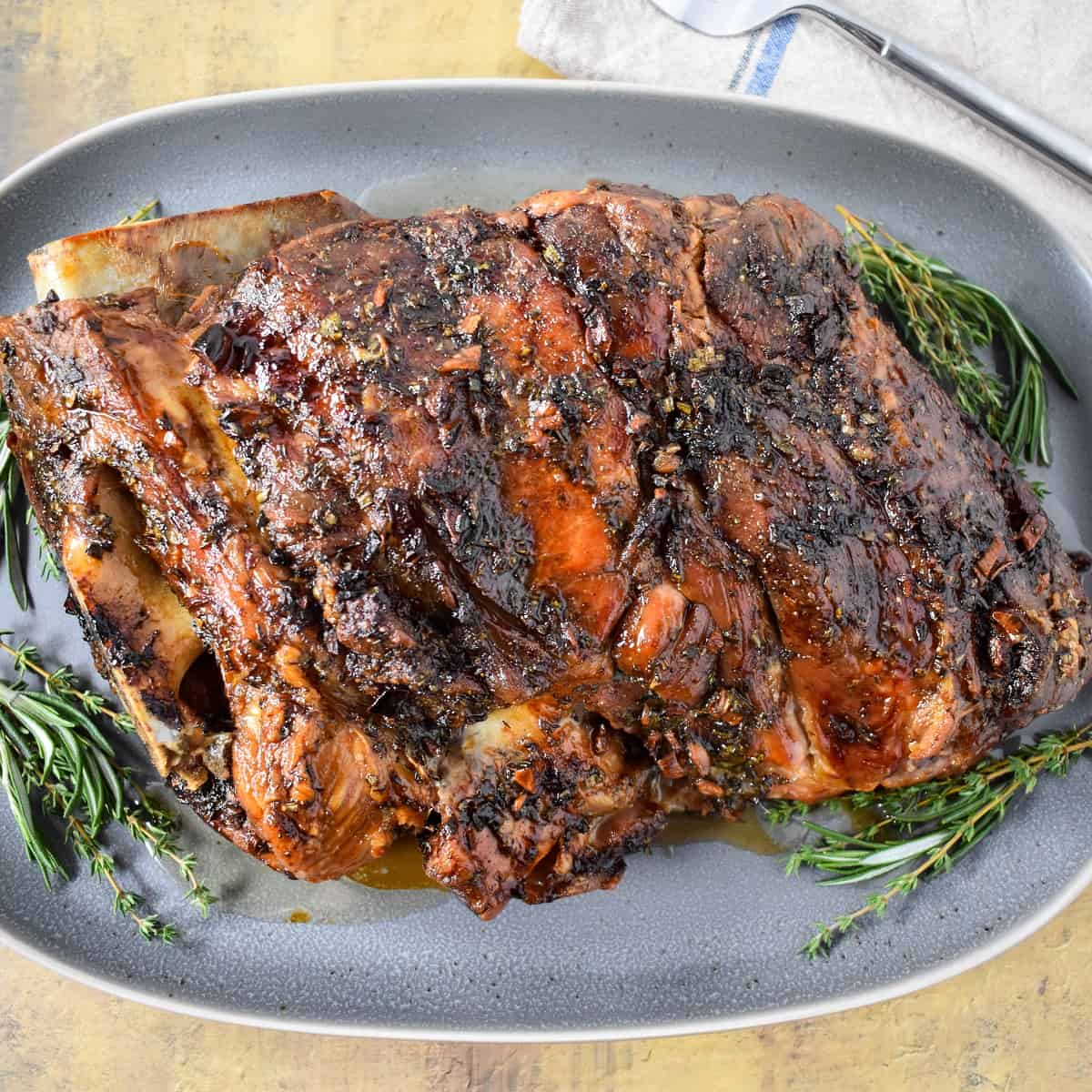
Before delving into the practicalities of cooking, understanding the lineage of the Boston Butt provides invaluable context. This humble cut of pork is far more than just meat; it’s a historical artifact, a testament to culinary ingenuity born from necessity and perfected through passion. Its story intertwines with the development of American foodways, regional agriculture, and the enduring spirit of community gathered around the smoke pit.
Unraveling the “Boston Butt” Mystique
The name itself, “Boston Butt,” often sparks confusion. Contrary to popular belief, it does not come from the rear end of the pig. The “butt” actually refers to the upper part of the pig’s front shoulder, specifically the portion of the pork shoulder located above the picnic shoulder. This particular cut includes parts of the neck, shoulder blade, and upper arm, resulting in a well-marbled piece of meat that is ideal for slow cooking. The “Boston” prefix is believed to have originated in colonial New England. Back then, less prized cuts of pork were often packed into barrels for storage and transport. These barrels were known as “butts,” and the practice of packing these specific shoulder cuts into them led to the moniker “Boston Butt.” This packaging method, combined with its popularity in the region, solidified its name in the culinary lexicon, particularly as it became a staple for pulled pork, a dish that would eventually spread across the nation and become synonymous with barbecue culture.
A Pillar of American Culinary Heritage
From its colonial origins, the Boston Butt steadily grew in prominence, especially in the American South. Its robust flavor and forgiving nature under long cooking times made it a favorite among pitmasters and home cooks alike. It became the star of outdoor gatherings, family reunions, and community festivals, symbolizing hospitality and celebration. The transformation of a tough, fibrous cut into tender, juicy pulled pork through the “low and slow” method is a culinary alchemy, deeply embedded in the cultural fabric of regions like North Carolina, South Carolina, Georgia, and Texas. Each region developed its own specific rubs, sauces, and cooking techniques, contributing to the rich tapestry of American BBQ. For a culinary tourist, understanding this history enhances the appreciation of every bite, connecting them to a culinary past that continues to evolve. It’s a journey into the heart of regional flavors and the shared experience of breaking bread – or, in this case, pulling pork – together.
Mastering the Art of the Boston Butt: Essential Techniques for Perfection
Achieving that legendary melt-in-your-mouth tenderness and rich, smoky flavor of a perfect Boston Butt requires patience, attention to detail, and an understanding of the fundamental principles of barbecue. This isn’t just about following a recipe; it’s about embracing a philosophy of cooking that respects the meat and celebrates the process.
Selecting Your Cut and Preparing the Canvas
The journey to an unforgettable Boston Butt begins at the butcher’s counter. Look for a cut that is well-marbled, indicating a good fat content which will render down during cooking, keeping the meat moist and flavorful. A bone-in butt is often preferred by purists, as the bone can contribute additional flavor and help regulate heat transfer, though boneless versions are also excellent. Aim for a weight between 6 to 10 pounds, which is ideal for a significant cook.
Once you have your magnificent roast, preparation is minimal but crucial. Some prefer to “trim” excess hard fat from the exterior, while others leave a generous fat cap to protect the meat during the long cooking process. A common practice is to score the fat cap in a crisscross pattern, allowing your rub to penetrate deeper and encouraging even rendering. Pat the roast dry with paper towels; a dry surface helps the rub adhere better and can facilitate the formation of a desirable “bark.”
The Rub: A Flavorful Foundation
The rub is the soul of your Boston Butt, a meticulously crafted blend of spices that penetrates the meat’s surface, creating a flavorful crust (the “bark”) and infusing every strand with taste. While commercial rubs are readily available, creating your own allows for customization and a deeper connection to the cooking process. A classic rub typically includes a generous amount of salt, black pepper, paprika (smoked paprika for an extra layer of flavor), garlic powder, onion powder, brown sugar, and a touch of cayenne pepper for a subtle kick. The brown sugar not only adds sweetness but also aids in the caramelization, contributing to the rich color and texture of the bark.
Apply the rub generously, ensuring all surfaces of the roast are thoroughly coated. Don’t be shy; the meat can take a significant amount of seasoning. Many pitmasters recommend applying the rub several hours, or even a day, in advance, allowing the flavors to meld and penetrate deeply into the meat. Cover the seasoned roast loosely and refrigerate it during this “dry brine” period.
Low and Slow: The Philosophy of BBQ
The mantra for Boston Butt is “low and slow.” This cooking method is paramount to breaking down the tough connective tissues within the shoulder, transforming them into gelatin and resulting in that signature tender, pull-apart texture. High heat would simply dry out the meat and make it tough. The ideal temperature range for smoking or roasting a Boston Butt is typically between 225°F and 275°F (107°C and 135°C).
Cooking time will vary significantly based on the size of your roast and your chosen temperature, but expect anywhere from 1.5 to 2 hours per pound. A 10-pound butt could easily take 15 to 20 hours. Patience is key. The internal temperature is your ultimate guide; the goal is to reach an internal temperature of around 195°F to 205°F (90°C to 96°C) for optimal shreddability. The meat will hit a “stall” during cooking, where its internal temperature plateaus for several hours due to evaporative cooling. Resist the urge to increase the heat; this is a normal part of the process, and pushing through it is essential for tenderness. Many cooks wrap the butt in butcher paper or foil once it hits the stall (around 150-160°F / 65-71°C) to push through this phase and retain moisture. This technique is often referred to as the “Texas Crutch.”
Smoking vs. Roasting: Choosing Your Method
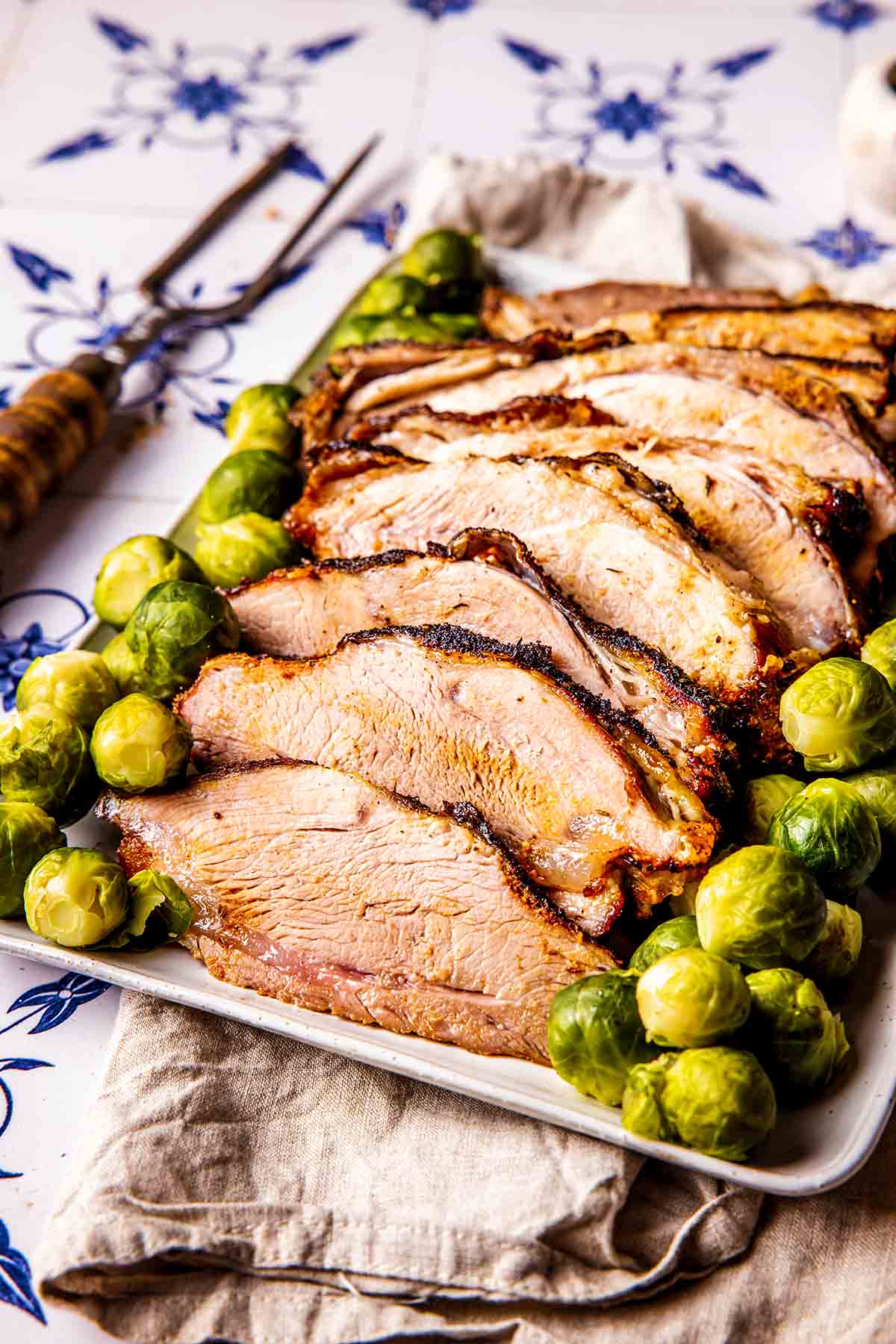
The true connoisseur often opts for smoking, which imparts an unparalleled depth of flavor. A smoker (offset, pellet, or even a well-managed kettle grill) allows for continuous infusion of wood smoke. Popular wood choices include hickory, apple, cherry, or oak, each lending its own nuanced flavor profile. Maintain a consistent smoke for the first few hours, then manage your heat until the cook is complete.
If a smoker isn’t available, a conventional oven can still produce an excellent Boston Butt. Preheat your oven to the desired low temperature. Place the seasoned roast on a wire rack set over a baking sheet to allow for even airflow and to catch drippings. While it won’t have the deep smoky flavor of a true barbecue, you can compensate somewhat by using liquid smoke in your rub or a smoke-flavored finishing sauce. A slow cooker is another viable option for extreme ease and moisture retention, though it lacks the bark development. The key, regardless of method, is consistency in low temperature.
The Journey from Pit to Plate: Serving and Savoring
The moment of truth arrives when your Boston Butt reaches its peak internal temperature and has developed a deep, dark bark. But the journey isn’t over yet; the final steps are critical for maximum tenderness and flavor.
Achieving the Perfect Pull
Once your Boston Butt reaches the desired internal temperature (195-205°F / 90-96°C), remove it from the heat source. This next step is perhaps the most important after the cook itself: resting. Wrap the roast tightly in foil, then in a towel, and place it in an insulated cooler for at least one hour, or preferably two to four hours. This resting period allows the muscle fibers to relax and reabsorb the juices, ensuring a supremely moist and tender result. Skipping this step will result in a drier, tougher product.
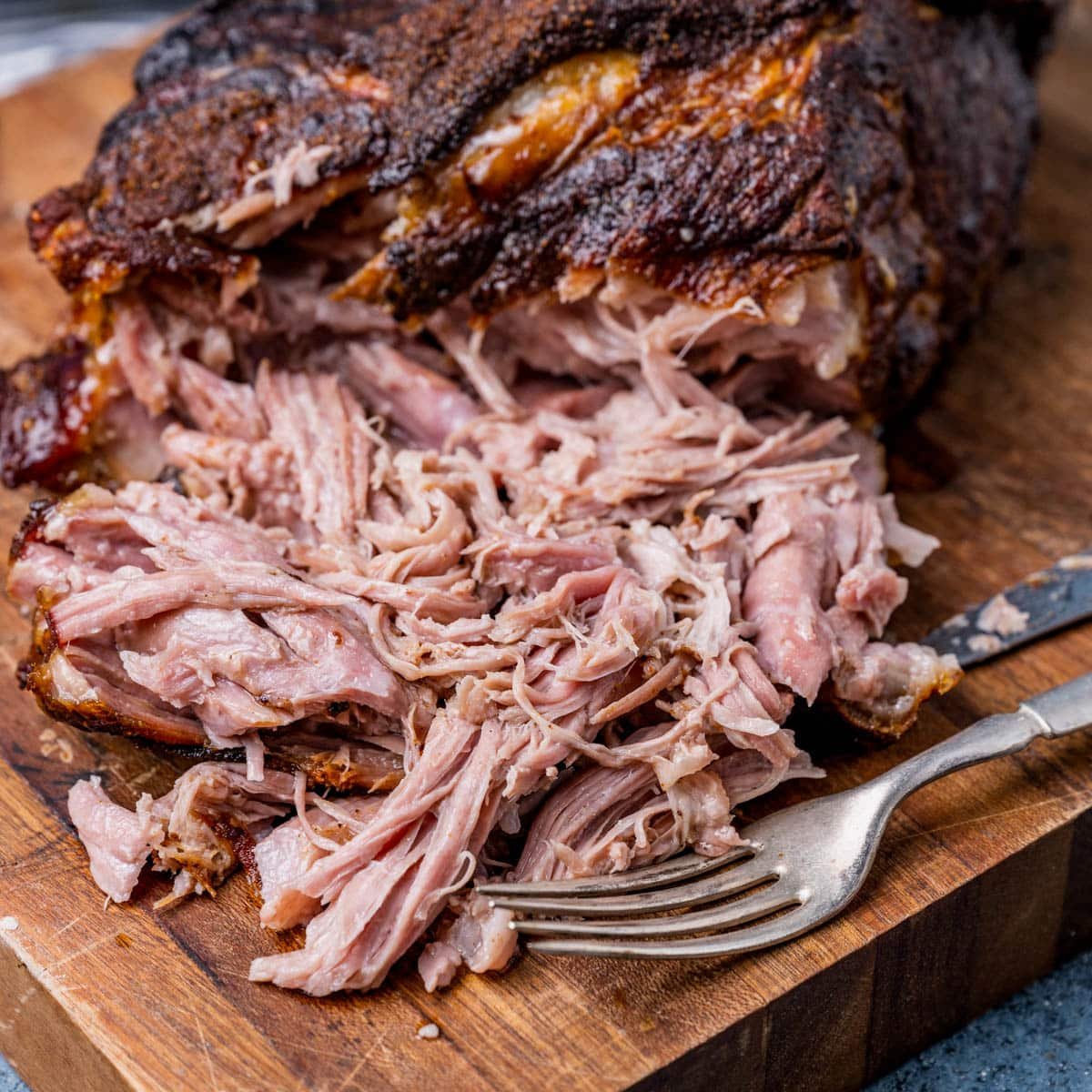
After resting, the meat should literally fall apart. Using “bear claws” or two forks, begin to shred the pork, pulling it away from the bone (which should come out cleanly). Discard any large pieces of rendered fat or gristle, though some small pieces of fat can be incorporated back into the pulled pork for added moisture and flavor. Mix the shredded pork with some of its own drippings or a splash of apple cider vinegar for tang, or even a little barbecue sauce, depending on your regional preference.
Accompaniments: Completing the Experience
Pulled pork is rarely served in isolation. It forms the centerpiece of a meal, complemented by a cast of classic sides that enhance the overall experience. Traditional accompaniments often include creamy coleslaw, sweet and tangy baked beans, soft potato rolls or buns for sandwiches, and perhaps some corn on the cob or cornbread. The interplay of textures and flavors – the rich, savory pork, the crisp, refreshing slaw, the sweet beans – creates a harmonious balance that is quintessential American BBQ. Different regions favor different sauces: a vinegar-based sauce in Eastern Carolina, a mustard-based sauce in South Carolina, a sweet and thick tomato-based sauce in Kansas City, or a dry rub focus in Memphis. Exploring these variations through your choice of sauce is another layer of the culinary journey.
Beyond the Plate: Boston Butt as a Culinary Souvenir
Preparing a Boston Butt isn’t just a meal; it’s a skill gained, a story shared, and a taste of culture brought into your home. For the culinary tourist, recreating this dish offers a profound connection to the places visited and the traditions encountered. It allows you to extend the travel experience, sharing the flavors of Southern hospitality with friends and family. Beyond immediate consumption, pulled pork is incredibly versatile. Leftovers can be transformed into tacos, quesadillas, loaded baked potatoes, or even creative twists on Asian-inspired dishes. This versatility makes the Boston Butt roast an economical and highly rewarding culinary endeavor, ensuring that the essence of your gastronomic travels can be savored for days to come.
Exploring Regional Variations and the Broader BBQ Landscape
The beauty of American BBQ, and specifically the Boston Butt, lies in its regional diversity. What begins as a common cut of pork transforms into distinct culinary expressions across different states, each offering a unique flavor profile and experience. Understanding these nuances enriches the home cooking process and deepens appreciation for culinary tourism.
Distinguishing Flavors Across the States
While the Boston Butt is the preferred cut for pulled pork across the BBQ belt, the methods and accompanying flavors vary significantly. In Eastern North Carolina, the whole hog is traditionally cooked, but shoulder cuts are always involved, and the finished product is typically chopped (not pulled) and dressed with a simple vinegar and red pepper flake sauce, emphasizing the pure pork flavor. Moving inland to Western North Carolina (or Lexington style), a tomato and vinegar-based sauce with a touch of sweetness begins to appear. South Carolina is famous for its “Carolina Gold” mustard-based sauces, a distinctive tangy and sweet yellow sauce that perfectly complements slow-smoked pork. Further west, Kansas City BBQ embraces a wider variety of meats, but its pulled pork often features a thick, sweet, and smoky tomato-based sauce. Memphis BBQ is renowned for its dry rubs, with pulled pork often served without sauce, allowing the complex spices and smoke to shine. These regional distinctions are not merely preferences; they are reflections of historical ingredients, cultural influences, and local agricultural practices.
Bringing the BBQ Trail Home
For the culinary traveler, the Boston Butt offers an accessible entry point into this vast and delicious landscape. By experimenting with different rub formulations and finishing sauces, you can virtually traverse the BBQ Trail from your own kitchen. Consider a sweet and spicy rub with a touch of espresso for a Texas-inspired take, or double down on paprika and a tangy sauce for a St. Louis-style experience. The ability to recreate these distinct flavors is a testament to the power of food as a cultural ambassador. It transforms a simple meal into an educational and sensory exploration, allowing you to relive travel memories or discover new culinary territories without leaving your home.
Ultimately, cooking a Boston Butt roast is an act of love, patience, and appreciation for a fundamental piece of American culinary identity. It’s a journey that starts with a humble cut of meat and ends with an extraordinary feast, rich in flavor, history, and the unmistakable taste of tradition. Embrace the process, savor the aromas, and delight in the knowledge that you are not just cooking; you are participating in a cherished culinary heritage.
LifeOutOfTheBox is a participant in the Amazon Services LLC Associates Program, an affiliate advertising program designed to provide a means for sites to earn advertising fees by advertising and linking to Amazon.com. Amazon, the Amazon logo, AmazonSupply, and the AmazonSupply logo are trademarks of Amazon.com, Inc. or its affiliates. As an Amazon Associate we earn affiliate commissions from qualifying purchases.