
The aroma of slow-smoked pork, rich with spices and woodsy notes, is more than just a scent; it’s an invitation to a culinary journey deeply embedded in the cultural fabric of the Southern United States. Preparing a Boston Butt roast, often synonymous with succulent pulled pork, is not merely about cooking a cut of meat; it’s about engaging with a cherished tradition that has shaped gatherings, celebrations, and the very identity of Southern cuisine. For travelers exploring the rich tapestry of American food, understanding and attempting this dish offers an authentic taste of local culture that goes beyond a restaurant meal. This guide aims to demystify the process, allowing you to bring the spirit of a genuine barbecue pit master into your own kitchen, effectively replicating a beloved tourist experience from home.
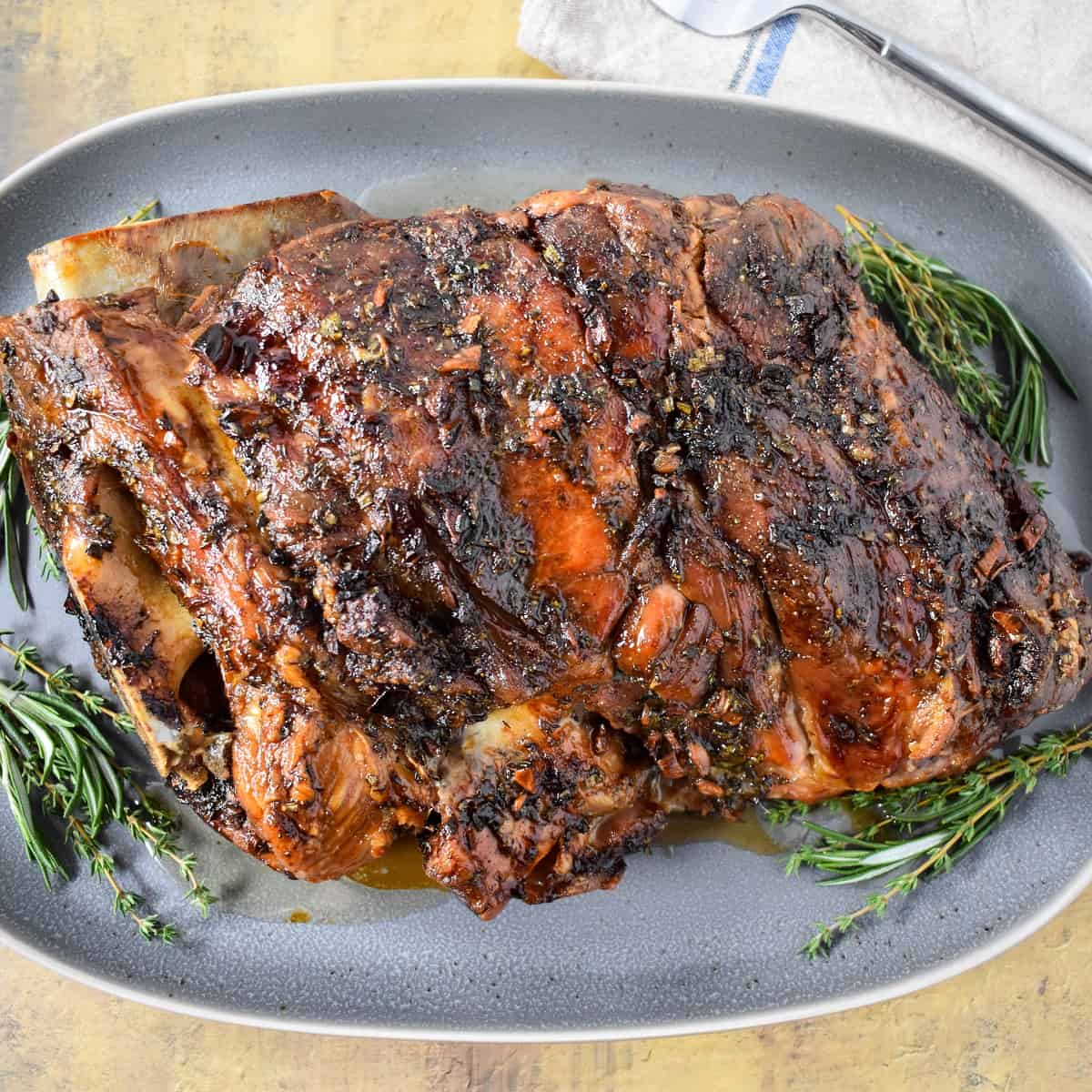
Understanding the Essence of Southern Barbecue Culture
To truly appreciate the Boston Butt roast, one must first delve into the cultural significance it holds, particularly in the barbecue heartlands. It’s not just a dish; it’s a testament to patience, community, and the art of slow cooking.
The Boston Butt: A Culinary Cornerstone
Despite its curious name, the Boston Butt is not from the rear of the hog but is actually a cut from the upper part of the pig’s front shoulder. Historically, in Boston, butchers would pack less prized cuts of pork into barrels, often referred to as “butts.” This specific cut, with its ideal balance of meat, fat, and connective tissue, became the star of slow-cooked preparations, especially when it migrated south and found its true calling in barbecue pits. Its high fat content ensures the meat remains incredibly moist and flavorful during the extended cooking times required to break down tough collagen into gelatin, resulting in the fall-apart tenderness that defines exceptional pulled pork. From backyard cookouts to renowned barbecue festivals, the Boston Butt stands as a pillar of regional identity and a must-try for any culinary adventurer.
Regional Variations and Their Charm
The beauty of Southern barbecue lies in its diverse regional expressions, each offering a unique take on the Boston Butt. In the Carolinas, particularly North Carolina and South Carolina, pulled pork is often served with a tangy, vinegar-based sauce, sometimes with a mustard kick in the latter. This sharp, piquant sauce cuts through the richness of the pork, creating a vibrant balance. Travel west to Kansas City, and you’ll encounter a sweeter, thicker, tomato and molasses-based sauce that clings to the smoky meat. Further southwest, in Texas, while beef brisket often takes center stage, pork shoulder is still celebrated, typically with a dry rub that allows the natural flavors of the meat and smoke to dominate, perhaps with a thinner, spicier sauce on the side. These regional nuances are what make a culinary tour of the South so captivating, and understanding them enhances the appreciation for this humble cut of pork.
Embarking on Your Culinary Journey: Preparing the Boston Butt
Preparing a Boston Butt roast is an experience in itself, a meditative process that rewards patience with unparalleled flavor. It’s an opportunity to truly connect with the traditions of Southern food.
Selecting the Perfect Cut for Authentic Flavor
The foundation of any great Boston Butt roast is the meat itself. When selecting your pork shoulder, look for a piece weighing between 6 to 10 pounds. A bone-in cut is often preferred by enthusiasts as the bone can impart additional flavor and help regulate heat during cooking, leading to a more evenly cooked roast. Crucially, seek out a butt with good marbling – streaks of fat running through the meat. This internal fat is what renders down during the long cooking process, basting the meat from within, preventing it from drying out, and contributing immensely to the succulence and flavor profile. A visible fat cap on one side is also desirable, as it protects the meat and adds richness. Don’t be afraid to ask your butcher for guidance; they can often provide insights into the quality and origin of their cuts, further enhancing your connection to the local food scene.
The Art of the Dry Rub: Seasoning for Success
The dry rub is the soul of a Boston Butt roast, forming the delicious “bark” and infusing the meat with layers of flavor long before it hits the heat. While specific blends vary by region and personal preference, a classic Southern dry rub typically combines savory, sweet, and spicy elements. Essential ingredients often include coarse salt, black pepper, garlic powder, onion powder, paprika (sweet, smoked, or hot), brown sugar (for caramelization and sweetness), and a touch of cayenne pepper for a subtle kick.
To apply the rub, first pat the pork shoulder completely dry with paper towels. This helps the rub adhere better and promotes a crispier bark. Then, liberally coat the entire surface of the Boston Butt, pressing the rub into every crevice. Don’t be shy; you want a thick, even layer. Many pit masters prepare their meat the night before, allowing the rub to penetrate deeply for at least 8-12 hours in the refrigerator. This “dry brining” process draws out moisture, then reabsorbs it with the spices, creating an incredibly flavorful crust.
Low and Slow: The Philosophy of Tender Perfection
The mantra for cooking a Boston Butt roast is unequivocally “low and slow.” This method is not just a technique; it’s a philosophy born from generations of barbecue expertise. High heat would toughen the meat and dry it out, but a low temperature over an extended period allows the connective tissues within the pork shoulder to slowly break down into luscious gelatin. This transformation is what gives pulled pork its characteristic melt-in-your-mouth tenderness. Whether you’re using a dedicated smoker, an oven, or even a slow cooker, the principle remains the same: gentle, consistent heat over many hours. This extended cooking time also allows the smoke (if using a smoker) to deeply penetrate the meat, imparting that signature smoky flavor that defines authentic Southern barbecue and makes it such a sought-after culinary experience for travelers.

Mastering the Cooking Process for a Taste of the South
Executing the “low and slow” philosophy requires attention to detail and an understanding of key techniques that will elevate your Boston Butt from good to legendary.
Smoking vs. Oven Roasting: Replicating Regional Techniques
The most authentic method for cooking a Boston Butt is in a smoker, where indirect heat and wood smoke create unparalleled depth of flavor. Hardwoods like hickory, oak, apple, or cherry are commonly used, each imparting a distinct aromatic profile. Maintain a consistent temperature of 225-275°F (107-135°C) for several hours. For those without a smoker, an oven can still produce excellent results, especially if you incorporate liquid smoke into your rub or use a smoke box if your oven allows. Preheat your oven to a similar low temperature, around 250°F (120°C). While the smokiness won’t be as pronounced, the “low and slow” principle will still ensure tender, juicy pork. Consider placing a pan of water in the oven to add moisture, mimicking the humid environment of a smoker and preventing the meat from drying out.
The Spritz, Wrap, and Rest: Enhancing Moisture and Tenderness
Throughout the cooking process, several techniques help optimize the Boston Butt’s moisture and tenderness. “Spritzing” involves periodically misting the pork with apple cider vinegar, apple juice, or even beer. This helps to keep the surface moist, prevents the bark from drying out, and can add subtle flavor. After several hours in the smoker or oven, when the bark has formed and the internal temperature reaches around 160-170°F (71-77°C), many pit masters employ the “Texas Crutch” – wrapping the butt tightly in aluminum foil or pink butcher paper. This technique steams the meat, pushes it through the dreaded “stall” (where evaporation cools the surface, halting temperature rise), and tenderizes it further.
Finally, and perhaps most crucially, is the “rest.” Once your Boston Butt reaches its target internal temperature, remove it from the heat (keeping it wrapped) and let it rest for at least 1-2 hours, or even longer in an insulated cooler. This allows the muscle fibers to relax and reabsorb juices, resulting in an incredibly moist and flavorful finished product. Skipping this step is a common mistake that leads to dry pork.
Achieving the Perfect “Bark” and Internal Temperature
The “bark” is the delicious, caramelized, and seasoned crust that forms on the outside of the Boston Butt during slow cooking. It’s a hallmark of expertly cooked barbecue and a texture contrast to the tender interior. Achieving a good bark requires patience and consistent low heat. The dry rub plays a major role, as the sugars caramelize and the spices toast. The presence of smoke also contributes to the bark’s color and texture.
The ultimate indicator of doneness for pulled pork is not just time but internal temperature and feel. While temperatures can vary, most pit masters aim for an internal temperature between 200-205°F (93-96°C). At this point, the collagen has fully rendered, and the meat should be incredibly tender. A reliable test is the “probe test”: when you insert a thermometer probe or skewer into the thickest part of the meat, it should slide in with very little resistance, feeling like “pork butter.” This signifies that the meat is ready to be pulled.
Serving Your Southern Masterpiece: A Tourist’s Delight
After hours of dedication, the moment of truth arrives. Serving your Boston Butt roast is about more than just plating food; it’s about presenting a cultural experience.
Pulling the Pork: The Satisfying Grand Finale
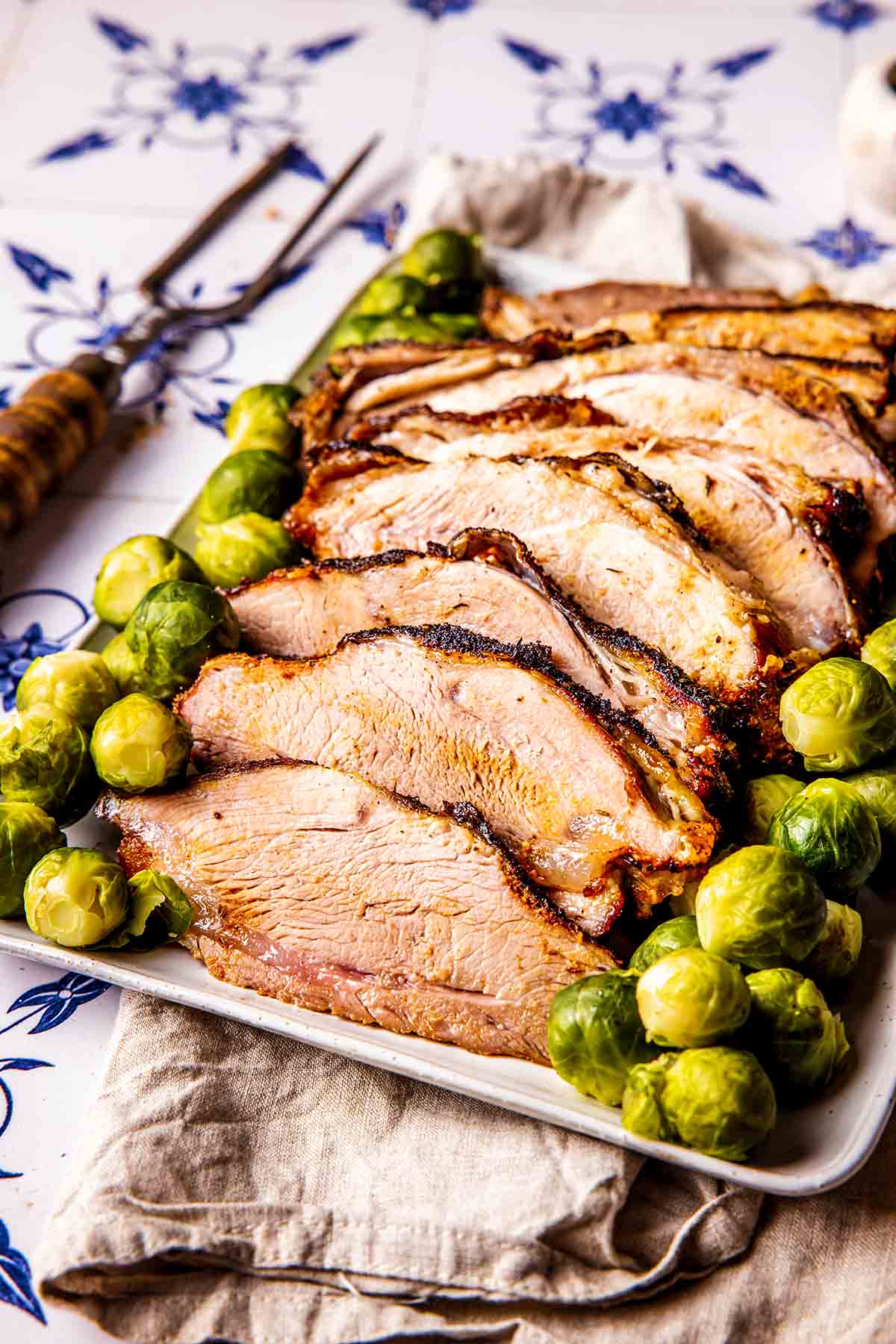
Once rested, the Boston Butt should be so tender that it practically falls apart. Using bear claws, two forks, or even just your hands (wearing heat-resistant gloves), begin to shred the meat. Remove any large pieces of fat or connective tissue, though some smaller, rendered bits can be left for flavor. The result should be tender, juicy strands of pork, often mixed with pieces of flavorful bark. This act of pulling the pork is deeply satisfying, showcasing the fruits of your labor and preparing it for its destined role as the star of sandwiches or plates.
Essential Accompaniments: Completing the Experience
No Boston Butt roast experience is complete without its traditional supporting cast. These sides are integral to the Southern American culinary traditions and elevate the meal from a simple dish to a full cultural immersion. Classic accompaniments include creamy coleslaw, which offers a refreshing crunch and tang to balance the rich pork; fluffy cornbread, perfect for soaking up juices; savory baked beans, often slow-cooked with bacon and brown sugar; and tangy pickles or pickled onions, which provide a sharp counterpoint. Macaroni and cheese, collard greens, and potato salad are also beloved additions. Offering a selection of these sides truly recreates the authentic barbecue joint experience you might find while traveling.
Crafting the Perfect Sauce: A Personal or Regional Touch
While the smoked or roasted pork itself is incredibly flavorful, barbecue sauce is often seen as the crowning glory, adding moisture and a final layer of taste. As discussed, regional preferences vary wildly. You might opt for a vibrant, vinegary Carolina-style sauce to bring out the tang, a sweet and smoky Kansas City-style sauce for richness, or a spicy Alabama white sauce (mayonnaise-based) for something unique. Many enjoy a combination or offer a choice. You can purchase high-quality pre-made sauces that reflect specific regional styles, or for a deeper dive into culinary tourism, try crafting your own. Experimenting with different sauce profiles allows you to personalize your Boston Butt experience, perhaps even recreating a taste memory from a favorite travel destination.
Preparing a Boston Butt roast is an incredibly rewarding endeavor, a true testament to the “low and slow” philosophy that defines much of Southern cooking. It’s more than just a meal; it’s an immersive experience into the heart of a vibrant culinary tradition, offering a tangible connection to the local culture of the American South. Whether you’re a seasoned pit master or a curious home cook, mastering this dish allows you to savor a significant piece of American food culture and perhaps even inspire your next culinary travel adventure.
LifeOutOfTheBox is a participant in the Amazon Services LLC Associates Program, an affiliate advertising program designed to provide a means for sites to earn advertising fees by advertising and linking to Amazon.com. Amazon, the Amazon logo, AmazonSupply, and the AmazonSupply logo are trademarks of Amazon.com, Inc. or its affiliates. As an Amazon Associate we earn affiliate commissions from qualifying purchases.