
For the discerning traveler, culinary exploration is often the heart of any journey. Whether it’s the vibrant street food of Bangkok, the sophisticated pastries of Paris, or the soul-stirring barbecue of the American South, these gastronomic encounters create indelible memories. Among the pantheon of iconic American regional dishes, the Boston Butt holds a special place. This succulent, slow-smoked pork shoulder, a staple of barbecue culture, often leaves travelers with not just a full stomach, but also with treasured leftovers—culinary souvenirs of a memorable trip.
Reheating barbecue, especially a masterpiece like Boston Butt, isn’t merely about warming up food; it’s about preserving an experience, savoring the lingering flavors of a destination, and extending the pleasure of your culinary adventures long after you’ve returned home. This guide provides insightful, professional methods to revive your Boston Butt, ensuring every bite takes you back to that roadside smokehouse or bustling BBQ joint.
Savoring Culinary Memories: Why Reheating Matters for the Discerning Traveler
The allure of travel extends beyond sightseeing; it deeply intertwines with the flavors and aromas encountered along the way. Bringing home a piece of that culinary journey, even if it’s just leftover smoked pork, is a testament to the richness of your experiences. Reheating your Boston Butt correctly allows you to relive those moments and share the essence of a distant culture with friends and family.
The Essence of a BBQ Journey
The Boston Butt is more than just a cut of meat; it’s a symbol of regional culinary heritage. From the vinegary tang of Eastern North Carolina to the sweet and smoky rub of Kansas City, each region imparts its unique character through specific smoking techniques, wood choices, and spice blends. When you taste a perfectly cooked Boston Butt, you’re not just enjoying a meal; you’re experiencing a culmination of generations of pitmaster wisdom, local traditions, and the very soul of American comfort food.
Imagine visiting the Carolina BBQ Trail, soaking in the vibrant atmosphere of Memphis in May, or waiting in line for hours at Franklin Barbecue in Austin. The aroma of wood smoke, the camaraderie of fellow food enthusiasts, and the first melt-in-your-mouth bite become cherished travel memories. Reheating that Boston Butt enables you to extend this sensory journey, a thoughtful way to keep your travel experiences vivid and alive.
Extending Your Gourmet Getaway
Leftovers, far from being an afterthought, can be a delightful extension of your gourmet getaway. The ability to properly reheat a dish ensures that the integrity of its original preparation, its texture, and its flavor profile are largely maintained. This is particularly true for slow-cooked meats like Boston Butt, which benefit from careful reapplication of heat.
Consider the practicalities: perhaps you over-ordered at a renowned BBQ establishment, or you purposefully packed some for the journey home. Learning how to properly reintroduce moisture and warmth to your smoked pork means you can enjoy that authentic taste days later, perhaps even introducing it to new culinary contexts inspired by your travels. It’s a sustainable way to enjoy your culinary souvenirs, minimizing waste and maximizing enjoyment of those cherished travel tastes.
The Science of Succulence: Preserving Flavor and Texture
The challenge with reheating any meat, especially slow-smoked pork, is to avoid drying it out while bringing it back to an appetizing temperature. The key lies in understanding the inherent properties of the Boston Butt and applying techniques that prioritize moisture retention and even heating.
Understanding the Boston Butt’s Unique Characteristics
A Boston Butt is rich in collagen and intramuscular fat, which slowly renders during the smoking process, creating an incredibly tender, juicy, and flavorful product. This fat and collagen are what allow the pork to shred so beautifully. When reheating, the goal is to re-liquefy any solidified fats and juices without evaporating the precious moisture that keeps the meat succulent. Rapid, high heat tends to seize up muscle fibers and dry out the pork, diminishing the very qualities that make a Boston Butt so desirable.
The smoke ring and bark, crucial components of authentic BBQ, also need careful handling. The smoky flavor can dissipate with improper reheating, and the crispy bark can turn soggy or tough. Therefore, a gentle, moist, and even heat application is paramount to preserving these characteristics.
Initial Preparation for Optimal Reheating
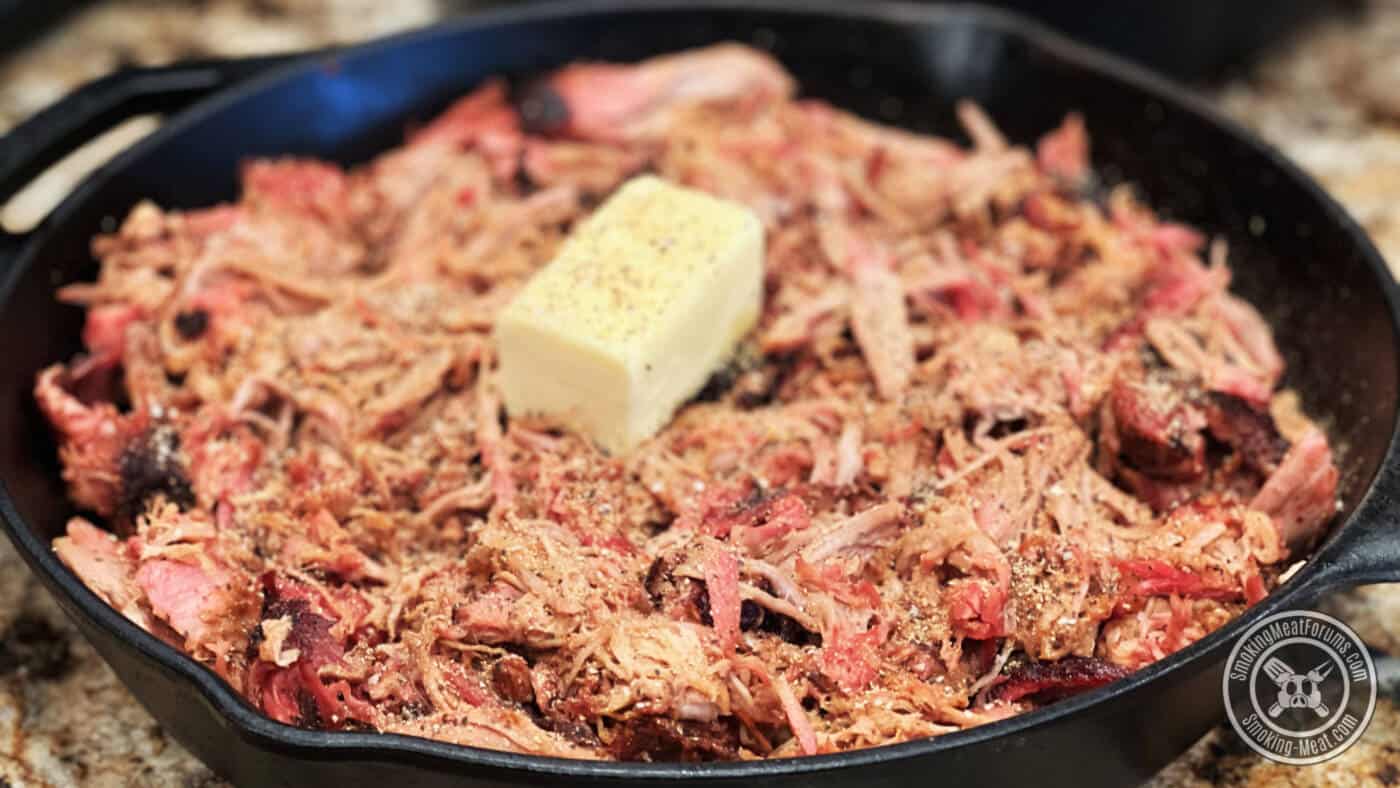
The success of reheating starts with proper storage. After enjoying your initial meal, allow any leftover Boston Butt to cool completely to room temperature (within two hours) before refrigerating. For best results, shred or pull the pork into desired portions and, crucially, incorporate any leftover cooking juices or sauce. This additional liquid acts as a safeguard against drying during the reheating process.
Store the pork in an airtight container or a vacuum-sealed bag in the refrigerator for up to 3-4 days, or freeze for up to 3 months. Freezing is an excellent option for longer preservation, allowing you to space out your culinary reminiscences. When ready to reheat from frozen, always thaw the pork completely in the refrigerator overnight before proceeding with any of the methods below.
Masterful Methods for Reheating: A Traveler’s Guide
Different reheating methods offer varying degrees of convenience and quality. Choosing the right technique depends on your available equipment, the quantity of pork, and your desired outcome. Each method aims to gently warm the meat while reintroducing moisture.
The Oven Method: Mimicking the Smoker’s Embrace
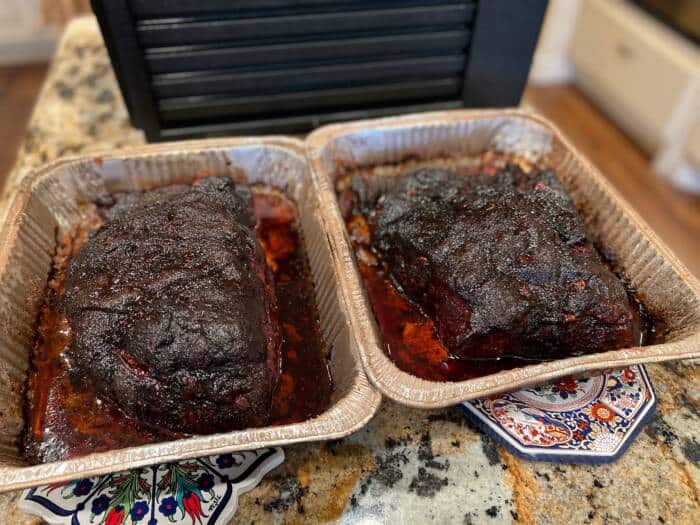
This is arguably the best method for larger quantities of Boston Butt and for achieving results closest to the original smoking.
- Preparation: Preheat your oven to a low temperature, typically 225°F (107°C) to 275°F (135°C). Place the pulled pork in an oven-safe dish.
- Moisture: Add a splash of liquid—broth, apple juice, beer, or any leftover barbecue sauce—to the dish. This creates a moist environment. Cover the dish tightly with aluminum foil.
- Reheating: Bake for 20-30 minutes per pound, or until the internal temperature reaches 165°F (74°C). The low and slow approach ensures even heating without drying out the meat.
- Finish: If you prefer a crispier bark, remove the foil for the last 10 minutes.
The Stovetop Method: Quick Revival for Smaller Servings
Ideal for smaller portions or when you need a faster turnaround, perfect for making quick sandwiches or tacos.
- Preparation: Place the pulled pork in a heavy-bottomed pot or skillet.
- Moisture: Add a small amount of liquid (broth or sauce) to the pot, just enough to create steam.
- Reheating: Heat over medium-low heat, stirring occasionally, until warmed through. Keep covered to trap moisture. This method requires more vigilance to prevent scorching.
The Sous Vide Technique: Precision for Perfection
For the culinary enthusiast who appreciates precision and impeccable results, the sous vide method is a game-changer for reheating.
- Preparation: Place the pulled pork and any juices/sauce in a vacuum-sealable bag. Ensure it’s sealed tightly.
- Water Bath: Set your sous vide circulator to 165°F (74°C). Once the water reaches temperature, submerge the bag.
- Reheating: Allow the pork to reheat for 1-3 hours, depending on thickness. The gentle, consistent heat of the water bath ensures the pork warms evenly without losing any moisture, resulting in remarkably tender and juicy meat.
The Smoker Method: Recreating the Original Experience
If your travels have inspired you to invest in a home smoker, this method offers the most authentic recreation of the original experience.
- Preparation: Preheat your smoker to 225°F (107°C). Place the Boston Butt in a foil pan, adding a splash of liquid and covering tightly with foil.
- Reheating: Place the pan in the smoker. After about 1-2 hours, or when the internal temperature reaches 165°F (74°C), remove the foil.
- Smoke Kiss: For an extra kiss of smoke and to revive the bark, leave uncovered for another 30-60 minutes, or until desired texture is achieved. This is a wonderfully immersive way to relive your Smoky Mountains or Texas BBQ experience.
Elevating the Reheated Experience: Pairing and Presentation
Reheating is just the first step. To truly honor the culinary journey your Boston Butt represents, consider how you’ll serve it. Presentation and thoughtful pairings can transform leftovers into a gourmet meal, inviting guests to share in your travel tastes.
Complementary Sides from Your Culinary Adventures
Think back to the sides you enjoyed on your trip. Did that BBQ joint in Austin serve it with creamy mac and cheese, tangy coleslaw, or perhaps some rustic cornbread? Recreate those pairings at home.
- Southern Comforts: Classic coleslaw, potato salad, baked beans, or collard greens.
- Regional Twists: Consider adding a side inspired by a different region – perhaps a vibrant Mexican street corn salad if your trip involved crossing borders, or a fresh, crisp salad with a light vinaigrette.
- Beverage Pairings: A crisp lager, a dark stout, or a robust Zinfandel can beautifully complement the rich flavors of the pork, enhancing the overall dining experience.
Creative Applications: Beyond the Plate
Don’t limit reheated Boston Butt to a simple platter. Let your culinary adventures inspire new dishes.
- Tacos or Burritos: Shredded pork makes excellent filling for tacos, burritos, or quesadillas, perhaps with a vibrant salsa reminiscent of flavors from Mexico or California.
- Sandwiches and Sliders: A classic pulled pork sandwich on a brioche bun with extra sauce is always a winner.
- Stews or Chili: Incorporate the flavorful pork into a hearty chili or a comforting stew, especially on a cold evening.
- Breakfast Hash: Mix with potatoes, onions, and bell peppers for a unique and savory breakfast hash.
A Sustainable Approach to Culinary Tourism
Embracing the art of reheating Boston Butt is not only about gastronomic pleasure but also reflects a thoughtful, sustainable approach to culinary tourism. It’s about respecting the food, the effort that went into preparing it, and minimizing waste.
Minimizing Waste, Maximizing Enjoyment
In a world increasingly conscious of food waste, the ability to properly store and reheat leftovers is an invaluable skill. When you bring home a portion of Boston Butt from a destination, you are actively participating in a cycle of resourcefulness. You’re not just enjoying the taste; you’re appreciating the value of the food and extending its lifespan, contributing to a more sustainable culinary ecosystem. This mindful consumption allows for maximum enjoyment of your travel souvenirs.
Sharing Your Travel Tastes
Finally, reheating Boston Butt offers a fantastic opportunity to share your travel tastes and stories. Gathering friends or family around a table to enjoy a meal that reminds you of a recent trip fosters connection and provides a platform to recount your adventures. As you serve the smoky, tender pork, you can regale your guests with tales of the pitmaster, the regional traditions, and the vibrant atmosphere of the place where you first encountered this magnificent dish. It transforms a simple meal into a shared experience, cementing the memories of your culinary journey.
Reheating Boston Butt is a nuanced art that, when mastered, allows travelers to extend the joy of their culinary discoveries. By understanding the principles of gentle, moist heat, and by embracing creative serving options, you can ensure that every re-warmed bite is as delicious and evocative as the first, keeping the spirit of your gourmet getaway alive in your own kitchen.
LifeOutOfTheBox is a participant in the Amazon Services LLC Associates Program, an affiliate advertising program designed to provide a means for sites to earn advertising fees by advertising and linking to Amazon.com. Amazon, the Amazon logo, AmazonSupply, and the AmazonSupply logo are trademarks of Amazon.com, Inc. or its affiliates. As an Amazon Associate we earn affiliate commissions from qualifying purchases.