
Boston, the historic capital of Massachusetts, holds a distinctive place in the American landscape, not only for its pivotal role in the nation’s founding but also for its contemporary stance on immigration policy. For travelers considering a visit, understanding the fabric of a city often extends beyond its iconic landmarks and culinary scene to encompass its social and political ethos. A question that frequently arises for those delving deeper into Boston’s character, especially in an era of dynamic immigration discourse, is whether it operates as a sanctuary city. The straightforward answer is yes; Boston proudly identifies and functions as a sanctuary city, a policy choice deeply woven into its identity and commitment to inclusivity.

This designation signifies that Boston has adopted policies designed to limit its cooperation with federal immigration enforcement efforts, primarily to foster trust between immigrant communities and local law enforcement. For the discerning traveler, this status isn’t merely a political label; it reflects a core aspect of the city’s culture, influencing everything from the diversity of its neighborhoods to the welcoming atmosphere visitors experience. Understanding what a sanctuary city entails, Boston’s specific approach, and the broader implications for its community offers invaluable insight into what makes this East Coast gem a truly unique and enriching destination. It shapes the city’s vibrant tapestry, contributing to its diverse population, robust cultural offerings, and a generally inclusive environment that enhances the travel experience for all.
Understanding the Concept of a Sanctuary City
To fully grasp Boston’s identity as a sanctuary city, it’s essential to first define what this term means in practical terms. The concept, while widely discussed, can sometimes be misunderstood, often leading to mischaracterizations. At its core, a sanctuary city is a municipality, county, or state that has adopted policies to protect undocumented immigrants from deportation or prosecution by limiting cooperation with federal immigration authorities. These policies vary significantly from one jurisdiction to another but generally aim to create a safe and inclusive environment for all residents, regardless of immigration status.
What Defines a Sanctuary City?
The defining characteristic of a sanctuary city lies in its local ordinances and policies that restrict municipal employees, particularly law enforcement, from using city resources to identify, detain, or report individuals solely based on their immigration status to federal agencies like Immigration and Customs Enforcement (ICE). This does not mean that sanctuary cities defy federal law or harbor criminals. Rather, it means that local police departments typically do not inquire about immigration status during routine interactions, nor do they honor voluntary requests from federal agents to hold individuals beyond their release date from local custody, unless mandated by a judicial warrant.
Instead of actively assisting federal immigration enforcement, local police prioritize community safety by focusing on criminal activity, fostering an environment where residents, including undocumented immigrants, feel safe reporting crimes without fear of deportation. This approach is rooted in the belief that when immigrant communities trust local authorities, they are more likely to engage with law enforcement, contributing to a safer city for everyone. For travelers, this means stepping into a city where diversity is not just tolerated but actively protected and integrated into the daily life and social fabric.
The Rationale Behind Sanctuary Policies
The motivations for adopting sanctuary policies are multifaceted, reflecting a blend of humanitarian, pragmatic, and economic considerations. A primary driver is enhancing public safety. When immigrant communities fear that contact with local police could lead to deportation, they are less likely to report crimes, act as witnesses, or seek assistance, creating a shadow population vulnerable to exploitation and a blind spot for law enforcement. Sanctuary policies aim to bridge this trust gap, encouraging all residents to engage with local government and police without apprehension.
Beyond public safety, sanctuary policies are often seen as an affirmation of human rights and dignity. Proponents argue that cities have a moral obligation to protect all residents, regardless of their immigration status, and to provide access to essential services. Economically, immigrant communities are vital contributors to local economies, filling labor gaps, starting businesses, and paying taxes. By creating a stable environment, sanctuary policies enable these communities to thrive, enriching the city’s cultural landscape and boosting its economic vitality. For travelers, this translates into a city teeming with diverse cultural expressions, authentic international cuisines, and a palpable sense of community that adds depth to their overall experience.
Boston’s Stance: Policy and Practice
Boston has a long-standing commitment to welcoming immigrants, a tradition that predates the modern “sanctuary city” designation. This commitment is enshrined in various local ordinances and practices that reflect the city’s dedication to inclusivity and community trust. Its official status as a sanctuary city is not merely symbolic but is backed by concrete policies designed to create a secure and supportive environment for all its residents, including those without documented immigration status.
The Trust Act and Local Ordinances
Boston’s journey to formalize its sanctuary status culminated in the passage of the Trust Act in 2014. This landmark legislation, unanimously passed by the Boston City Council and signed into law by then-Mayor Martin J. Walsh, codified the city’s approach to immigration enforcement. The Trust Act prohibits Boston police officers from detaining individuals solely based on immigration detainers or warrants issued by federal immigration authorities unless those detainers are accompanied by a judicial warrant. Furthermore, it restricts local law enforcement from inquiring about an individual’s immigration status during routine interactions and limits the sharing of personal information with ICE for immigration enforcement purposes.
These provisions are crucial because they clarify the roles of local police, ensuring they focus on local public safety rather than acting as extensions of federal immigration enforcement. The Trust Act is a cornerstone of Boston’s sanctuary policy, establishing a clear legal framework that protects due process rights and fosters a sense of security within immigrant communities. For travelers, this legislative clarity underscores Boston’s commitment to human rights and its progressive stance, making it a destination that champions diversity and welcomes people from all walks of life. The city’s official policies are a testament to its progressive values, resonating with those who seek destinations that align with principles of fairness and equity.
Practical Implications for Residents and Visitors
The practical implications of Boston’s sanctuary status are felt throughout the city, influencing its social dynamics and the overall atmosphere. For residents, particularly those in immigrant communities, it means a greater sense of security and trust in local institutions. They are more likely to report crimes, enroll their children in schools, seek medical care, and participate in civic life without the pervasive fear of immigration consequences. This integration strengthens the social fabric of the city, preventing the formation of isolated or marginalized communities.
For visitors, while the policies directly pertain to residents, they contribute to the city’s broader character as a welcoming and diverse destination. Travelers experience a city enriched by various cultures, languages, and traditions. This manifests in the bustling markets of ethnic neighborhoods, the array of international culinary delights available across the city, and the inclusive vibe felt in public spaces, museums, and cultural events. The fact that Boston has actively adopted such policies signals a city that values human dignity and diversity, creating an environment where all individuals are treated with respect. This sense of openness enhances the travel experience, allowing visitors to connect with a truly global community right in the heart of New England.
The Impact on Boston’s Community and Identity
Boston’s sanctuary city status profoundly shapes its community and identity, contributing to its reputation as a global city with a deep commitment to inclusivity. This policy choice is not merely an administrative detail but a living principle that influences the city’s social dynamics, cultural landscape, and economic vitality. For travelers, these impacts translate into a more vibrant, diverse, and engaging destination.

Fostering Inclusivity and Diversity
The core objective of Boston’s sanctuary policies is to foster a truly inclusive environment where individuals from all backgrounds can thrive. By reducing the fear of deportation during routine interactions, the city encourages immigrant communities to engage more fully with civic life, access essential services, and contribute to the broader society. This approach cultivates a sense of belonging and mutual respect that is palpable throughout the city. Neighborhoods across Boston are characterized by their rich cultural tapestry, with distinct communities contributing unique flavors, languages, and traditions.
For tourists, this translates into an incredible array of experiences. Exploring areas like East Boston, Roslindale, or parts of Dorchester reveals the vibrant diversity of Boston’s immigrant populations, from bustling markets offering international goods to authentic eateries serving cuisine from around the globe. This cultural richness is a direct outcome of policies that welcome and integrate newcomers, making Boston not just a city of historical landmarks but also a dynamic hub of contemporary global cultures. Visitors who appreciate cultural immersion and diverse experiences will find Boston’s inclusivity a compelling aspect of their journey.
Economic and Social Contributions
Immigrant communities are vital to Boston’s economic engine and social fabric. Sanctuary policies help stabilize these communities, allowing individuals to pursue educational opportunities, establish businesses, and contribute their skills and labor to the local economy without undue fear. Immigrants play a crucial role in various sectors, from healthcare and education to hospitality and technology, fueling innovation and growth. Many small businesses, which are often the lifeblood of local economies and provide unique experiences for tourists, are founded and operated by immigrants.
Socially, the contributions are equally significant. Immigrants enrich the city with diverse perspectives, traditions, and artistic expressions. Cultural festivals, community events, and a vibrant arts scene often draw heavily from immigrant cultures, offering unique attractions for visitors. This symbiotic relationship between a welcoming policy and a thriving immigrant population creates a dynamic and resilient city. For the traveler, this means encountering a Boston that is not stagnant in its history but constantly evolving, enriched by new ideas and global influences, making every visit a fresh and engaging experience. The economic vibrancy driven by diverse communities ensures a wide range of services, dining options, and cultural activities that enhance any travel itinerary.
Navigating Boston as a Visitor
For travelers planning a trip to Boston, understanding its status as a sanctuary city offers a fuller picture of what to expect from this historic yet forward-thinking destination. While sanctuary policies primarily address the rights and protections of undocumented residents, their broader influence shapes the city’s general atmosphere, contributing to an overall sense of welcome and diversity that impacts every visitor’s experience.
Safety and Welcoming Environment
One of the foundational tenets of sanctuary policies is to enhance public safety by fostering trust between all residents and local law enforcement. In Boston, this means that the focus of police is squarely on addressing criminal activity, not on immigration enforcement. As a result, the city strives to be a safe place where individuals feel secure reporting crimes or seeking help, contributing to a lower crime rate in many areas and a stronger sense of community. For travelers, this translates into visiting a city where the emphasis is on maintaining peace and order for everyone.
Moreover, Boston’s commitment to inclusivity extends to all visitors. Whether you’re traveling solo, with family, or for business, you’ll encounter a city that prides itself on its welcoming spirit. The diverse population, actively supported by sanctuary policies, contributes to a cosmopolitan atmosphere where people from various backgrounds are accustomed to interacting respectfully. This inherent welcoming nature ensures that travelers, regardless of their origin or identity, can feel comfortable and respected as they explore Boston’s many attractions, from the historic Freedom Trail to the bustling markets near Faneuil Hall.
Cultural Richness and Resources
The diverse population, cultivated and protected by Boston’s sanctuary status, is a significant asset that enriches the cultural landscape of the city, providing travelers with unique and authentic experiences. This diversity is evident in the city’s culinary scene, where you can find everything from authentic Italian pasta in the North End to vibrant Central American cuisine in East Boston, and an array of Asian flavors in Chinatown. Exploring these culinary offerings is not just about eating; it’s about experiencing the heritage and traditions that different communities bring to the city.
Beyond food, the cultural richness extends to arts, music, and community events. Throughout the year, Boston hosts numerous festivals and cultural celebrations that highlight the contributions of its diverse residents. These events offer fantastic opportunities for travelers to engage with local communities, learn about different cultures, and enjoy unique performances and crafts. Furthermore, the city’s public libraries, community centers, and museums often host programs and exhibits that celebrate this multicultural tapestry. For the curious traveler, Boston’s sanctuary status underpins a rich vein of cultural resources and experiences, ensuring that a visit to this city is not only historically informative but also culturally immersive and deeply engaging.
The Broader National Context and Sustaining the Commitment
While Boston’s sanctuary policies are firmly established, they exist within a dynamic national landscape characterized by ongoing debates over immigration. Understanding this broader context offers further insight into the city’s resilience and its unwavering commitment to its values, which in turn defines its character as a destination.
State and Federal Interactions
The designation of cities like Boston as sanctuary jurisdictions has often led to tension with federal immigration authorities and, at times, state governments. Federal administrations, irrespective of political party, have at various points sought to pressure or punish sanctuary cities, sometimes threatening to withhold federal funding. Despite these challenges, Boston has consistently defended its policies, arguing that they are a matter of local control and effective community policing, rather than an obstruction of justice. The city’s leaders have maintained that their policies are legal and constitutional, focusing on maintaining public trust and ensuring public safety without overstepping into federal immigration enforcement responsibilities.
This ongoing interaction with higher levels of government underscores Boston’s determination to uphold its commitment to its residents. For travelers, this signifies a city with strong leadership that is prepared to advocate for its values and protect its community’s well-being. It highlights a destination that is not just passively historical but actively engaged in shaping its future, maintaining a principled stand on issues it deems fundamental to its identity. This resilience can be a compelling aspect for travelers who appreciate destinations with a strong sense of purpose and ethical governance.
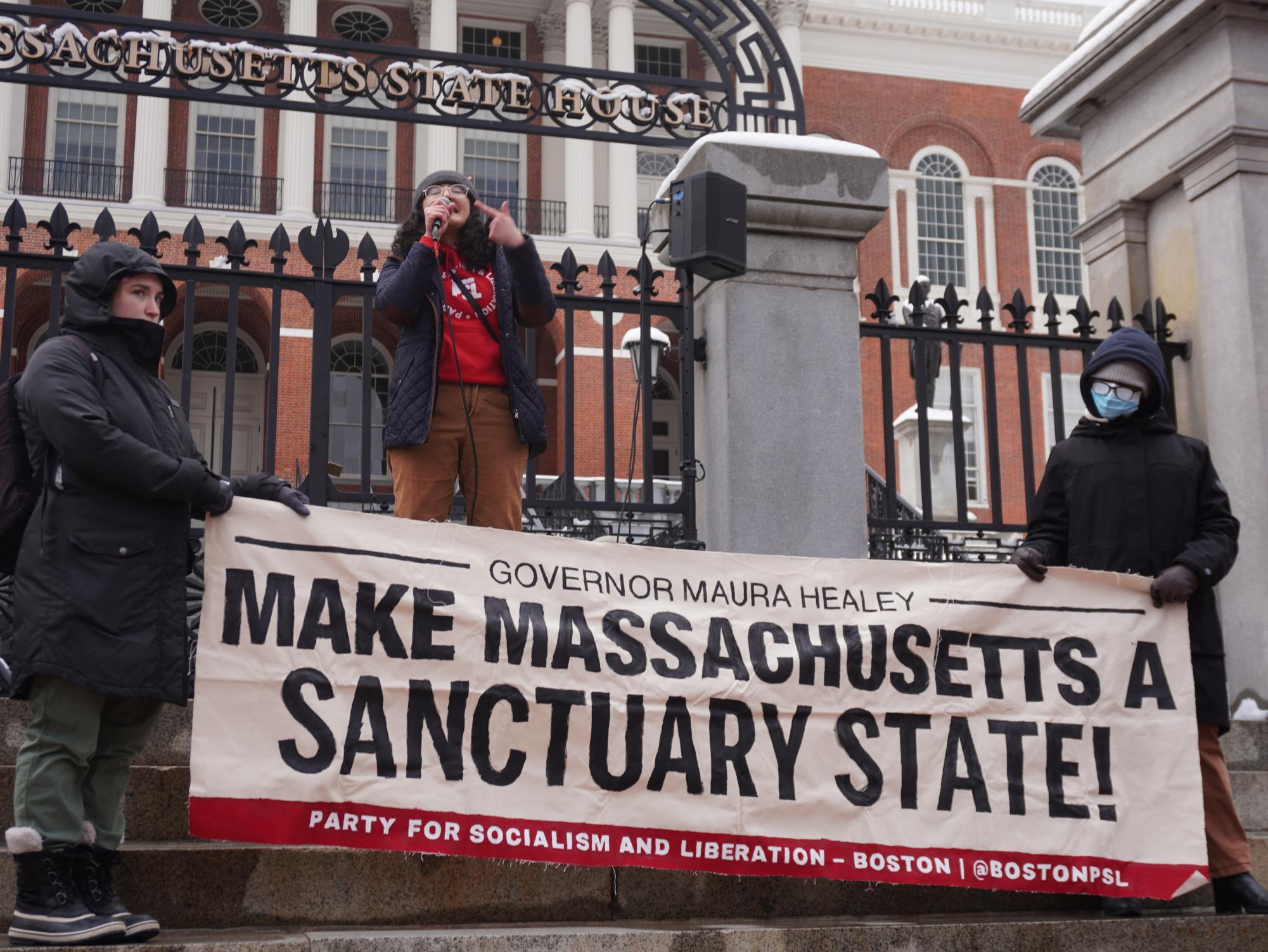
Sustaining the Sanctuary Commitment
Boston’s commitment to its sanctuary status is a continuous effort, requiring ongoing legal defense, community engagement, and policy adjustments to meet evolving needs. The city regularly assesses its policies to ensure they effectively serve all residents and remain compliant with legal standards while upholding the spirit of the Trust Act. This sustained dedication ensures that the welcoming and inclusive environment fostered by sanctuary policies remains a consistent feature of Boston.
For those choosing Boston as a travel destination, this enduring commitment means experiencing a city that consistently champions diversity and human dignity. It implies a destination where cultural exchange is not just tolerated but celebrated, and where the contributions of all individuals are valued. The sanctuary city status is more than a legislative choice; it’s a reflection of Boston’s historical legacy as a port of entry and a melting pot, evolving into a modern urban center that embraces its global identity. As you explore its historic streets, vibrant neighborhoods, and world-class institutions, you’ll encounter a Boston that is genuinely welcoming, a characteristic that makes it an unforgettable place to visit and explore.
LifeOutOfTheBox is a participant in the Amazon Services LLC Associates Program, an affiliate advertising program designed to provide a means for sites to earn advertising fees by advertising and linking to Amazon.com. Amazon, the Amazon logo, AmazonSupply, and the AmazonSupply logo are trademarks of Amazon.com, Inc. or its affiliates. As an Amazon Associate we earn affiliate commissions from qualifying purchases.