
For any tourist planning a visit to Boston during the exhilarating spectacle of the Boston Marathon, understanding when the race concludes is far more than a mere curiosity; it’s a critical piece of information for navigating the city, planning activities, and maximizing your experience of one of the world’s most iconic sporting events. The marathon’s end isn’t a singular moment, but rather a prolonged period as thousands of runners cross the finish line, impacting everything from traffic patterns to dining availability and the general ambiance of the city. Delving into the nuances of the marathon’s finish allows visitors to seamlessly integrate their tourism plans with the energy and logistics of Marathon Monday in Massachusetts.
Understanding the Boston Marathon’s Grand Finale
The Boston Marathon, organized by the Boston Athletic Association (B.A.A.), is unique in many ways, not least because it unfolds over an extended period. While elite runners complete the 26.2-mile course in just over two hours, the vast majority of participants take much longer, turning the finish line area into a vibrant hub of activity for the better part of a day.
The Finish Line Experience
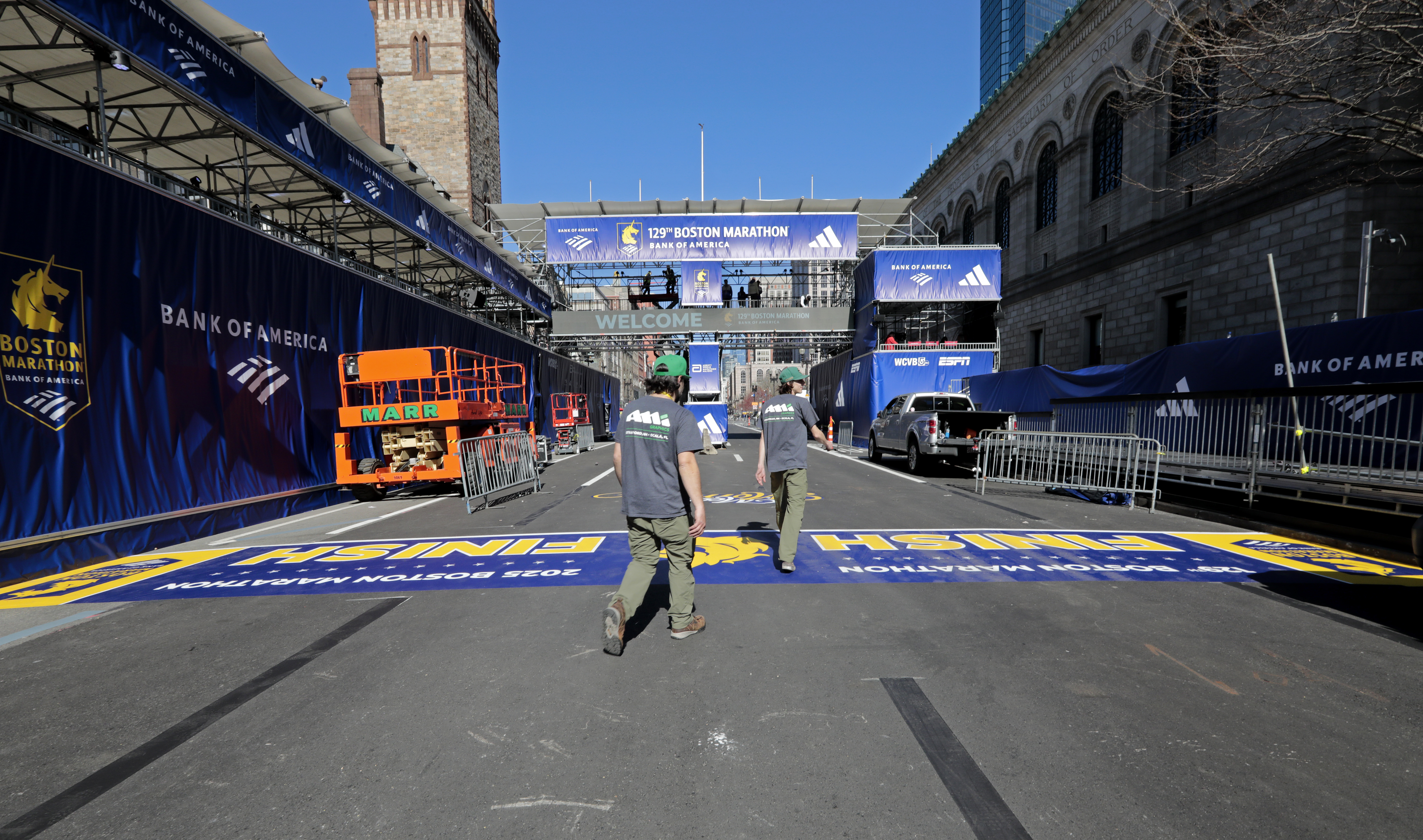
The official finish line for the Boston Marathon is on Boylston Street, right in the heart of Copley Square, one of Boston’s most bustling and picturesque areas. For tourists, this location offers unparalleled opportunities for spectating. The first wave of elite wheelchair athletes typically crosses the line around 10:30 AM, followed by the elite women and men. By noon, a steady stream of runners begins to flow across, swelling into a continuous wave of triumphant athletes, each with their own story of perseverance.
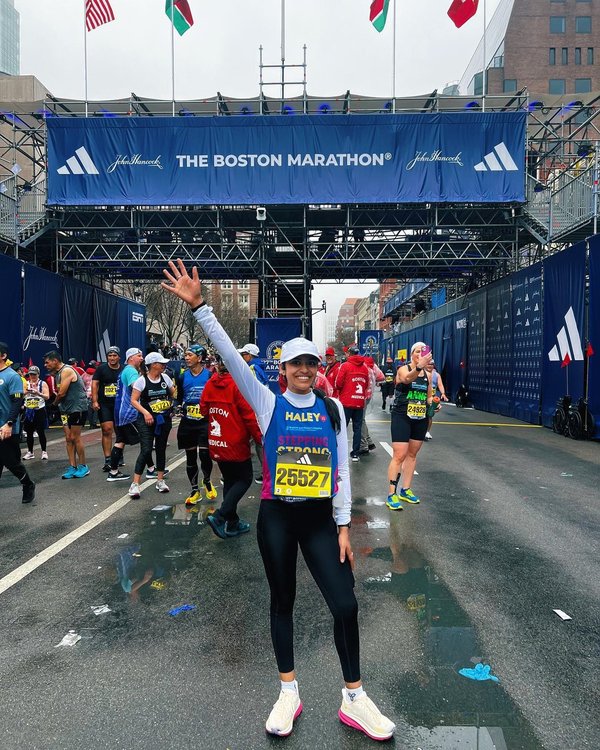
The finish line area remains incredibly active for many hours. Family and friends gather, volunteers assist weary runners, and the atmosphere buzzes with celebration and emotion. For a tourist, being near the finish line in the early to mid-afternoon offers a chance to witness the raw emotion of the marathon firsthand – the joyous leaps, the emotional embraces, and the sheer relief of accomplishing such a monumental feat. However, it’s also important to note that this area becomes incredibly crowded, requiring patience and strategic planning for optimal viewing. Understanding when the crowds will be at their peak (typically mid-afternoon) can help tourists decide if they want to be right in the thick of it or observe from a slightly less congested vantage point nearby. The sheer volume of people, combined with the street closures, means that any plans to traverse this area will need extra time built in.
Factors Influencing Finish Times
Several factors contribute to the varied finish times of participants. Elite athletes, who start their race in Hopkinton later than the first waves of amateurs, aim for world-class times, often finishing before lunch. However, the majority of the tens of thousands of runners are not professionals. They range from highly competitive age-groupers to charity runners and those achieving a personal goal. The sheer scale of the event means that runners are divided into multiple waves, starting at different times throughout the morning. This staggered start ensures a smoother flow on the course but also means the finish line activity is extended.
Weather conditions also play a significant role. A hot, humid day can slow down many runners, extending finish times significantly. Conversely, a cool, overcast day might lead to faster times across the board. Tourists should keep an eye on the weather forecast for Marathon Monday, not only for their own comfort but also to anticipate how it might impact the race’s progression and the overall duration of the events at the finish line. A particularly challenging weather day could mean the finish line remains active with incoming runners later into the afternoon than usual.
Official Cut-off Times and Road Reopenings
The Boston Marathon has an official course cut-off time. Runners must maintain a pace of 14 minutes per mile to complete the course within six hours from the time the last official runner crosses the starting line. Typically, this means the course officially closes around 5:30 PM to 6:00 PM. Any runner still on the course after this time will be asked to move to the sidewalks, and their finish will not be officially recorded.
For tourists, this cut-off time is crucial because it directly correlates with the reopening of roads and the resumption of normal traffic patterns. While police and event staff begin to dismantle barriers and clear the course immediately after the last official runners pass, major arteries and especially Boylston Street in the finish line area will remain closed for some time after the 6:00 PM mark to facilitate clean-up and breakdown of the infrastructure. Generally, major intersections along the route might reopen progressively in the late afternoon, but the immediate finish line area on Boylston Street and surrounding blocks in Copley Square can remain restricted until well into the evening, often past 8:00 PM or 9:00 PM, before returning to normal traffic flow. Tourists planning evening activities or requiring specific transportation routes should factor in these extended closures around the finish area.
Planning Your Day as a Tourist Around Marathon Monday
Marathon Monday isn’t just a race; it’s a city-wide festival. For tourists, it presents a unique opportunity to experience Boston’s spirit, but also requires careful planning to make the most of the day.
Early Morning Spectating and Brunch
To fully immerse yourself in the marathon experience, consider starting your day early. The elite runners pass through various points along the course long before they reach the finish line. Places like Heartbreak Hill in Newton or the spectator-heavy spots in Brookline offer different perspectives of the race. After cheering on the early waves, you can then make your way back towards downtown Boston for brunch. Many restaurants, particularly those outside the immediate course route or slightly off Boylston Street, will offer special marathon menus. However, reservations are highly recommended, as Boston fills up with visitors and locals alike for this holiday. Aim for restaurants in areas like the North End or the Seaport District, which might be less directly impacted by marathon crowds and closures, allowing for a more relaxed dining experience before heading back to the finish line excitement.
Navigating Boston During and After the Race
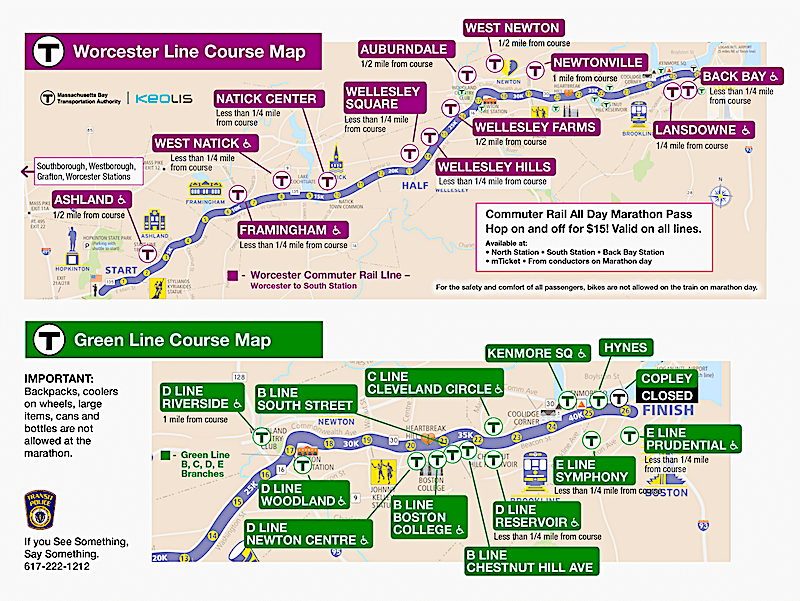
Public transportation, specifically the MBTA (subway and buses), is your best friend on Marathon Monday. Driving is highly discouraged due to extensive road closures and parking restrictions. The Green Line, which runs under much of the marathon course, offers excellent access to viewing points, but some stations close, and trains can be very crowded. Check the MBTA website for specific service changes and advisories well in advance.
After the race officially winds down around 6:00 PM, and even as roads begin to reopen, traffic congestion will remain a significant issue. Walking is often the quickest way to get around downtown Boston in the immediate aftermath. If you’re staying further out, plan for potentially longer waits for ride-shares or crowded subway cars as spectators and runners disperse. Consider planning your post-race activities within walking distance of where you expect to be to minimize travel stress.
Post-Race Dining and Celebration Spots
As the marathon officially ends for runners, the city transitions into celebration mode. Many bars and restaurants around Boston will be packed with runners, their families, and spectators sharing stories and celebrating achievements. Areas like Back Bay, especially along Newbury Street, and the Financial District or Seaport District, will be lively.
For tourists, making dinner reservations is highly advisable, particularly if you have a specific restaurant in mind. Without reservations, you might face long waits, especially for larger groups. Alternatively, consider more casual dining options or explore neighborhoods slightly further afield from the finish line crowds, such as the historic North End for Italian fare or the vibrant South End for diverse culinary experiences. Many establishments will be ready for the influx, offering special menus or extended hours.
Maximizing Your Boston Marathon Tourism Experience
The Boston Marathon is more than just watching runners; it’s an opportunity to experience Boston’s unique blend of history, culture, and fervent community spirit.
Iconic Viewing Locations
While the finish line is iconic, securing a good spot requires early arrival. For a slightly different experience, consider viewing points along the course. The Wellesley Scream Tunnel, where Wellesley College students cheer on runners, is legendary. Nearer to Boston, the final miles through Brookline offer spirited crowds and easier access via the MBTA. Another fantastic spot for tourists is outside Fenway Park, where the roar of the crowd is immense. Each location provides a unique vantage point and atmosphere, allowing tourists to choose an experience that best suits their preferences. Remember to arrive early with comfortable shoes, snacks, and water, as public spaces will fill up quickly.
Exploring Boston’s Attractions Post-Race
Once the race officially concludes in the late afternoon, and as the finish line area begins to clear, tourists can pivot to exploring some of Boston’s other world-class attractions. Depending on your location and the specific closures, museums like the Museum of Fine Arts or the Isabella Stewart Gardner Museum might still be open for late afternoon visits. Many historical sites, such as those along the Freedom Trail or Faneuil Hall, are accessible, offering a different kind of cultural immersion after the sporting excitement.
Consider a leisurely stroll along the Charles River Esplanade as the sun sets, offering beautiful views of the city skyline and a peaceful contrast to the day’s earlier intensity. This allows for a great way to wind down and still see more of what Boston has to offer, without the immediate rush of post-race traffic and crowds.
Leveraging Public Transportation
As previously mentioned, the MBTA is indispensable. Purchase a CharlieCard or CharlieTicket in advance to avoid lines. Familiarize yourself with the subway lines (Red, Green, Orange, Blue, Silver) and their routes. The Green Line is particularly useful for marathon viewing, but be aware of potential diversions or temporary station closures on race day. Always check the official MBTA website for real-time updates and plan your routes accordingly. Using public transport strategically allows you to move efficiently between different marathon viewing spots and other tourist attractions, effectively extending the reach of your day.
Beyond the Finish Line: Evening Activities in Boston
Even after the last runner crosses the line and the streets are cleaned, the spirit of Patriot’s Day and the marathon lingers. Boston offers a plethora of evening activities for tourists looking to continue their experience.
Dinner Reservations and Nightlife
With the race behind everyone, the evening provides an excellent opportunity to experience Boston’s renowned culinary scene. From upscale dining in the Back Bay and Seaport District to casual pubs in the Financial District or historic taverns in the North End, there’s something for every taste. Again, reservations are highly recommended, especially for popular spots. Many establishments, particularly near the finish line or hotels, will be bustling with celebratory runners and their supporters. For those looking for a lively atmosphere, sports bars will likely be showing highlights from the race and celebrating the day. Areas like the Theatre District also offer a vibrant nightlife scene beyond dining.
Cultural Events and Shows
For a more subdued evening, consider catching a show. Boston’s vibrant performing arts scene offers everything from Broadway productions at the Citizens Bank Opera House to intimate jazz clubs. Check local listings for concerts or comedy shows happening on Marathon Monday evening. This provides a perfect way to relax and immerse yourself in a different aspect of Boston’s culture after a day of high-energy spectating. Alternatively, if there’s a Boston Bruins or Boston Celtics game at the TD Garden, attending a local sports event can be a great way to extend the celebratory atmosphere.
Relaxing After the Day’s Excitement
After a long day of walking, cheering, and navigating crowds, some tourists might prefer a more relaxed evening. Many hotels offer excellent amenities, including spas, pools, or comfortable lounges where you can unwind. A quiet dinner at a less crowded restaurant or ordering room service can be a welcome respite. Reflection on the incredible stories witnessed throughout the day, perhaps with a view of the city, offers a perfect conclusion to a memorable Marathon Monday experience.
Essential Tips for Marathon Monday Tourists
To ensure a smooth and enjoyable Marathon Monday experience, a few practical tips can make a significant difference.
Checking Official Race Information
Always consult the official Boston Athletic Association website for the most up-to-date information on race schedules, course maps, road closures, and security advisories. Information regarding start times for different waves and the official cut-off times are published annually and can vary slightly. Knowing these details is vital for planning your day.
Footwear and Comfort
You will be doing a lot of walking, standing, and potentially navigating crowds. Wear comfortable shoes and dress in layers, as New England spring weather can be unpredictable, ranging from chilly mornings to warm afternoons. A small backpack with essentials like water, snacks, and a portable phone charger is also highly recommended.
Hydration and Snacks
While there are many places to eat and drink in Boston, having your own water bottle and some energy bars can be a lifesaver, especially if you plan to be out spectating for several hours. This also helps avoid long lines and saves money.
Accommodation and Travel Logistics
Book your accommodation well in advance, as hotels in Boston fill up rapidly and become more expensive closer to Marathon Monday. Consider hotels slightly outside the immediate marathon route but with good access to the MBTA to avoid the highest prices and ensure easier mobility. Plan your arrival and departure times keeping the potential for significant traffic delays on race day in mind, especially if flying in or out of Logan International Airport.
By understanding the nuanced ending of the Boston Marathon and planning your day with a tourist’s mindset, you can transform what might seem like logistical challenges into opportunities for deeper engagement with one of Boston’s most cherished and exciting traditions. The race may have an official end time, but the celebration and impact on the city stretch long into the evening, offering an unforgettable experience for any visitor.
LifeOutOfTheBox is a participant in the Amazon Services LLC Associates Program, an affiliate advertising program designed to provide a means for sites to earn advertising fees by advertising and linking to Amazon.com. Amazon, the Amazon logo, AmazonSupply, and the AmazonSupply logo are trademarks of Amazon.com, Inc. or its affiliates. As an Amazon Associate we earn affiliate commissions from qualifying purchases.