
For travelers contemplating a winter journey to Boston, understanding the city’s snowfall patterns is paramount to planning an unforgettable experience. Boston, the historic capital of Massachusetts, is renowned for its distinct four seasons, and winter often brings picturesque blankets of snow, transforming its cobblestone streets and historic architecture into a magical wonderland. However, snowfall isn’t a constant throughout the entire cold season; rather, it follows a general rhythm influenced by geographical location and climatic conditions. This guide delves into the specifics of when to expect snow, what kind of winter experience awaits, and how to best prepare for a captivating visit to this iconic New England city during its snowy months.

Understanding Boston’s Winter Climate
Boston’s climate is classified as humid continental, characterized by wide seasonal temperature variations. Winters are typically cold, with periods of strong winds and, notably, significant snowfall. The city’s proximity to the Atlantic Ocean can sometimes moderate temperatures slightly, but it also plays a role in generating powerful Nor’easters – winter storms that often bring heavy snow and strong winds to the region.
The Typical Snow Season: A Month-by-Month Breakdown
While winter officially begins in December, the first flakes can sometimes surprise residents and visitors as early as late November. The true snow season, however, firmly establishes itself from December through March, with occasional light dustings or even significant storms extending into April.
- November: Snow in November is generally rare but not unheard of. If it occurs, it’s typically a light dusting that melts quickly. It’s more of a prelude to winter than the main event. Travelers hoping for snow should manage expectations for this month.
- December: As winter takes hold, December sees a noticeable increase in snow probability. The city usually experiences its first measurable snowfall, with several inches possible. While not usually the snowiest month, December often provides the quintessential festive, snow-dusted holiday atmosphere, especially in areas like Boston Common and the Public Garden.
- January: Historically, January is one of Boston’s snowiest months. Cold temperatures are consistently present, creating ideal conditions for snow accumulation. Travelers visiting in January have a high likelihood of experiencing significant snowfall, including potential Nor’easters that can drop a foot or more of snow in a single event.
- February: Often vying with January for the title of snowiest month, February frequently delivers substantial snowfall. The cold typically persists, making for excellent snow retention. It’s a prime month for those seeking to see Boston under a thick blanket of white.
- March: While temperatures begin to slowly rise, March can still be quite snowy. Early March often sees significant winter storms, earning it the reputation for unpredictable weather swings – from mild, sunny days to heavy snowfalls. By late March, the likelihood of major snow decreases, but light dustings or even a moderate storm are still possible.
- April: Snow in April is a true late-season rarity. If it occurs, it’s usually very light, melts quickly, and is more of an interesting weather anomaly than a reliable snow event. By this point, most of Boston’s snow will have melted, and the city begins its transition to spring.
Average Snowfall and Historical Trends
Boston receives an average of around 43-49 inches (109-124 cm) of snow annually. However, this is an average, and actual snowfall can vary dramatically from year to year. Some winters are relatively mild with minimal snow, while others can be legendary for their extreme snowfall totals. For instance, the winter of 2014-2015 set records with over 110 inches (279 cm) of snow, bringing the city to a standstill but also creating breathtaking snowscapes. Travelers should be aware that while averages provide a general expectation, the exact amount of snow during any given visit is subject to the whims of Mother Nature. Historical data suggests a trend of increased variability, meaning more extreme swings between low and high snowfall seasons.
Factors Influencing Snowfall in Boston
Several meteorological factors contribute to Boston’s snow profile:
- Proximity to the Atlantic Ocean: The ocean can provide moisture for storms, especially when cold air masses move over warmer ocean waters, leading to heavy “ocean-effect” snows, similar to lake-effect snow but on a larger scale.
- Nor’easters: These powerful extratropical cyclones are the primary drivers of Boston’s heaviest snowfalls. They track up the East Coast, drawing moisture from the Atlantic and clashing with cold air from the continent, resulting in intense blizzards.
- Arctic Air Masses: Intrusions of very cold air from the Arctic, often originating from Canada, are crucial for keeping temperatures below freezing, ensuring that precipitation falls as snow rather than rain.
- El Niño/La Niña Cycles: These large-scale oceanic and atmospheric phenomena in the Pacific Ocean can influence global weather patterns, including the intensity and frequency of winter storms in New England.
Planning Your Winter Visit: Best Times for Snow
For those specifically seeking a snow-covered Boston, timing your trip is key. Each segment of the winter offers a slightly different experience.
Early Winter: November and December
Visiting in November is not recommended for guaranteed snow, but late December offers a good chance. If you arrive in December, you’re likely to encounter festive holiday decorations, ice skating rinks, and potentially the first significant snow of the season. The crowds are typically spirited and joyful, anticipating the holidays. However, while picturesque, the snow depth might not be as extensive as later in the season. Travelers aiming for a magical holiday experience with a chance of snow should consider mid-to-late December.
Peak Snow Season: January and February
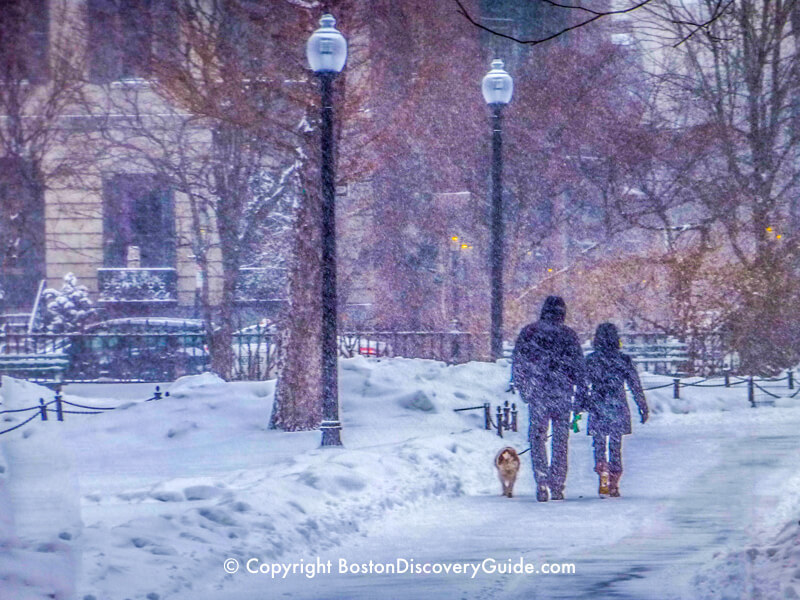
These are the prime months for experiencing Boston at its snowiest. If your goal is to witness thick blankets of snow, participate in winter sports, or simply enjoy the serene beauty of a truly snow-laden cityscape, January and February are your best bets. The temperatures are consistently cold, ensuring snow that falls tends to stick around. Be prepared for colder temperatures, more frequent storms, and potentially disrupted travel plans. This period offers the most authentic New England winter experience.
Late Winter/Early Spring: March and April
March can be a wildcard. Early March still carries a decent chance of snow, sometimes even heavy snow, but temperatures start to moderate. By mid-to-late March, snow becomes less frequent, and accumulations are less likely to last. April is definitively spring, and snow is highly improbable. If you prefer milder temperatures but still wouldn’t mind seeing some lingering snow or a late-season dusting, early March could be an option, but it’s less reliable for consistent snow cover.
Experiencing a Snowy Boston
A snow-covered Boston offers a unique charm and a host of activities that are distinct from its warmer months.
Iconic Winter Activities and Attractions
When snow blankets the city, it transforms familiar sights into new wonders.
- Ice Skating: Glide across the ice at the Frog Pond on Boston Common, a quintessential winter experience. Other rinks also pop up around the city.
- Walking the Freedom Trail: While cold, walking parts of the Freedom Trail after a fresh snowfall can be incredibly atmospheric. Iconic landmarks like Faneuil Hall, the Old State House, and the Old North Church are particularly striking under a dusting of white.
- Cozy Cafes and Museums: Duck into one of Boston’s many cozy cafes for a warm drink, or explore its world-class museums like the Museum of Fine Arts or the Isabella Stewart Gardner Museum to escape the cold.
- Winter Sports Nearby: For those looking for more active snow experiences, ski resorts in New Hampshire, Vermont, and western Massachusetts are just a short drive away, offering skiing, snowboarding, and cross-country adventures.
- Sledding: If conditions allow, Boston Common and other parks often become popular spots for sledding, offering simple, joyful fun for all ages.
Navigating the City During Snowfall
Boston is well-equipped to handle snow. The city’s public works department is efficient in plowing major roads and clearing sidewalks, especially in popular tourist areas. However, heavy snowfalls can still cause disruptions. Public transportation, particularly the MBTA (the “T” subway system), is generally reliable but can experience delays during severe weather. Walking will require sturdy, waterproof footwear, as sidewalks can become slushy or icy. Taxis and ride-shares may be harder to find and more expensive during peak storm times. It’s advisable to check weather forecasts and local transportation updates regularly.
What to Pack for a Boston Winter Trip
Packing appropriately is crucial for enjoying a snowy Boston. Layers are your best friend.
- Outerwear: A heavy, waterproof and windproof winter coat is essential. Look for one with insulation, ideally down or synthetic fill.
- Mid-Layers: Sweaters, fleeces, and thermal tops add crucial warmth.
- Base Layers: Thermal underwear (tops and bottoms) can make a significant difference, especially on very cold days.
- Bottoms: Waterproof or water-resistant pants are ideal, especially for walking in slush or snow. Denim can get wet and cold quickly.
- Footwear: Waterproof, insulated boots with good traction are a must. Avoid fashion boots without proper grip.
- Accessories: Don’t forget a warm hat that covers your ears, waterproof gloves or mittens, and a scarf.
- Other Essentials: Lip balm, moisturizer (the cold air can be drying), and hand warmers can also be useful.
Travel Tips for a Winter Getaway in Boston
Embracing the winter in Boston requires a bit of foresight and preparation, but the rewards are immense.
Booking Accommodation and Flights
Winter is generally considered the off-season for tourism in Boston, with the exception of the holiday weeks in December. This often means lower prices for hotels and flights compared to the peak spring and fall seasons. However, booking in advance is always recommended, especially if you plan to visit during a holiday period. Consider accommodations that are easily accessible via the “T” or are within walking distance of major attractions to minimize reliance on potentially delayed road transport. Always check cancellation policies, especially if severe weather could impact your travel plans.
Public Transportation and Driving in Snow
Boston’s public transportation system, the MBTA, is extensive and the best way to get around the city, particularly during snow. The subway lines are mostly underground, making them less susceptible to snow delays than buses. Familiarize yourself with the system map before you arrive. Driving in Boston during a snowstorm is strongly discouraged for visitors unfamiliar with winter driving conditions or the city’s notoriously narrow, winding streets. Parking can also be a significant challenge during and after snow events due to snowbanks. If you must drive, ensure your vehicle is equipped with snow tires and be aware of parking restrictions.
Embracing the Charm of a Snow-Covered City
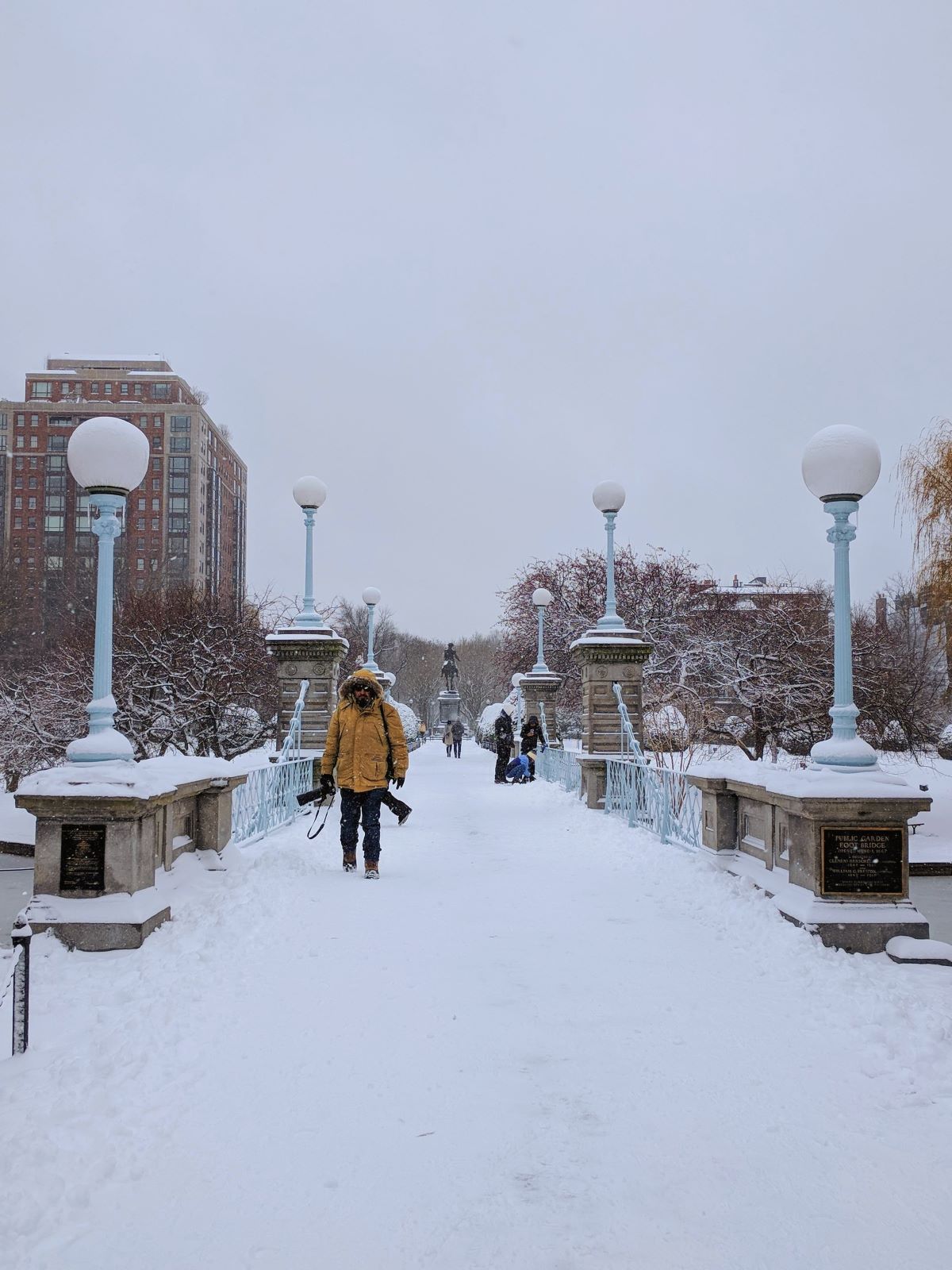
A winter trip to Boston offers a uniquely enchanting experience. The city slows down a bit, allowing for a more intimate exploration of its history and charm. Imagine strolling through a quiet, snow-dusted Beacon Hill with its gas lamps glowing softly, or warming up with a hearty bowl of clam chowder in a historic tavern. While the weather demands preparation, it also provides an opportunity to see Boston at its most picturesque and tranquil. Embrace the layers, pack smart, stay informed about weather conditions, and prepare to fall in love with the winter beauty of Boston.
LifeOutOfTheBox is a participant in the Amazon Services LLC Associates Program, an affiliate advertising program designed to provide a means for sites to earn advertising fees by advertising and linking to Amazon.com. Amazon, the Amazon logo, AmazonSupply, and the AmazonSupply logo are trademarks of Amazon.com, Inc. or its affiliates. As an Amazon Associate we earn affiliate commissions from qualifying purchases.