
The aroma of slow-cooked pork is more than just a culinary delight; it’s a sensory journey that evokes comfort, tradition, and often, the spirit of travel and exploration. While “Boston Butt” might sound like a regional delicacy from Boston, it’s actually a specific cut of pork shoulder, famed globally for its versatility and incredible tenderness when cooked low and slow. For the discerning traveler and lifestyle enthusiast, mastering this dish isn’t just about a recipe; it’s about embracing a culinary adventure, whether you’re perfecting your skills at home, experimenting in a cozy villa in Tuscany, or bringing global flavors to your apartment in Paris. This guide will not only walk you through the steps to achieve succulent pork Boston Butt but will also explore how this dish beautifully intertwines with the worlds of travel, tourism, and a luxurious yet accessible lifestyle.
The Culinary Journey: Discovering Pork Boston Butt Around the Globe
Cooking is an intimate way to connect with local culture, and the preparation of pork Boston Butt opens a window into the rich traditions of slow-cooked meats worldwide. It’s a testament to the idea that some of the most satisfying meals are born from patience and simple, quality ingredients.
More Than Just a Cut: A Cultural Delicacy
The pork Boston Butt, despite its misleading name, is essentially a rectangular cut from the upper part of the pig’s front shoulder. Its generous marbling of fat makes it ideal for slow cooking methods, rendering it incredibly juicy and flavorful. This cut is the bedrock of many iconic dishes across diverse cultures. In the American South, it’s the undisputed king of barbecue, transforming into melt-in-your-mouth pulled pork, a staple at family gatherings and roadside diners alike. Imagine savoring a pulled pork sandwich while exploring the vibrant music scene in Nashville or the historic streets of Charleston – it’s an authentic taste of place.
Beyond North America, the philosophy of slow-cooked pork resonates deeply. In the Caribbean, cuts like the Boston Butt are often marinated in vibrant, acidic Mojo sauces and slow-roasted to create dishes like pernil, a festive centerpiece in countries like Puerto Rico or the Dominican Republic. Imagine enjoying a plate of flavorful pernil after a day of exploring the colonial architecture of San Juan. In the Philippines, slow-cooked pork, often infused with soy sauce and vinegar, forms the basis of many beloved stews and roasted dishes, offering a savory and tangy experience that speaks volumes of local culinary heritage. Even in Europe, particularly in parts of Germany and Eastern Europe, slow-roasted pork shoulder finds its place in hearty, comforting meals designed to sustain and delight. This journey through culinary traditions reminds us that food is a universal language, and understanding a dish like the Boston Butt can deepen our appreciation for global tourism and local culture.
Sourcing the Best: A Traveler’s Guide to Ingredients
For the globetrotting gourmand, sourcing the highest quality ingredients is an adventure in itself, an integral part of the lifestyle of a culinary traveler. Whether you’re a seasoned chef or a curious novice, the search for the perfect pork Boston Butt becomes a discovery of local markets, specialty butchers, and regional purveyors. In a bustling market in Florence, you might find artisanal cuts that have been raised on local farms, while in New York City, a visit to a renowned butcher shop can yield premium, humanely raised pork.
The experience of selecting your ingredients is an immersive way to connect with a destination. Conversations with local vendors offer insights into their farming practices, regional flavors, and traditional cooking methods. Imagine selecting a prime cut from a small, family-run butcher in a quaint village outside Barcelona, then heading to a local spice stall to gather unique herbs and spices that will infuse your pork with an authentic regional twist. This mindful approach to sourcing not only elevates your dish but also enriches your travel experience, transforming a simple grocery run into a cultural exchange. It’s about more than just food; it’s about engaging with the local economy, appreciating sustainable practices, and embracing the slow travel movement where every detail, from farm to fork, is savored.
Mastering the Art of Slow-Cooked Perfection: Your Recipe for Succulence
Now that we’ve explored the global context and the joy of sourcing, let’s dive into the practical steps of transforming a humble pork Boston Butt into a culinary masterpiece. The beauty of this dish lies in its forgiving nature and the ability to cook it using various methods, making it accessible whether you’re in a fully equipped kitchen or a compact kitchenette in a hotel suite.
Prepping Your Pork Boston Butt: The Foundation of Flavor
The journey to perfect pulled pork begins with careful preparation.
- Choosing the Right Cut: A typical Boston Butt weighs between 5 to 8 pounds, perfect for feeding a family or for having delicious leftovers during a long-term stay in a spacious resort apartment. Look for a piece with good marbling – streaks of fat throughout the meat – which will melt during cooking, ensuring moisture and flavor.
- Trimming for Success: While the fat is crucial for moisture, excessive surface fat can hinder the rub from penetrating. Trim off any hard, thick layers of fat from the exterior, leaving about a quarter-inch layer. This balance ensures richness without being overly greasy. For those embracing a healthier lifestyle, a slightly leaner trim might be preferred, though a little fat is key for traditional flavor.
- The All-Important Rub: This is where you can truly infuse personality into your dish. A classic dry rub typically includes coarse salt, black pepper, garlic powder, onion powder, paprika (smoked paprika for an extra dimension), and a touch of brown sugar for caramelization. Don’t be afraid to experiment with local spices you might have discovered on your travels. Perhaps a smoky chipotle powder reminiscent of Mexico City or a fragrant five-spice blend echoing flavors from Kyoto. Liberally coat the entire surface of the pork with the rub, pressing it firmly to adhere. For maximum flavor penetration, it’s best to apply the rub at least an hour before cooking, or even better, overnight in the refrigerator. This marination period allows the flavors to meld and tenderize the meat.
The Slow Cooker Method: Effortless Elegance for Any Accommodation
The slow cooker is a traveler’s best friend, especially for those staying in self-catering accommodations like vacation rentals or extended-stay hotels. It requires minimal supervision, allowing you to set it and explore your destination, returning to a perfectly cooked meal.
- Searing for Depth: While optional, searing the pork on all sides in a hot pan before transferring it to the slow cooker adds an extra layer of flavor and a beautiful crust. This caramelization creates a complex taste profile that’s hard to achieve otherwise.
- Liquid Gold: Place the seared pork in the slow cooker. Add about 1-2 cups of liquid – apple cider vinegar, chicken broth, or even a light beer work wonderfully. This creates a moist environment, preventing the pork from drying out and contributing to the braising process.
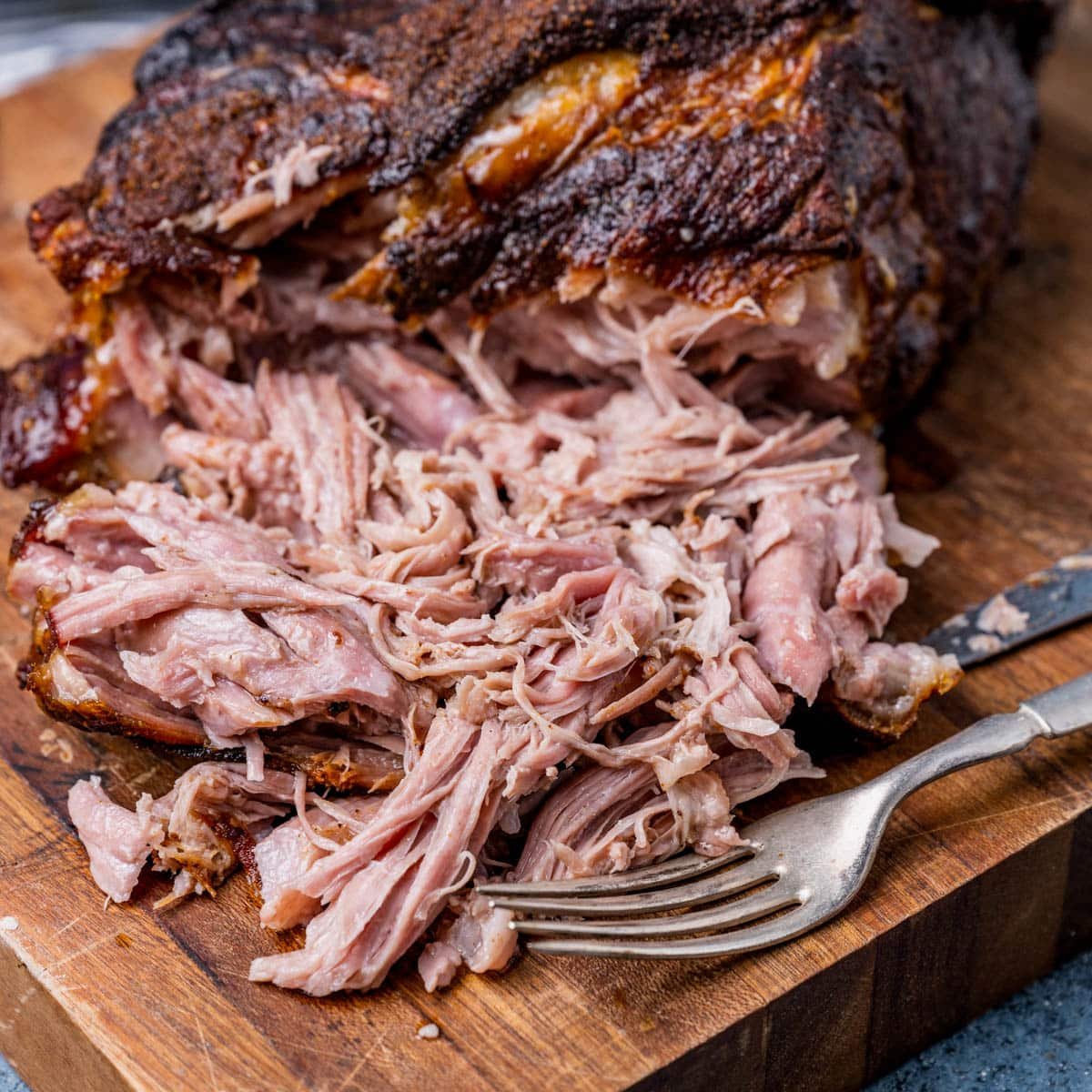
- The Long Wait: Cook on low for 8-10 hours, or on high for 4-6 hours, until the pork is fork-tender and easily shreds. The internal temperature should reach at least 195-205°F (90-96°C) for optimal shredding. The beauty of this method is the ability to sightsee at historical landmarks or enjoy a relaxing day by the hotel pool, knowing dinner is cooking itself.
Oven Roasting for Robust Flavor: A Traditional Approach
For those with access to a full oven, often found in larger villas, high-end hotel apartments, or during a long-term family trip, oven roasting provides a rich, deeply caramelized bark that many barbecue aficionados cherish.
- Low and Slow is the Key: Preheat your oven to a low temperature, typically 275-300°F (135-150°C). Place the rubbed pork butt fat-side up in a sturdy roasting pan. You can add a small amount of liquid to the bottom of the pan to help with moisture, similar to the slow cooker method.
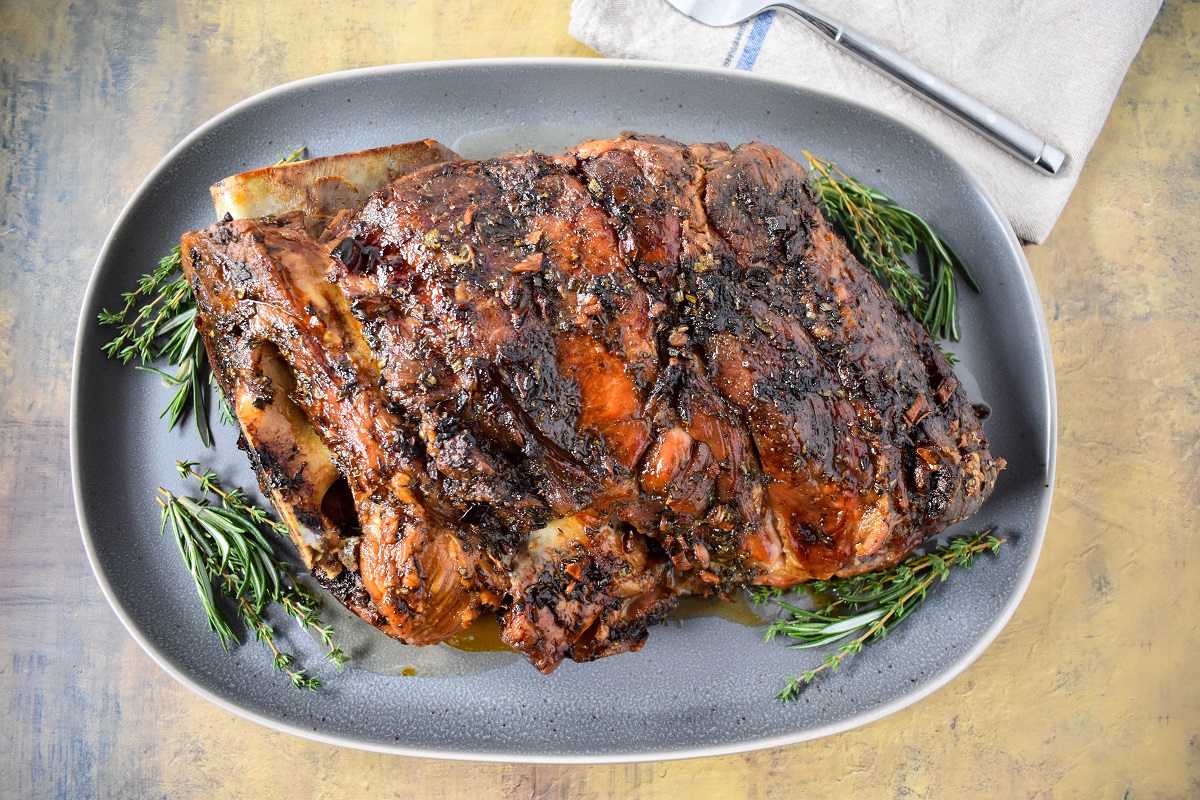
- The Patience Game: Roast for approximately 6-8 hours, or until the pork reaches the desired internal temperature and is incredibly tender. For the best bark, you might leave it uncovered for the majority of the cooking time, though some prefer to cover it with foil for the first few hours to retain moisture, removing it later to develop the crust.
- Basting for Brilliance: Periodically basting the pork with its own juices or a mixture of apple cider vinegar and broth can enhance flavor and keep it moist. Once cooked, let the pork rest for at least 30 minutes before shredding. This allows the juices to redistribute, ensuring every bite is moist and flavorful. This method is perfect for a leisurely afternoon at your luxury travel accommodation, creating a gourmet meal with minimal active effort.
Beyond the Plate: Enjoying Your Boston Butt in a Travel Lifestyle
Once your pork Boston Butt is perfectly cooked and shredded, the culinary adventure doesn’t end. It transforms into a versatile ingredient that can elevate a simple meal or become the star of a themed dinner, perfectly aligning with a diverse and enriching travel lifestyle.
Serving Suggestions: From Pulled Pork Sandwiches to Gourmet Meals
The most classic presentation is, of course, the pulled pork sandwich. Pile the tender, shredded meat high on a soft bun, topped with a tangy coleslaw and your favorite barbecue sauce. This is a quintessential American experience, whether enjoyed at a roadside stand or replicated in your gourmet kitchen.
But don’t stop there! Pulled pork is incredibly adaptable:
- Tacos and Enchiladas: Infuse a Latin American flair by using pulled pork in tacos, burritos, or enchiladas, adorned with fresh salsa, avocado, and a squeeze of lime. This offers a fantastic way to recreate flavors from destinations like Cozumel or Playa del Carmen right in your temporary home.
- Comfort Bowls: Serve it over rice or quinoa with roasted vegetables for a hearty and healthy meal. This is perfect for those seeking nutritious options during their business stays or family trips.
- Gourmet Pizzas: As a topping for homemade pizzas, combined with red onion and a drizzle of BBQ sauce, it creates a unique and crowd-pleasing dish.
- Breakfast Hash: Leftovers can even be transformed into a delicious breakfast hash with potatoes and eggs, a fantastic way to start a day of exploring local attractions.

Pair your magnificent creation with local craft beers you might have discovered at a microbrewery tour, or a regional wine from a vineyard in Napa Valley or the Rhône Valley. The pairing enhances the flavors and creates a truly immersive dining experience, mirroring the careful selection that goes into planning every aspect of your travel.
Culinary Experiences and Accommodation: The Perfect Pairing
The joy of cooking a pork Boston Butt is magnified when integrated into your travel experiences and accommodation choices.
- Cooking Classes as Cultural Immersion: Imagine participating in a culinary class in a picturesque Italian town like Positano, learning to prepare local pork dishes with fresh, regional ingredients. While perhaps not Boston Butt specifically, the techniques and philosophy of slow-cooked meats are often transferable, offering a deeper dive into local culinary traditions.
- Self-Catering Stays: Opting for apartments, villas, or extended-stay hotels with fully equipped kitchens allows you the freedom to cook dishes like pork Boston Butt. This is a fantastic option for budget travel, family trips where dietary needs are a concern, or for anyone who enjoys the comforts of home while abroad. It transforms your accommodation into a hub of culinary creativity, letting you experiment with ingredients from local markets and recreate beloved dishes from your travels.
- Picnics and Outdoor Dining: The shredded pork is an ideal component for a gourmet picnic. Pack it in sandwiches or as part of a cold salad and enjoy it against the backdrop of an iconic landmark like the Colosseum in Rome or overlooking the scenic vistas of Santorini. This elevates a simple meal into an unforgettable experience, blending delicious food with breathtaking scenery.
- Entertaining in Style: For those on longer stays or family reunions in large resorts or private estates, preparing a large batch of pulled pork can be a communal activity, fostering connection and creating lasting memories. It’s a low-stress way to feed a crowd, allowing you more time to enjoy the company and the amenities of your chosen destination.
Cooking pork Boston Butt, therefore, becomes more than just a recipe; it’s an experience that enriches your travel narrative. It embodies the essence of a lifestyle where food, culture, and exploration merge seamlessly, allowing you to bring the flavors of the world, and the comfort of home, wherever your journeys may take you. So, the next time you plan a trip, consider reserving an accommodation with a well-appointed kitchen, and embark on your own culinary adventure with this incredibly versatile and delicious cut of pork.
LifeOutOfTheBox is a participant in the Amazon Services LLC Associates Program, an affiliate advertising program designed to provide a means for sites to earn advertising fees by advertising and linking to Amazon.com. Amazon, the Amazon logo, AmazonSupply, and the AmazonSupply logo are trademarks of Amazon.com, Inc. or its affiliates. As an Amazon Associate we earn affiliate commissions from qualifying purchases.