
The question “Who wrote ‘Please Come To Boston’?” often arises among music enthusiasts and those with a fondness for a bygone era of thoughtful songwriting. More than just a query about authorship, it’s an entry point into understanding a song that has indelibly linked itself to the identity and allure of a historic American city. For tourists considering their next destination, a song like this serves as a gentle, evocative invitation, shaping perceptions and fueling wanderlust. It reminds us that cities are not just collections of buildings, but living entities rich in stories, culture, and experiences waiting to be discovered. This article delves into the origins of this iconic ballad and explores how its sentiment perfectly encapsulates the enduring charm and rich tapestry of Boston, making it a perennial favorite for visitors seeking an authentic cultural journey.
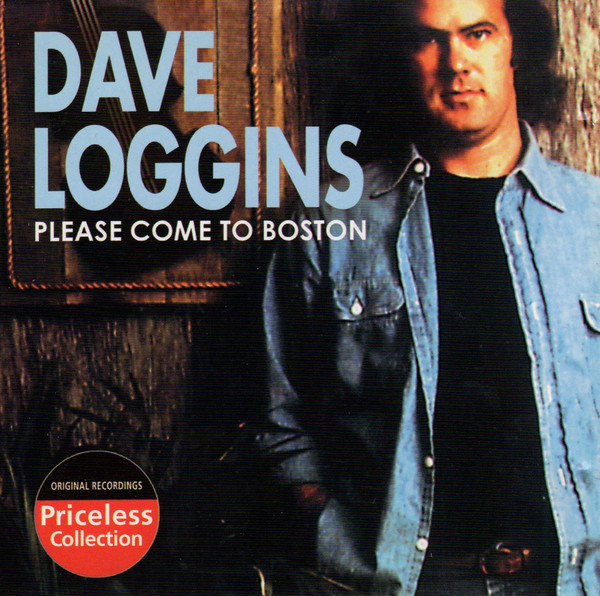
The Voice Behind the Invitation: Dave Loggins
The enchanting ballad “Please Come To Boston” was written and performed by the talented Dave Loggins. Released in 1974, the song quickly resonated with audiences, climbing to the top of the adult contemporary charts and becoming a significant crossover hit. Its appeal lay in its heartfelt lyrics and narrative structure, telling the story of a traveling musician’s longing for connection and a stable relationship, set against the backdrop of different cities.
A Songwriter’s Journey
Dave Loggins hailed from Tennessee, and while he found initial success as a recording artist, his career truly blossomed as a prolific and respected songwriter in Nashville. He penned hits for numerous country and pop artists, showcasing his versatile talent for crafting compelling narratives and memorable melodies. “Please Come To Boston” remains his signature song as a performer, a timeless piece that showcases his introspective style and storytelling prowess. Its enduring popularity is a testament to its universal themes of love, longing, and the search for a place to call home – themes that often resonate deeply with travelers experiencing new environments.
The Personal Inspiration
The song’s lyrics paint vivid pictures of three major American cities: Boston, Denver, and Los Angeles. Each verse describes a different woman in a different city, with the narrator yearning for one of them to “come to Boston” and share his life. While the narrative is often interpreted as autobiographical, reflecting Loggins’s experiences as a touring musician, its genius lies in its relatability. The desire for a stable relationship amidst a transient lifestyle, the romanticization of a specific place, and the hope for a shared future are sentiments that transcend personal experience, becoming universal human emotions. For tourists, this backstory adds a layer of romanticism to Boston, presenting it not just as a destination but as a potential haven, a place where stories unfold and connections are made.
Lyrical Legacy and Cultural Impact
“Please Come To Boston” became an anthem for those who sought romance and rootedness in a world of constant motion. Its gentle melody and evocative imagery cemented its place in popular culture. For the city of Boston, the song has undoubtedly contributed to its romantic image, subtly positioning it as a desirable destination—a place where one might settle down, build a life, or at the very least, visit and fall in love with its charm. The song doesn’t explicitly list tourist attractions, but by presenting Boston as a place of stability and warmth, it cultivates a sense of invitation, urging listeners to experience its unique atmosphere firsthand. This cultural soft power is invaluable for tourism, shaping a city’s brand in the collective consciousness.
Boston’s Allure: A Song-Inspired Itinerary
While Dave Loggins’s song doesn’t serve as a travel guide, its very title encourages exploration of Boston. The song’s sentiment, which evokes a sense of history, belonging, and a slightly melancholic beauty, perfectly aligns with the character of this Massachusetts capital. For those inspired by the ballad’s romantic undertones, Boston offers a rich tapestry of historical sites, vibrant culture, and charming neighborhoods that make it an ideal destination for an immersive tourism experience.
Iconic Boston Landmarks and Historical Echoes
Boston is a city where history breathes. A visitor can literally walk through centuries of American history, and these experiences deeply resonate with the reflective tone of “Please Come To Boston.” The Freedom Trail is perhaps the most iconic example, a 2.5-mile red-lined path that guides tourists to 16 historically significant sites. Starting at the Boston Common, America’s oldest park, it winds through burial grounds, meeting houses, and pivotal Revolutionary War sites.
Highlights along the trail include Faneuil Hall, known as the “Cradle of Liberty,” and the nearby Quincy Market, where visitors can sample local delicacies. Further along, one encounters the Old North Church, from which the famous “one if by land, two if by sea” signal was sent. The journey concludes at the Bunker Hill Monument in Charlestown, offering panoramic views of the city. These landmarks are not just static relics; they are vibrant spaces where stories of patriotism, innovation, and courage come alive, much like the deeply personal narrative of Loggins’s song.

Embracing Local Culture and History
Beyond the well-trodden historical path, Boston’s local culture is rich and diverse. A stroll through the charming cobblestone streets of Beacon Hill reveals elegant brick row houses and gas lamps, transporting visitors to an earlier era. The Public Garden, adjacent to the Boston Common, offers swan boat rides and meticulously maintained flora, providing a serene escape within the urban landscape.
For a taste of Boston’s vibrant Italian heritage, the North End beckons with its authentic trattorias, bakeries, and historical churches like the Old North Church. This neighborhood perfectly encapsulates the city’s blend of history, community, and culinary excellence. Further afield, the vibrant Seaport District offers a modern contrast with its contemporary architecture, innovative dining, and waterfront activities. Experiencing these distinct neighborhoods allows tourists to fully appreciate the multifaceted identity of Boston, reflecting the diverse experiences alluded to in the song.
Modern Day Boston Through a Tourist’s Eye
While “Please Come To Boston” evokes a timeless sentiment, modern Boston continues to evolve, offering contemporary attractions alongside its historical gems. Sports enthusiasts flock to Fenway Park, the oldest ballpark in Major League Baseball, to catch a Red Sox game, an essential Boston experience. Art lovers can immerse themselves in the collections of the Museum of Fine Arts or explore the unique and intimate Isabella Stewart Gardner Museum, a Venetian palace housing an eclectic array of art.
The Boston Tea Party Ships & Museum offers an interactive, family-friendly historical experience, bringing a pivotal moment in American history to life. For leisurely outdoor activities, the Charles River Esplanade provides stunning views of the Boston and Cambridge skylines, perfect for walking, jogging, or simply enjoying the sunset. These modern attractions complement Boston’s historical core, ensuring that the city caters to a wide range of tourist interests, much like the enduring appeal of Loggins’s classic tune.
Beyond the Melody: Boston’s Enduring Charm for Tourists
The invitation to “Please Come To Boston” is more than a poetic plea; it’s a call to experience a city that flawlessly blends historical gravitas with contemporary vibrancy. Its unique character, shaped by centuries of pivotal events and a rich cultural heritage, offers tourists an immersive and unforgettable journey. The city’s charm extends beyond its famous landmarks, weaving into the fabric of daily life through its culinary scene, dynamic activities, and the warmth of its local culture.
Culinary Delights and Neighborhood Gems
Boston’s culinary landscape is as diverse as its history. From classic New England clam chowder and lobster rolls found in waterfront eateries to the exquisite Italian fare in the North End, food is an integral part of the tourist experience. Neighborhoods like the Back Bay boast upscale dining, while the lively Seaport District offers innovative restaurants with stunning harbor views. Food tours are an excellent way to delve into Boston’s gastronomic traditions, allowing visitors to sample everything from freshly baked pastries to artisan cheeses. The city’s coffee shops and pubs also provide cozy havens, perfect for reflecting on the day’s adventures, much like the introspective moments described in Loggins’s song. Exploring these culinary “gems” adds another layer to understanding Boston’s local culture, providing sensory memories that last long after the visit.
Engaging Activities and Seasonal Events
Boston is a city of perpetual motion and celebration, offering a plethora of activities and events year-round. Depending on the season, visitors can enjoy outdoor concerts on the Esplanade during summer, witness the breathtaking fall foliage in parks like the Arnold Arboretum, or embrace the festive spirit of winter holidays with ice skating and seasonal markets. Spring brings the renowned Boston Marathon and the blossoming of flowers in the city’s many green spaces. Beyond seasonal delights, interactive experiences such as whale watching tours from the Boston Harbor or a scenic cruise along the Charles River provide unique perspectives of the city skyline. For those interested in Boston’s academic prowess, university campuses like Harvard and MIT in nearby Cambridge offer insightful tours and a youthful, intellectual atmosphere. These diverse activities ensure that every tourist, whether a history buff, a foodie, or an adventurer, finds something to cherish in Boston.

Practical Tips for Visiting
For those answering the implicit call to “Please Come To Boston,” practical planning enhances the experience. The city is incredibly walkable, especially its downtown core and historical areas, making comfortable shoes a must. Boston’s public transportation system, affectionately known as “the T,” provides efficient access to most attractions and neighborhoods, alleviating the need for a rental car for most visitors. Considering a Go Boston Card or similar tourist pass can offer cost savings on attractions. Booking accommodations in advance, particularly during peak seasons like summer or fall, is highly recommended. Exploring the city on foot, engaging with local guides, and venturing beyond the main tourist routes allows for a deeper appreciation of Boston’s genuine charm and ensures an enriching cultural immersion that resonates with the heartfelt sentiment of Dave Loggins’s enduring ballad.
In conclusion, “Please Come To Boston” is far more than a 1970s hit; it’s a cultural artifact that subtly champions Boston as a destination of warmth, history, and profound character. Dave Loggins’s thoughtful lyrics inadvertently created an enduring invitation, framing the city as a place of refuge and potential. For those seeking an authentic American experience, steeped in history, rich in culture, and bustling with modern life, Boston remains an unparalleled choice, ready to welcome visitors with open arms and countless stories.
LifeOutOfTheBox is a participant in the Amazon Services LLC Associates Program, an affiliate advertising program designed to provide a means for sites to earn advertising fees by advertising and linking to Amazon.com. Amazon, the Amazon logo, AmazonSupply, and the AmazonSupply logo are trademarks of Amazon.com, Inc. or its affiliates. As an Amazon Associate we earn affiliate commissions from qualifying purchases.