
The roar of wildfires across California has become an unfortunate, yet recurring, feature of its annual landscape. Beyond the immediate devastation, these catastrophic events significantly impact the perception and reality of California as a global destination, influencing everything from local culture and economic stability to the long-term viability of its natural attractions. In times of such profound crisis, an often-overlooked yet critical aspect of the state’s resilience emerges: the unwavering support from its southern neighbor. The question of whether Mexican firefighters lend their expertise to combat California’s blazes isn’t merely a matter of emergency response; it is a profound testament to cross-border cooperation, shared values, and the intricate web of relationships that underpin a region’s ability to cope, recover, and ultimately, thrive. This international assistance highlights an essential facet of a destination’s character: its capacity for resilience, community spirit, and global solidarity, all of which contribute to the broader tapestry of its appeal to visitors and residents alike. Understanding these dynamics is crucial for appreciating the full scope of what makes California not just a place to visit, but a complex, interconnected region capable of extraordinary strength in the face of adversity.
Cross-Border Collaboration: A Testament to Shared Resilience
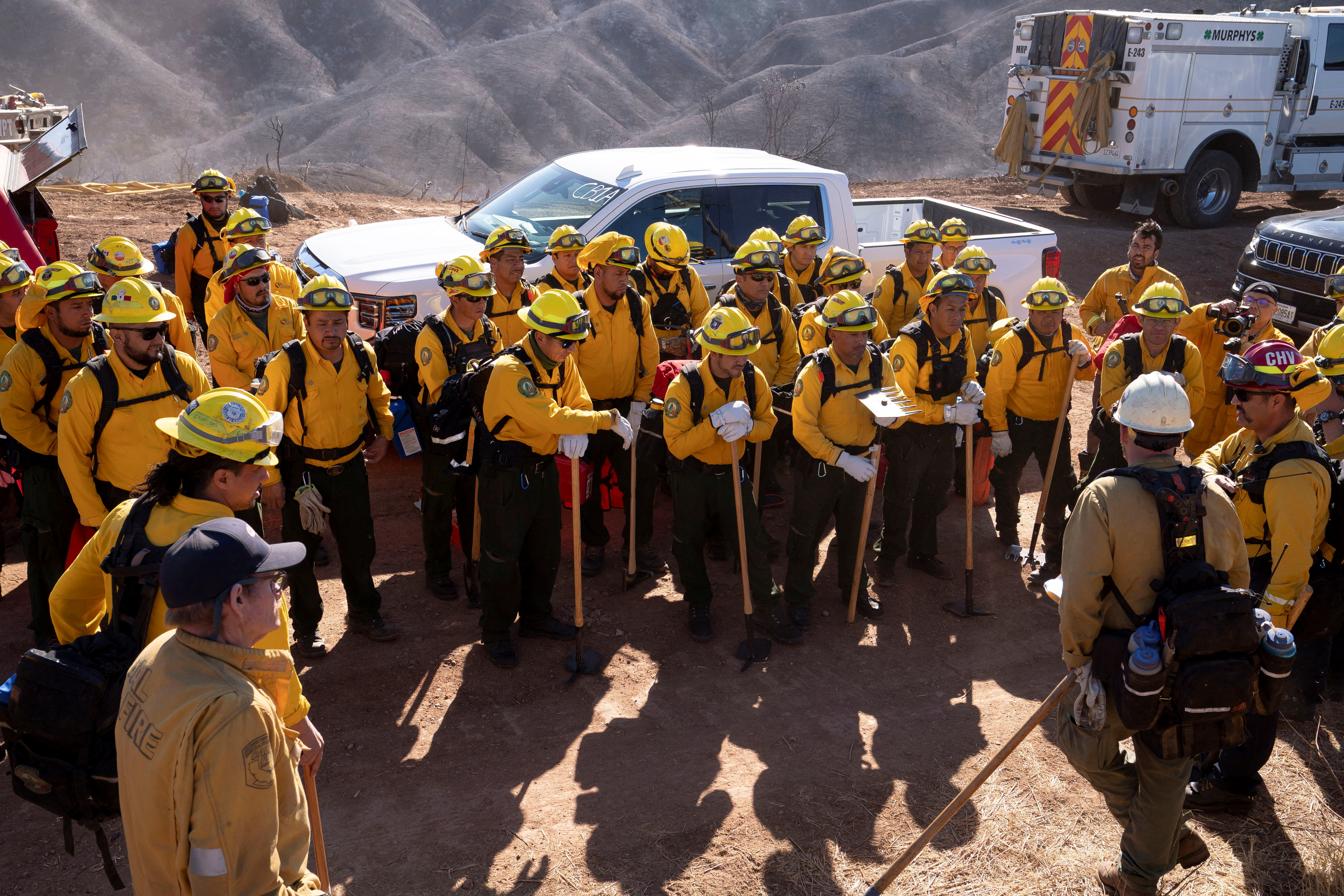
The sight of international crews joining forces on the front lines of a wildfire speaks volumes about the intertwined destinies of neighboring regions. When California faces its most destructive wildfires, the arrival of Mexican firefighting teams is not a random act of charity but a calculated, deeply rooted aspect of a longstanding tradition of mutual aid. This cooperation underscores a powerful message: that the well-being and stability of one region directly impact the other. For those interested in the ‘local culture’ of a place, observing such profound acts of solidarity offers a unique window into the values that define a community – values of partnership, empathy, and collective problem-solving that extend far beyond national borders.
Historical Precedents and Growing Ties
The roots of this cross-border collaboration run deep, predating many contemporary agreements. Historically, both the United States and Mexico have faced shared environmental challenges, particularly along their extensive border. Wildfires do not recognize political boundaries, and a blaze starting in Baja California can quickly threaten communities in California, and vice-versa. This geographical reality fostered early informal agreements and, over time, matured into formalized protocols. Agencies like the US Agency for International Development (USAID) and Mexico’s National Commission of Forestry (CONAFOR) have established robust frameworks for training, resource sharing, and joint deployment. This history of shared responsibility illustrates a fundamental aspect of regional culture: an understanding that mutual prosperity and safety require cooperation, a lesson particularly resonant for those studying the complexities of borderland communities. It’s a testament to how human activities, born of necessity and shared experience, shape cultural norms and international relations in ways that impact the very fabric of life in these regions.
The Operational Mechanics of Cross-Border Firefighting
When the call comes, Mexican crews, often from states like Baja California, are dispatched under pre-existing agreements. These are not untrained volunteers but highly skilled professionals, often possessing specialized knowledge of fire behavior in arid and chaparral environments, similar to those found in California. Their integration into the broader firefighting effort is seamless, working alongside agencies such as the California Forest Service and CAL FIRE. This operational synergy involves shared command structures, communication protocols, and equipment compatibility. The “activities” of these crews go beyond merely extinguishing flames; they involve complex logistical coordination, tactical planning, and the physically demanding work of creating firebreaks, conducting controlled burns, and evacuating affected areas. Observing such highly coordinated international efforts provides a fascinating insight into the practical aspects of global cooperation, showcasing how diverse teams can unite for a common, critical purpose, which is a powerful narrative for understanding a region’s resilience.
The Human Element: Beyond Fire Suppression
While the primary mission of any firefighting crew is suppression and containment, the presence of Mexican firefighters in California brings a profound human dimension to the crisis. It highlights not just strategic alliances but also the personal sacrifices, shared humanity, and deep respect that can transcend national identities. This human-centric approach is integral to understanding the broader “local culture” of a region, showcasing its capacity for empathy and collective action in the face of shared threats.
Cultural Exchange and Mutual Respect
On the fire lines, cultural exchange happens organically. Mexican and Californian firefighters learn from each other, sharing techniques, tools, and personal stories during arduous shifts. Language barriers are often overcome with mutual effort, hand gestures, and the universal camaraderie forged in high-stakes situations. This creates an environment of profound mutual respect and understanding. For tourists seeking to immerse themselves in authentic “local culture,” understanding these subtle, yet significant, interactions provides a deeper appreciation of the region’s diverse fabric. It illustrates that culture is not just about historical sites or culinary experiences, but also about the living, breathing interactions between people from different backgrounds united by a common cause. This cultural tapestry of cooperation enriches the perception of both California and Mexico as places defined by strength, compassion, and adaptability.
Direct Impact on California’s Communities and Natural Assets

The tangible impact of Mexican firefighting efforts extends directly to saving lives, homes, and critical infrastructure. Beyond the immediate threat to human settlements, these crews help protect vast stretches of California’s unique ecosystems, including national parks, forests, and biodiversity hotspots that are integral to the state’s natural allure. For “tourism,” this preservation is paramount. Safeguarding areas like the sequoia forests or the coastal chaparral means preserving the very attractions that draw millions of visitors annually. By reducing the scale and intensity of fires, they also mitigate air quality issues, a factor that can significantly impact visitor health and outdoor “activities” in affected regions. Their efforts ensure that the beauty and natural integrity of California can continue to be enjoyed by future generations, bolstering the state’s long-term appeal as an eco-tourism and adventure destination.
Safeguarding California’s Allure: Preservation and Recovery
The specter of wildfires can deter visitors, damage local economies reliant on tourism, and erode the image of a destination. The proactive and collaborative efforts of international teams, including those from Mexico, play a vital role in mitigating these impacts and safeguarding the very essence of California’s appeal.
Protecting Iconic Landscapes and Tourist Infrastructure
California is globally renowned for its diverse landscapes, from the redwood forests of the north to the deserts of the south, and the scenic coastlines that attract millions. Many of these iconic natural wonders, along with the infrastructure that supports them – hotels, roads, visitor centers – are vulnerable to wildfires. The presence of additional, experienced firefighting capacity significantly increases the chances of protecting these assets. When Mexican’s CONAFOR brigades work tirelessly to defend structures or establish containment lines around natural parks, they are directly contributing to the preservation of California’s tourist appeal. Their efforts ensure that visitors can continue to experience these breathtaking “landmarks” and natural environments for years to come, securing the foundation of the state’s vibrant tourism sector.
Ensuring Economic Continuity in Fire-Prone Regions
Beyond the natural environment, California’s rural and mountain communities often depend heavily on tourism for their economic survival. Wineries, boutique hotels, outdoor adventure guides, and local eateries all face ruin when wildfires engulf their regions. By aiding in rapid fire suppression, Mexican firefighters help minimize the duration of closures, reduce property damage, and accelerate the recovery process for these businesses. This swift action helps maintain the flow of visitors and ensures that local economies, which are crucial components of a region’s “local culture” and vibrancy, can rebound quickly. It instills confidence in potential travelers that even in challenging times, comprehensive measures are in place to protect both visitors and the infrastructure that supports their experiences.
The Broader Implications for Regional Understanding and Tourism
The assistance provided by Mexican firefighters in California transcends the immediate emergency; it profoundly shapes the broader narrative of regional cooperation, international relations, and the perception of both nations as interconnected destinations. This broader impact is invaluable for those seeking a deeper understanding of the places they visit, moving beyond superficial attractions to grasp the underlying social and political landscapes.
Fostering Positive International Relations
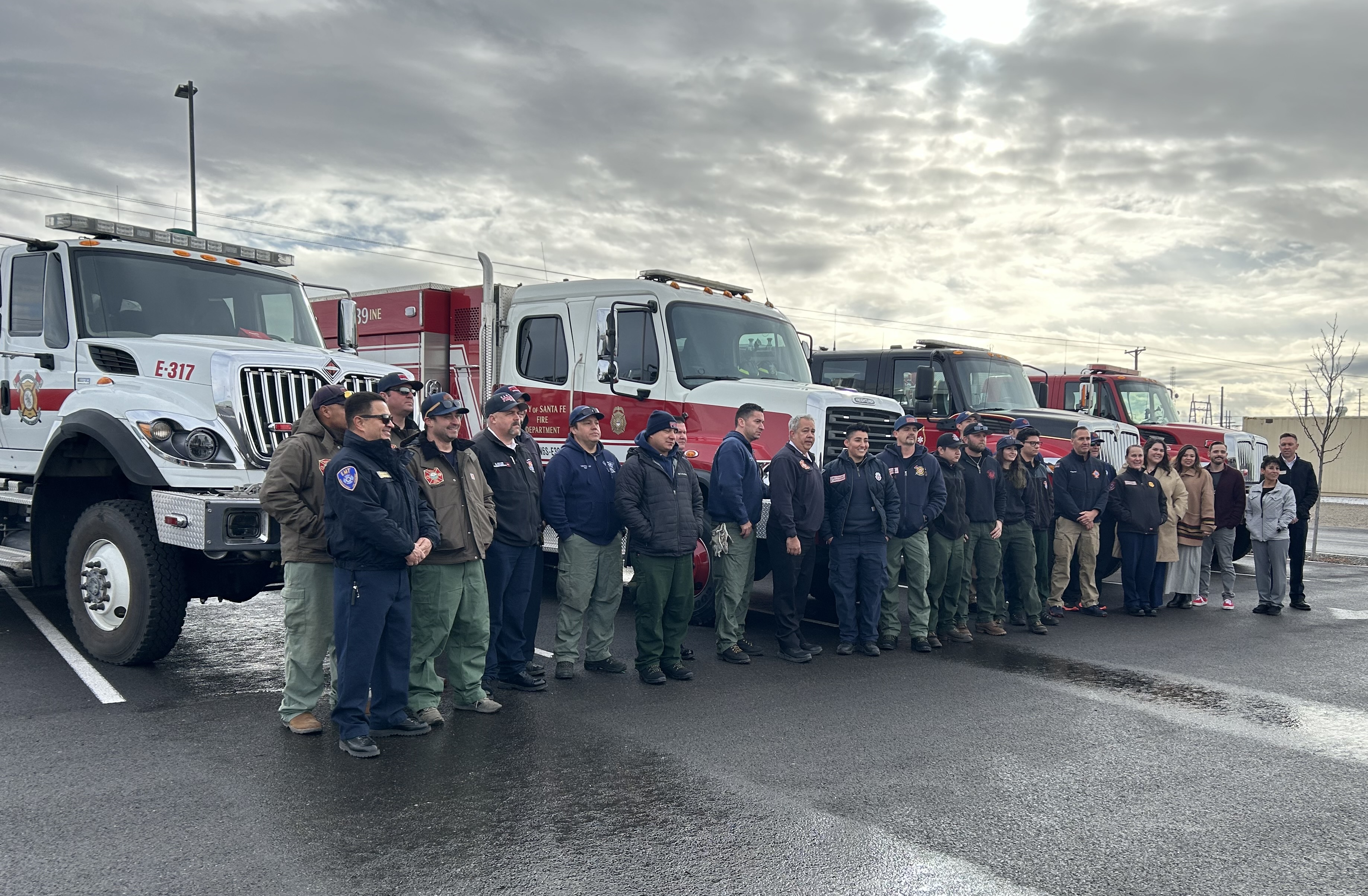
Such acts of solidarity foster goodwill and strengthen diplomatic ties between the United States and Mexico. In an era where international relations can be complex, these visible acts of humanitarian aid serve as powerful reminders of shared humanity and mutual support. For individuals interested in the global context of “local culture,” this collaboration illustrates how nations can work together effectively on critical environmental and social issues. It projects an image of stable, cooperative neighbors, which indirectly enhances the perceived safety and welcoming nature of both regions, making them more attractive for international travelers and investors alike.
Shaping Perceptions and Future Cross-Border Initiatives
The story of Mexican firefighters in California helps to shape positive perceptions, combating stereotypes and highlighting the incredible capacity for collaboration that exists between these two vibrant nations. It showcases Mexico not just as a neighbor, but as a crucial partner in shared environmental stewardship. For “tourism” and for anyone interested in understanding a region, this narrative adds depth to the experience, allowing for an appreciation of the complex interplay of forces that define a place. Moreover, the success of these joint operations lays the groundwork for future cross-border initiatives, not only in emergency response but potentially in other areas like ecological conservation, sustainable tourism development, and cultural exchange programs, further enriching the interconnectedness of these regions. This enduring spirit of cooperation ensures that California continues to project an image of resilience, adaptability, and an open heart, ready to face challenges with the strength of its neighbors.
LifeOutOfTheBox is a participant in the Amazon Services LLC Associates Program, an affiliate advertising program designed to provide a means for sites to earn advertising fees by advertising and linking to Amazon.com. Amazon, the Amazon logo, AmazonSupply, and the AmazonSupply logo are trademarks of Amazon.com, Inc. or its affiliates. As an Amazon Associate we earn affiliate commissions from qualifying purchases.