
For many prospective visitors dreaming of California’s sun-drenched beaches, iconic landmarks, and vibrant cities, the idea of a hurricane might seem utterly foreign. The Golden State is synonymous with perpetual sunshine, dramatic coastlines, and a Mediterranean climate, a far cry from the tropical storm systems often associated with the Atlantic or Gulf Coasts. Yet, the question, “Are there hurricanes in California?” is a valid one, especially in an era of changing global weather patterns. While direct hurricane landfalls are exceedingly rare, understanding California’s unique meteorological position and the occasional brush with tropical systems is crucial for any savvy traveler planning a trip.

This guide will demystify the relationship between California and hurricanes, providing a professional, insightful, and engaging overview tailored for those exploring this magnificent destination. We’ll delve into the science, history, and practical implications, ensuring you’re well-informed for your California adventure.
California’s Unique Climate and Coastal Geography
California’s diverse geography, stretching from the temperate north to the desert south, creates a complex tapestry of microclimates. However, its exposure to the vast Pacific Ocean dictates much of its weather, and critically, acts as a natural buffer against hurricanes.
The Cold Pacific Ocean Current
The primary reason California rarely experiences hurricanes lies in the cold waters of the eastern Pacific Ocean. Tropical cyclones, by definition, require warm ocean waters (typically above 80°F or 26.5°C) extending to a significant depth to fuel their formation and intensification. Along the California coast, the prevailing California Current brings cool water down from the Gulf of Alaska. This upwelling of cold, deep ocean water keeps coastal surface temperatures consistently below the threshold necessary for hurricane sustenance. Even in the warmest summer months, average coastal water temperatures off California typically range from the low 60s to low 70s Fahrenheit (15-22°C), effectively weakening any tropical system that ventures too far north.
Atmospheric Conditions and Steering Currents
Beyond ocean temperatures, atmospheric conditions play a pivotal role. The prevailing atmospheric steering currents in the eastern Pacific Ocean generally push tropical cyclones westward, away from the North American continent, or northward towards the warmer waters off Mexico’s Baja California peninsula. For a hurricane to reach California, it would need to overcome these steering currents and maintain its intensity over increasingly cooler waters, a highly improbable scenario. High-pressure systems over the western United States also often act as a barrier, deflecting storms away.
Hurricanes vs. Tropical Storms: Understanding the Threat
It’s crucial for travelers to understand the distinction between a hurricane and a tropical storm, especially when discussing California’s weather. While direct hurricane landfalls are virtually unheard of, remnants or downgraded tropical storms can and do affect the state, bringing significant, albeit different, risks.
The Saffir-Simpson Scale and Its Relevance
The Saffir-Simpson Hurricane Wind Scale classifies tropical cyclones based on their sustained wind speeds. A storm is designated a hurricane when its sustained winds reach 74 mph (119 km/h) or higher. Below this threshold, between 39 mph (63 km/h) and 73 mph (117 km/h), it’s classified as a tropical storm. Any system below 39 mph is a tropical depression. When a hurricane moves over cooler waters or encounters unfavorable atmospheric conditions, it rapidly loses strength, often downgrading to a tropical storm or even a post-tropical cyclone before reaching California’s coast.
Impacts of Weakened Tropical Systems
Even a weakened tropical storm or its remnants can pose challenges for travelers. The primary threats are typically:
- Heavy Rainfall and Flooding: The most significant concern from tropical systems impacting California is torrential rain, particularly in the desert regions and mountainous areas. This can lead to flash floods, mudslides, and debris flows, especially in areas recently affected by wildfires. Roads can become impassable, and outdoor activities like hiking or camping can become dangerous.
- Strong Winds: While not hurricane-force, tropical storm winds can still be significant enough to cause power outages, damage trees, and create hazardous driving conditions, particularly for high-profile vehicles.
- High Surf and Rip Currents: The outer bands of a tropical system can generate powerful swells and dangerous rip currents along the coast, posing risks to swimmers and surfers.
- Disruption to Travel: Even without direct landfall, forecasts of heavy rain and wind can lead to flight delays, road closures, and altered itineraries, especially for those venturing into rural or desert areas.
A History of Rarity: When Tropical Cyclones Reach the Golden State
The historical record unequivocally demonstrates the extreme rarity of hurricanes directly impacting California. However, it’s not entirely unprecedented for tropical storm remnants to reach the state, underscoring the importance of vigilance.
The Infamous 1939 Long Beach Tropical Storm

The most frequently cited historical event occurred in September 1939. This unnamed tropical storm, which had previously been a hurricane, made landfall near Long Beach, California. It caused widespread flooding, significant property damage, and tragically, claimed dozens of lives, primarily due to fishing boat capsizes. The storm delivered record-breaking rainfall and winds that surprised a population unaccustomed to such events, leading to a significant overhaul of weather forecasting practices in the region. This event remains a stark reminder of what can happen, even if rarely.
Recent Encounters: Hurricane Hilary (2023) and Others
More recently, Hurricane Hilary in August 2023 made headlines. While Hilary made landfall as a tropical storm in Baja California, Mexico, its remnants delivered historic rainfall across much of Southern California and even parts of Nevada. Cities like Palm Springs experienced a year’s worth of rain in a single day, leading to widespread flooding, road closures, and emergency declarations. Though it was not a hurricane by the time it reached the state, its impact was severe and served as a powerful reminder of the potential for significant disruption from tropical systems originating in the eastern Pacific Ocean.
Other notable tropical systems that have affected California include Tropical Storm Kathleen in 1976, which caused extensive flooding in desert regions, and remnants of other systems that brought unusual summer rains. These events, though infrequent, highlight the need for travelers to monitor weather forecasts, especially during the late summer and early autumn months, which is the peak eastern Pacific Ocean hurricane season (typically July through October).
Preparing for California’s Weather: What Travelers Need to Know
While the odds of encountering a hurricane during your California trip are astronomically low, being prepared for the effects of a tropical storm or even unusual heavy rainfall is a prudent aspect of responsible travel planning.
Monitoring Weather Forecasts
The most important tip for any traveler to California is to stay informed. Rely on reputable sources like the National Weather Service (NWS) or local news channels for the latest weather advisories. If a tropical system is developing in the eastern Pacific Ocean, forecasters will be tracking it diligently, providing ample warning if its trajectory suggests potential impact on California. This is especially critical if your itinerary includes desert areas like Palm Springs or Death Valley, or mountainous regions prone to flash floods and mudslides.
Flexible Itineraries and Safety Precautions
Travelers should consider building some flexibility into their itinerary, particularly if traveling during late summer or early fall. If heavy rainfall is predicted:
- Avoid Flood-Prone Areas: Do not drive or walk through flooded roads. Turn around, don’t drown. Flash floods can be deceptively powerful.
- Heed Evacuation Orders: If you are in an area advised or ordered to evacuate, do so immediately. Local authorities prioritize your safety.
- Stay Informed on Road Conditions: Check Caltrans or other state transportation department websites for real-time road closures before heading out. Mountain passes and desert roads can close unexpectedly due to rockslides or flooding.
- Coastal Safety: Be aware of high surf advisories and dangerous rip currents. Swim only at lifeguarded beaches and always heed warnings from local authorities.
- Pack Appropriately: Even in sunny California, a waterproof jacket, sturdy shoes, and layers are always a good idea, especially if traveling during shoulder seasons or to diverse regions.
Climate Change and Future Outlook: A Shifting Landscape?
The question of hurricanes in California takes on added significance when considering the broader context of climate change. While the fundamental geographic and oceanic barriers remain, warmer global ocean temperatures could subtly alter future dynamics.
Warmer Oceans and Altered Storm Paths
Scientists are actively studying how warming ocean temperatures might affect hurricane formation and tracks in the eastern Pacific Ocean. While the cold California Current is a persistent feature, periods of exceptionally warm water, such as those associated with strong El Niño events, could potentially allow tropical systems to maintain strength further north or west than historically typical. This doesn’t necessarily mean direct hurricane landfalls will become common, but it could increase the likelihood and intensity of tropical storm remnants reaching California, as seen with Hurricane Hilary.
Increased Rainfall Intensity
One of the most concerning aspects of climate change for California is the potential for increased intensity of rainfall from any storm system, tropical or otherwise. A warmer atmosphere holds more moisture, meaning that when tropical moisture does reach the state, it could drop significantly more rain in a shorter period, exacerbating the risks of flash flooding and mudslides. For travelers, this means that even if a system is “just” a tropical storm, its hydrological impact could be severe and widespread, affecting major metropolitan areas like Los Angeles and San Diego, as well as the more remote desert and mountain regions.
A Continued Rarity, But Enhanced Vigilance
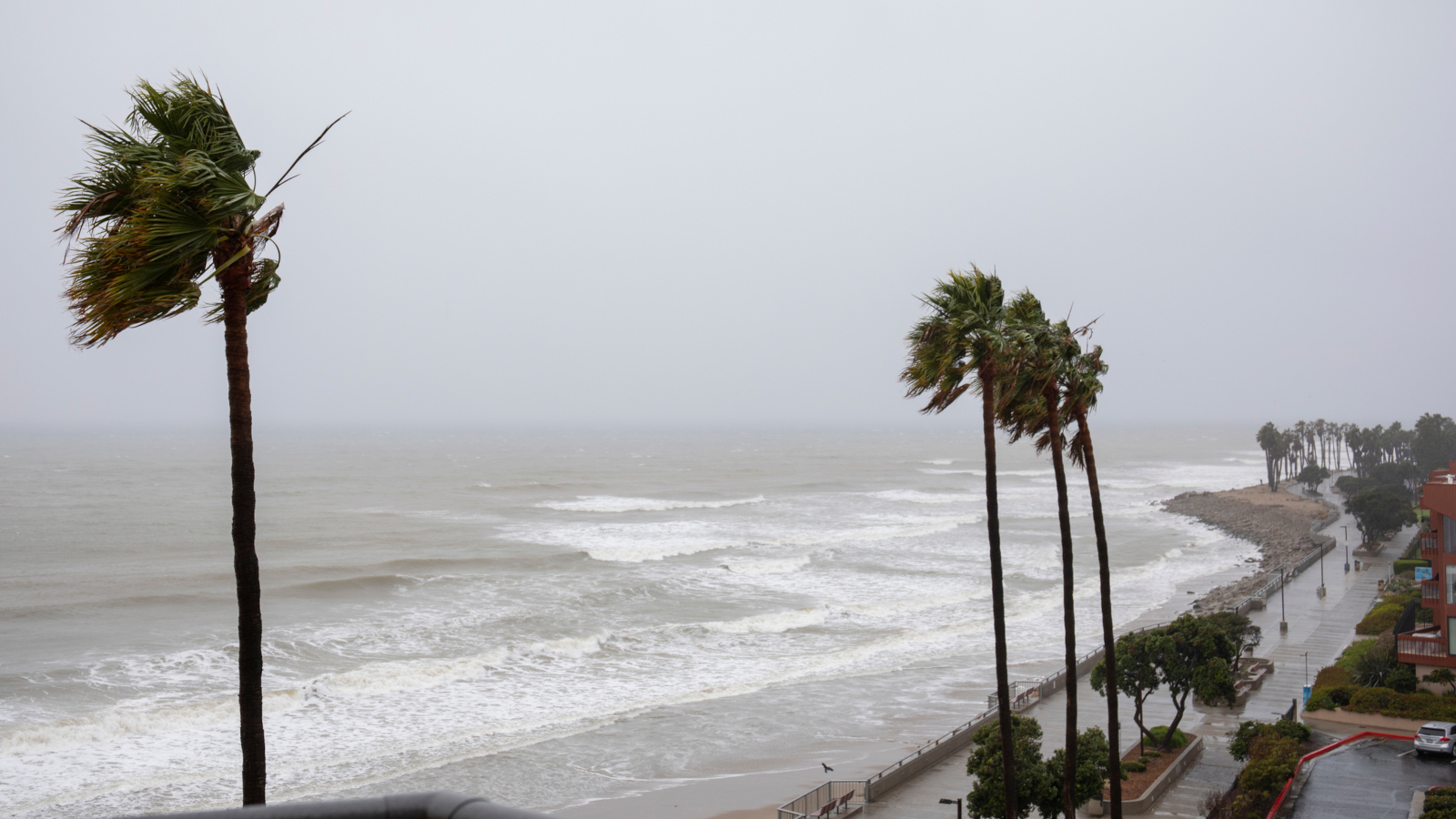
In conclusion, while the core answer to “Are there hurricanes in California?” remains a resounding “extremely rarely, if ever, directly impacting the coast as a hurricane,” travelers should approach the state’s weather with informed awareness. The unique oceanic and atmospheric conditions that protect California from direct hurricane strikes are powerful. However, the potential for significant rainfall, winds, and surf from downgraded tropical storms or their remnants, especially in a changing climate, underscores the importance of staying updated on forecasts and exercising caution. Your dream trip to California is almost certainly safe from a direct hurricane hit, but being prepared for all types of weather ensures a smoother, more enjoyable, and truly unforgettable experience.
LifeOutOfTheBox is a participant in the Amazon Services LLC Associates Program, an affiliate advertising program designed to provide a means for sites to earn advertising fees by advertising and linking to Amazon.com. Amazon, the Amazon logo, AmazonSupply, and the AmazonSupply logo are trademarks of Amazon.com, Inc. or its affiliates. As an Amazon Associate we earn affiliate commissions from qualifying purchases.