
For countless travelers, the allure of California’s sun-drenched beaches, dramatic coastlines, and vibrant seaside cities is irresistible. From the golden sands of San Diego to the rugged beauty north of San Francisco, the state offers a quintessential coastal experience. However, beneath this picturesque veneer lies a geological reality that often prompts a vital question for safety-conscious explorers: Can California get tsunamis? The unequivocal answer is yes. While major destructive tsunamis are rare events, California is indeed vulnerable to these powerful ocean waves, both from distant seismic events and, less commonly, from closer-to-shore disturbances. Understanding this risk, how it’s managed, and what travelers need to know is paramount for anyone planning to enjoy the Golden State’s magnificent shores. This article delves into the specifics of California’s tsunami vulnerability, historical context, preparedness measures, and essential safety tips for those venturing to its captivating coastal destinations.
Understanding California’s Tsunami Vulnerability
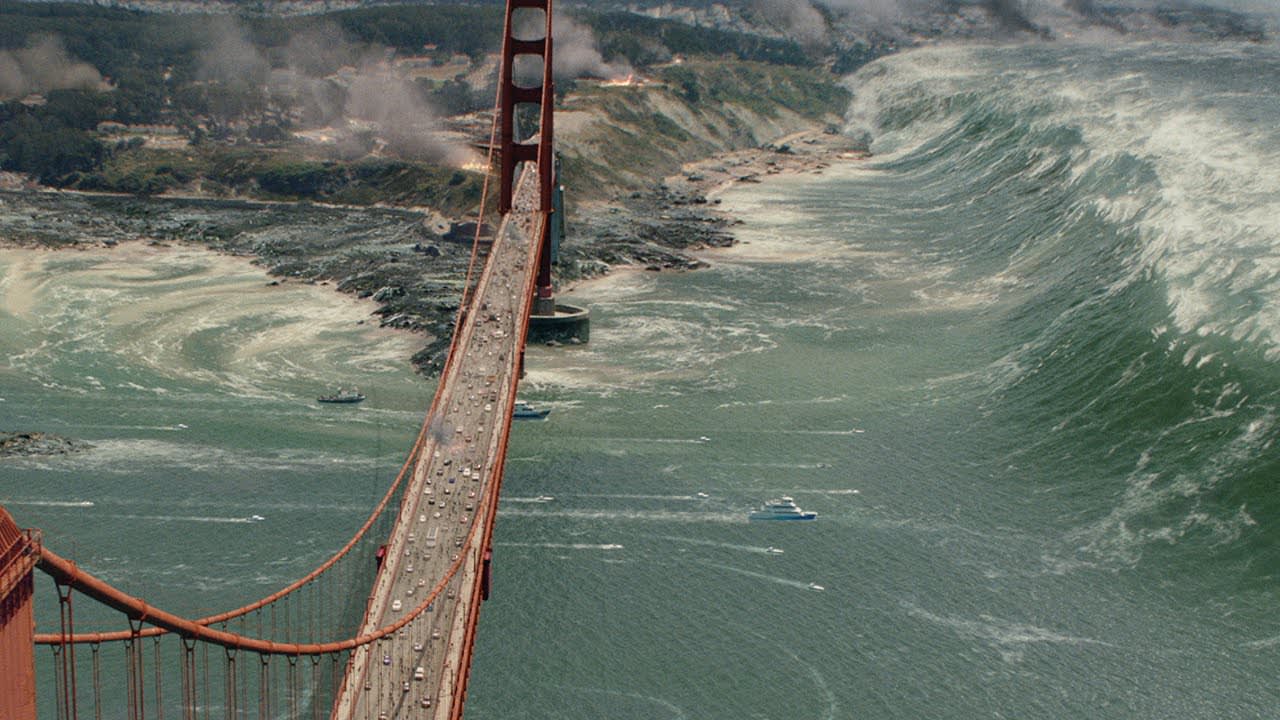
California’s geographical position along the western edge of the United States places it in a unique and tectonically active zone. The Pacific Ocean, while a source of beauty and recreation, also harbors the potential for devastating underwater seismic activity that can generate tsunamis.
The Pacific Ring of Fire Connection
At the heart of California’s tsunami vulnerability is its proximity to the Pacific Ring of Fire. This horseshoe-shaped belt of volcanoes, oceanic trenches, and tectonic plate boundaries encircles the Pacific Ocean, accounting for approximately 90% of the world’s earthquakes and over 75% of the world’s active and dormant volcanoes. The movement and collision of these massive tectonic plates—including the Pacific Plate and the North American Plate—are the primary drivers of seismic activity, which in turn can trigger tsunamis. While California itself is famous for the San Andreas Fault, a transform fault, the greater Pacific Rim region is ripe for the megathrust earthquakes that most commonly generate destructive tsunamis.
Local and Distant Tsunami Sources
Tsunamis affecting California can originate from two main types of sources:
-
Distant Tsunamis: These are the most common type of tsunami to impact California. They are generated by powerful earthquakes, often magnitude 8.0 or greater, occurring thousands of miles away across the Pacific Ocean. Key distant sources include the subduction zones off the coasts of Alaska, the Aleutian Islands, Japan, and Chile. While these waves travel across vast stretches of ocean, losing some energy, they can still arrive at California’s shores with significant force, often several hours after the initial earthquake. This travel time is crucial, as it allows for warning systems to be activated and coastal areas to be evacuated.
-
Local Tsunamis: These are much rarer but potentially more dangerous due to their rapid arrival. Local tsunamis can be generated by underwater landslides, near-shore earthquakes, or even volcanic activity directly off the California coast. The primary concern for a local tsunami in California comes from the Cascadia Subduction Zone, located off the coast of northern California, Oregon, and Washington. A major earthquake in this zone could send a tsunami to California’s northern coast within minutes, leaving very little time for official warnings or evacuation.
Geological Factors Amplifying Risk
Beyond the seismic sources, California’s coastal geomorphology can influence how a tsunami impacts different areas. Narrow bays, harbors, and river mouths can funnel tsunami waves, amplifying their height and destructive power. For instance, communities situated within enclosed harbors, like Crescent City, have historically experienced greater damage due to this focusing effect. The varying topography of the coastline, from steep cliffs to low-lying beaches, also dictates the extent of inundation and the specific evacuation challenges faced by coastal towns and cities.
A Historical Perspective: Tsunamis in California’s Past
While less frequent than hurricanes on the Atlantic seaboard or wildfires inland, tsunamis are a historical reality for California. Examining past events provides crucial insights into the potential impacts and underscores the importance of preparedness for travelers.
Notable Events and Their Impact on Coastal Communities
California has experienced numerous tsunamis throughout its recorded history, though most have been minor. However, several events stand out:
-
1964 Alaska Earthquake Tsunami: This was arguably the most significant tsunami event to affect California in recent history. Following a magnitude 9.2 earthquake in Prince William Sound, Alaska, a powerful tsunami traveled across the Pacific Ocean. The most severe impact in California was in Crescent City, where four waves, reaching heights of 10 to 20 feet, decimated the downtown area and claimed 12 lives. Other communities, including Santa Cruz, also sustained significant damage to harbors and waterfront structures. This event remains a stark reminder of the destructive power of distant tsunamis.
-
2011 Japan Earthquake Tsunami: While no lives were lost in California, the magnitude 9.1 Tōhoku earthquake off Japan generated a tsunami that caused substantial damage to several California harbors. Crescent City once again bore the brunt, with damages estimated at over $40 million. Santa Cruz Harbor and Ventura Harbor also experienced significant surges and damage to docks and boats. This event highlighted the continued vulnerability of coastal infrastructure even from very distant sources and the importance of timely warnings.
Lessons Learned from Past Incidents
Each tsunami event has provided invaluable lessons for California in terms of preparedness, public awareness, and infrastructure resilience. The devastating impact in Crescent City in 1964 led to significant improvements in tsunami warning systems and evacuation planning. The 2011 event, despite its distance, underscored the need for resilient harbor infrastructure and reinforced the message that even a distant tsunami can be profoundly destructive. These historical events serve as crucial benchmarks for current emergency management strategies and traveler advisories.
The Role of Seismicity in California’s Tsunami History
While the San Andreas Fault primarily causes horizontal movement and is less likely to generate large tsunamis directly, California’s active geology means that smaller, localized tsunamis from underwater landslides triggered by earthquakes are a possibility. Furthermore, the broader seismic activity in the Pacific Ocean ensures that California will remain within the reach of trans-Pacific tsunamis. The ongoing monitoring of seismic activity by various scientific bodies is therefore critical for the safety of coastal communities and visitors.
California’s Tsunami Warning Systems and Preparedness for Travelers
California has one of the most sophisticated tsunami warning and preparedness programs in the United States. These systems are designed to detect potential threats, disseminate timely warnings, and guide the public, including travelers, to safety.
The Pacific Tsunami Warning Center and Local Alert Mechanisms
The primary authority for tsunami warnings in the Pacific Ocean is the Pacific Tsunami Warning Center (PTWC), operated by the National Oceanic and Atmospheric Administration (NOAA). The PTWC monitors seismic activity and oceanographic data (from deep-ocean buoys, or DART buoys) across the Pacific. For California specifically, the National Weather Service (NWS) Tsunami Warning Centers issue alerts. These alerts are then relayed to state and local emergency management agencies, such as the California Office of Emergency Services (CalOES), which activate local warning systems. These local systems can include:
- Emergency Alert System (EAS): Broadcasts warnings over radio and television.
- Wireless Emergency Alerts (WEA): Sends text-like messages to mobile phones in affected areas.
- Outdoor Sirens: In some coastal communities, sirens may sound to alert people.
- Reverse 911 / NIXLE Alerts: Opt-in systems that provide direct notifications to registered users.
- Public Safety Personnel: Police and fire departments may conduct door-to-door notifications or use loudspeakers.
Community Preparedness: Evacuation Routes and Safe Zones
California’s coastal communities are actively engaged in tsunami preparedness. Many towns and cities participate in the NOAA TsunamiReady program, which ensures comprehensive warning, planning, and educational efforts. Travelers will often see:
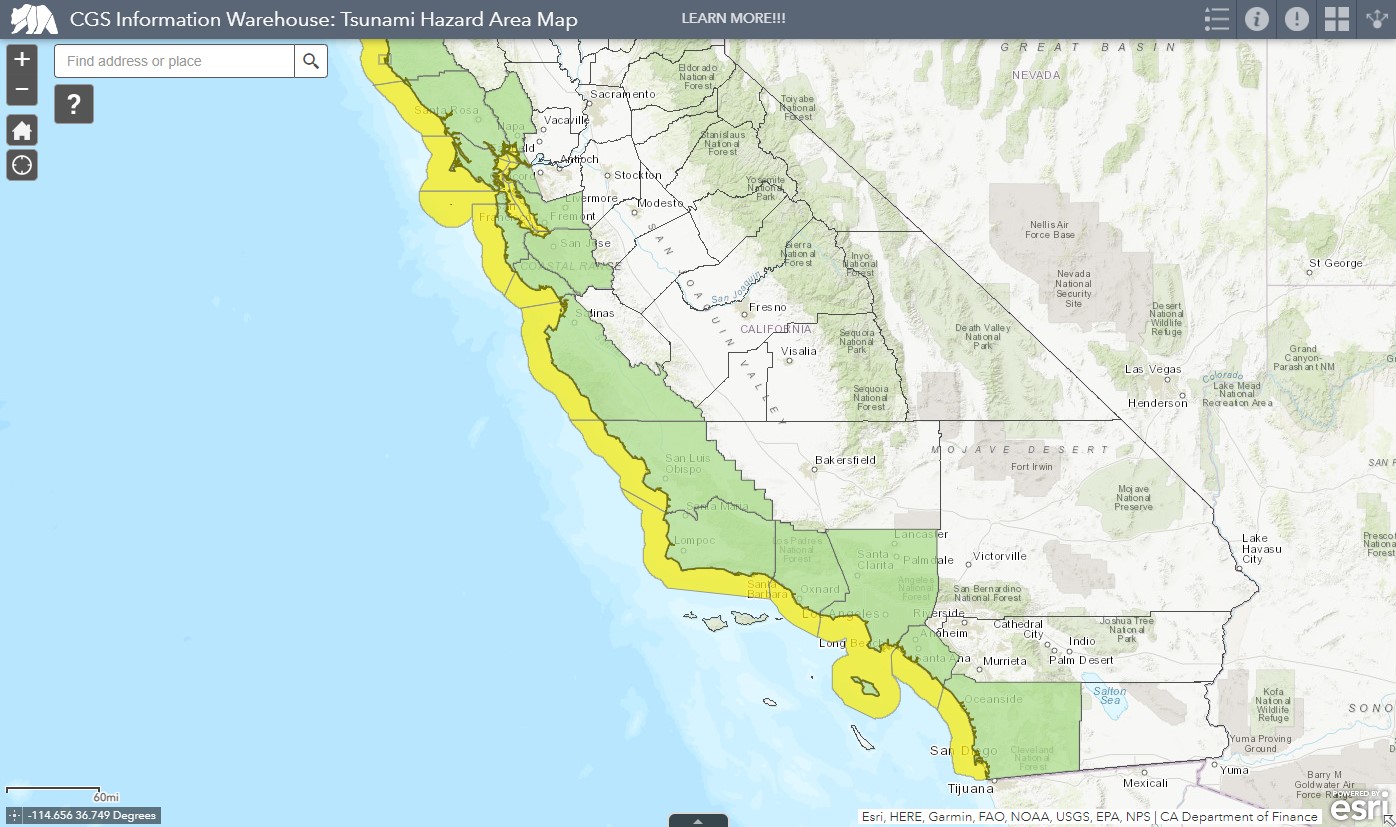
- Tsunami Hazard Zone Signs: Clearly marked areas indicating where tsunami inundation is possible.
- Tsunami Evacuation Route Signs: Designated paths to higher ground, usually at least 100 feet above sea level or 1 mile inland, depending on local topography.
- Safe Zone Information: Maps and informational brochures available at hotels, visitor centers, and public places outlining safe areas.
These visible signs and resources are crucial for helping both residents and visitors understand and react to a tsunami threat.
What Travelers Need to Know About Tsunami Safety Protocols
For travelers, understanding how to respond to a tsunami threat is vital for a safe trip:
- Recognize Natural Warnings: A strong earthquake that makes it difficult to stand, or a sudden and unusual recession or rise in ocean water, are natural tsunami warnings. If you experience these, do not wait for an official alert; immediately move to higher ground.
- Heed Official Warnings: Always take official tsunami watches and warnings seriously. A “tsunami watch” means a tsunami is possible, while a “tsunami warning” means a dangerous tsunami is imminent or expected.
- Evacuate Immediately: If you are in a tsunami hazard zone and a warning is issued or you observe natural signs, evacuate to a designated safe zone. Follow marked routes and instructions from emergency personnel.
- Stay Informed: Prior to and during your coastal California trip, stay informed about local emergency plans. Check local government websites or visitor centers for specific tsunami safety information for your chosen destination.
- Know Your Location: Be aware of your proximity to the coast, especially if staying in beachfront accommodations. Ask hotel staff about their emergency procedures.
Navigating Coastal California: Travel Planning and Safety Tips
The potential for tsunamis should not deter travelers from enjoying California’s stunning coastline, but it does necessitate a level of informed awareness and responsible planning. Integrating tsunami safety into your travel itinerary is a simple yet effective way to ensure peace of mind.
Choosing Safe Coastal Destinations and Accommodations
When planning your coastal California adventure, a little foresight can go a long way:
- Research Local Preparedness: Before booking, research the tsunami preparedness of your chosen destination. Many California coastal cities, such as Los Angeles, San Diego, and Santa Cruz, have extensive information available online regarding tsunami zones and evacuation plans.
- Consider Accommodation Location: If staying directly on the beach or in a low-lying coastal area, inquire about the hotel’s tsunami evacuation plan and its proximity to higher ground. Many modern coastal hotels are built with these considerations in mind and will have clear procedures in place. Choosing accommodations slightly further inland or on elevated ground can add an extra layer of reassurance.
- Check TsunamiReady Status: Look for communities that are “TsunamiReady” certified by NOAA. This indicates a high level of preparedness and public awareness.
Essential Safety Measures for Beachgoers and Coastal Visitors
While enjoying California’s beaches, piers, and waterfront attractions, keep these safety measures in mind:
- Identify Evacuation Routes: As soon as you arrive at a coastal area, take a moment to locate tsunami hazard zone signs and identify the nearest evacuation routes to higher ground. This quick reconnaissance can save precious time in an emergency.
- Stay Alert to Environmental Cues: Pay attention to any unusual changes in the ocean. A sudden drop or rise in sea level, or a strange roaring sound coming from the ocean, could be a sign of an approaching tsunami.
- Follow Instructions: Always follow the instructions of lifeguards, park rangers, and local emergency officials. They are your best source of real-time information and guidance during a crisis.
- Avoid Harbors During Warnings: If a tsunami warning is issued, stay away from harbors, bays, and river mouths, as these areas can experience amplified wave action and dangerous currents.
- Know the “Drop, Cover, and Hold On” for Earthquakes: If you are on the coast and feel a strong earthquake, immediately drop, cover, and hold on. Once the shaking stops, head to higher ground without delay, even if no tsunami warning has been issued.
Staying Informed During Your California Trip
Technology makes it easier than ever to stay informed:
- Download Emergency Apps: Consider downloading local emergency alert apps or signing up for NIXLE alerts for the counties you’ll be visiting.
- Monitor Weather and News: Keep an eye on local news channels, radio stations, and weather apps, which will broadcast any official tsunami watches or warnings.
- Visitor Center Resources: Utilize the resources available at visitor information centers, where you can often pick up maps and brochures detailing local emergency plans.
Embracing California’s Coastline Responsibly
The question “Can California get tsunamis?” should not be a deterrent but rather a call for informed and responsible travel. The breathtaking beauty and diverse experiences offered by California’s coastline far outweigh the low but present risk of a tsunami, especially when proper precautions are observed.
The Enduring Allure of California’s Beaches and Towns
California’s coast remains one of the world’s most desirable travel destinations for good reason. From the iconic piers of Santa Monica and San Francisco to the serene coves of Laguna Beach and the dramatic cliffs of Big Sur, there’s an endless array of attractions. The vibrant culture, world-class cuisine, and unparalleled natural beauty continue to draw millions each year. With robust warning systems and diligent community preparedness, these experiences can be enjoyed safely and confidently.
Balancing Adventure with Awareness
The key to safe travel in tsunami-prone areas lies in balancing the desire for adventure with a strong sense of awareness and preparedness. Understand the risks, know the safety protocols, and empower yourself with information. By doing so, you can fully immerse yourself in the wonders of California’s coast, knowing you are equipped to respond appropriately should the unlikely event of a tsunami occur. This proactive approach ensures that your memories are filled with the joy of discovery, rather than the anxiety of the unknown.
Resources for Further Information and Preparedness
Before and during your trip, consider consulting these reliable resources:
- California Office of Emergency Services (CalOES): Provides state-specific tsunami safety information and resources.
- National Oceanic and Atmospheric Administration (NOAA) Tsunami Program: Offers comprehensive information on tsunami science, warnings, and preparedness.
- Local City/County Emergency Management Websites: Essential for specific information on tsunami hazard zones and evacuation routes in your chosen destination.
In conclusion, while California can indeed experience tsunamis, the state’s advanced warning systems, community preparedness, and clear safety protocols make it a manageable risk for travelers. By staying informed, heeding warnings, and knowing how to react, visitors can confidently explore and enjoy the unparalleled beauty of California’s coastline. Safe travels!
LifeOutOfTheBox is a participant in the Amazon Services LLC Associates Program, an affiliate advertising program designed to provide a means for sites to earn advertising fees by advertising and linking to Amazon.com. Amazon, the Amazon logo, AmazonSupply, and the AmazonSupply logo are trademarks of Amazon.com, Inc. or its affiliates. As an Amazon Associate we earn affiliate commissions from qualifying purchases.