
The joy of pregnancy brings with it a host of new considerations, especially regarding diet. For many expectant mothers, a craving for sushi can spark immediate concern, leading to a common question: “Can I eat California rolls during pregnancy?” This query touches upon broader themes of food safety, nutritional balance, and navigating culinary choices while traveling or simply enjoying local cuisine. As part of our comprehensive guide to exploring the world through its flavors, let’s delve into the specifics of California rolls and their suitability for pregnant individuals, ensuring you can make informed and confident dining decisions.
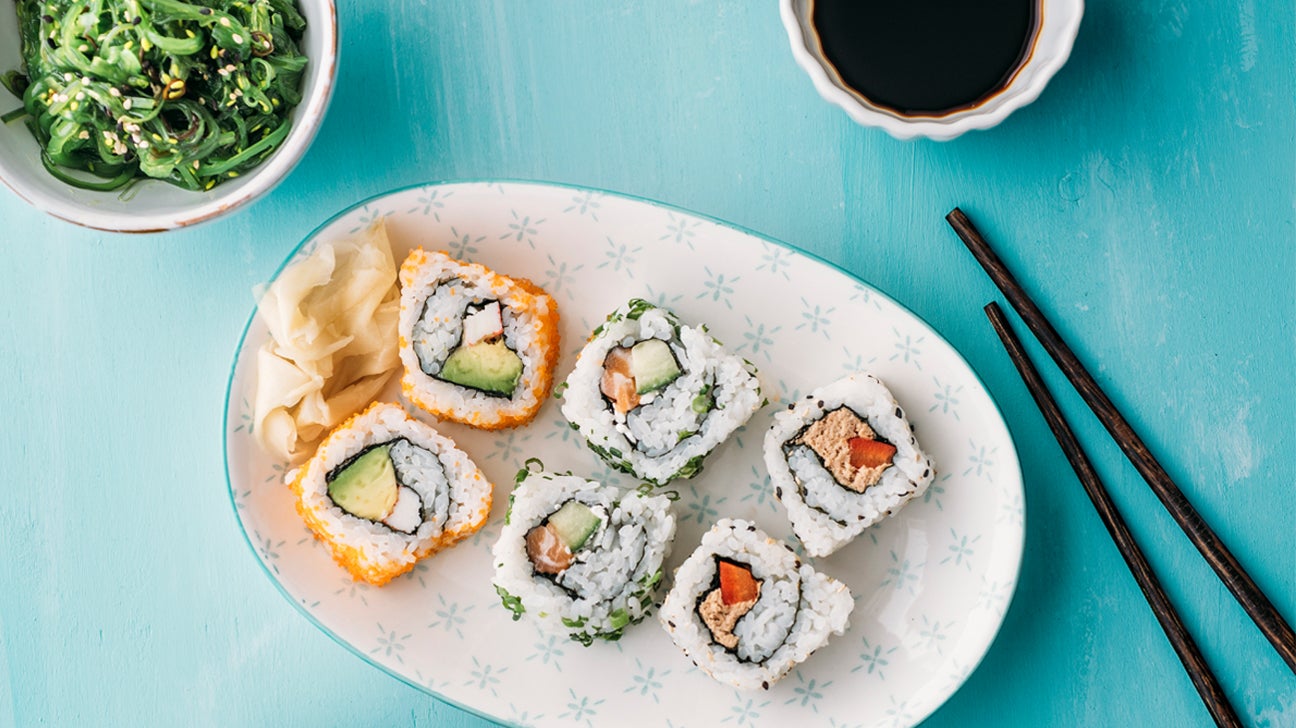
The allure of sushi, a cornerstone of Japanese culinary tradition, has captivated palates worldwide. However, the perception that all sushi is off-limits during pregnancy is a pervasive misconception that often overlooks the diverse range of ingredients and preparation methods involved. California rolls, an iconic invention from the United States that revolutionized sushi’s global appeal, stand out as a unique case, primarily because of their distinct composition. Understanding what goes into a traditional California roll is the first step toward demystifying its safety profile for expectant mothers.
Understanding California Rolls: What Are They Made Of?
Before making any dietary decisions, it’s crucial to understand the anatomy of a California roll. Unlike traditional sushi pieces that often feature raw fish, the California roll was specifically designed to appeal to Western palates, often those unaccustomed to or wary of raw seafood. This innovation led to a creation primarily composed of cooked or vegetarian ingredients, making it a popular entry point into the world of sushi for many.
Key Ingredients and Their Pregnancy Safety
A standard California roll typically includes several core components, each of which should be evaluated for its pregnancy safety:
-
Imitation Crab (Surimi): This is arguably the most defining ingredient of a California roll. Surimi is a paste made from various types of processed and seasoned white fish, such as pollock, and is always fully cooked during its production. It’s then molded and flavored to mimic the taste and texture of crab meat. Because it is thoroughly cooked, imitation crab is generally considered safe for consumption during pregnancy, provided it is sourced from a reputable establishment and handled hygienically. It offers a source of protein without the risks associated with raw seafood.
-
Avocado: A creamy, nutrient-dense fruit, avocado is packed with healthy fats, folate, potassium, and vitamins K, C, B6, and E. These nutrients are highly beneficial for both the mother and the developing baby. Avocado is safe and encouraged during pregnancy as part of a balanced diet.
-
Cucumber: Offering hydration and a refreshing crunch, cucumber is a safe and healthy addition to any diet, including during pregnancy. It’s a good source of vitamins K and C, and its high water content can help prevent dehydration.
-
Nori (Seaweed): The dark green wrapper holding the roll together, nori, is a type of edible seaweed. It is rich in iodine, iron, calcium, and vitamins A and C. In moderation, nori is perfectly safe and can contribute valuable nutrients to a pregnant woman’s diet. Excessive consumption, however, could lead to too much iodine, so balance is key, as with all dietary components.
-
Sushi Rice: The seasoned, sticky rice used in sushi is always cooked. As long as it’s prepared and stored properly to prevent bacterial growth, cooked sushi rice poses no risk during pregnancy.
-
Mayonnaise/Sauces: Some California rolls might include a touch of mayonnaise or other creamy sauces. Commercially produced mayonnaise in most countries, including the United States and Japan, is made with pasteurized eggs, which eliminates the risk of salmonella. However, it’s always wise to confirm this if dining in an unfamiliar establishment or preparing it at home. Spicy mayo, if used, should also be checked for pasteurized ingredients.
-
Sesame Seeds: Often sprinkled on the outside of the roll, sesame seeds are generally safe during pregnancy and offer a good source of calcium, iron, and fiber.
Based on this ingredient breakdown, a traditional California roll made with cooked imitation crab and fresh vegetables appears to be largely safe for pregnant women.
Navigating Raw Fish Concerns in Pregnancy
The primary reason for caution around sushi during pregnancy stems from the potential risks associated with consuming raw or undercooked seafood. While California rolls typically bypass these concerns due to their cooked ingredients, understanding these risks provides essential context for making informed decisions about other seafood choices.
Why Raw Fish is Often Avoided
Health organizations worldwide, including the United States’s Food and Drug Administration (FDA), advise pregnant women to avoid raw or undercooked fish and shellfish. The main reasons include:
-
Listeria Monocytogenes: This bacterium, commonly found in soil, water, and some animals, can contaminate raw seafood. While rare, listeriosis (the infection caused by Listeria) can be particularly dangerous during pregnancy, potentially leading to miscarriage, stillbirth, premature birth, or life-threatening infections in newborns. Cooking fish thoroughly kills Listeria.
-
Parasites: Raw fish can harbor parasites such as tapeworms and roundworms. While many of these can be destroyed by proper freezing techniques, the risk remains, and infection can cause gastrointestinal distress and nutrient deficiencies in the mother.
-
Mercury Content: Certain types of fish contain high levels of mercury, a neurotoxin that can harm a baby’s developing brain and nervous system. While raw fish isn’t inherently higher in mercury than cooked fish, the concern is generally about the type of fish. High-mercury fish like shark, swordfish, king mackerel, and tilefish should be avoided, whether raw or cooked. Fortunately, the fish used to make imitation crab (often pollock) is typically low in mercury.
The Distinction: Raw vs. Cooked Seafood
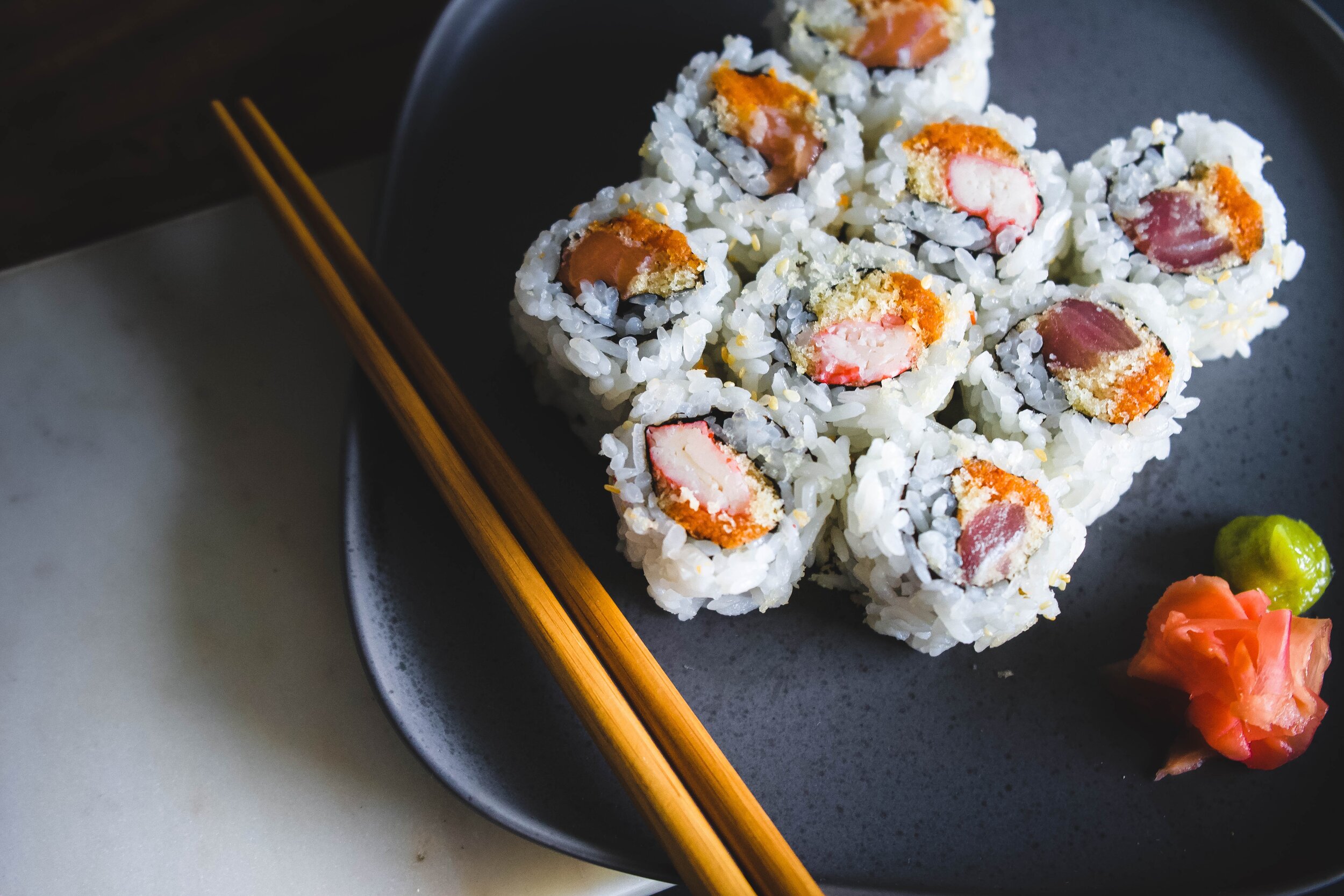
It’s critical to differentiate between raw and cooked seafood. While raw fish poses risks, cooked seafood is not only safe but highly recommended for pregnant women. Fish and shellfish are excellent sources of lean protein, omega-3 fatty acids (DHA and EPA), iodine, and vitamin D, all crucial for fetal development and maternal health.
The key is to ensure all seafood consumed during pregnancy is thoroughly cooked to an internal temperature of 145°F (63°C), which kills harmful bacteria and parasites. This distinction is what makes a traditional California roll — with its cooked imitation crab — a generally safe option, contrasting sharply with rolls containing raw tuna or salmon.
Are All California Rolls Created Equal? What to Look For
While the traditional California roll is a safe bet, variations exist, and food preparation practices can differ significantly between establishments. It’s important to remain vigilant and ask questions to ensure your meal is truly pregnancy-friendly, especially when traveling or exploring new restaurants.
Checking for Hidden Raw Ingredients
The name “California roll” has become so ubiquitous that some restaurants might interpret it loosely, leading to variations that include raw ingredients. For example:
- Real Crab Meat: Some high-end sushi restaurants might use fresh, real crab meat instead of imitation crab. If this crab meat is raw or only lightly cooked, it would not be suitable for pregnant women. Always confirm that any crab meat is fully cooked.
- Fish Roe (Tobiko/Masago): While traditional California rolls often feature sesame seeds on the outside, some variations might use fish roe. Most commercially prepared fish roe is pasteurized or cured, making it safe. However, if unsure, it’s best to avoid it or inquire about its preparation.
- Cross-Contamination: Even if your roll contains no raw fish, there’s a risk of cross-contamination in sushi restaurants where raw fish is handled on the same surfaces or with the same utensils as cooked ingredients. A reputable restaurant will have strict hygiene protocols to prevent this, but it’s a valid concern to consider.
Always feel empowered to ask your server or the chef about the exact ingredients in your California roll and how they are prepared. Specify that you are pregnant and need fully cooked, pasteurized ingredients.
Hygiene and Restaurant Reputation
Beyond the ingredients themselves, the cleanliness and reputation of the establishment play a pivotal role in food safety during pregnancy. When traveling or dining out:
- Reputable Establishments: Choose restaurants known for their high standards of hygiene and fresh ingredients. Avoid places that seem less than spotless or have questionable food handling practices.
- Freshness: Ensure the ingredients look and smell fresh. Sushi, even rolls without raw fish, relies heavily on the quality and freshness of its components.
- Proper Storage: Ingredients should be stored at appropriate temperatures. Food left out at room temperature for extended periods is a breeding ground for bacteria.
These considerations are not exclusive to sushi; they apply to all food choices during pregnancy, especially when experiencing local cuisines where food preparation methods might be less familiar.
Other Considerations: Mercury and Allergens
While specific to the California roll, it’s worth briefly touching on broader concerns:
- Mercury in Other Fish Choices: Remember that while imitation crab is low in mercury, you should still be mindful of mercury levels in other seafood you consume. Opt for low-mercury fish like salmon, cod, shrimp, and canned light tuna.
- Allergens: If you have any food allergies (e.g., to shellfish, soy, or sesame), always double-check with the restaurant, as these ingredients are common in California rolls and other sushi items.
The Verdict: Enjoying California Rolls During Pregnancy (with Caveats)
After a thorough examination of its ingredients and preparation, we can arrive at a clear conclusion regarding the safety of California rolls for expectant mothers.
Generally Safe, But Exercise Caution
In most cases, a traditional California roll made with cooked imitation crab, avocado, cucumber, and nori, and prepared in a hygienic environment, is generally considered safe to eat during pregnancy. The key factor here is the use of cooked imitation crab rather than raw fish. This eliminates the primary concerns related to Listeria, parasites, and high mercury levels that typically accompany raw seafood.
However, the caveats discussed are crucial. Always:
- Confirm Ingredients: Ask if the crab is imitation (surimi) and fully cooked.
- Assess Restaurant Hygiene: Dine at establishments with a strong reputation for cleanliness and food safety.
- Avoid Variations: Be wary of rolls labeled “California rolls” that might contain raw real crab, unpasteurized roe, or other raw fish, unless you can confirm they are 100% cooked and safe.
- Consult Your Healthcare Provider: While this guide offers general information, individual health circumstances vary. Always consult your obstetrician or healthcare provider for personalized dietary advice during pregnancy.
Healthy Alternatives and Balanced Nutrition
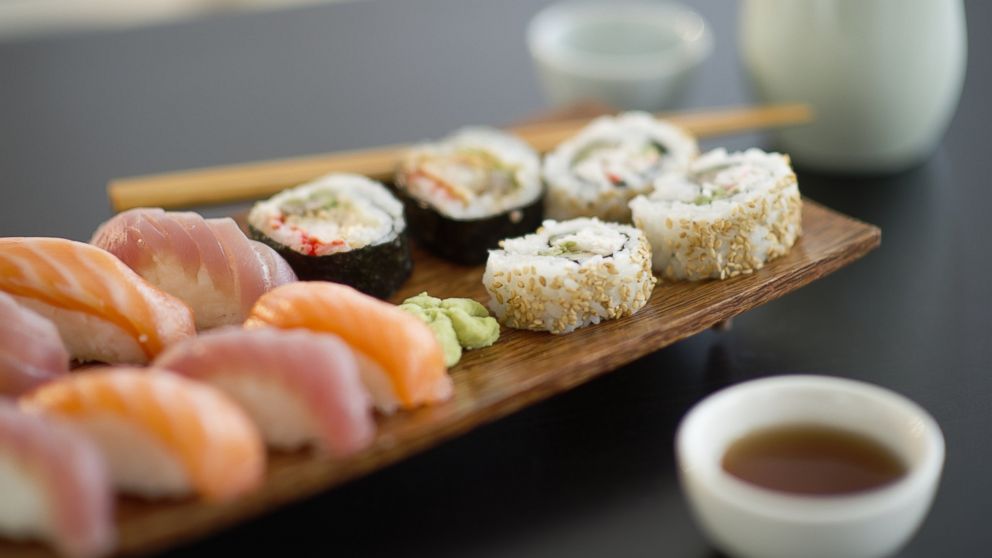
For those who remain cautious or simply wish for variety, there are many other pregnancy-safe sushi and seafood options:
- Cooked Sushi Rolls: Opt for rolls containing cooked shrimp tempura, cooked salmon, chicken, or thoroughly cooked eel (unagi).
- Vegetable Rolls: Avocado rolls, cucumber rolls, asparagus rolls, or sweet potato rolls are excellent, nutritious, and completely safe choices.
- Sashimi of Cooked Fish: If available, fully cooked salmon or shrimp sashimi can be a delicious option.
- Baked or Grilled Fish: Incorporate a variety of low-mercury, cooked fish into your diet, such as salmon, cod, tilapia, and shrimp, to benefit from essential omega-3s and protein.
Pregnancy is a journey of nourishment, and enjoying a balanced, varied diet is paramount. While some culinary adventures might need to be put on hold, many others, including the delight of a well-chosen California roll, can still be savored. By understanding your food, making informed choices, and prioritizing hygiene, you can confidently navigate your culinary desires throughout your pregnancy, whether at home or exploring the diverse foodscapes of the world.
LifeOutOfTheBox is a participant in the Amazon Services LLC Associates Program, an affiliate advertising program designed to provide a means for sites to earn advertising fees by advertising and linking to Amazon.com. Amazon, the Amazon logo, AmazonSupply, and the AmazonSupply logo are trademarks of Amazon.com, Inc. or its affiliates. As an Amazon Associate we earn affiliate commissions from qualifying purchases.