
The morning of April 15, 2013, was a day of celebration, athleticism, and community spirit in the historic city of Boston. Thousands of runners, supported by enthusiastic spectators, converged on the iconic finish line of the Boston Marathon on Boylston Street. This annual event, a testament to human endurance and a vibrant symbol of the city’s enduring culture, drew participants and visitors from across the globe, eager to experience one of the world’s most prestigious road races. However, this joyous occasion was tragically interrupted by a heinous act of terrorism, forever altering the lives of countless individuals and challenging the very core of Boston and the United States.
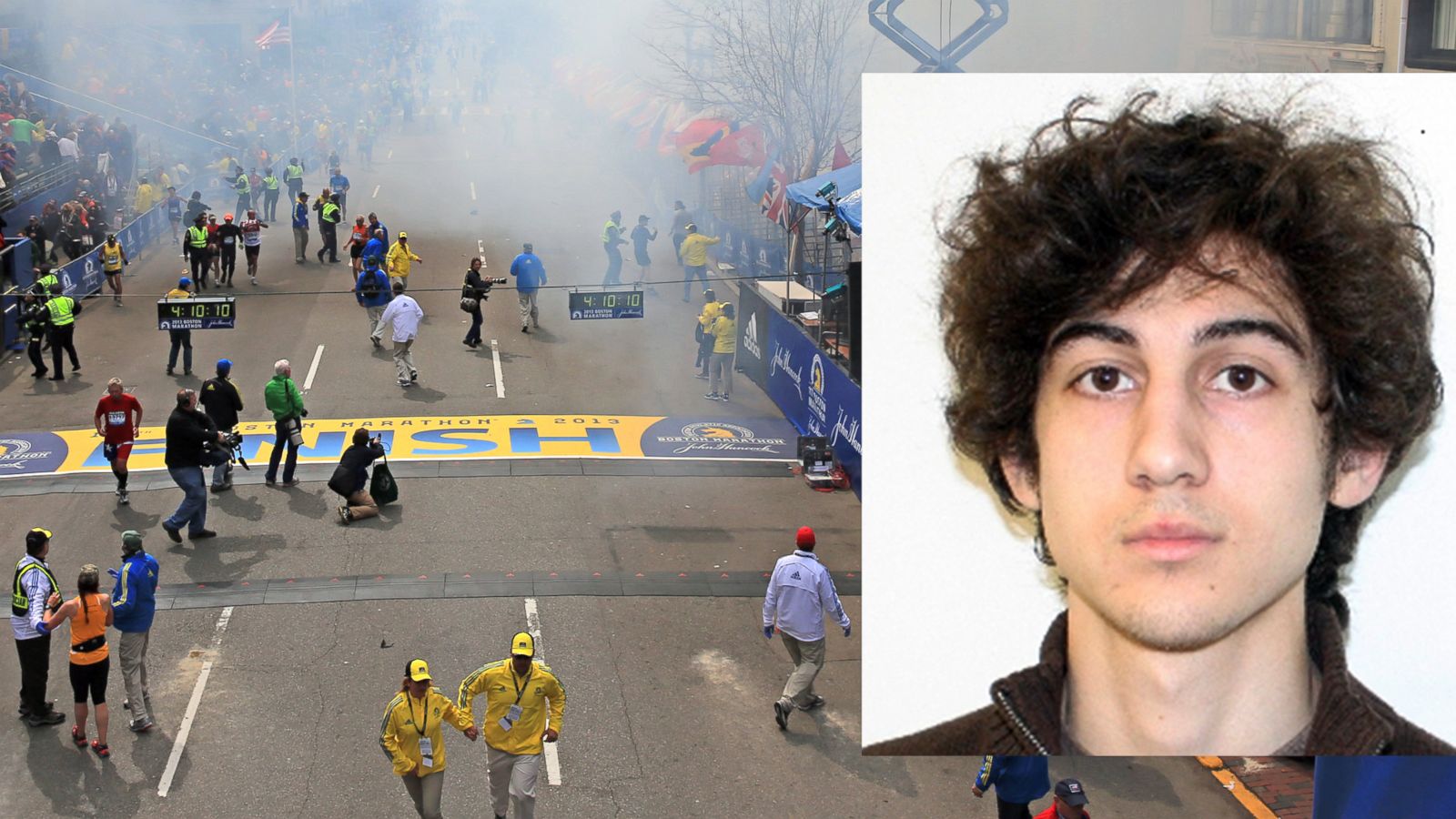
At approximately 2:49 PM, two homemade pressure-cooker bombs detonated near the finish line, just 210 yards apart. The explosions ripped through the crowd, instantly transforming a scene of triumph into one of chaos, fear, and unimaginable suffering. Three people were killed, including an 8-year-old boy, and hundreds more were injured, many sustaining life-altering wounds. The entire world watched in horror as news outlets broadcast images of the devastation, raising urgent questions about who was responsible and what would happen next. This article delves into the grim aftermath, the relentless pursuit of justice, and the ultimate fate of the perpetrators, while also reflecting on how a vibrant city known for its rich history and welcoming atmosphere grappled with an act of terror.
A City United: The Aftermath and Investigation
The immediate aftermath of the Boston Marathon bombings saw an outpouring of courage, compassion, and resilience from both first responders and ordinary citizens. In the blink of an eye, Boylston Street, typically bustling with spectators and businesses, became a chaotic scene where emergency personnel worked tirelessly amidst the debris. The quick actions of medics, volunteers, and fellow runners saved countless lives, showcasing the indomitable spirit that would become the hallmark of the “Boston Strong” movement.
The Immediate Impact on Boston
The explosions had a profound and immediate impact on Boston, a city renowned for its historical landmarks, academic institutions, and thriving tourism sector. Within hours, large sections of the city center were shut down, transforming once-vibrant public spaces into active crime scenes. Hotels in the Copley Square area, which typically buzz with visitors staying for the marathon or exploring nearby attractions, became temporary triage centers or were placed under lockdown. Travel within and into Boston was severely restricted, impacting both local commuters and tourists whose plans were abruptly halted. The renowned public transportation system, the MBTA, suspended services in several key areas, causing widespread disruption.
For a city that prides itself on welcoming visitors from all corners of the globe for events like the marathon, the closure of public areas and the palpable sense of unease were stark reminders of the vulnerability inherent in modern society. Restaurants, shops, and cultural institutions in the affected zones, vital components of Boston’s lively urban lifestyle, temporarily ceased operations. Yet, amidst the fear, there was an unmistakable sense of solidarity. Local residents opened their homes to stranded runners, hotels offered shelter, and the city’s medical facilities rose to an unprecedented challenge, treating hundreds of severely wounded individuals with remarkable efficiency and dedication. The world watched, not only in horror at the act itself but in admiration of Boston’s immediate, collective response.
The Manhunt: From Cambridge to Watertown
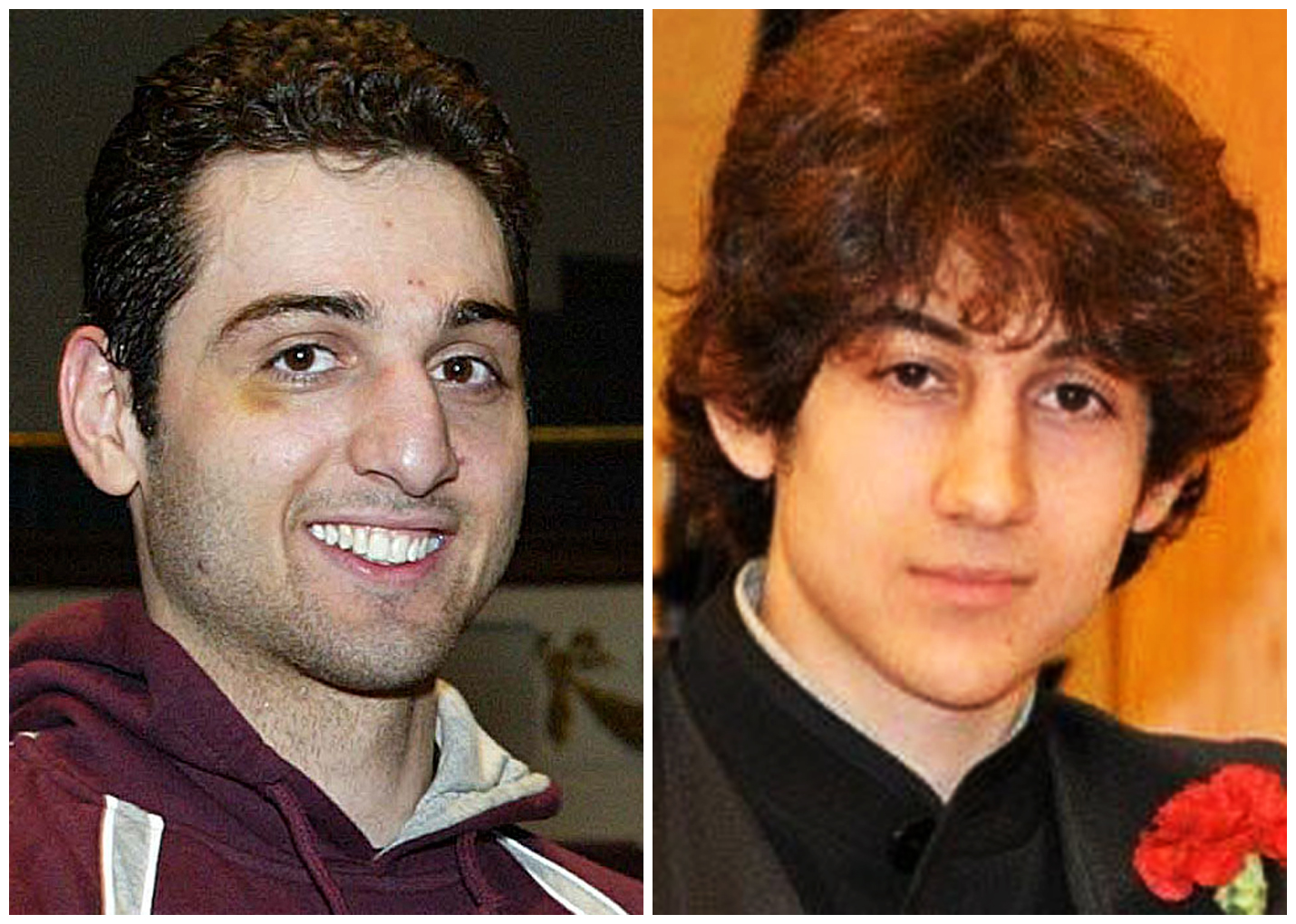
The investigation into the bombings began almost immediately, spearheaded by the Federal Bureau of Investigation (FBI) and supported by a myriad of local, state, and federal agencies. Using an extensive network of surveillance footage from cameras lining Boylston Street and surrounding areas, investigators painstakingly pieced together the moments leading up to the detonations. Within days, still images of two suspects emerged: two young men, later identified as brothers Tamerlan Tsarnaev and Dzhokhar Tsarnaev. These images, widely circulated, signaled the intensification of a manhunt that would grip the entire nation.
The pursuit of the bombers escalated dramatically on the evening of April 18, just three days after the attack. The brothers, seemingly aware that their identities had been compromised, initiated a series of violent acts across the Greater Boston area. Their rampage began in Cambridge, home to prestigious universities and a vibrant intellectual community, where they ambushed and murdered MIT police officer Sean Collier in his patrol car. This act of cold-blooded violence further fueled the urgency of the investigation.
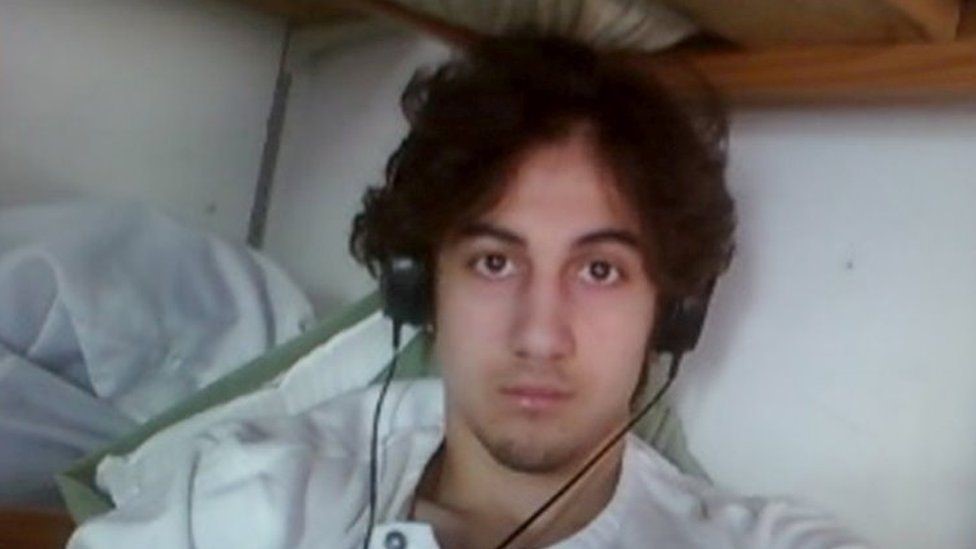
Following Collier’s murder, the Tsarnaev brothers carjacked a Mercedes-Benz SUV, taking its owner hostage. The hostage, whose bravery would later prove crucial, managed to escape at a gas station in Cambridge and immediately alerted authorities, providing critical information about the suspects and their vehicle. This tip led law enforcement to the quiet suburban town of Watertown, just a few miles west of Boston.
In the early hours of April 19, Watertown erupted into a scene of intense gunfire and explosions as the brothers engaged in a fierce shootout with police on Dunlap Street. The exchange involved pipe bombs and automatic weapons, turning the residential street into a war zone. During this chaotic confrontation, Tamerlan Tsarnaev was severely wounded and ultimately died, both from gunshot injuries and from being run over by his brother, Dzhokhar, as he attempted to escape. The younger brother, Dzhokhar, managed to flee the scene on foot, disappearing into the suburban landscape.
The pursuit of Dzhokhar Tsarnaev triggered an unprecedented lockdown of Boston and its surrounding communities. Public transportation was suspended, businesses were ordered closed, and residents in a wide area were instructed to “shelter in place.” This surreal experience transformed the bustling metropolis into a ghost town, a stark image that deeply impacted the daily lives and routines associated with the Massachusetts lifestyle. Homes typically filled with families preparing for weekend outings became fortresses, as the entire region held its breath, awaiting news of the fugitive.
The manhunt culminated later that evening when Dzhokhar Tsarnaev was discovered hiding in a boat stored in a backyard on Franklin Street in Watertown. A resident, venturing out after the “shelter in place” order was lifted, noticed something amiss with his boat cover and investigated, leading to the dramatic apprehension of the severely wounded suspect. The capture brought an end to five days of terror and uncertainty, allowing Boston and its residents to slowly begin the long process of healing.
The Fate of the Brothers: Justice and Consequences
With the capture of Dzhokhar Tsarnaev and the death of his elder brother, Tamerlan, the focus shifted from the intense manhunt to the intricate and lengthy process of legal justice. The world watched as the United States legal system prepared to hold the surviving bomber accountable for the horrific acts committed on that fateful Patriots’ Day.
Tamerlan Tsarnaev: A Swift End
Tamerlan Tsarnaev, the older brother and arguably the primary instigator of the bombings, met his end during the violent confrontation with law enforcement in Watertown on April 19, 2013. During the fierce shootout on Dunlap Street, Tamerlan was critically wounded by police gunfire. As officers attempted to apprehend him, his younger brother, Dzhokhar, drove a stolen SUV directly at the officers, running over Tamerlan in the process before making his escape.
Tamerlan Tsarnaev was pronounced dead shortly after being transported to Beth Israel Deaconess Medical Center. His death marked a tragic conclusion to his radicalized journey, which, according to later investigations, was influenced by extremist ideologies encountered during a trip to Russia and his family’s roots in Chechnya. The discovery of his body brought a partial sense of closure to the immediate crisis, but the legal battle for full justice for the victims and the community was just beginning with the capture of his brother.
Dzhokhar Tsarnaev: Capture, Trial, and Life on Death Row
Dzhokhar Tsarnaev, found bleeding and wounded in the boat in Watertown, was immediately taken into custody and transported to a hospital for treatment. His capture marked the end of the public safety emergency, allowing Boston to collectively breathe a sigh of relief. However, his legal journey was just commencing, a process that would unfold over several years, keeping the memory of the bombings painfully alive for the victims and their families.
In July 2013, a federal grand jury indicted Dzhokhar Tsarnaev on 30 charges, including conspiracy to use a weapon of mass destruction and the bombing of a public place. Many of these charges carried the possibility of the death penalty. His trial, held at the United States District Court for the District of Massachusetts in Boston, began in January 2015 and lasted several months. Presided over by Judge George O’Toole Jr., the trial was a harrowing recount of the events of April 15, 2013, and the subsequent manhunt. Prosecutors presented overwhelming evidence, including surveillance footage, forensic analysis, and chilling testimony from survivors and investigators. They argued that Dzhokhar was a willing and active participant, motivated by radical Islamist ideology. His defense team, while acknowledging his involvement, attempted to portray him as a subservient follower under the sway of his older, more radicalized brother, Tamerlan.
On April 8, 2015, after eleven hours of deliberation, the jury found Dzhokhar Tsarnaev guilty on all 30 counts. The second phase of the trial, the penalty phase, then commenced to determine whether he would receive life imprisonment or the death penalty. Emotional testimony from victims and their families painted a devastating picture of the bombings’ impact. On May 15, 2015, the jury recommended a sentence of death by lethal injection for six of the charges related to the deaths of Martin Richard, Krystle Campbell, Lingzi Lu, and Sean Collier.
On June 24, 2015, Judge O’Toole Jr. formally sentenced Dzhokhar Tsarnaev to death, telling him, “What you did to these people is a monstrous act.” Tsarnaev was subsequently transferred to ADX Florence, a supermax prison in Colorado known for housing the nation’s most dangerous inmates, where he remains on death row.
The legal saga, however, did not end there. Tsarnaev’s attorneys immediately began the appeals process. In July 2020, the First Circuit Court of Appeals in Boston overturned his death sentence, citing concerns about juror impartiality and the exclusion of evidence that might have supported the defense’s argument about Tamerlan’s alleged influence. This decision sparked outrage among victims’ families and a vow from the Justice Department to appeal.
In March 2022, the Supreme Court of the United States in Washington D.C. ultimately reversed the First Circuit’s decision, reinstating Dzhokhar Tsarnaev’s death sentence. The nation’s highest court found that the trial judge had acted properly in his selection of jurors and the evidence presented. This ruling effectively affirmed that Dzhokhar Tsarnaev would remain on federal death row. While he continues to exhaust his remaining appeals, his fate appears sealed: he is sentenced to death for his role in the Boston Marathon bombings.
Remembering the Victims and Honoring Resilience
While the legal proceedings against the Tsarnaev brothers provided a path to justice, the enduring legacy of the Boston Marathon bombings extends far beyond the courtroom. It lies in the memory of those lost, the lives forever changed, and the unwavering resilience of a city and its people.
Memorials and the Spirit of Boston Strong
In the years following the tragedy, Boston has transformed sites of devastation into places of reflection and remembrance. Permanent memorials now stand on Boylston Street, near the finish line, honoring the victims of the attack: Martin Richard, Krystle Campbell, and Lingzi Lu. These serene tributes, designed to evoke peace and resilience, have become significant landmarks for visitors and locals alike, drawing individuals who come to pay their respects, reflect on the tragedy, and witness the city’s remarkable recovery. The memorials feature granite markers and bronze elements that symbolize strength and memory, standing as poignant reminders of the pain inflicted but also of the community’s refusal to be defined by terror.
The spirit of “Boston Strong” has become more than just a slogan; it’s a testament to the city’s enduring identity and lifestyle. It represents the collective resolve to overcome adversity, to rebuild, and to continue fostering a vibrant, open, and welcoming community. Each year, the Boston Marathon itself serves as a powerful symbol of this resilience. Thousands of runners, many participating to honor victims or support charities, cross the same finish line, demonstrating that while the city remembers its pain, it moves forward with hope and determination. The event, far from being diminished, has become even more meaningful, attracting tourists and participants who wish to be part of this powerful display of human spirit. It’s a powerful example of how a city can reclaim its narrative and strengthen its communal bonds in the face of unspeakable horror. Many travel to Boston not only for its historical appeal but also to witness the living embodiment of this strength.
The Ongoing Impact on Security and Travel
The Boston Marathon bombings also had far-reaching implications for security at large public gatherings and for the broader travel and tourism industry. The tragedy highlighted vulnerabilities in how open-air events are protected, leading to significant enhancements in security protocols worldwide. Event organizers now routinely implement more stringent bag checks, increased law enforcement presence, drone surveillance, and improved crowd management techniques. For travelers, this often means longer wait times, more thorough screenings, and a heightened awareness of surroundings at major events, whether attending a concert, a sports game, or a cultural festival.
The attacks prompted a global re-evaluation of security measures at “soft targets” — easily accessible public spaces that are difficult to fully secure. While these changes can sometimes impact the ease and spontaneity of travel, they are widely accepted as necessary adaptations to the contemporary security landscape. For those planning a trip, particularly to major cities or events, understanding these evolving security measures has become an integral part of modern travel planning. Boston itself has led the way in implementing robust yet discreet security, ensuring that while the city remains vigilant, it also continues to offer the rich cultural, historical, and recreational experiences that make it a premier destination. The balance between freedom and security continues to be a crucial aspect of urban living and tourism in a post-2013 world.
The fate of the Boston bombers, with Tamerlan Tsarnaev deceased and Dzhokhar Tsarnaev on death row, brings a sense of finality to a dark chapter in the city’s history. Yet, their actions ultimately failed to break the spirit of Boston. Instead, the city emerged stronger, more united, and more determined than ever to celebrate life, community, and the enduring power of human resilience. The marathon continues to thrive, the memorials stand as beacons of remembrance, and Boston remains a vibrant, welcoming destination, its legacy now intertwined with an unforgettable story of triumph over terror.
LifeOutOfTheBox is a participant in the Amazon Services LLC Associates Program, an affiliate advertising program designed to provide a means for sites to earn advertising fees by advertising and linking to Amazon.com. Amazon, the Amazon logo, AmazonSupply, and the AmazonSupply logo are trademarks of Amazon.com, Inc. or its affiliates. As an Amazon Associate we earn affiliate commissions from qualifying purchases.