
For many prospective travelers, the allure of California is undeniable. From the sun-kissed beaches of Southern California to the majestic redwoods of the north, the Golden State offers an unparalleled diversity of landscapes, cultures, and experiences. Yet, amidst the dreams of Hollywood glamour, Silicon Valley innovation, and national park adventures, a persistent question often arises, tinged with curiosity and perhaps a hint of apprehension: Does California have earthquakes?
The unequivocal answer is yes, California does indeed have earthquakes. As one of the most seismically active regions in the world, tremors are a fundamental, albeit often subtle, aspect of life and travel within the state. Far from being a deterrent, understanding California’s dynamic geology and its robust approach to preparedness can enrich a traveler’s appreciation for this extraordinary destination. This article delves into the seismic realities of California, offering insights for travelers to navigate this natural phenomenon with confidence and knowledge, ensuring their visit remains focused on exploration and enjoyment.
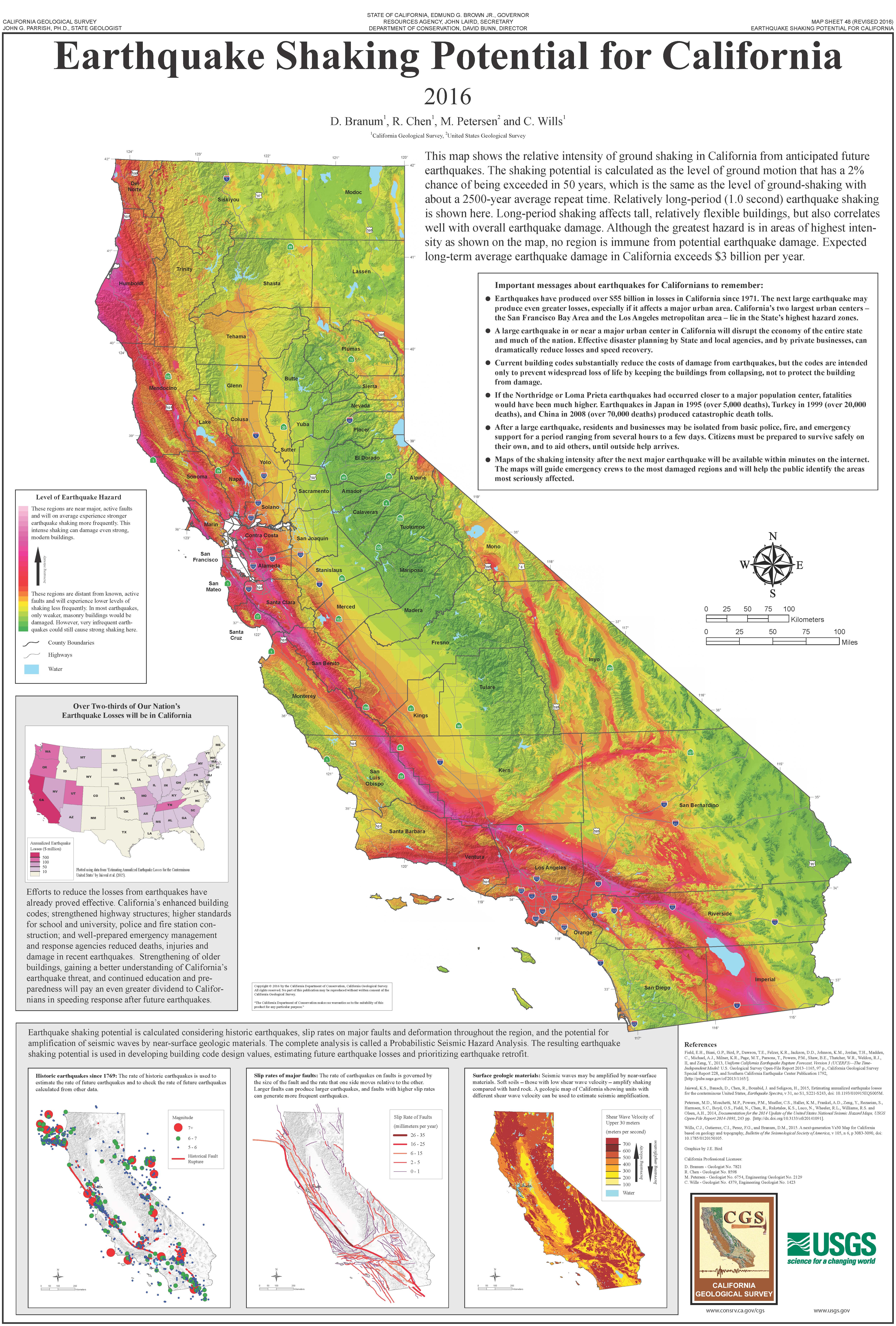
California’s Seismic Landscape: A Geological Overview
To truly comprehend why California experiences earthquakes, one must look beneath its stunning surface to the powerful geological forces at play. The state sits at a volatile intersection of tectonic plates, making it a hotspot for seismic activity.
The San Andreas Fault and Beyond: Understanding the Geology
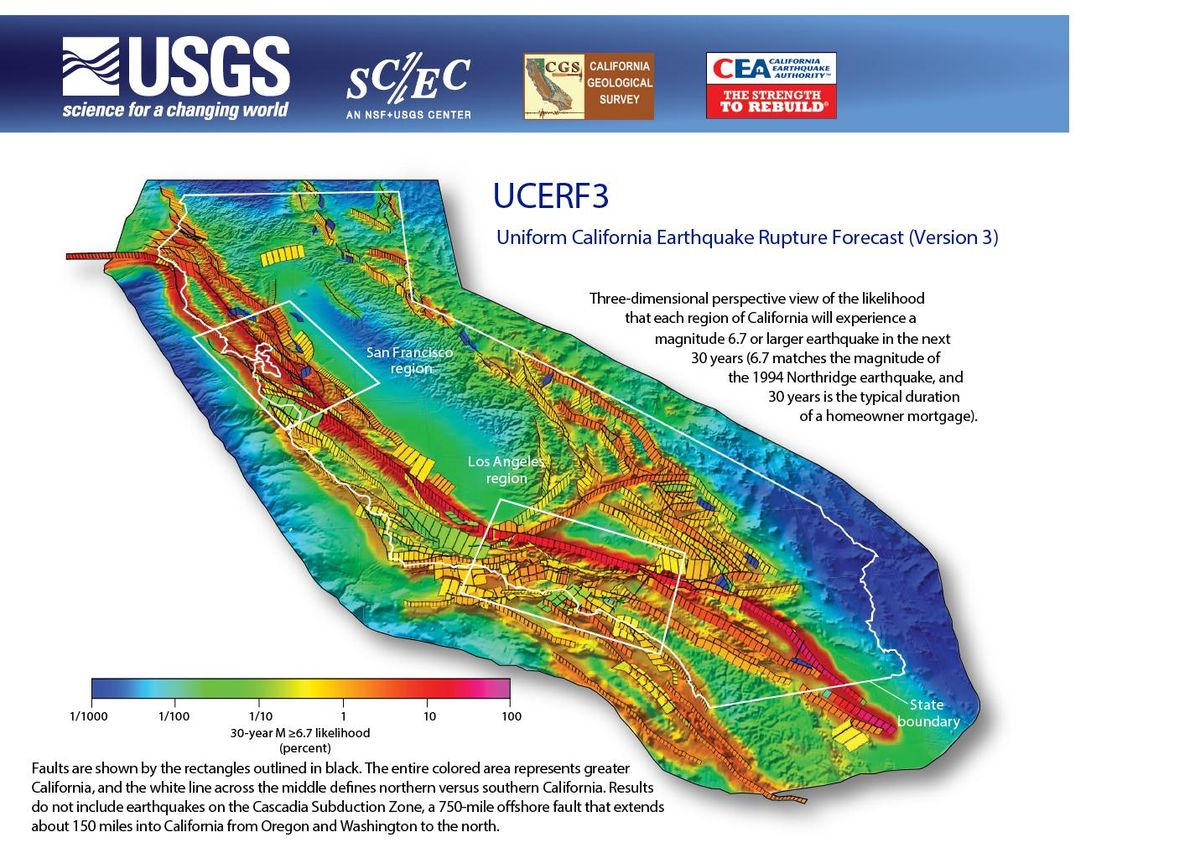
California’s seismic character is primarily defined by its position along the boundary between two colossal tectonic plates: the Pacific Plate and the North American Plate. Unlike many plate boundaries where plates collide or diverge, these two behemoths are engaged in a “strike-slip” motion, grinding past each other horizontally. The most famous manifestation of this interaction is the San Andreas Fault, a massive continental transform fault that stretches approximately 800 miles (1,300 kilometers) through California.
The San Andreas Fault isn’t a single, continuous crack but rather a complex system of interconnected faults. While the San Andreas is the superstar, numerous other significant faults crisscross the state, contributing to the seismic tapestry. These include the Hayward Fault in the San Francisco Bay Area, the Nacimiento Fault in the Salinas Valley, the San Jacinto Fault running through Southern California, and the Garlock Fault which trends east-west across the Mojave Desert. Each of these faults can store and release immense amounts of energy, leading to earthquakes of varying magnitudes.
The friction between these grinding plates causes stress to build up over time. When this stress exceeds the strength of the rocks, the plates suddenly slip, releasing energy in the form of seismic waves that we perceive as an earthquake. This dynamic geological process is why California is a key component of the larger Ring of Fire, a horseshoe-shaped belt around the Pacific Ocean known for its intense seismic and volcanic activity.
Frequency and Magnitude: What to Expect
Given this complex fault system, seismic activity in California is a constant. The state experiences thousands of earthquakes every year. However, the vast majority of these are imperceptible to humans, registered only by sensitive scientific instruments. These are typically very low magnitude tremors, often occurring deep underground or in sparsely populated areas.
More noticeable earthquakes, those strong enough to be felt by people, occur less frequently. These might cause minor rattling of objects or a gentle sway. Earthquakes of moderate magnitude (e.g., magnitude 4.0 to 5.0) are felt more widely and can sometimes cause very minor, localized damage, such as items falling from shelves. These happen several times a year across the state.
Major earthquakes (magnitude 6.0 and above), capable of causing significant damage, are relatively rare events. While they are an undeniable risk, the probability of a traveler experiencing a truly destructive earthquake during a typical visit to California is statistically quite low. The geological clock operates on timescales far grander than a vacation itinerary. The key takeaway for travelers is that while earthquakes are a daily occurrence, disruptive or dangerous events are infrequent.
The Impact on Travel and Daily Life in the Golden State
The prevalence of earthquakes has profoundly shaped California’s infrastructure, emergency services, and the everyday resilience of its residents. For travelers, understanding these adaptations can provide significant peace of mind.
Resilience and Preparedness: How California Adapts
California is arguably one of the most earthquake-prepared regions in the world. Decades of scientific research and practical experience have led to sophisticated strategies designed to mitigate risks and ensure public safety.
One of the most critical aspects of this preparedness is stringent building codes. Structures in California, particularly newer ones, are engineered to withstand significant seismic forces. Buildings are designed to flex and absorb energy, rather than topple, thereby protecting occupants even during strong shaking. This includes not only residential and commercial buildings but also critical infrastructure like bridges, highways, and utility systems. Regular retrofitting programs also aim to improve the seismic resistance of older buildings.
Beyond infrastructure, comprehensive emergency services are meticulously planned and regularly practiced. Local, state, and federal agencies coordinate closely to develop rapid response protocols, evacuation routes, and aid distribution networks. Public awareness campaigns, such as “Great California ShakeOut” drills, ensure that residents are educated on what to do before, during, and after an earthquake. This culture of preparedness extends to schools, businesses, and individual households, making it an integral part of life in the state.
Experiencing Earthquakes as a Visitor
For most travelers, the experience of an earthquake in California will likely be uneventful. Many visitors will never feel a tremor at all. Those who do might experience a brief, gentle sway, often described as similar to a large truck passing by or a sudden jolt. These minor events are common and typically cause no disruption or concern.
It’s important to differentiate between feeling a minor tremor and being in a situation of actual danger. The robust infrastructure and preparedness measures mean that even a moderate earthquake is unlikely to pose a significant threat to a well-constructed hotel or tourist attraction. The most significant risk in smaller quakes is often from falling objects, which is why safety advice emphasizes seeking cover.

The primary impact on a traveler might be the brief curiosity or surprise of feeling the ground move, rather than any genuine alarm. California locals often react with a shrug or a brief comment, a testament to the routine nature of minor seismic activity. Rest assured, the state is well-equipped to handle even significant seismic events, prioritizing the safety of both residents and visitors.
Staying Safe: Essential Tips for Travelers
While the probability of experiencing a significant earthquake as a traveler in California is low, being informed and prepared is always the best approach. Knowing what to do can turn potential anxiety into confident action.
Before You Arrive: Research and Awareness
A little pre-trip research can go a long way in enhancing your peace of mind. Familiarize yourself with basic earthquake safety principles. Many hotels and accommodation providers in California include earthquake safety information in their guest guides or in-room literature; take a moment to review it upon arrival.
Consider where emergency exits are located in your accommodation and identify sturdy pieces of furniture, like a desk or a bed, that could provide cover. If traveling with family, discuss a meeting point outside your room or building in case of an evacuation. Knowledge of these simple steps can make a significant difference. Most importantly, understand that while earthquakes are a natural phenomenon, the risks are actively managed.
During an Earthquake: Drop, Cover, and Hold On
The universal and most effective safety protocol during an earthquake is “Drop, Cover, and Hold On.”
- Drop: Immediately drop to your hands and knees. This position protects you from being thrown to the ground and allows you to crawl to shelter.
- Cover: Get under a sturdy table or desk. If no shelter is available, cover your head and neck with your arms. Stay away from windows, exterior walls, and anything that could fall, such as light fixtures or furniture.
- Hold On: Hold onto your shelter until the shaking stops. Be prepared to move with your shelter if it shifts.
If you are outdoors, move to an open area away from buildings, streetlights, and utility wires. If you are driving, pull over to a clear location, stop, and stay inside your vehicle with your seatbelt fastened until the shaking stops. Avoid stopping under bridges, overpasses, or near power lines.
After an Earthquake: Staying Informed and Calm
Once the shaking stops, take a moment to assess your situation.
- Check for injuries: Tend to yourself and those around you.
- Be prepared for aftershocks: These are smaller earthquakes that follow a main quake and can occur minutes, days, or even weeks later.
- Stay informed: Listen to a battery-operated radio, your cell phone (if service is available), or emergency alerts for official information and instructions. Do not use your phone unless it is an emergency to keep lines clear.
- Evacuate if necessary: If you are in a damaged building, evacuate calmly and carefully, following instructions from emergency personnel. Use stairs, not elevators.
- Check for hazards: Look for gas leaks (a rotten egg smell), downed power lines, or structural damage. Do not re-enter damaged buildings.
Remaining calm and following these guidelines can significantly enhance your safety and recovery efforts after an earthquake.
Beyond the Tremors: Why California Remains a Premier Travel Destination
Despite its seismic activity, California continues to captivate millions of travelers annually, and for good reason. The very geological forces that cause earthquakes are also responsible for much of the state’s breathtaking natural beauty and iconic landscapes.
Embracing the Dynamic Landscape
The dynamic geology of California has sculpted some of the most dramatic and diverse scenery on the planet. The uplifting and faulting of the Earth’s crust over millions of years have created the towering peaks of the Sierra Nevada mountain range, home to magnificent Yosemite National Park with its granite cliffs and cascading waterfalls. The dramatic coastal cliffs and winding roads of Big Sur are also products of these ongoing geological processes, where the land meets the Pacific Ocean in a spectacular fashion.
Even the fertile valleys, which yield bountiful agricultural produce and world-renowned wines, owe their existence to the geological history of the region. Understanding that the land itself is alive and constantly evolving can add an extra layer of wonder to your travels, allowing you to appreciate the raw power and beauty of nature.
A World of Attractions Awaits
Ultimately, the slight risk of experiencing an earthquake pales in comparison to the sheer abundance of experiences California offers. From the vibrant cultural hubs of Los Angeles and San Francisco to the serene deserts and ancient forests, the state is a microcosm of global attractions.
Travelers can explore theme parks, walk across the Golden Gate Bridge, sample wines in Napa Valley, hike through ancient redwood groves, surf the Pacific waves, or ski in the mountains – often all within a day’s drive. The state’s innovative spirit, diverse culinary scene, and welcoming communities ensure a memorable visit, far outweighing any geological anxieties. The infrastructure is robust, the people are prepared, and the natural beauty is unsurpassed.
In conclusion, yes, California does have earthquakes. They are an intrinsic part of its dynamic geology. However, the state’s unparalleled commitment to safety, preparedness, and resilient infrastructure means that travelers can explore its myriad wonders with confidence. By understanding the basics of earthquake safety, visitors can focus on creating unforgettable memories in one of the world’s most exciting and beautiful travel destinations.
LifeOutOfTheBox is a participant in the Amazon Services LLC Associates Program, an affiliate advertising program designed to provide a means for sites to earn advertising fees by advertising and linking to Amazon.com. Amazon, the Amazon logo, AmazonSupply, and the AmazonSupply logo are trademarks of Amazon.com, Inc. or its affiliates. As an Amazon Associate we earn affiliate commissions from qualifying purchases.