
The sky above the rugged landscapes of North America is home to some of the planet’s most magnificent aerial spectacles, but none quite command the presence of the California Condor. A living relic from the Pleistocene epoch, this colossal bird is not merely an avian species; it is a natural landmark, a symbol of perseverance, and a testament to the wild grandeur that still exists in our modern world. To encounter a California Condor in its natural habitat is to witness a piece of history soaring overhead, a creature whose very size and story inspire profound awe. This article delves into the impressive dimensions of these majestic birds, their remarkable journey from the brink of extinction, and their enduring significance as a living natural wonder.
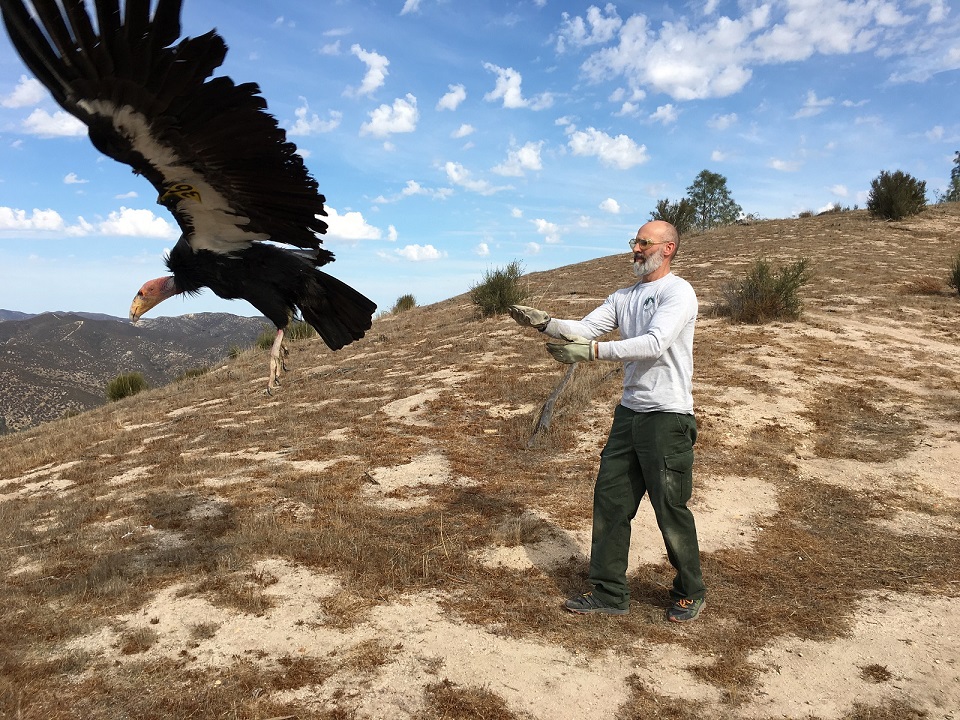
The Majestic Dimensions of a Natural Icon
When one asks, “How big are California Condors?”, the answer goes beyond mere statistics; it speaks to their commanding presence and the sheer scale of their existence. These birds are giants, not just in their family, but among all flying creatures on Earth.
Unveiling the Condor’s Stature
The California Condor (Gymnogyps californianus) holds the distinction of being the largest land bird in North America by wingspan. An adult condor can boast an awe-inspiring wingspan of up to 10 feet (3 meters), with some individuals even approaching 10.5 feet. To put this into perspective, imagine a small car stretching its length across the sky – that’s the approximate reach of a condor’s wings. Their body length typically ranges from 3.5 to 4.5 feet (1.1 to 1.4 meters), making them substantial in body size as well.
Weight-wise, these birds are surprisingly light for their dimensions, a necessary adaptation for flight. Adult condors usually weigh between 15 to 31 pounds (7 to 14 kilograms), with males generally being slightly larger than females. This weight distribution, combined with their vast wingspan, allows them to masterfully harness thermal currents, enabling them to soar effortlessly for hours without flapping their wings.
Compared to their closest relative, the Andean Condor, the California Condor is slightly larger in wingspan but generally lighter in weight, making the Andean Condor often cited as the heaviest raptor. However, the visual impact of a California Condor in flight is unparalleled within its range.
Beyond their sheer size, their physical features contribute to their unique and ancient appearance. They possess a distinctive bald head, which varies in color from dull gray to vibrant red and orange, especially during breeding season. This bare head is crucial for hygiene, preventing feathers from getting soiled while feeding on carrion. Their plumage is predominantly black, adorned with striking white triangles on the underside of their wings, visible during flight. Their powerful, hooked beak is perfectly adapted for tearing flesh, and their large feet, though not suitable for grasping prey, are strong enough to support their massive bodies.
Flight and Presence: A Sky-Soaring Landmark
Witnessing a California Condor in flight is an unforgettable experience, akin to watching a living glider navigate the vast expanse of the sky. Their enormous wings allow them to catch thermals – columns of rising warm air – and ascend to incredible heights, often reaching thousands of feet above the earth. They can glide for miles without a single wingbeat, showcasing an efficiency in flight that is truly mesmerizing. This effortless soaring, coupled with their immense size, imbues them with an almost prehistoric grandeur, making them appear like pterodactyls against the modern skyline.
As obligate scavengers, California Condors play a vital ecological role in their ecosystem. They are nature’s clean-up crew, consuming carcasses and preventing the spread of disease. Their keen eyesight allows them to spot carrion from great altitudes, and once they descend, their size enables them to deter smaller scavengers, ensuring they get their fill. Their presence, therefore, is not just a visual spectacle but also an indicator of a healthy, functioning ecosystem where natural processes are allowed to unfold.
A Legacy Forged in Resilience: The Condor’s Story
The story of the California Condor is one of dramatic decline and an equally dramatic, ongoing resurgence. It is a narrative that transforms them from mere birds into symbols of humanity’s capacity for conservation.
From the Brink of Extinction
The 20th century saw a devastating decline in the California Condor population. Factors such as lead poisoning from ammunition fragments in carcasses, habitat loss, poaching, and DDT contamination pushed these magnificent birds to the very edge of oblivion. By the early 1980s, their numbers dwindled to a terrifying low of just 22 individuals worldwide. The prospect of losing such an iconic creature, a natural landmark of the American West, spurred an unprecedented and highly controversial conservation effort: a last-ditch attempt to capture all remaining wild condors for a captive breeding program.
This decision was met with mixed reactions, as some feared that removing the birds from the wild would doom them, while others saw it as their only hope. Ultimately, the decision proved prescient. The urgency was palpable; the potential loss of a species that had roamed the skies for millennia was a stark reminder of the delicate balance of nature.
The Road to Recovery: A Conservation Triumph

The captive breeding program, spearheaded by institutions like the San Diego Zoo Safari Park and the Los Angeles Zoo, proved to be remarkably successful. Through meticulous care, scientific advancements, and dedicated personnel, the population slowly began to grow. Once there were sufficient numbers, the next critical phase began: reintroduction into the wild.
Beginning in the 1990s, young condors were released into carefully selected habitats. Key reintroduction sites included the Grand Canyon National Park in Arizona, Pinnacles National Park in California, and the rugged coastal areas of Big Sur, California. These efforts have been painstaking, requiring constant monitoring, supplementary feeding, and ongoing mitigation of threats like lead poisoning, which remains a significant challenge.
Today, the global California Condor population numbers over 500 individuals, with more than half flying free in the wild across various release zones. This remarkable recovery stands as one of the most compelling conservation success stories in history. The condor is no longer just an animal; it is a living landmark, a symbol of hope and the triumph of dedicated conservation efforts, demonstrating that even species on the verge of extinction can be brought back through human intervention and commitment.
Where to Witness These Living Landmarks
For many nature enthusiasts and travelers, the opportunity to see a California Condor in the wild is a bucket-list experience. Its status as a rare and magnificent creature, combined with its dramatic comeback, makes it a true natural attraction.
Prime Viewing Locations in California
The state of California is, predictably, one of the best places to witness these impressive birds.
- Big Sur Coast: The dramatic cliffs and canyons of the Big Sur coast offer some of the most spectacular condor viewing opportunities. Specific areas like Julia Pfeiffer Burns State Park or Pfeiffer Big Sur State Park are known for condor sightings. These majestic birds often ride the updrafts along the coastal mountains, making them visible from various overlooks along Highway 1. The Ventana Wildlife Society operates a condor sanctuary and conducts tours, providing an even deeper insight into their conservation.
- Pinnacles National Park: Located east of the Salinas Valley, Pinnacles National Park is another stronghold for California Condors. The park’s rugged rock formations and thermal currents provide an ideal habitat. Hikers often report sightings, especially along trails leading to higher elevations. The park actively participates in the condor reintroduction program, making it a critical site for observing these birds.
- Los Padres National Forest: The vast wilderness areas within the Los Padres National Forest, particularly the Sespe Condor Sanctuary, are crucial habitats. While the sanctuary itself is generally restricted to protect the birds, condors range widely, and sightings are possible in surrounding public lands, especially on the fringes of the Ventana Wilderness.
Beyond the Golden State: Other Habitats
While California is central to their story, condors have been successfully reintroduced to other stunning natural landmarks.
- Grand Canyon National Park in Arizona: The iconic Grand Canyon offers a breathtaking backdrop for condor sightings. These birds frequently soar above the canyon’s rims and navigate its immense expanse. Popular viewing spots include Mather Point, Desert View Watchtower, and along Hermit Road. The condors here are part of a thriving population managed by the Peregrine Fund.
- Utah: Condors released in the Arizona flock often venture north into Southern Utah, particularly near Zion National Park and the Vermilion Cliffs National Monument. Their majestic presence complements the dramatic red rock formations of the region.
- Baja California, Mexico: An international effort has also led to the reintroduction of condors in the Sierra de San Pedro Mártir mountains in Baja California, Mexico. While less accessible for casual viewing, this represents a crucial expansion of their historical range.
Ethical Wildlife Viewing
When seeking to observe these magnificent natural landmarks, it is paramount to practice ethical wildlife viewing. Maintain a respectful distance to avoid disturbing the birds, ideally using binoculars or a spotting scope. Never attempt to feed condors or leave food accessible to them, as this can habituate them to humans and lead to dangerous behaviors. Supporting conservation organizations dedicated to condor protection also plays a vital role in ensuring their continued survival and allowing future generations to witness their awe-inspiring presence.
The Condor’s Role as a Natural Landmark and Ecological Barometer
The California Condor’s immense size is only one facet of its significance. Its very existence, particularly its journey back from near annihilation, elevates it to the status of a profound natural landmark.
Beyond Mere Size: Ecological Significance
As mentioned, condors are essential scavengers, performing a vital ecosystem service by consuming carrion and preventing the spread of disease. Their large size allows them to quickly process large carcasses, outcompeting smaller scavengers and ensuring efficient nutrient cycling. Their presence in an ecosystem is often seen as a sign of environmental health. These long-lived birds, with lifespans up to 60 years, represent an unbroken link to ancient ecosystems. They are sensitive to environmental toxins, making them “canaries in the coal mine” for broader ecological issues, particularly lead contamination. Their return signifies a healing process for the landscapes they inhabit.
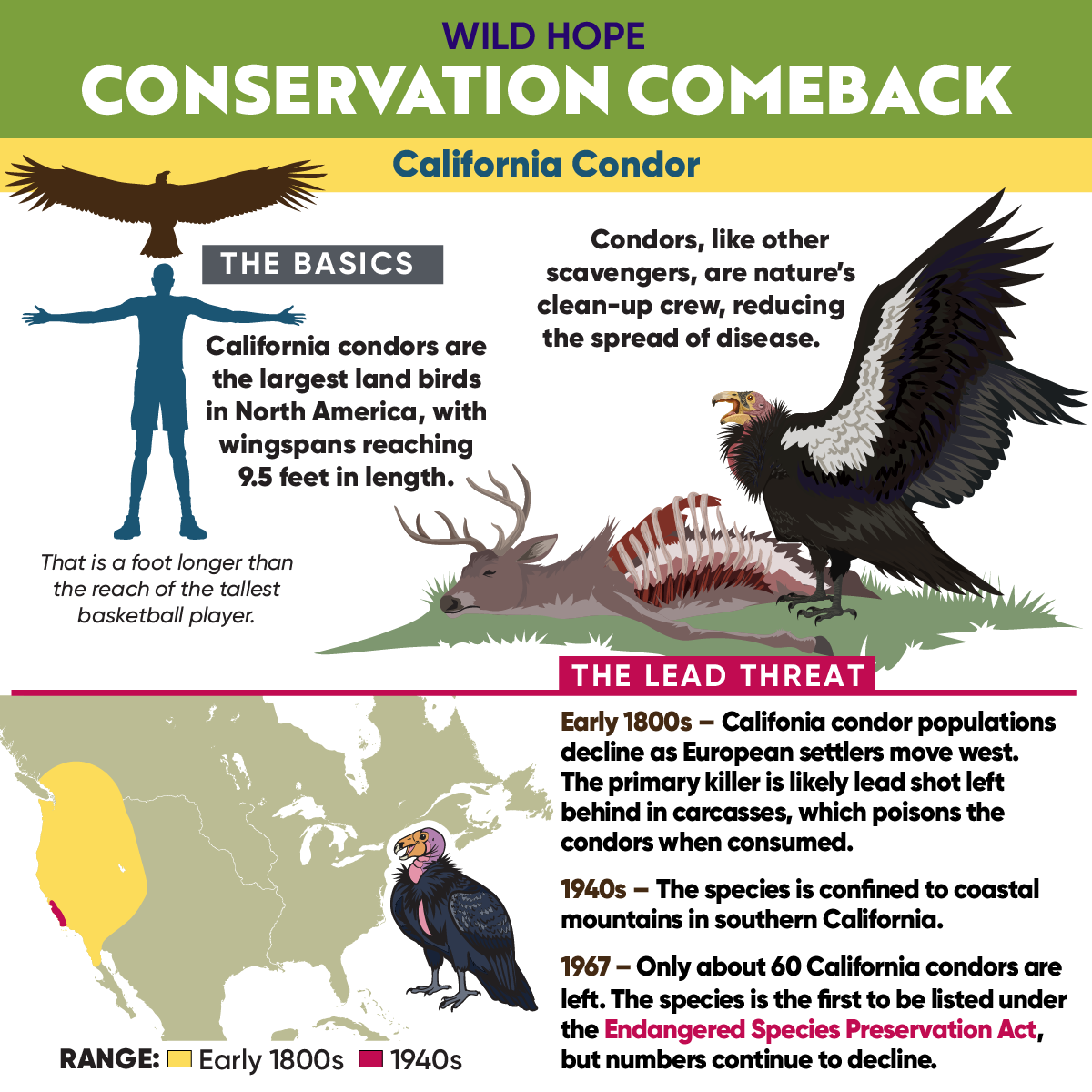
Inspiring Awe and Conservation
More than just an ecological linchpin, the California Condor inspires a unique blend of awe and responsibility. Its sheer scale, graceful flight, and remarkable history make it an unforgettable encounter. For many, seeing a condor is a profound connection to the wild heart of North America, a reminder of what was almost lost and what can be regained through concerted conservation efforts. Their iconic status reinforces the importance of protecting vast, undisturbed natural spaces – the very landmarks that support such magnificent creatures. Their story serves as a powerful testament to the value of every species and the interconnectedness of all life.
In conclusion, the question “How big are California Condors?” invites an exploration not only of their impressive physical dimensions – a wingspan stretching up to 10 feet, a body length approaching 4.5 feet, and a weight of up to 31 pounds – but also of their monumental significance as a living natural landmark. From their majestic soaring presence to their dramatic return from the brink of extinction, these magnificent birds embody the wild spirit of North America. They are a testament to successful conservation, a vital component of healthy ecosystems, and an enduring symbol of the breathtaking beauty that remains when we commit to preserving our planet’s most extraordinary natural treasures. To behold a California Condor is to witness a grand narrative of resilience, soaring majestically across the sky.
LifeOutOfTheBox is a participant in the Amazon Services LLC Associates Program, an affiliate advertising program designed to provide a means for sites to earn advertising fees by advertising and linking to Amazon.com. Amazon, the Amazon logo, AmazonSupply, and the AmazonSupply logo are trademarks of Amazon.com, Inc. or its affiliates. As an Amazon Associate we earn affiliate commissions from qualifying purchases.