
California conjures images of endless sunshine, pristine beaches, innovative tech hubs, and the glitz of Hollywood. It’s a dream destination for many, a land of opportunity and unparalleled natural beauty. Yet, it also holds the notorious reputation as one of the most expensive places to live in the United States. Housing costs routinely soar past national averages, and the general cost of living—from groceries to gasoline—can be daunting. This often leads to a perplexing question: how do people not just survive, but thrive, in the Golden State? The answer lies not in a single magic formula, but in a complex interplay of strategic financial planning, astute lifestyle choices, and an unwavering commitment to the unique opportunities and quality of life that California offers. Affording life here is less about wealth and more about a carefully curated lifestyle designed to maximize income and minimize expenditure, often demanding significant trade-offs but promising substantial rewards for those who master its economic landscape.

Navigating California’s High Cost of Living
The foundational challenge of living in California is its elevated cost of living, which permeates almost every aspect of daily existence. Understanding the drivers behind this expense is the first step in formulating a viable lifestyle strategy. It’s not simply a matter of high prices; it’s a reflection of desirability, limited resources, and robust economic activity.
Understanding the Price Tag
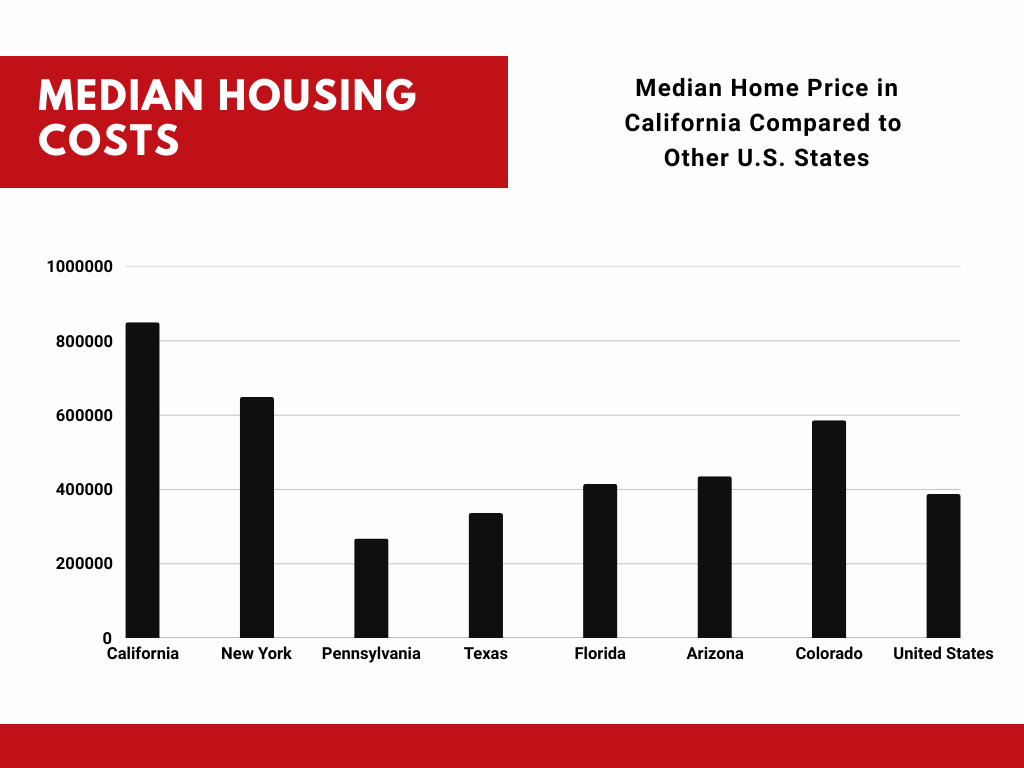
The most significant contributor to California’s high cost of living is undoubtedly housing. Metropolitan areas like San Francisco, Los Angeles, and San Diego consistently rank among the least affordable housing markets globally. The demand for housing far outstrips supply, driven by population growth, limited developable land, and stringent environmental regulations. This scarcity inflates both rental rates and home prices to levels that can seem astronomical to those outside the state. Beyond housing, residents face higher state income taxes, significant energy costs, and a premium on many consumer goods and services due to higher labor costs and logistical challenges within the state. The infrastructure, while extensive, also requires considerable investment, translating into various fees and taxes. This collective price tag means that a comfortable lifestyle in California demands a significantly higher income than in most other states, compelling individuals and families to rethink traditional budgeting and financial planning.
Income and Industry Dynamics
Despite the high costs, California is also a powerhouse of economic activity, home to some of the world’s most innovative and high-paying industries. The tech sector in Silicon Valley, centered around cities like San Jose and Palo Alto, offers unparalleled salaries for engineers, software developers, and product managers. Similarly, the entertainment industry in Los Angeles provides lucrative opportunities for professionals in film, television, and digital media. Biotechnology in San Diego and the bustling agricultural sector in the Central Valley also contribute to a diverse economic landscape that generates substantial wealth. These industries attract top talent from around the globe, creating a competitive environment where high skill sets command commensurately high wages. For many, the ability to afford life in California hinges on securing employment in these high-growth, high-wage sectors, where incomes are structured to offset the elevated cost of living. Without access to these specialized career pathways, the financial challenge becomes significantly more pronounced, often requiring creative approaches to income generation and expenditure management.
Strategic Lifestyle Choices for Affordability
Affording life in California isn’t solely about earning a high income; it’s equally about making shrewd lifestyle decisions that stretch every dollar. These choices often involve balancing proximity to work with housing costs, optimizing living arrangements, and embracing a more frugal approach to daily expenses. For many, it’s about redefining what a “comfortable” life looks like within the state’s economic realities.
Geographic Arbitrage and Commuting
One of the most common strategies for managing housing costs is geographic arbitrage—choosing to live in a more affordable area while working in a high-wage metropolitan hub. This often means embracing a longer commute. For instance, individuals working in San Francisco might reside in less expensive cities in the East Bay or North Bay, such as Oakland, Vallejo, or even further afield in Sacramento. Similarly, those employed in Los Angeles often find homes in the Inland Empire cities like Riverside or San Bernardino, or venture north to the Santa Clarita Valley. While these commutes can be lengthy and time-consuming, they offer significant savings on housing, sometimes reducing monthly expenses by thousands of dollars. The trade-off is a lifestyle that involves more time on the road or public transport, but for many, the financial relief makes it a worthwhile compromise, allowing them to remain connected to the state’s economic engines without succumbing to exorbitant central city rents. The rise of hybrid and remote work models has further empowered this trend, enabling some to live even further from traditional job centers.
Housing Hacks and Alternatives
Beyond geographic relocation, many California residents employ creative housing solutions. Shared living arrangements are incredibly common, especially for younger professionals and students. Renting a room in a multi-bedroom house or apartment significantly cuts down individual housing costs compared to renting a studio or one-bedroom unit independently. Websites and social networks are rife with listings for roommates, a testament to the prevalence of this strategy. Furthermore, the push for denser housing has led to an increase in smaller living spaces. Micro-apartments and compact units are becoming more available in urban centers, offering a lower price point in exchange for less square footage. The development of Accessory Dwelling Units (ADUs), often built in backyards of existing properties, has also provided more affordable rental options. These units, sometimes referred to as “granny flats,” offer independent living at a fraction of the cost of a traditional apartment. For those who choose to buy, older homes requiring renovation or properties further from desirable amenities often present a more attainable entry point into the market, albeit with the understanding of future investment and a potentially different immediate lifestyle.
Budgeting and Frugal Living
To truly make ends meet, a disciplined approach to budgeting and a commitment to frugal living are paramount. This involves a meticulous tracking of expenses and a conscious effort to minimize discretionary spending. Dining out, a popular pastime, is often scaled back in favor of cooking at home, utilizing farmers’ markets for fresh, affordable produce. Entertainment frequently shifts to free or low-cost activities that leverage California’s natural advantages, such as hiking in California State Parks, spending time at the beach, or exploring numerous free cultural events. Public transportation is utilized where available to reduce fuel and parking costs, particularly in dense urban areas. Many residents become experts at finding deals, using loyalty programs, and prioritizing needs over wants. The “California dream” often involves enjoying the state’s natural beauty and outdoor lifestyle, which can be surprisingly affordable, rather than indulging in high-cost consumerism. This intentional shift in lifestyle allows residents to allocate more of their income towards the unavoidable higher costs of housing, taxes, and essentials.

Income Generation and Career Pathways
The high cost of living in California inevitably puts immense pressure on income. To afford a comfortable lifestyle, many residents actively pursue high-paying professions, explore multiple income streams, or leverage the state’s dynamic economy for entrepreneurial ventures. It’s a landscape where ambition and innovation are often rewarded with the financial capacity to meet the demands of residency.
High-Paying Professions
As noted, California is home to several industries that command exceptional salaries. Working in these high-paying professions is arguably the most direct path to affording life in the state. Tech roles, particularly in software engineering, data science, and AI development, offer some of the highest compensation packages globally, often including significant stock options. Healthcare professionals, especially specialists in high-demand fields, also find lucrative opportunities across the state’s extensive medical infrastructure. Legal and financial services in major cities provide substantial incomes for experienced professionals. The entertainment industry, while highly competitive, offers star-level compensation for successful actors, directors, producers, and executives. Education, particularly at the university level, and specialized trades in booming construction sectors can also provide strong financial stability. For those aspiring to move to or remain in California, investing in education and skill development that aligns with these in-demand sectors is a critical long-term strategy. This focus on acquiring valuable, specialized skills allows individuals to compete for the roles that can genuinely support a California lifestyle.
Multiple Income Streams
Beyond a primary high-paying job, many Californians supplement their income through side hustles, freelance work, and participation in the gig economy. The entrepreneurial spirit is strong, and the diverse economy provides ample opportunities for additional earnings. This might involve working as a consultant in one’s field, driving for ridesharing services, delivering food, freelancing creative services like graphic design or writing, or even monetizing hobbies. The prevalence of remote work has also been a game-changer, allowing individuals to earn a California-level salary while potentially residing in a more affordable part of the state, or even neighboring states, without the daily commute. This flexibility provides a powerful tool for geographic arbitrage and financial stability. Developing multiple income streams builds a financial buffer, offers greater security, and contributes significantly to the overall ability to manage high living costs, turning what might be a tight budget into a more comfortable one.
Entrepreneurship and Innovation
California, particularly Silicon Valley and Los Angeles, is a global hub for entrepreneurship and innovation. The state fosters an environment where startups flourish, and self-employment is a highly respected career path. Many residents afford to live in California by starting their own businesses, whether it’s a tech startup, a boutique creative agency, a specialized service, or a unique retail concept. While fraught with risk, successful entrepreneurship can yield immense financial rewards, often surpassing traditional employment salaries. The state’s vast network of venture capital, accelerators, and incubators provides crucial support for budding entrepreneurs. This culture encourages individuals to take risks, innovate, and create their own financial destiny, making it a viable, albeit challenging, pathway to achieving financial stability and even wealth within California’s demanding economic landscape. The access to talent, capital, and a market keen on new ideas makes the state an unparalleled launchpad for those with an entrepreneurial drive.
The Value Proposition: Why People Stay
Despite the undeniable financial hurdles, millions choose to make California their home. This enduring appeal speaks to a powerful value proposition that transcends monetary considerations. For many, the unique combination of lifestyle, opportunity, and environment makes the financial stretch not just bearable, but entirely worthwhile.
Quality of Life and Environment
The most immediate allure of California is its unparalleled quality of life, heavily influenced by its diverse and stunning natural environment. From the sunny beaches of San Diego to the majestic peaks of the Sierra Nevada and the ancient forests of the north, the state offers an incredible array of landscapes. Residents have year-round access to outdoor activities: surfing, hiking in iconic places like Yosemite National Park or Big Sur, skiing near Lake Tahoe, and exploring countless California State Parks. The mild, Mediterranean climate in much of the state contributes to a generally pleasant living experience, fostering an active, outdoor-centric lifestyle that many find invaluable. This connection to nature and the health benefits derived from it are significant factors in why people choose to stay, often outweighing the financial burden. The ability to spend weekends exploring national parks, or simply enjoying a sunset on the Pacific coast, forms a core part of the “California dream” lifestyle that is hard to replicate elsewhere.
Opportunities and Innovation
Beyond the natural beauty, California remains a global epicenter for innovation and professional growth. It is where trends are set, technologies are born, and industries are redefined. Living here means being at the forefront of major advancements in technology, entertainment, biotechnology, and sustainable energy. For ambitious professionals, this access translates into unparalleled career opportunities, a vibrant networking scene, and the chance to work on groundbreaking projects. The concentration of leading companies and pioneering minds creates a dynamic environment where professional development is accelerated, and new ventures are constantly emerging. This sense of being at the cutting edge, with opportunities for advancement and impact, is a powerful draw for many, justifying the premium placed on living within this innovative ecosystem. The feeling of being part of something bigger, of contributing to global progress, provides a non-monetary return that is profoundly valuable.
Cultural Richness and Diversity
California’s vibrant cultural tapestry is another significant reason for its enduring appeal. The state is a melting pot of cultures, attracting people from every corner of the globe. This diversity enriches daily life, manifest in an extraordinary culinary scene that spans from Michelin-starred restaurants to authentic ethnic eateries found in diverse neighborhoods like San Francisco’s Chinatown or Los Angeles’s Koreatown. The arts and entertainment scene is world-class, offering everything from blockbuster movies and live music venues to independent theaters and avant-garde art galleries. Festivals, cultural events, and community gatherings celebrate this rich diversity year-round, fostering an inclusive and dynamic social environment. For many, the exposure to different perspectives, the wealth of cultural experiences, and the sheer vibrancy of life in California’s cities contribute to a fulfilling and engaging lifestyle that is difficult to put a price on. This cultural depth and the sense of belonging within a diverse community are powerful motivators for residents who choose to call California home, despite its financial demands.
In conclusion, affording to live in California is not a passive endeavor but an active lifestyle choice. It demands a strategic blend of high-earning potential, disciplined financial management, and a willingness to adapt one’s living situation. From leveraging high-income industries and embracing creative housing solutions to meticulous budgeting and generating multiple income streams, residents craft bespoke financial blueprints. Ultimately, the decision to remain in California is driven by an irresistible value proposition: the unparalleled quality of life offered by its stunning environment, the boundless opportunities for innovation and career growth, and the rich, diverse cultural experiences that enrich everyday living. For those who navigate its complexities successfully, the Golden State truly offers a unique and rewarding lifestyle that, for many, is worth every penny.
LifeOutOfTheBox is a participant in the Amazon Services LLC Associates Program, an affiliate advertising program designed to provide a means for sites to earn advertising fees by advertising and linking to Amazon.com. Amazon, the Amazon logo, AmazonSupply, and the AmazonSupply logo are trademarks of Amazon.com, Inc. or its affiliates. As an Amazon Associate we earn affiliate commissions from qualifying purchases.