
The notion of traversing the entire breadth of the United States from the sun-kissed Pacific shores of California to the vibrant Atlantic and Gulf coasts of Florida is a captivating one. It represents not just a journey of thousands of miles but an immersion into the diverse landscapes, cultures, and climates that define America. For anyone contemplating such a significant journey, whether for relocation, an epic road trip, or a quick flight, understanding the vast distances and the implications for travel is the crucial first step. This article delves into the geographical realities, popular travel methods, and essential planning considerations for bridging the monumental gap between these two iconic states.
The Transcontinental Span: Understanding the Distance
The sheer scale of the United States becomes profoundly evident when contemplating a trip from one coast to the other. California, on the western edge, and Florida, on the southeastern tip, are separated by thousands of miles of varied terrain, multiple time zones, and a significant portion of the North American continent.
Geographical Overview: California to Florida
The exact distance between California and Florida is not a single, fixed number. It varies considerably depending on the specific starting point in California and the chosen destination in Florida. For instance, traveling from a major metropolitan hub like Los Angeles in Southern California to Miami on Florida’s southeastern coast will yield a different measurement than a journey from San Francisco to Orlando.
Generally, the direct “as the crow flies” distance, which pilots would approximate, hovers around 2,200 to 2,500 miles (approximately 3,540 to 4,020 kilometers). This measurement, however, doesn’t account for real-world travel routes, which involve roads, flight paths, and geographical obstacles. The United States stretches approximately 2,800 miles (4,500 kilometers) from west to east, illustrating just how much ground is covered in a coast-to-coast journey. When planning travel, it’s crucial to consider the precise origin and destination to get the most accurate estimate.
Key Metrics: Mileage and Travel Time
For practical travel purposes, we typically consider two primary metrics: driving distance and flight distance/time.
-
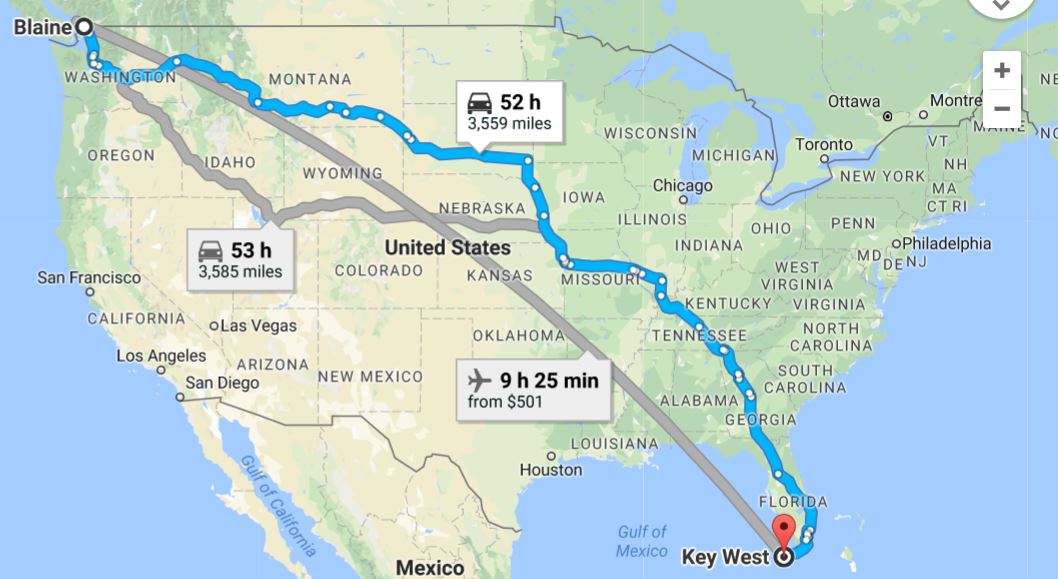
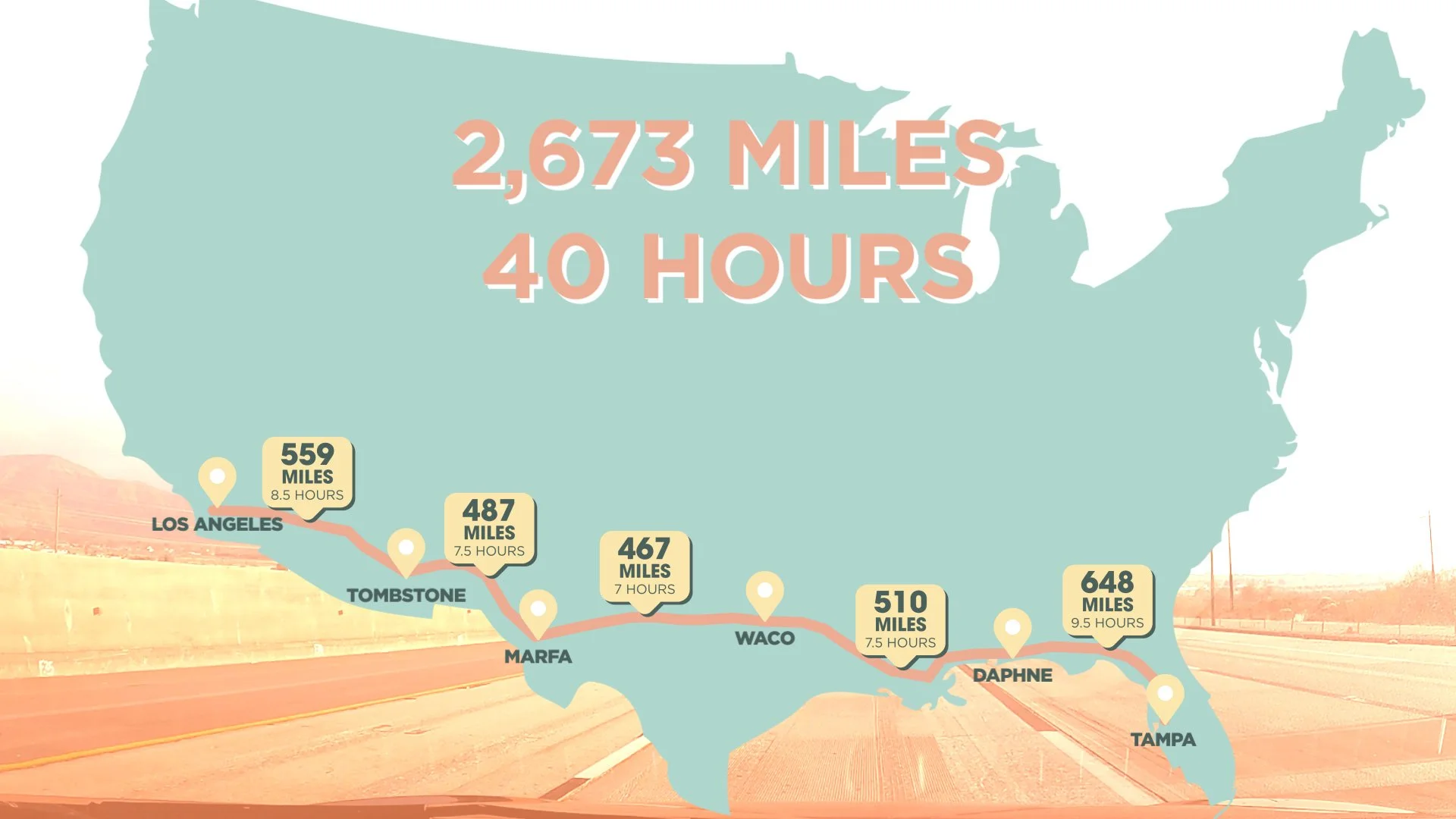
Driving Distance and Time: A road trip between California and Florida is an undertaking of epic proportions. Depending on the exact route and cities chosen, the driving distance typically ranges from 2,400 to 3,000 miles (3,860 to 4,830 kilometers). For example, a common route from Los Angeles to Miami via Interstate 10 (I-10) is roughly 2,750 miles. This translates to an estimated non-stop driving time of 38 to 45 hours. However, driving non-stop is neither practical nor safe. A realistic road trip usually spans 5 to 7 days, accounting for necessary stops for rest, meals, and overnight stays. This allows travelers to break up the journey into manageable daily segments of 6-8 hours of driving.
-
Flight Distance and Time: Air travel dramatically reduces the journey time. A direct flight between major airports, such as from LAX ( Los Angeles International Airport) to MIA (Miami International Airport) or SFO (San Francisco International Airport) to MCO (Orlando International Airport), covers a direct distance of approximately 2,200 to 2,500 miles. The actual flight time for a non-stop journey is typically 4.5 to 6 hours. This makes flying the overwhelming choice for travelers prioritizing speed and minimizing time spent in transit.
Methods of Travel: Navigating the U.S. from Coast to Coast
Choosing the right mode of transportation is paramount for a journey between California and Florida, each offering a distinct experience with its own set of advantages and considerations.
By Air: The Fastest Route
For the majority of travelers, flying is the most efficient and time-saving option for covering the vast distance. Direct flights are available from major hubs in California to popular destinations in Florida.
- Direct Flights vs. Layovers: While direct flights between cities like Los Angeles and Miami or San Francisco and Orlando are the quickest, they can sometimes be more expensive. Flights with one layover are common and can offer cost savings, though they extend the overall travel time by a few hours, typically ranging from 7 to 10 hours door-to-door.
- Major Airports: On the California side, key departure points include LAX, SFO, San Diego International Airport (SAN), and Oakland International Airport (OAK). In Florida, major arrival gates are MIA, MCO, Fort Lauderdale-Hollywood International Airport (FLL), and Tampa International Airport (TPA).
- Considerations: Air travel involves factors beyond just flight time. The total journey includes travel to and from airports, security checks, potential delays, and baggage handling. Cost can fluctuate significantly based on booking time, season, and airline. Budget travelers often consider low-cost carriers, while those seeking more comfort may opt for full-service airlines.
By Road: The Epic American Road Trip
Embarking on a cross-country road trip is an quintessential American experience, transforming the journey itself into an adventure. While significantly longer, it offers unparalleled flexibility and the opportunity to explore the country’s heartland.
- Typical Routes: The most common route for East-West travel is the Interstate 10 (I-10), which stretches from Santa Monica, California, all the way to Jacksonville, Florida. Alternatively, travelers might combine Interstate 40 (I-40) for a more northern start, cutting south through Texas or Oklahoma to connect with other interstates leading to Florida. These routes typically pass through states like Arizona, New Mexico, Texas, Louisiana, Mississippi, and Alabama.
- Duration: As mentioned, a realistic road trip generally takes 5 to 7 days of active driving, allowing for 6-8 hours on the road per day. This doesn’t include significant sightseeing days, which could extend the trip to two weeks or more.
- Planning Stops: A key advantage of a road trip is the ability to stop at numerous attractions. These could include National Parks like Saguaro National Park in Arizona, historical sites, unique roadside attractions, or vibrant cities such as New Orleans, Louisiana. Pre-planning overnight stays in suitable cities is essential.
- Vehicle Considerations: Ensure your vehicle is in excellent condition before embarking on such a long journey. Regular maintenance, tire checks, and emergency supplies are crucial. Factor in fuel costs, which will be a significant expense, and potential wear and tear on the vehicle.
Other Options: Rail and Bus Travel
While less common for a full transcontinental journey, train and bus services offer alternative travel experiences, often at a lower cost than flying, though with significantly longer travel times.
- Rail Travel with Amtrak: Amtrak provides cross-country routes, though none are direct from California to Florida without multiple transfers. A typical journey would involve taking a train like the “Sunset Limited” from Los Angeles to New Orleans, and then connecting to another line, such as the “Crescent” or “Silver Meteor,” to reach Florida. This can take 3 to 4 days or even longer, making it a scenic but time-consuming option. It’s often chosen for the experience of rail travel and the ability to see the country from a different perspective, with sleeper car options for comfort.
- Bus Services (Greyhound): Bus travel, primarily through Greyhound, is the most budget-friendly option. However, it is also the slowest and can be the least comfortable for such a long duration. A bus journey from California to Florida would involve multiple transfers and take 3 to 5 days, depending on the route and connections. It offers a no-frills method for those with ample time and tight budgets.
Planning Your Transcontinental Journey: Essential Considerations
Regardless of the chosen mode of transport, a successful journey across the United States requires careful planning and foresight.
Budgeting for Your Trip
The financial outlay for a transcontinental trip can vary wildly.
- Airfare vs. Driving Costs: Airfare can range from a few hundred dollars to over a thousand, depending on flexibility, booking time, and directness. For driving, calculate fuel costs (which vary significantly with gas prices and vehicle MPG), potential tolls, and accommodation expenses for multiple overnight stays. Don’t forget food and beverage costs, which can add up quickly.
- Tolls and Car Rental: Some interstates and bridges incur tolls, particularly on the East Coast. If you’re flying in and renting a car for local travel or if you’re doing a one-way car rental for the drive, factor in rental fees and potential one-way drop-off charges.
- Accommodation: For road trips, pre-booking hotels or motels along your route can save money and stress, especially during peak seasons. Consider camping as a budget-friendly alternative in appropriate areas.
Timing Your Travel
The time of year you choose to travel can significantly impact your experience.
- Seasonal Weather Impacts:
- Winter (December-February): While Florida enjoys mild winters, driving through states like Arizona, New Mexico, and Texas on northern routes can encounter snow or ice, particularly at higher elevations. Even I-10 can experience cold snaps.
- Spring (March-May) & Fall (September-November): These are generally ideal times for a road trip, offering pleasant temperatures across most of the country and avoiding extreme heat or cold.
- Summer (June-August): Expect intense heat through the desert Southwest and Southern states. Air conditioning is a must, and excessive heat can be taxing on both travelers and vehicles. Florida also experiences its hurricane season and high humidity during these months.
- Peak Travel Seasons: Airfare and accommodation prices tend to be higher during holidays (e.g., Thanksgiving, Christmas, Spring Break) and summer months. Flexibility with travel dates can lead to significant savings.
- Time Zone Changes: Remember that the United States spans several time zones. Traveling from California’s Pacific Time to Florida’s Eastern Time means gaining three hours, which can affect arrival times and jet lag.
Packing Smart for a Cross-Country Adventure
Packing for a trip of this magnitude requires careful thought.
- Essentials for Different Climates: Given the diverse climates encountered, layers are key. Pack versatile clothing that can adapt to warm days in the desert and cooler evenings, or sudden changes in weather.
- Road Trip Specific Items: For a road trip, include an emergency kit (first aid, basic tools, jumper cables), a physical map alongside GPS (for areas with no signal), snacks, a cooler, water, and entertainment options (music, podcasts, audiobooks). A power bank for electronics is also highly recommended.
- Luggage Restrictions: If flying, adhere strictly to airline luggage weight and size restrictions to avoid unexpected fees.
Experiencing the Journey: More Than Just the Destination
While the primary question is “how far,” the real magic of traveling between California and Florida lies in the journey itself, especially if undertaken by road.
Road Trip Highlights: States and Scenery
The route from the Pacific to the Atlantic cuts through a breathtaking tapestry of American landscapes. From the rugged beauty of California’s mountains and deserts, you’ll transition into the striking red rock formations of Arizona and New Mexico. The expansive, seemingly endless plains of Texas offer a sense of grand scale, before giving way to the unique charm of Louisiana’s bayous and cypress swamps. Further east, the journey passes through the historic landscapes of Mississippi and Alabama, with their rich cultural heritage and coastal beauty, before finally arriving in the subtropical paradise of Florida. Each state offers its own character, inviting travelers to pause and discover.

Cultural Nuances Along the Way
A cross-country trip is also a cultural odyssey. You’ll encounter distinct regional accents, culinary traditions, and local customs. From the Tex-Mex flavors of the Southwest to the Cajun and Creole influences in Louisiana, and the classic Southern comfort food in Mississippi and Alabama, the food journey alone is an adventure. The music changes from country and western to blues, jazz, and gospel. These cultural nuances are what transform a long drive into an unforgettable exploration of America’s diverse identity.
In conclusion, the distance from California to Florida is substantial, spanning thousands of miles and requiring careful planning. Whether you opt for the speed of air travel or the immersive experience of a road trip, understanding the logistics, budgeting wisely, and preparing for the varied conditions will ensure a smooth and memorable journey across the heart of the United States. Embrace the vastness, enjoy the transitions, and let the adventure unfold.
LifeOutOfTheBox is a participant in the Amazon Services LLC Associates Program, an affiliate advertising program designed to provide a means for sites to earn advertising fees by advertising and linking to Amazon.com. Amazon, the Amazon logo, AmazonSupply, and the AmazonSupply logo are trademarks of Amazon.com, Inc. or its affiliates. As an Amazon Associate we earn affiliate commissions from qualifying purchases.