
Southern California is a region synonymous with sunshine, stunning coastlines, and vibrant culture, attracting millions of visitors year-round. However, it is also a landscape perpetually susceptible to wildfires, especially during its protracted dry seasons. For travelers planning a visit or currently navigating the Golden State, understanding the current fire situation is paramount for safety, itinerary planning, and ensuring a seamless travel experience. This article delves into how wildfires impact travel in Southern California, offering critical insights and practical advice for navigating this dynamic environment.
Understanding the Scope: Current Fire Activity and Traveler Safety
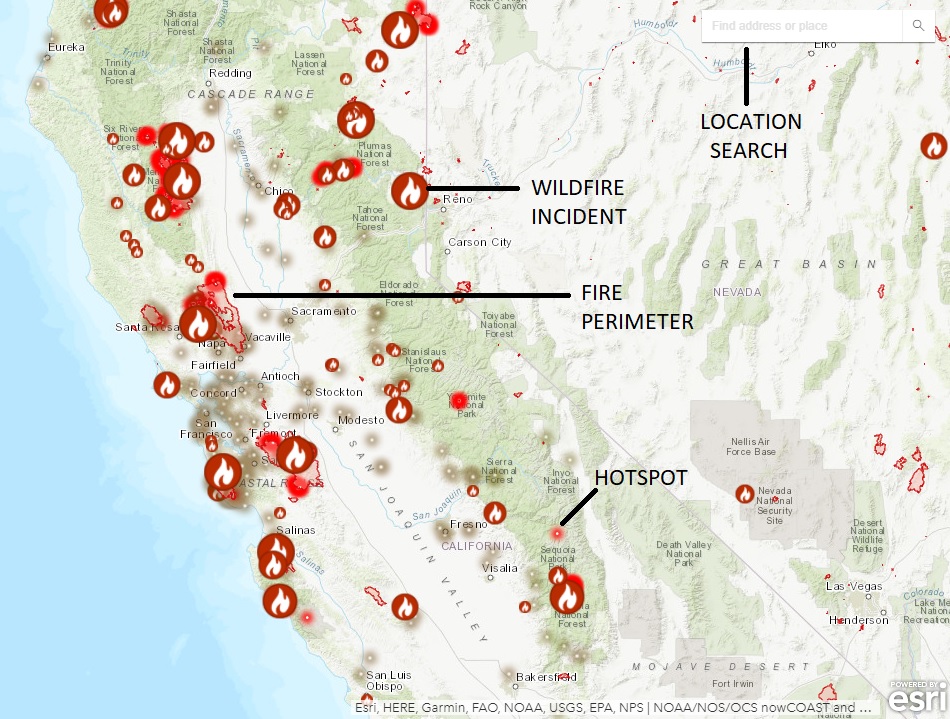
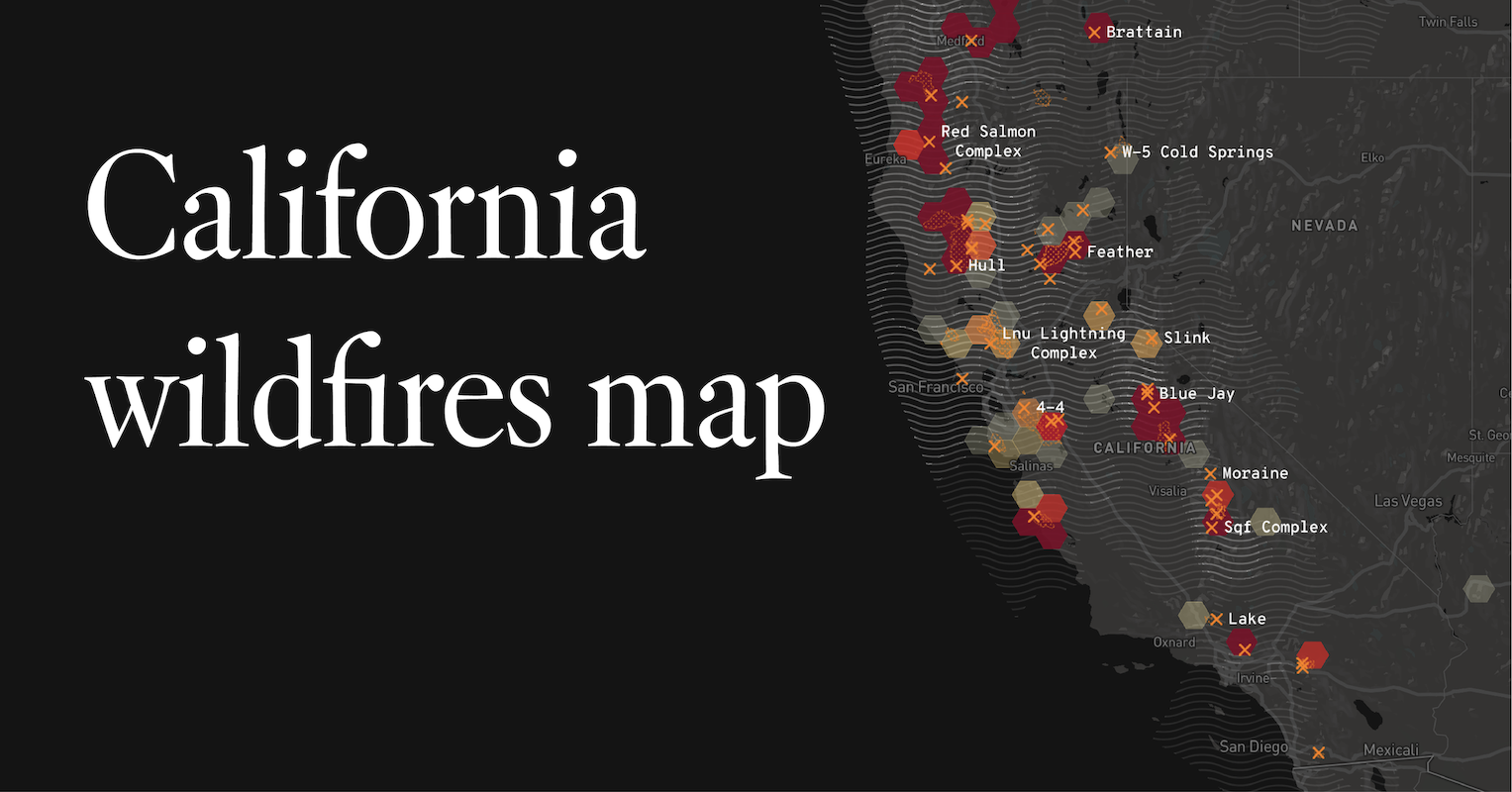
Wildfires in Southern California are not just isolated incidents; they are complex events influenced by geography, climate, and human activity. For travelers, the immediate concern is often safety and whether their intended destinations are directly threatened. The “how many” question isn’t merely a count; it’s an inquiry into the scale, containment, and potential trajectory of these blazes.

Real-time Information Sources for Travelers
Staying informed is the first line of defense for any traveler to a fire-prone region. Relying on accurate, up-to-the-minute information is crucial for making informed decisions. Official channels are the most reliable. The California Department of Forestry and Fire Protection (CAL FIRE) provides comprehensive statewide fire maps, incident updates, and vital alerts. Similarly, local fire departments and county emergency services websites, such as those for Los Angeles County or Orange County, offer hyper-local details. The National Weather Service issues Red Flag Warnings, indicating critical fire weather conditions, which are strong indicators of heightened risk. Before and during your trip, bookmarking these sites and subscribing to emergency alerts for the areas you plan to visit can provide invaluable peace of mind and actionable data.
Air Quality and Health Considerations for Visitors
Even if a fire is not directly threatening your location, smoke and poor air quality can significantly impact your travel experience and health. Wildfire smoke contains fine particulate matter that can irritate eyes, nose, and throat, and worsen conditions for individuals with respiratory issues like asthma or heart disease. The Environmental Protection Agency (EPA) provides an AirNow map displaying real-time Air Quality Index (AQI) values across the country. An AQI above 100 indicates unhealthy air for sensitive groups, while values above 150 are unhealthy for everyone. Travelers should monitor the AQI for their planned destinations and consider adjusting outdoor activities, wearing N95 masks, or even altering travel plans if air quality is severely impacted. This is especially true for families traveling with young children or individuals with pre-existing health conditions.
Evacuation Zones and Restricted Access
When fires escalate, authorities may issue mandatory or voluntary evacuation orders. These orders are legally enforceable and are put in place to protect lives. Travelers must understand that entering or remaining in an evacuation zone is not only dangerous but can also hinder emergency response efforts. Many natural areas, including national and state parks, forests, and beaches, may also implement temporary closures or restrictions due to fire activity, even if not directly threatened. These closures are often preemptive measures to prevent new ignitions, protect natural resources, and ensure visitor safety. Always check the status of parks and recreational areas before heading out. Respecting these restrictions is crucial, as venturing into closed areas can lead to fines or worse, putting yourself and rescue personnel at risk.
Impact on Transportation and Infrastructure
Wildfires in Southern California don’t just affect the immediate burn area; their repercussions ripple through the entire transportation network, potentially disrupting travel plans hundreds of miles away. Understanding these impacts is key for travelers.
Road Closures and Re-routing Strategies
One of the most immediate and widespread effects of a wildfire is the closure of major highways and local roads. Fires can directly burn across roadways, create dangerous smoke conditions, or necessitate closures for emergency vehicle access. For instance, sections of critical arteries like the Pacific Coast Highway or Interstate 5 and 15 might be temporarily shut down. Travelers should always check the California Department of Transportation (Caltrans) website or their quickmap application for real-time road conditions, closures, and estimated reopening times. While GPS systems can suggest alternative routes, these may not always account for dynamic fire conditions or overwhelmed local roads. It’s often safer to delay travel or choose entirely different travel days rather than risk getting stuck or rerouted onto unfamiliar, potentially unsafe roads. Developing a contingency plan with alternative routes beforehand can save significant stress and time.
Airport Operations and Flight Delays
While airports are rarely directly threatened by wildfires, the broader impact of fires can lead to significant disruptions in air travel. Smoke plumes, especially those that reach higher altitudes, can reduce visibility for pilots, leading to flight delays or cancellations at major hubs like Los Angeles International Airport (LAX), San Diego International Airport (SAN), or John Wayne Airport (SNA) in Orange County. Air traffic control might also reroute flights to avoid smoke-filled airspace. Additionally, if fire activity prompts mass evacuations, it can strain airport resources and ground transportation to and from the terminals. Travelers with flights scheduled during periods of active wildfires should closely monitor their airline’s advisories, flight status updates, and consider contacting their airline directly for the latest information. Having travel insurance that covers fire-related delays or cancellations can be a prudent investment.
Public Transportation Adjustments
Beyond roads and air travel, public transportation networks may also be affected. Rail services like Amtrak or local commuter lines like Metrolink might experience delays, detours, or cancellations if tracks are near fire zones or if significant smoke impacts visibility. Buses, both intercity and local, will follow road closure advisories, potentially leading to lengthy reroutes or service suspensions. For travelers relying on public transit, checking the respective transit agency’s website for real-time alerts and schedule changes is essential. In severe situations, public transportation may also be utilized to aid in evacuations, further altering normal service patterns.
Assessing Destination Accessibility and Travel Plans
The allure of Southern California lies in its diverse array of attractions, from bustling cities to serene natural landscapes. Wildfires, however, can dramatically alter which of these destinations are accessible and enjoyable for travelers.
Popular Tourist Destinations: Are They Affected?
Many of Southern California’s’s iconic cities and attractions are far from the wildland-urban interface where fires typically ignite. Los Angeles, with its Hollywood glamour and urban sprawl, is generally resilient, though localized fires in surrounding canyons or mountains can still affect air quality or trigger localized evacuations in neighborhoods like Malibu or the Santa Monica Mountains. Similarly, coastal cities like San Diego, Santa Barbara, and Laguna Beach typically remain open for business, though smoke plumes can drift considerable distances. Inland destinations like Palm Springs might experience hotter, windier conditions that increase fire risk in surrounding desert and mountain areas, impacting access to scenic drives or hiking trails. It’s vital to remember that “Southern California” is a vast region, and a fire in one county, such as Riverside County, might have no direct impact on another, like Ventura County, except perhaps for drifting smoke.
National Parks and Outdoor Recreational Areas
Southern California is home to stunning natural treasures, including Joshua Tree National Park, and sections of the Angeles National Forest and the Cleveland National Forest. These areas, rich in chaparral and timber, are frequently at the forefront of wildfire activity. During peak fire season or active incidents, these parks and forests often implement full or partial closures for visitor safety and resource protection. For example, Joshua Tree National Park, while typically quite dry and rocky, can experience fires that close specific sections or trails. Travelers planning hiking, camping, or outdoor excursions should always check the official websites of these parks and forests for current conditions, fire restrictions (like campfire bans), and any closures. It’s not uncommon for popular areas to be entirely inaccessible for weeks or even months following a significant blaze, as crews work to mitigate hazards like falling trees and unstable terrain.
Rescheduling, Cancellations, and Travel Insurance
When wildfires threaten travel plans, flexibility becomes a traveler’s best friend. Many airlines, hotels, and tour operators offer waivers for changes or cancellations during emergency situations, though policies vary. It’s always advisable to contact your travel providers directly to understand your options. Comprehensive travel insurance can be a significant asset, potentially covering non-refundable expenses if your trip is interrupted or canceled due to mandatory evacuations, travel advisories, or significant property damage at your destination. Carefully review your policy’s terms regarding natural disasters or specified perils, as coverage can differ. In some cases, waiting until closer to your travel date to see how the fire situation evolves might be beneficial, as conditions can change rapidly.
Mitigating Risks: Safe Travel Practices During Fire Season
Traveling through Southern California during fire season doesn’t have to be daunting if you’re prepared. Proactive measures and responsible behavior are key to a safe and enjoyable journey.
Essential Packing for Southern California Travel
Beyond the usual sunscreen and beachwear, consider adding fire-season specific items to your packing list. N95 or KN95 masks are highly recommended if you anticipate encountering smoke or poor air quality. A basic first-aid kit, including eye drops and any necessary personal medications, is also wise. Keep a portable phone charger and a physical map (in case GPS fails due to power outages or lack of signal in remote areas) readily accessible. If you’re driving, ensure your vehicle is well-maintained, with a full tank of gas, and an emergency kit that includes water, non-perishable snacks, and blankets.
Communication Plans and Emergency Contacts
Before departing, establish a communication plan with your travel companions and family members who are not on the trip. Share your itinerary, including hotel names, flight details, and expected routes. Designate a check-in schedule, especially if you plan to visit areas with spotty cell service. Keep a list of emergency contacts, including local emergency services (911 in the U.S.), your embassy/consulate if you’re an international traveler, and your travel insurance provider, readily available. Enroll in the Smart Traveler Enrollment Program (STEP) if you’re a U.S. citizen traveling abroad, or similar programs offered by other nations, to receive alerts and allow the government to assist you in an emergency.
Supporting Local Communities Post-Fire
While the immediate concern is safety, travelers also have a role to play in the recovery of communities impacted by wildfires. Once an area is deemed safe and open, returning tourists can provide a vital economic boost. Prioritize patronizing local businesses, from family-run restaurants to independent boutiques. Be mindful of the environment, respecting sensitive ecosystems that are trying to regenerate. Avoid venturing into areas explicitly marked as closed for restoration. Volunteering or donating to reputable local charities that support fire victims and ecological restoration efforts can also make a significant difference. Traveling responsibly and respectfully in the wake of a natural disaster contributes to the resilience and rebuilding efforts of the communities that make Southern California such an extraordinary place to visit.
In conclusion, while the question “How Many Fires Are Burning In Southern California?” is important for immediate awareness, the deeper understanding for travelers lies in grasping the broader implications for safety, logistics, and planning. By staying informed, being flexible, and exercising caution, travelers can navigate the region responsibly, ensuring their safety while still experiencing the best of what Southern California has to offer.
LifeOutOfTheBox is a participant in the Amazon Services LLC Associates Program, an affiliate advertising program designed to provide a means for sites to earn advertising fees by advertising and linking to Amazon.com. Amazon, the Amazon logo, AmazonSupply, and the AmazonSupply logo are trademarks of Amazon.com, Inc. or its affiliates. As an Amazon Associate we earn affiliate commissions from qualifying purchases.