
California, a state renowned for its diverse landscapes, from sun-kissed beaches to towering mountain peaks, is also home to one of North America’s most magnificent and elusive predators: the mountain lion, also known as puma, cougar, or panther. For residents and visitors alike, the question of “how many” of these majestic felines roam the golden state is more than just a matter of curiosity; it touches upon the ecological health of its vast wilderness, the dynamics of human-wildlife coexistence, and the very essence of California’s natural heritage. Understanding the population dynamics of mountain lions is crucial for conservation efforts, responsible recreation, and appreciating this iconic species as a living landmark of the state.
Estimating the Elusive Population: A Scientific Challenge
Pinpointing the exact number of mountain lions in California is an endeavor fraught with scientific complexity. These apex predators are naturally solitary, territorial, and incredibly adept at remaining unseen, making direct counts nearly impossible. Consequently, wildlife biologists rely on a sophisticated array of methods to estimate their populations, constantly refining their understanding of these enigmatic creatures.
Methodologies for Population Assessment
The primary methods employed to estimate mountain lion populations include:
- Genetic Sampling: This involves collecting biological samples such as scat, hair, or tissue from tranquilized individuals. DNA analysis allows researchers to identify individual mountain lions, estimate population size, and understand genetic connectivity between different regions. This non-invasive method is particularly valuable for gaining insights into population structure and gene flow.
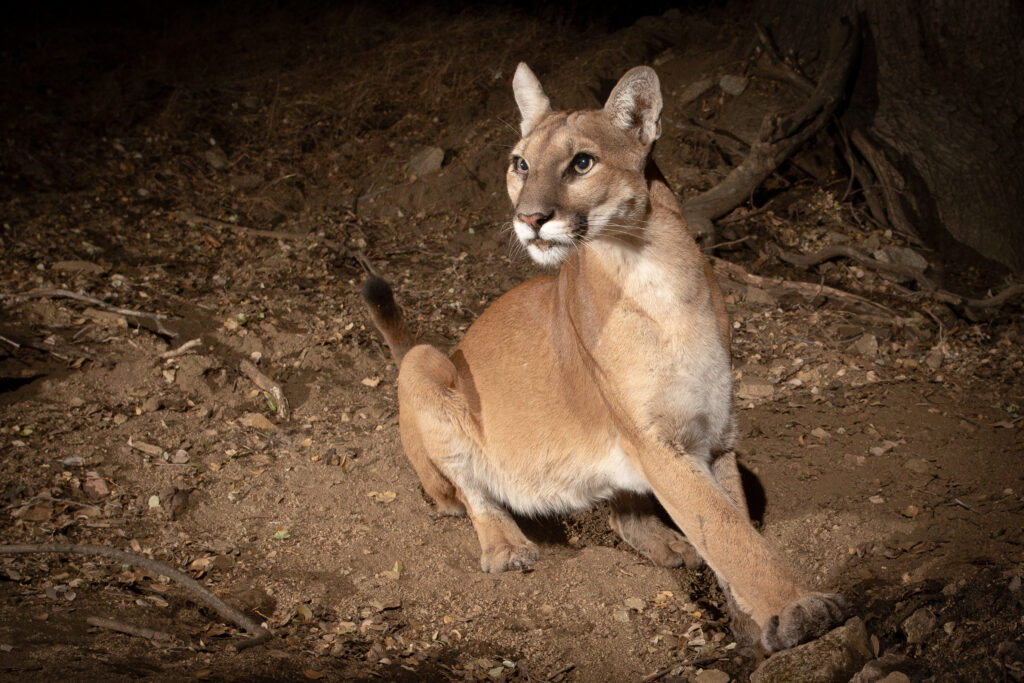
- Camera Traps: Strategically placed motion-activated cameras capture images or videos of mountain lions in their natural habitat. While not providing exact numbers, these data help estimate density in specific areas and track individual animals identified by unique markings or scars, especially when combined with advanced statistical models.
- Radio-Collaring and GPS Tracking: Capturing and fitting mountain lions with GPS collars allows researchers to monitor their movements, home ranges, and survival rates. This provides invaluable data on habitat use, dispersal patterns, and interactions with other wildlife or human infrastructure. Famous individuals, such as P-22 in the Santa Monica Mountains, have offered unprecedented insights through this technology.
- Sighting and Depredation Reports: While less scientifically rigorous for population estimates, reports from the public, ranchers, and wildlife officials regarding sightings or incidents of livestock depredation provide anecdotal evidence of mountain lion presence and can inform localized studies.
- Habitat Suitability Modeling: By analyzing environmental factors like terrain, vegetation, prey availability, and water sources, scientists can create models that predict where mountain lions are most likely to live, thus inferring potential population distribution and density across broader landscapes.
Current Estimates and Variability
Despite these advanced techniques, published estimates for California’s mountain lion population have varied significantly over the years, often ranging from 4,000 to 6,000 individuals, with some older estimates reaching as high as 6,000 to 7,000. The California Department of Fish and Wildlife continuously updates its understanding based on ongoing research.
It’s crucial to understand that these numbers are estimates and represent a snapshot in time. Population figures can fluctuate due to factors like prey availability, habitat loss, human-wildlife conflict, disease, and natural mortality. The scientific community emphasizes that a precise, definitive count is elusive, and the focus is more on understanding population trends and health indicators rather than a static number.
Where California’s Mountain Lions Roam: Habitat and Distribution
Mountain lions are incredibly adaptable, capable of thriving in a wide range of habitats across California, from sea level to elevations over 10,000 feet. Their distribution is largely dictated by the availability of prey (primarily deer), suitable cover for hunting and denning, and access to water.
Key Mountain Lion Habitats
- Sierra Nevada Mountains: This vast mountain range, stretching over 400 miles, provides extensive, undisturbed wilderness areas, abundant deer populations, and rugged terrain ideal for mountain lions. It represents one of the strongest population strongholds in the state.
- Coastal Ranges: From the redwood forests of the north to the chaparral-covered hills of the central and Southern California coasts, these ranges offer a mosaic of habitats. The varied topography and vegetation provide excellent cover, and the presence of deer ensures a food source. Areas like the Santa Monica Mountains, despite being fragmented by urban sprawl, are vital for studying human-wildlife interactions.
- Southern California Mountains: The Transverse and Peninsular Ranges, including the San Gabriel, San Bernardino, and Santa Ana Mountains, support significant mountain lion populations. However, these areas are often heavily impacted by urban development, leading to increased human-wildlife encounters and conservation challenges.
- Klamath Mountains and Cascade Range: In Northern California, these rugged, heavily forested regions offer prime habitat for mountain lions, often connecting with populations in neighboring states like Oregon.
- Fringe of the Mojave Desert: While not typically associated with deserts, mountain lions can be found in the mountain ranges bordering the Mojave Desert, utilizing riparian areas and isolated pockets of suitable habitat where prey and water are present.
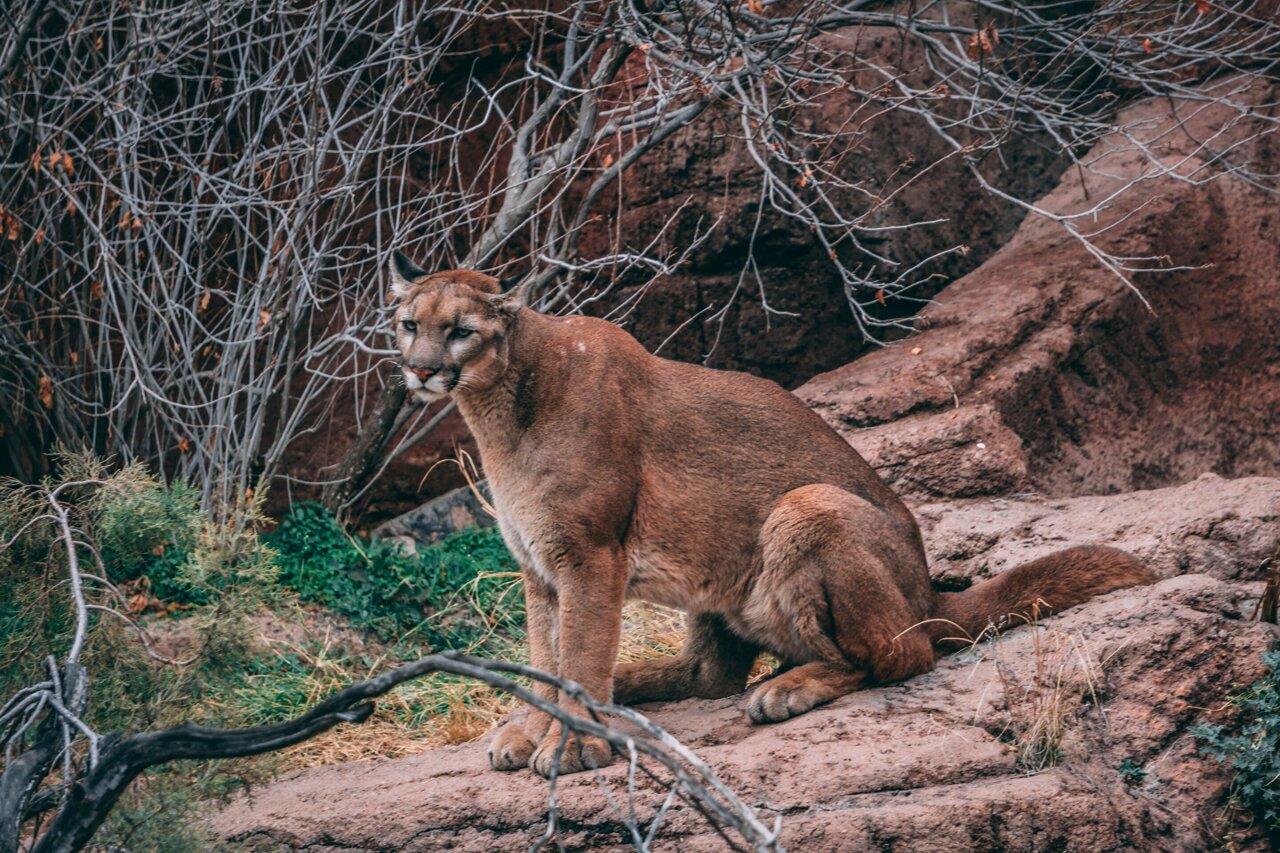
Generally, mountain lions are found wherever their primary prey, deer, are abundant. Their presence serves as a strong indicator of a healthy, functioning ecosystem.
Conservation Efforts and Challenges in Modern California
The presence of mountain lions in California is a testament to the state’s enduring wildness, but their future is not without its challenges. Conservation efforts are continuously evolving to protect these animals and mitigate conflicts with human populations.
Legal Protections and Conservation Initiatives
- Proposition 117: In 1990, California voters passed Proposition 117, which designated the mountain lion as a “specially protected mammal.” This landmark legislation banned trophy hunting of mountain lions, allocated funds for habitat conservation, and provided for a limited ability for the Department of Fish and Wildlife to issue depredation permits for lions threatening livestock or human safety. This protection is a cornerstone of mountain lion conservation in the state.
- Habitat Connectivity and Wildlife Corridors: A major focus of modern conservation is maintaining and restoring habitat connectivity. Urban sprawl and infrastructure development, like freeways, fragment mountain lion habitats, isolating populations and hindering genetic diversity. Projects like the proposed wildlife crossing over US-101 in the Santa Monica Mountains aim to create safe passages for wildlife, allowing them to move between fragmented habitats.
- Scientific Research: Organizations like the National Park Service and academic institutions conduct extensive research to understand mountain lion ecology, genetics, and behavior, informing effective management and conservation strategies.
Threats and Human-Wildlife Conflict
Despite protected status, mountain lions face several significant threats:
- Habitat Loss and Fragmentation: As California’s human population grows, urban and suburban development encroaches on wilderness areas, reducing available habitat and creating barriers to movement.
- Vehicle Collisions: Roads and highways pose a substantial risk. Vehicle strikes are a leading cause of mountain lion mortality, particularly for younger, dispersing individuals.
- Anticoagulant Rodenticides: The use of rat poisons in residential and agricultural areas poses a severe threat. Mountain lions, through their prey, ingest these toxins, which can lead to severe internal bleeding and death.
- Genetic Isolation: Habitat fragmentation can lead to genetic isolation in smaller populations, increasing inbreeding and reducing genetic diversity, which makes populations more vulnerable to disease and environmental changes. The mountain lions of the Santa Monica Mountains are a prime example of this challenge.
- Human-Wildlife Encounters: While rare, encounters between humans and mountain lions can occur, particularly in areas where development borders wildlands. Understanding and managing these interactions is critical for both human safety and mountain lion conservation.
Coexisting with California’s Wilds: Safety and Responsibility
For those venturing into California’s natural spaces, understanding how to coexist with its wildlife, including mountain lions, is essential. Encounters are extremely rare, but being prepared ensures a safe experience for both humans and wildlife.
Safety Tips for Outdoor Enthusiasts
- Be Aware of Your Surroundings: Pay attention to signs of wildlife, such as tracks or scat. Hike in groups and make noise to avoid surprising a mountain lion.
- Keep Children and Pets Close: Small children and pets are more vulnerable. Do not allow them to wander ahead or fall behind on trails.
- What to Do if You See a Mountain Lion:
- Do not run. Running can trigger a chase response.
- Face the animal and maintain eye contact.
- Make yourself appear as large as possible by waving your arms, opening your jacket, or picking up small children.
- Make noise and speak in a loud, firm voice.
- Throw rocks or sticks if necessary.
- Fight back if attacked. Protect your head and neck.
- Secure Your Property: If living in mountain lion habitat, secure pets and livestock, clear brush that provides cover for prey, and install motion-sensor lights.
The Mountain Lion as a Natural Landmark
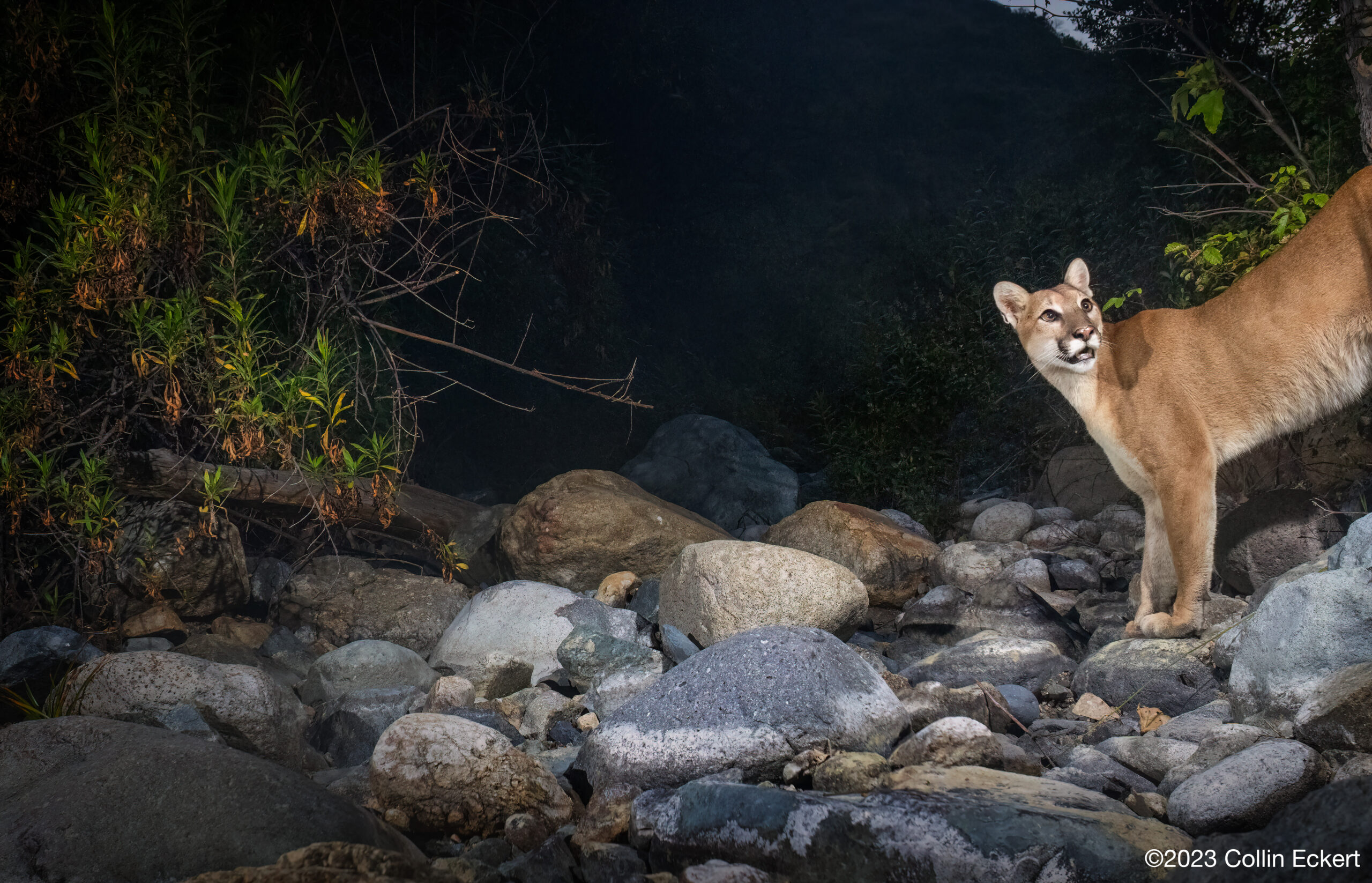
Ultimately, the question of “how many mountain lions” is a window into the health of California’s wildlands. Each mountain lion represents a vital component of the ecosystem, an apex predator whose presence helps regulate deer populations and maintain ecological balance. They are not merely animals; they are living landmarks, embodying the wild spirit and untamed beauty that define much of California’s natural landscape. Their continued existence depends on ongoing scientific research, dedicated conservation efforts, and a respectful understanding from the millions who share their remarkable home. Understanding their numbers and distribution allows us to better appreciate and protect these magnificent creatures for generations to come.
LifeOutOfTheBox is a participant in the Amazon Services LLC Associates Program, an affiliate advertising program designed to provide a means for sites to earn advertising fees by advertising and linking to Amazon.com. Amazon, the Amazon logo, AmazonSupply, and the AmazonSupply logo are trademarks of Amazon.com, Inc. or its affiliates. As an Amazon Associate we earn affiliate commissions from qualifying purchases.