
Southern California, a name synonymous with sunshine, innovation, and diverse landscapes, is one of the most vibrant and populous regions in the United States. For any traveler planning an adventure to this iconic part of the world, understanding its demographic landscape is not just a statistical exercise; it’s a fundamental key to unlocking a richer, more informed travel experience. The sheer number of people residing here directly influences everything from the availability of attractions and the diversity of culinary scenes to the flow of traffic and the overall ambiance of its cities and natural spaces.
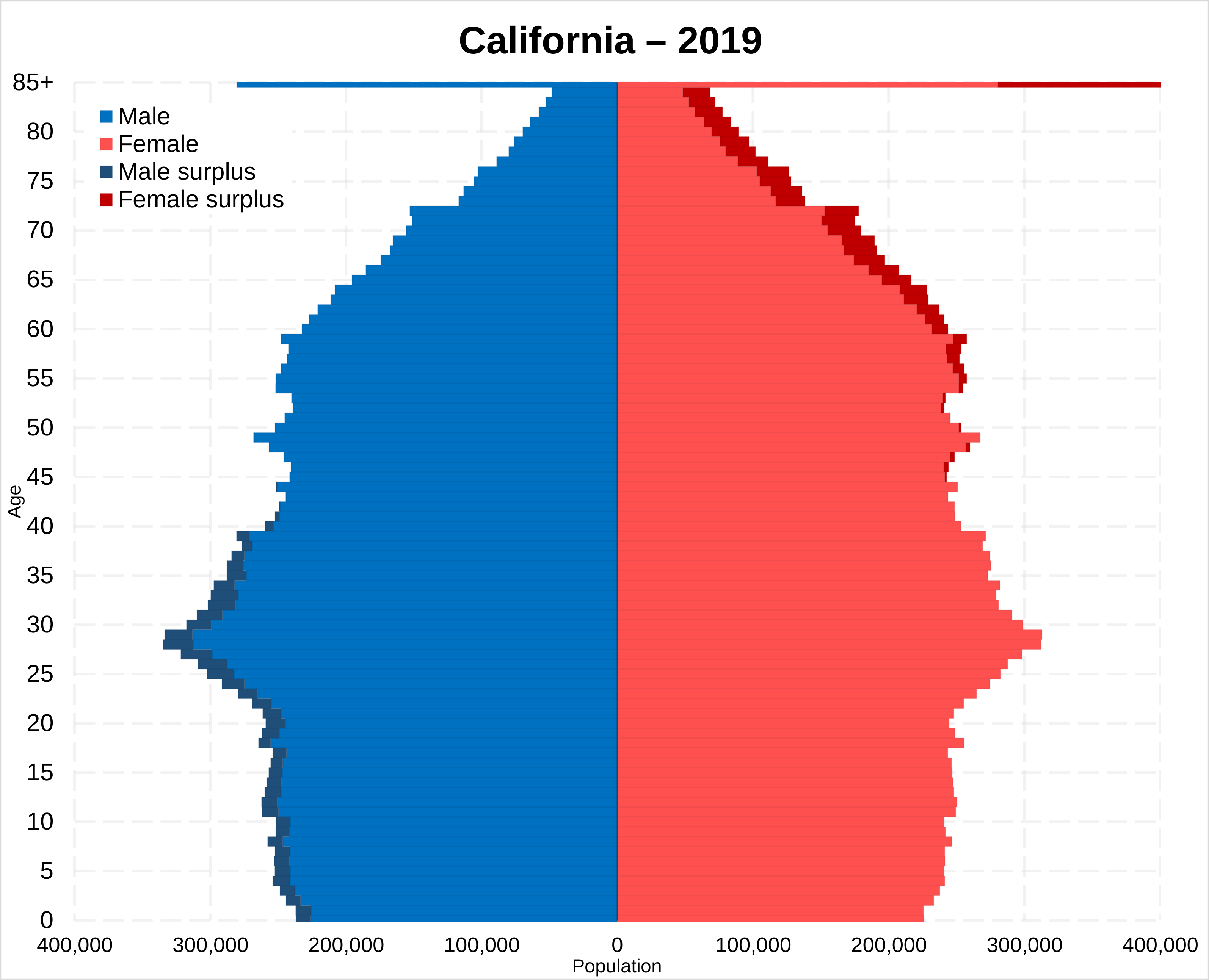
So, how many people call Southern California home? While exact figures are constantly in flux due to ongoing growth and movement, Southern California is home to an estimated 23 to 24 million residents. This makes it one of the largest megaregions in North America, a sprawling nexus of human activity that offers an unparalleled array of travel opportunities, from bustling urban centers to serene coastal towns and dramatic desert vistas. This immense population density fuels a dynamic economy, a rich cultural tapestry, and an infrastructure designed to accommodate millions, all of which are critical considerations for those exploring its wonders.
The Population Landscape: A Traveler’s Overview
The impressive population figures of Southern California are not merely numbers; they represent the vibrant energy and diverse experiences that await travelers. Delving into the demographic contours of this region offers invaluable insights into its character and how best to navigate its myriad offerings.
Defining Southern California: A Geographic & Demographic Perspective
Geographically, Southern California typically encompasses the region south of the Tehachapi Mountains, extending to the Mexican border and bordered by the Pacific Ocean to the west. Demographically, it’s a mosaic of distinct counties, each contributing significantly to the overall population. The most prominent are Los Angeles County, Orange County, San Diego County, Riverside County, San Bernardino County, Ventura County, and Imperial County. Each of these areas possesses its own unique charm and attractions, shaped by its population density and cultural makeup. Understanding this distribution helps travelers pinpoint areas that align with their preferred travel style, whether it’s the high-energy pulse of a metropolis or the more relaxed pace of a suburban or coastal community.
The Sheer Scale: Understanding the Numbers
To put the 23-24 million figure into perspective, Southern California alone boasts a larger population than most U.S. states and many countries around the world. Los Angeles County, as the largest county in the United States, accounts for roughly 10 million of these residents, making it a colossal urban entity. This concentration of people means a correspondingly high concentration of amenities, entertainment venues, cultural institutions, and dining establishments, ensuring that travelers will never run out of things to see and do. However, it also implies a greater likelihood of crowds, especially at major attractions, and significant traffic considerations, which smart travelers factor into their itinerary planning.
Major Population Centers and Their Appeal
The bulk of Southern California’s population resides in its major urban and suburban clusters, each offering distinct experiences for visitors. Los Angeles stands as the undisputed epicenter, drawing millions with its Hollywood glamour, world-class museums, and diverse neighborhoods. San Diego, known for its stunning coastline, laid-back atmosphere, and vibrant downtown Gaslamp Quarter, attracts those seeking a blend of city life and outdoor adventure. Orange County, while highly populated, presents a more suburban landscape, home to family-friendly attractions like Disneyland Park and affluent coastal cities like Newport Beach and Laguna Beach. Further inland, the Riverside and San Bernardino counties, known as the Inland Empire, offer access to desert resorts like Palm Springs and mountain escapes, representing a different facet of Southern California’s appeal, often with a slightly less frenetic pace than the coastal metropolises.
Navigating Southern California’s Densely Populated Hubs
The density of Southern California’s population centers shapes the traveler’s journey, offering both challenges and unparalleled opportunities. Understanding these dynamics is crucial for seamless exploration.
Los Angeles County: The Epicenter of Activity
With over 10 million residents, Los Angeles County is the vibrant heart of Southern California. Its vastness means an endless array of attractions, from the glitz of Beverly Hills and the iconic Hollywood Walk of Fame to the artistic treasures of The Getty Center and the Universal thrills of Universal Studios Hollywood. Travelers should anticipate significant traffic congestion, particularly during peak hours, and plan transportation accordingly, whether utilizing rideshares, the expanding Metro rail system, or exploring walkable neighborhoods like Santa Monica or Downtown Los Angeles. The sheer number of people here guarantees an incredible selection of dining, entertainment, and cultural events, making every visit a discovery.
Orange County: Suburban Charm Meets Tourist Magnets
Immediately south of Los Angeles, Orange County boasts a population of over 3 million, characterized by its distinctive blend of upscale suburban communities and world-renowned tourist attractions. This is where families flock to Disneyland Park in Anaheim, and where surfers and sunbathers enjoy the pristine beaches of Huntington Beach and Laguna Beach. While less dense than central Los Angeles, Orange County still experiences considerable traffic, especially around its major attractions and freeways like the I-5. The well-planned communities like Irvine offer excellent dining and shopping, catering to a sophisticated demographic that appreciates quality and convenience.
San Diego County: Coastal Living and Vibrant Culture
Further south lies San Diego County, home to approximately 3.3 million people and celebrated for its idyllic climate, stunning coastline, and relaxed California vibe. The city of San Diego offers a diverse range of attractions, from the historic Balboa Park and the vibrant Gaslamp Quarter to the family-friendly San Diego Zoo and the pristine beaches of La Jolla. While traffic can still be an issue, particularly during rush hour, San Diego generally feels more spread out and less congested than Los Angeles. The presence of a large military population, a thriving craft beer scene, and a strong connection to Mexico contribute to its unique cultural flavor, making it a rich destination for those seeking both relaxation and engaging experiences.
Population Dynamics and the Traveler’s Experience
The sheer number and diversity of people in Southern California fundamentally shape the region’s infrastructure, cultural offerings, and overall atmosphere, directly impacting a traveler’s journey.
Impact on Infrastructure and Transportation

To accommodate over 23 million residents and millions of annual visitors, Southern California has developed an extensive, albeit often challenged, infrastructure. The vast network of freeways, including the notorious 405 Freeway and I-10, serves as the region’s lifeblood, enabling movement between its sprawling cities. For travelers, understanding traffic patterns and peak times is paramount. Public transportation options, though growing, are not as comprehensive as in some older global cities, but options like the Los Angeles Metro Rail and bus systems offer viable alternatives in urban cores. Ride-sharing services are ubiquitous, providing convenient door-to-door transport, though costs can add up. The busy international airports like Los Angeles International Airport (LAX) and San Diego International Airport (SAN) are testaments to the continuous flow of people into and out of the region.
Diversity: A Rich Tapestry of Cultures and Cuisines
One of the most enriching aspects of Southern California’s large population is its incredible cultural diversity. This region is a melting pot of nationalities, languages, and traditions from across the globe, particularly from Latin America and Asia. For travelers, this translates into an unparalleled culinary scene, where authentic flavors from virtually every corner of the world can be found, often within a few blocks. Neighborhoods like Koreatown, Little Ethiopia, and Chinatown in Los Angeles, or the strong Mexican influence in San Diego, offer immersive cultural experiences that go beyond typical tourist attractions. This diversity also fuels a vibrant arts and music scene, with festivals, performances, and galleries reflecting the rich cultural contributions of its residents.
The Vibe: From Bustling Cities to Serene Escapes
The sheer volume of people contributes to Southern California’s distinctive energy. The major cities are characterized by a constant hum of activity, a sense of ambition, and a fast-paced lifestyle that can be exhilarating for visitors. However, the region’s vastness ensures that serene escapes are never far away. From the tranquil beaches of Malibu to the expansive hiking trails of the Santa Monica Mountains or the otherworldly landscapes of Joshua Tree National Park, Southern [California](https://lifeoutofthebox.com/california] offers a remarkable contrast. The ability to transition from a bustling urban environment to a secluded natural retreat within a short drive is a unique draw, showcasing how the population coexists with, and often seeks refuge in, the region’s diverse geography.
Beyond the Numbers: Exploring Southern California’s Varied Destinations
While the population figures paint a picture of density, they also signify an abundance of destinations and experiences that cater to every conceivable interest, from sun-kissed coastlines to arid deserts.
Coastal Delights: Beaches, Harbors, and Recreation
The extensive coastline of Southern California is a major draw for both residents and visitors, offering countless opportunities for recreation and relaxation. Popular beaches like Santa Monica Pier and Venice Beach are iconic for their vibrant boardwalks and people-watching. Further south, the coves of La Jolla and the surf breaks of San Clemente offer more tranquil experiences. The numerous harbors, such as Marina del Rey and San Diego Bay, provide gateways for sailing, whale watching, and waterfront dining. These coastal areas, while often crowded, especially during summer weekends, embody the quintessential Southern California lifestyle and are a must-visit for any traveler.
Mountain Retreats and Desert Adventures
Beyond the bustling coast, Southern California’s diverse topography offers significant contrasts. The San Bernardino Mountains and San Gabriel Mountains provide alpine retreats, with destinations like Big Bear Lake and Lake Arrowhead offering skiing in winter and hiking/boating in summer. Eastward, the arid desert landscapes beckon, with Palm Springs standing out as a stylish oasis known for its mid-century modern architecture, golf courses, and vibrant arts scene. Nearby, Joshua Tree National Park offers stunning geological formations and unique flora, perfect for hiking, climbing, and stargazing. These diverse environments provide ample opportunities for outdoor enthusiasts seeking to escape the urban sprawl and connect with nature, often finding a quieter, more reflective side of the region.
Arts, Entertainment, and Innovation: Where People Converge
The concentration of people in Southern California has fostered a dynamic ecosystem of arts, entertainment, and innovation that draws talent and visitors from across the globe. From the studios of Hollywood to the tech hubs of Silicon Beach (areas like Santa Monica and Venice), the region is a powerhouse of creativity. Travelers can immerse themselves in live theater, concerts at venues like the Hollywood Bowl, or explore world-class art at institutions like the Los Angeles County Museum of Art (LACMA). This vibrant convergence of people and ideas ensures that Southern California remains at the forefront of cultural trends and technological advancements, offering an ever-evolving landscape for discovery.
Planning Your Trip: Leveraging Population Insights
Understanding Southern California’s population is not just academic; it’s a practical tool for crafting an unforgettable itinerary that maximizes enjoyment and minimizes potential frustrations.
Best Times to Visit: Avoiding Peak Crowds
Given the dense population and popularity of Southern California, timing your visit can significantly impact your experience. The summer months (June-August) and major holidays often see the highest influx of tourists and local residents enjoying their time off, leading to crowded attractions, higher accommodation prices, and increased traffic. For a more relaxed trip, consider visiting during the shoulder seasons (April-May or September-October) when the weather is still excellent, but the crowds are thinner, and prices for flights and hotels may be more favorable. Even within these periods, weekdays are generally less crowded than weekends at popular spots.
Accommodation Choices: From Urban Hotels to Secluded Resorts
The vast population of Southern California has fostered a huge and diverse accommodation market. In the bustling city centers of Los Angeles and San Diego, travelers will find everything from luxury hotels like The Beverly Wilshire, A Four Seasons Hotel to boutique properties and budget-friendly options. In Orange County, large resorts near Disneyland Park cater to families, while coastal towns offer charming inns and beachfront rentals. For those seeking respite from the crowds, secluded resorts in Palm Springs or mountain cabins around Big Bear Lake provide a tranquil escape. Booking well in advance, especially for popular times or specific events, is always advisable to secure preferred locations and rates.

Experiencing Local Life: Engaging with the Community
To truly experience Southern California, move beyond the major tourist hubs and engage with its diverse local communities. Explore farmers’ markets in Santa Monica, grab authentic tacos from a food truck in East Los Angeles, or spend an afternoon wandering through the independent boutiques of Abbot Kinney Boulevard in Venice. Attending local sporting events, community festivals, or live music performances can offer a glimpse into the everyday lives of the millions who call this region home. These interactions provide a richer understanding of the area’s vibrant culture and create more memorable travel experiences, connecting you directly with the pulse of Southern California beyond its impressive population statistics.
In conclusion, the answer to “How many people live in Southern California?” is far more than a simple number. It’s a lens through which to view a dynamic, diverse, and immensely rich travel destination. The millions of residents create the vibrant energy, the incredible variety of cultures, the extensive infrastructure, and the endless array of attractions that define Southern California. For the savvy traveler, understanding this demographic heartbeat is the first step toward planning an insightful and truly unforgettable journey through this iconic American region.
LifeOutOfTheBox is a participant in the Amazon Services LLC Associates Program, an affiliate advertising program designed to provide a means for sites to earn advertising fees by advertising and linking to Amazon.com. Amazon, the Amazon logo, AmazonSupply, and the AmazonSupply logo are trademarks of Amazon.com, Inc. or its affiliates. As an Amazon Associate we earn affiliate commissions from qualifying purchases.