
Navigating the financial landscape of any state can be a complex endeavor, and California, with its vast economy and diverse regions, is no exception. For residents and visitors alike, understanding the intricacies of sales tax is not merely a bureaucratic detail; it’s a fundamental aspect of budgeting, financial planning, and making informed lifestyle choices. Whether you’re planning a dream vacation to Disneyland, considering a move to Los Angeles, or simply trying to manage your everyday spending in San Francisco, the question of “How much California sales tax?” is perpetually relevant.
Sales tax in California isn’t a single, static figure across the entire state. It’s a dynamic system influenced by both state mandates and local ordinances, creating a mosaic of rates that can significantly impact your wallet. This article delves into the specifics of California sales tax, offering an insightful guide to help you understand its structure, how it affects various purchases from daily necessities to luxury items, and practical strategies for budgeting effectively. From the base statewide rate to the additional district taxes, and from shopping sprees to dining experiences, we’ll explore how this ubiquitous tax shapes your financial lifestyle in the Golden State. Armed with this knowledge, you can approach your spending with greater confidence, ensuring that unexpected tax burdens don’t derail your financial goals or diminish your enjoyment of all that California has to offer.
Understanding the California Sales Tax Landscape
The foundation of California’s sales tax system is a statewide rate, but this is merely the starting point. To truly grasp the cost of goods and services, one must account for the additional layers of local taxation.
The Statewide Base Rate
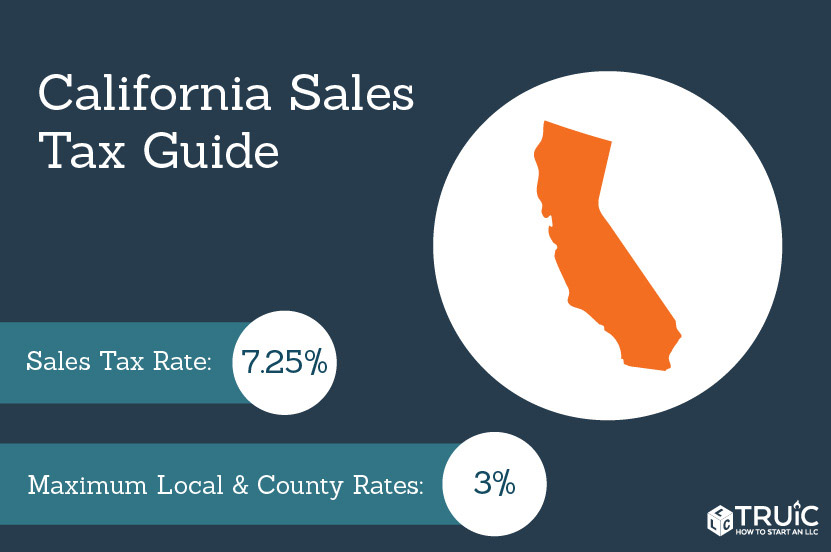
As of the current period, the statewide base sales tax rate in California stands at 7.25%. This percentage is applied to the retail sale of most tangible personal property. This means that for nearly every physical item you purchase – be it a new appliance, a piece of clothing, or a souvenir from a popular attraction – this base rate will be applied by default. This statewide component is consistent across all cities and counties in California, setting a baseline for consumer costs. It is a critical figure to remember when estimating the cost of larger purchases or when comparing prices between different states. For those relocating to California or planning an extended stay, understanding this fundamental rate is the first step in managing a new budget.
Local Add-on Taxes: The District Component
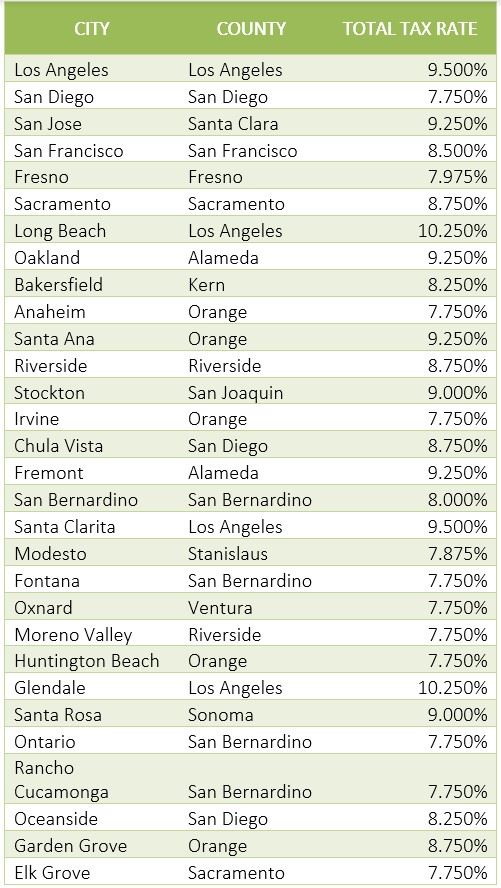
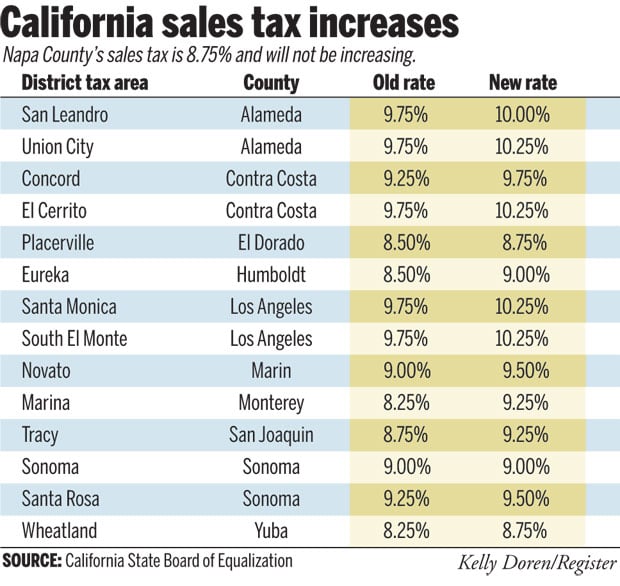
What makes California sales tax particularly nuanced is the overlay of local “district taxes.” These are additional sales and use taxes imposed by cities, counties, and various special districts (e.g., transportation districts, public safety districts) across the state. These district taxes vary significantly from one locality to another, meaning that the total sales tax rate you pay can differ greatly depending on where you make a purchase. For instance, the combined sales tax rate in Los Angeles County might be higher than in a more rural county due to different local initiatives. Similarly, a purchase made in San Diego might carry a different tax burden than one made in Sacramento.
These varying rates are established to fund local services and infrastructure projects. For consumers, this translates to the same item potentially costing more or less in different parts of the state purely due to taxation. It underscores the importance of not just knowing the statewide rate, but also being aware of the specific local rates in areas where you frequently shop or plan to travel. This knowledge can influence decisions about where to make significant purchases or where to establish a business, impacting overall financial lifestyle.
Who Pays and Who Collects?
In California, like most jurisdictions, the ultimate burden of the sales tax falls on the consumer. When you purchase a taxable item, the sales tax is added to the purchase price. However, the responsibility for collecting and remitting this tax to the state falls squarely on the retailer. Businesses that sell tangible personal property are required to have a seller’s permit from the California Department of Tax and Fee Administration (CDTFA) and must collect the appropriate sales tax from their customers.
Retailers act as agents for the state, processing these funds. This system ensures a broad collection base and streamlines the process for the government. For consumers, it means that the price tag displayed for an item might not be its final cost at checkout, especially if the price doesn’t explicitly state “tax included.” Understanding this distinction is crucial for budgeting, as you need to factor in the additional percentage on top of the listed price for most taxable goods. This is a vital piece of information for anyone managing a budget, from daily expenses to significant lifestyle purchases.
Navigating Sales Tax in Everyday Lifestyle Choices
Sales tax isn’t just an abstract number; it’s a tangible factor that influences daily spending and broader lifestyle choices in California. Understanding its application to various goods and services is key to effective budgeting.
Shopping and Retail Therapy
For many, shopping is an integral part of their lifestyle, whether it’s for necessities or discretionary items. In California, sales tax applies to the vast majority of tangible personal property. This includes everything from new clothing and accessories to electronics, furniture, books, and even gasoline. When you browse the shops in Santa Monica, the luxury boutiques of Beverly Hills, or a local grocery store, the sales tax will be added to your bill.
For those on a budget travel plan, this means factoring in an additional 7.25% to over 10% on top of the sticker price for souvenirs, gifts, or essential items purchased during their trip. For residents, it’s a constant consideration for household purchases and personal indulgences. Understanding how sales tax inflates the final price of goods can significantly impact your retail spending habits, encouraging more mindful consumption and potentially influencing where you choose to buy certain items, especially if comparing prices across different districts.
Dining Out and Food Purchases
Food is a fundamental aspect of lifestyle, and California’s vibrant culinary scene is a major draw. However, sales tax application to food items can be a common source of confusion. Generally, most unprepared food items sold in grocery stores for home consumption are exempt from sales tax. This means staples like fresh produce, meats, dairy, and most packaged goods you buy to cook at home are not taxed. This exemption is a significant relief for household budgets.
Conversely, prepared food, whether eaten on or off the premises, is typically subject to sales tax. This includes meals at restaurants, fast food, hot coffee, sandwiches from a deli, and even hot food items purchased at a grocery store or convenience store (e.g., rotisserie chicken). If you’re enjoying the diverse culinary experiences of California, from gourmet dining in San Francisco to street tacos in Los Angeles, remember that sales tax will be added to your bill, in addition to any gratuity you choose to leave. This distinction is crucial for budgeting, particularly for those who frequently dine out or rely on convenience foods.
Services vs. Goods: What’s Taxed?
A key distinction in California sales tax law is between tangible personal property (goods) and services. Generally, sales tax is applied to the sale of tangible goods, but not to services. This distinction can significantly impact your lifestyle expenses. For example, if you get a haircut, receive legal advice, or hire a contractor for home repairs, these services are typically not subject to sales tax. However, if the service provider sells you a tangible product as part of the service (e.g., hair product from a salon, materials for a repair), that specific product portion may be taxed.
This means that while the labor cost of installing a new kitchen might be tax-exempt, the cabinets, countertops, and appliances themselves would be subject to sales tax. Similarly, consulting fees are generally not taxed, but purchasing software licenses (often considered tangible property) might be. Understanding this nuance allows for more accurate financial planning, especially for those involved in professional services or undertaking home improvement projects, which are significant lifestyle investments. It also highlights the different financial implications of choosing to buy a product outright versus paying for a service that utilizes that product.
Specific Scenarios: Travel and Entertainment in California
For many, the California lifestyle includes ample opportunities for travel, leisure, and entertainment. Understanding how sales tax applies in these specific scenarios is vital for budgeting enjoyable experiences.
Accommodation and Lodging Taxes
When planning a trip to California, whether it’s a romantic getaway to Napa Valley or a family vacation to Anaheim, lodging is a primary expense. It’s important to differentiate between sales tax and Transient Occupancy Tax (TOT), often referred to as “hotel tax.” While the statewide sales tax generally does not apply to the room rate itself, cities and counties impose their own TOT on hotel, motel, and other lodging stays of less than 30 days.
These TOT rates can be considerably higher than the standard sales tax, often ranging from 8% to 15% or more, depending on the locality. For example, a night in a San Francisco hotel will incur a substantial TOT on top of the room rate. This tax directly funds local tourism initiatives and city services. Travelers must factor this significant additional cost into their accommodation budget, as it can substantially increase the total price of a stay, particularly for longer trips or luxury accommodations. This distinction is crucial for both budget travelers seeking to minimize costs and luxury travelers who want accurate estimates of their total spend.
Car Rentals and Transportation
Exploring California often involves renting a car or utilizing various transportation services. When renting a vehicle, the base rental fee is subject to the standard California sales tax. In addition to sales tax, car rentals often come with various other fees and surcharges, such as vehicle licensing fees, airport concession fees, and energy recovery fees, which can further increase the total cost. While these other fees are not sales tax, they contribute to the overall expense.
For public transportation like buses or trains, fares are typically not subject to sales tax, as they are considered services. However, if you purchase physical tickets or passes, the sale of the physical item itself might be marginally taxed, though usually negligible compared to the fare. For rideshare services, the fare itself is generally not taxed as a service, but some states have started to impose specific taxes on these services. For those relying on personal vehicles, the purchase of a car is subject to the full sales tax rate based on the county of purchase or registration, representing a significant financial commitment. Understanding these nuances helps travelers and residents budget for their transportation needs effectively, preventing sticker shock at the rental counter or dealership.
Attraction Tickets and Experiences
California is home to world-renowned attractions, from the thrilling rides of Universal Studios Hollywood to the cultural treasures of numerous museums. The application of sales tax to admission tickets and experiences can vary. Generally, admission tickets to entertainment events, theme parks, museums, concerts, and sporting events are considered services or intangible rights to access, and thus are typically not subject to California sales tax. This is a welcome relief for families planning expensive outings.
However, if your purchase at an attraction includes tangible goods, such as merchandise, food, or beverages bought inside the park, those items will be subject to the applicable sales tax rate. For example, buying a souvenir t-shirt at Disneyland or a snack at a concert will incur sales tax. This means while the ticket to enter might be tax-free, your spending once inside will likely be taxed. This distinction is vital for budgeting for the complete experience of a day out, ensuring that the total cost of your leisure activities aligns with your financial plan.
Strategies for Budgeting and Financial Planning
Understanding California sales tax is more than just academic; it’s a practical necessity for sound financial planning and managing your lifestyle effectively within the state.
Calculating the True Cost
The most fundamental strategy for dealing with sales tax is to always calculate the true cost of a purchase. The sticker price often excludes sales tax, leading to an unwelcome surprise at the checkout. For any significant purchase, whether it’s a new car, a piece of furniture, or even a large grocery bill, it’s wise to add the applicable sales tax percentage to the advertised price. For example, if you’re in an area with a 9.25% combined sales tax rate, a $100 item will actually cost you $109.25.
This habit is particularly crucial for those on a tight budget or engaging in “budget travel,” where every dollar counts. Overlooking sales tax can lead to overspending and difficulties in tracking expenses accurately. By consistently factoring in sales tax, you gain a clearer picture of your actual financial outlay, enabling more realistic budgeting and helping you stay within your spending limits. This proactive approach prevents unexpected financial hits and builds a more robust financial lifestyle.
Leveraging Tax Exemptions (Where Applicable)
While sales tax is widespread, California does provide certain exemptions that, when understood, can offer minor relief to your budget. As previously mentioned, most unprepared food items purchased at grocery stores for home consumption are exempt. Additionally, certain medical devices, prescription medicines, and publications (like newspapers and magazines) may also be exempt or subject to reduced rates.
Although these exemptions might not drastically alter your overall tax burden, being aware of them can help optimize your spending. For instance, prioritizing home-cooked meals over dining out not only offers potential health benefits but also means a significant portion of your food expenses will be tax-free. For businesses, certain purchases for resale or manufacturing inputs might also be exempt. While these specific exemptions might not apply to everyone, knowing where they exist can inform purchasing decisions and contribute to smarter financial management.
Tools and Resources
In an era of digital information, numerous tools and resources are available to help consumers navigate California sales tax. The most authoritative source is the California Department of Tax and Fee Administration (CDTFA) website. The CDTFA provides detailed information on current statewide and local sales tax rates, specific exemptions, and helpful guides. They often have online tools where you can input a zip code to find the exact sales tax rate for that area.
Beyond official government sources, many financial planning apps and online calculators can assist in budgeting by automatically including sales tax estimates. For businesses, accounting software often integrates sales tax calculations. Leveraging these tools can significantly simplify the process of understanding and accounting for sales tax, allowing you to focus more on enjoying your California lifestyle and less on complex calculations. Staying informed through these resources is a proactive step toward financial literacy and responsible spending.
Conclusion
Understanding “How much California sales tax?” is a cornerstone of effective financial planning for anyone living in or visiting the Golden State. From the baseline 7.25% statewide rate to the varying local district taxes that can push total rates well over 10%, the system is designed to fund public services, yet it places a direct financial obligation on the consumer. This tax influences every facet of the California lifestyle, from the everyday cost of groceries and retail therapy to the broader expenses associated with travel, dining, and entertainment.
By grasping the distinctions between taxable goods and services, identifying specific exemptions, and differentiating sales tax from other levies like Transient Occupancy Tax on lodging, you empower yourself to make more informed spending decisions. Whether you are carefully crafting a budget for a memorable family vacation, managing daily household expenses, or making significant lifestyle investments, factoring in sales tax is paramount. Utilize the resources available, calculate your true costs, and approach your financial decisions with confidence. This proactive approach ensures that your California experience remains enjoyable and financially sound, free from unexpected burdens and fully aligned with your lifestyle aspirations.
LifeOutOfTheBox is a participant in the Amazon Services LLC Associates Program, an affiliate advertising program designed to provide a means for sites to earn advertising fees by advertising and linking to Amazon.com. Amazon, the Amazon logo, AmazonSupply, and the AmazonSupply logo are trademarks of Amazon.com, Inc. or its affiliates. As an Amazon Associate we earn affiliate commissions from qualifying purchases.