
Embarking on a journey through the Golden State, with its sprawling highways, iconic coastal routes, and diverse landscapes, is an experience many travelers dream of. From the sun-kissed beaches of San Diego to the majestic redwoods of Northern California and the bustling metropolises of Los Angeles and San Francisco, California offers an unparalleled tapestry of destinations. For those who love the open road, especially on a quintessential American road trip, the question of speed limits and potential enforcement often arises. In this context, the legality of radar detectors becomes a pertinent inquiry for many drivers planning their California adventures. Understanding the laws surrounding these devices is crucial, not just for compliance, but also for ensuring a smooth, stress-free, and memorable travel experience, allowing you to focus on the attractions and the journey itself rather than unexpected fines.
The answer, for most private motorists, is a resounding yes. Unlike some other states or jurisdictions, California generally permits the use of radar detectors in non-commercial vehicles. This is good news for tourists and locals alike who wish to have an extra layer of awareness on their drives, whether they are exploring the wineries of Napa Valley, cruising down Pacific Coast Highway, or navigating the intricate freeway systems of its major cities. However, the seemingly simple answer comes with nuances and important distinctions that every driver should be aware of. The legality isn’t absolute, and certain conditions and types of vehicles are subject to different rules. Delving into these specifics will help any traveler, from the budget-conscious explorer to the luxury road-tripper, ensure their journey through this magnificent state remains on the right side of the law, keeping their focus squarely on the incredible accommodations and unforgettable landmarks that await.
Understanding Radar Detector Laws in the Golden State
The legal landscape surrounding radar detectors in the United States is a patchwork of federal and state regulations, which can often be confusing for travelers crossing state lines. In California, the rules are relatively straightforward for the average driver, but crucial exceptions exist that could turn a pleasant drive into a costly ordeal if overlooked. Our aim here is to demystify these regulations, providing clear guidance so that your focus can remain on enjoying the tourism opportunities California presents, from its vibrant local culture to its world-class dining experiences. Understanding these specifics is a vital component of responsible travel, particularly for those whose lifestyle involves extensive road travel, whether for leisure or business.
The General Legality for Private Vehicles
For the vast majority of drivers operating private passenger vehicles in California, radar detectors are perfectly legal. This means that if you are driving your personal car, an SUV for a family trip to Disneyland Resort, or even a rental car for a romantic getaway to a boutique hotel in Carmel-by-the-Sea, you can legally use a radar detector. This permissive stance stems largely from federal legislation, specifically the Communications Act of 1934, which generally permits the reception of radio signals, including those emitted by police radar guns. States are allowed to impose their own restrictions, and some have chosen to ban these devices outright (e.g., Virginia and Washington D.C.). However, California has opted not to prohibit them for private, non-commercial use. This legality provides a level of comfort for drivers, particularly those embarking on long-haul California road trips who might encounter varying speed zones and enforcement practices across different counties and jurisdictions, from the bustling freeways of Orange County to the serene roads leading to Yosemite National Park. It allows an opportunity for early warning, which can be invaluable for adjusting speed and maintaining awareness, rather than relying solely on signage, which can sometimes be sparse or easily missed in unfamiliar territory.
Exceptions to the Rule: Commercial Vehicles and Federal Lands
While the general rule is permissive, there are significant exceptions that every driver, especially those engaged in any form of commerce or planning to visit specific areas, must heed. The most prominent restriction applies to commercial vehicles. Federal law, specifically the Federal Motor Carrier Safety Regulations (FMCSR), prohibits the use of radar detectors in any commercial vehicle weighing over 10,000 pounds or those used to transport hazardous materials, regardless of their weight. This means if you’re a truck driver, operate a large delivery van, or are driving a commercial bus on a tour through California’s wine country, a radar detector is strictly illegal. The penalties for violating this federal mandate can be substantial, including hefty fines and potential out-of-service orders, which can severely impact a business stay or operational schedule.
Another critical exception pertains to federal lands and military installations. Even if you are in a private vehicle, using a radar detector on federal property, such as national parks (e.g., Joshua Tree National Park or Death Valley National Park), military bases (e.g., Camp Pendleton near San Diego), or other federal government properties, is often prohibited. These areas operate under federal jurisdiction, where radar detector bans may be enforced. Always be vigilant for signage indicating such restrictions, especially when approaching entrances to these areas. Ignoring these rules could lead to confiscation of the device, fines, or even more severe consequences, disrupting an otherwise perfect family trip or exploration of California’s natural wonders. Therefore, while planning your travel itinerary through California, it’s always wise to research the specific regulations of any federal landmarks or attractions you intend to visit.
Differentiating Radar Detectors from Laser Jammers
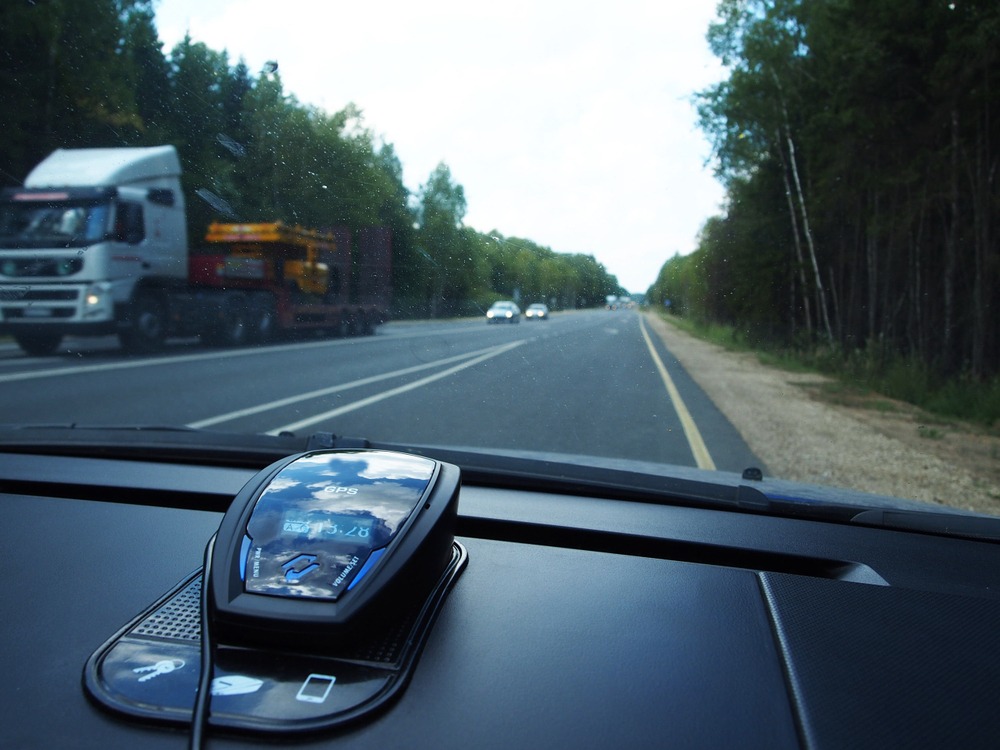
It’s also imperative for drivers to understand the distinction between radar detectors and laser jammers, as their legality differs significantly. A radar detector is a passive device designed simply to detect the presence of radar signals emitted by police speed guns, alerting the driver to their potential presence. It does not interfere with these signals; it merely listens. As established, these are generally legal for private vehicles in California.
A laser jammer, on the other hand, is an active device that attempts to prevent a police laser (LIDAR) gun from obtaining a speed reading by emitting its own infrared light to “jam” or confuse the laser gun. These devices are designed to actively interfere with law enforcement equipment. In California, like in many other states, laser jammers are illegal. Using or possessing a laser jammer can result in significant fines and penalties. The legal rationale is that jamming devices actively obstruct law enforcement’s ability to perform their duties, whereas detectors only provide information. Therefore, while equipping your car for a long drive with navigation apps and a radar detector might be a legal decision for enhancing awareness, adding a laser jammer would cross a clear legal line. Always ensure that any device you install in your vehicle for speed enforcement awareness is purely a detector and not a jammer, safeguarding your journey from unexpected legal complications and ensuring you can fully enjoy California’s diverse activities and experiences.
The Traveler’s Perspective: Why Consider a Radar Detector for Your California Journey?
For many visitors and residents alike, California is synonymous with road trips. The freedom of driving along scenic routes like Highway 1 past Big Sur, heading inland to explore national parks, or simply commuting between vibrant urban centers like San Francisco and Los Angeles, is a core part of the California experience. In this context, a radar detector can be more than just a novelty; it can be a tool that enhances awareness, promotes safer driving, and helps preserve your travel budget for more enjoyable pursuits, such as indulging in California cuisine or booking a stay in a luxurious resort. While it’s never an excuse for reckless driving, its utility for the responsible traveler is worth considering.
Navigating California’s Diverse Landscapes and Speed Limits
California’s road network is as varied as its geography. You’ll encounter sprawling multi-lane freeways in metropolitan areas with speed limits often reaching 65-70 mph, which can suddenly drop to 55 mph or lower in construction zones or more congested sections. Then there are winding mountain roads leading to Lake Tahoe, where limits are significantly lower, or rural highways through agricultural regions where speeds might fluctuate. The sheer diversity of these driving environments means that speed limits can change frequently and sometimes without extensive warning, especially for drivers unfamiliar with a particular stretch of road.
A radar detector can provide an invaluable early warning system in these situations. It doesn’t tell you the speed limit, but it alerts you to the presence of police radar, giving you time to check your speedometer, observe signage, and adjust your speed accordingly. This is particularly beneficial when traversing through areas where speed traps are common or where the speed limit drops abruptly after a long stretch of high-speed driving. For instance, transitioning from a desert highway into a small town in the Mojave Desert can often involve a sudden reduction in the speed limit. A detector can help you remain vigilant and avoid unintentionally exceeding the limit, ensuring your focus remains on enjoying the unique landmarks and scenic vistas rather than the anxiety of potential law enforcement encounters. This heightened awareness contributes significantly to a more relaxed and enjoyable travel experience, especially for those on an extended California tour.
Mitigating the Risk of Speeding Tickets on Road Trips
One of the less desirable souvenirs from a vacation is a speeding ticket. Beyond the immediate financial cost, which can be substantial (fines, court fees, traffic school costs), a ticket can also lead to points on your driving record and potentially higher insurance premiums. For visitors from other states or countries, dealing with a California traffic citation from afar can be a significant hassle, adding stress and expense long after the trip has ended.
A radar detector, used responsibly, serves as a proactive measure against inadvertent speeding. It acts as a safety net, reminding you to check your speed when a law enforcement presence is detected. This preventative approach can save travelers hundreds of dollars, which could instead be spent on enriching their journey – perhaps on an extra night at a luxury hotel, a memorable meal at a Michelin-starred restaurant in San Francisco, or an unforgettable excursion. For those on a budget travel plan, avoiding a costly ticket is even more critical, as it could severely impact their ability to continue their journey or enjoy planned activities. The peace of mind that comes from minimizing the risk of a ticket allows travelers to immerse themselves fully in the California experience, from exploring the Hollywood Sign to enjoying the vibrant beaches of Santa Monica.
A Tool for Awareness, Not for Recklessness
It is critical to emphasize that a radar detector is a tool for enhanced awareness and responsible driving, not an invitation to speed or drive recklessly. Its purpose is to provide an early warning that prompts a driver to verify their speed and adjust it to comply with the posted limits, especially in unfamiliar territory or where speed limit changes are frequent. A driver who relies on a radar detector to avoid tickets while habitually exceeding the speed limit is not using the device responsibly and is putting themselves and others at risk.
Responsible use means understanding that the detector is an aid to vigilance, not a substitute for it. Drivers should always pay attention to road signs, traffic conditions, and their speedometer. The goal is to drive defensively, within the legal speed limits, and to use the detector as an extra layer of information that helps maintain that discipline. For a family trip, ensuring safe driving practices is paramount. For a business stay, avoiding traffic violations means less disruption to your schedule and professional reputation. Ultimately, a radar detector, when integrated into a cautious and compliant driving strategy, can contribute to a safer, more informed, and ultimately more enjoyable California travel adventure, allowing you to fully appreciate the journey and the incredible attractions California has to offer.
Beyond the Detector: Safe Driving Practices and Alternatives
While radar detectors can be a legal and useful tool for enhancing driver awareness in California, they are just one component of a comprehensive approach to safe and compliant driving. The most effective strategies for avoiding speeding tickets and ensuring a pleasant journey involve fundamental driving practices and leveraging modern technological alternatives. For any traveler exploring California, from its iconic Golden Gate Bridge to its serene Redwood National Park, prioritizing safety and adherence to traffic laws should always be paramount, whether you’re staying in luxurious hotels or charming villas.
The Importance of Defensive Driving and Road Awareness
No electronic device can replace the vigilance and good judgment of a responsible driver. Defensive driving is the cornerstone of road safety and ticket avoidance. This means actively scanning the road ahead, anticipating potential hazards, maintaining a safe following distance, and being acutely aware of your surroundings, including speed limit signs, construction zones, and areas where speed limits might change. In California, with its varying terrains and traffic densities, these skills are particularly vital.
Understanding that speed limits are set for safety, based on road design, potential hazards, and traffic flow, is crucial. Driving consistently within the posted speed limits not only ensures legality but also significantly reduces the risk of accidents. For travelers exploring California’s many attractions, being present and attentive to the road allows for a deeper appreciation of the scenic beauty and helps avoid distractions that could lead to errors. This approach, centered on active participation in the driving experience, offers a far greater guarantee of a trouble-free journey than sole reliance on any device. It aligns perfectly with the ethos of responsible tourism, ensuring that your exploration of local culture and experiences remains positive.
Leveraging Modern Navigation Apps and Community Alerts
In the age of smartphones, several navigation applications have emerged as powerful tools for road awareness, often serving as a legal and highly effective alternative or complement to radar detectors. Apps like Waze, Google Maps, and Apple Maps do more than just provide directions; many integrate real-time traffic data, accident reports, and, crucially, user-submitted alerts for speed traps and police presence.
These community-driven alerts can be incredibly accurate and timely, providing warnings about radar, laser, or even visual speed enforcement points ahead. The advantage of such apps is that they are entirely legal, generally free, and provide a broader spectrum of information, including traffic jams, road closures, and alternative routes. For a traveler, these apps offer a comprehensive solution for navigating California’s intricate road system safely and efficiently, helping to avoid both congestion and potential speeding fines. They are particularly useful for those on a budget travel plan, as they offer similar benefits to a dedicated radar detector without an additional purchase. Furthermore, the ability to get real-time information about road conditions can be invaluable for planning daily activities or ensuring timely arrival for hotel bookings or tours.
Enjoying California Responsibly: Focus on the Experience
Ultimately, the goal of any trip to California should be to enjoy the wealth of experiences it offers. Whether you’re exploring the historic streets of Sacramento, hiking in the Sierra Nevada mountains, or indulging in the vibrant culinary scene of San Francisco, your attention should be on the adventure itself. Speeding, whether detected or not, introduces unnecessary risk and anxiety.
By focusing on responsible driving – adhering to speed limits, practicing defensive techniques, and utilizing available legal tools like navigation apps – you ensure that your journey through the Golden State remains positive and free from avoidable legal complications. This mindful approach to travel aligns perfectly with a lifestyle that values smooth transitions, memorable moments, and a deep appreciation for the destinations visited. It means more time enjoying the panoramic views from the Griffith Observatory in Los Angeles, savoring a meal in a charming Carmel Valley eatery, or simply relaxing at your chosen accommodation without the lingering concern of a pending traffic ticket. California is a state meant to be savored, not rushed through, and responsible driving ensures you get the most out of every moment.
Making Informed Decisions for Your California Travel Lifestyle
Navigating the roads of California offers an unparalleled adventure, a tapestry of experiences ranging from the bustling energy of its cities to the serene majesty of its natural landmarks. For many, the choice of whether or not to use a radar detector is a personal one, influenced by driving habits, travel frequency, and comfort level with technology. However, an informed decision is always the best one, ensuring that your approach to driving in the Golden State contributes positively to your overall travel lifestyle. Whether your trip involves a luxury travel experience with stays in lavish suites and resorts, or a more budget travel approach focused on camping and hostels, understanding the legal nuances and best practices for road safety is fundamental.
Balancing Convenience, Legality, and Safety
The decision to use a radar detector in California hinges on balancing the perceived convenience and awareness it offers against its legal standing and your personal commitment to safety. For private vehicle owners, the devices are legal, providing an early warning system that can prompt drivers to verify their speed and adhere to posted limits. This can be a valuable aid, especially on long road trips where attention might waver, or in unfamiliar areas where speed limit changes are frequent.
However, convenience should never overshadow legality and, more importantly, safety. A radar detector is not a license to speed but a tool to enhance vigilance. Relying solely on it without actively engaging in defensive driving and obeying traffic laws can lead to dangerous situations and negate any perceived benefit. The responsible traveler understands that true convenience comes from a smooth, safe journey, free from legal entanglements or accidents, allowing them to fully enjoy the myriad of tourism and attractions California has to offer. This balance ensures that funds are spent on memorable experiences or accommodations, not on fines.
Researching Local Regulations and Understanding Your Rights
While radar detectors are generally legal for private vehicles in California, it’s always prudent to be aware of any hyper-local regulations or specific rules that might apply to certain federal lands or jurisdictions you plan to visit. Before embarking on your journey, especially if crossing state lines or entering distinct federal areas, a quick check of the relevant regulations is a smart move. Websites of national parks, military bases, or specific federal agencies often outline their vehicle and equipment policies.
Understanding your rights as a driver is also essential. Knowing what is and isn’t permitted can prevent misunderstandings with law enforcement. If you are pulled over, even with a legal radar detector, always be polite and cooperative. The presence of a detector does not give you immunity from traffic laws, and officers may still issue citations for actual speeding or other violations. An informed driver is a confident driver, and this confidence contributes to a more relaxed and enjoyable travel experience.
The Ultimate Goal: A Smooth and Memorable California Adventure
Whether you choose to incorporate a radar detector into your travel gear or opt for a purely app-based approach, the ultimate goal remains the same: to have a smooth, safe, and memorable California adventure. The Golden State beckons with its incredible diversity – from the cultural richness of Los Angeles and San Francisco to the serene beauty of its natural parks and the allure of its coastal retreats. Every mile driven should be an opportunity to soak in these experiences, not to worry about potential fines or legal issues.
By adhering to speed limits, practicing defensive driving, and making informed choices about the tools you use, you can ensure that your California trip is everything you envision. This proactive approach allows you to fully engage with the local culture, enjoy the unparalleled scenery, and make the most of your hotel or accommodation choices, from charming apartments in Silicon Valley for a business stay to family-friendly suites near theme parks. Drive safely, stay informed, and let the wonders of California unfold before you, making every moment of your journey truly unforgettable.
LifeOutOfTheBox is a participant in the Amazon Services LLC Associates Program, an affiliate advertising program designed to provide a means for sites to earn advertising fees by advertising and linking to Amazon.com. Amazon, the Amazon logo, AmazonSupply, and the AmazonSupply logo are trademarks of Amazon.com, Inc. or its affiliates. As an Amazon Associate we earn affiliate commissions from qualifying purchases.