
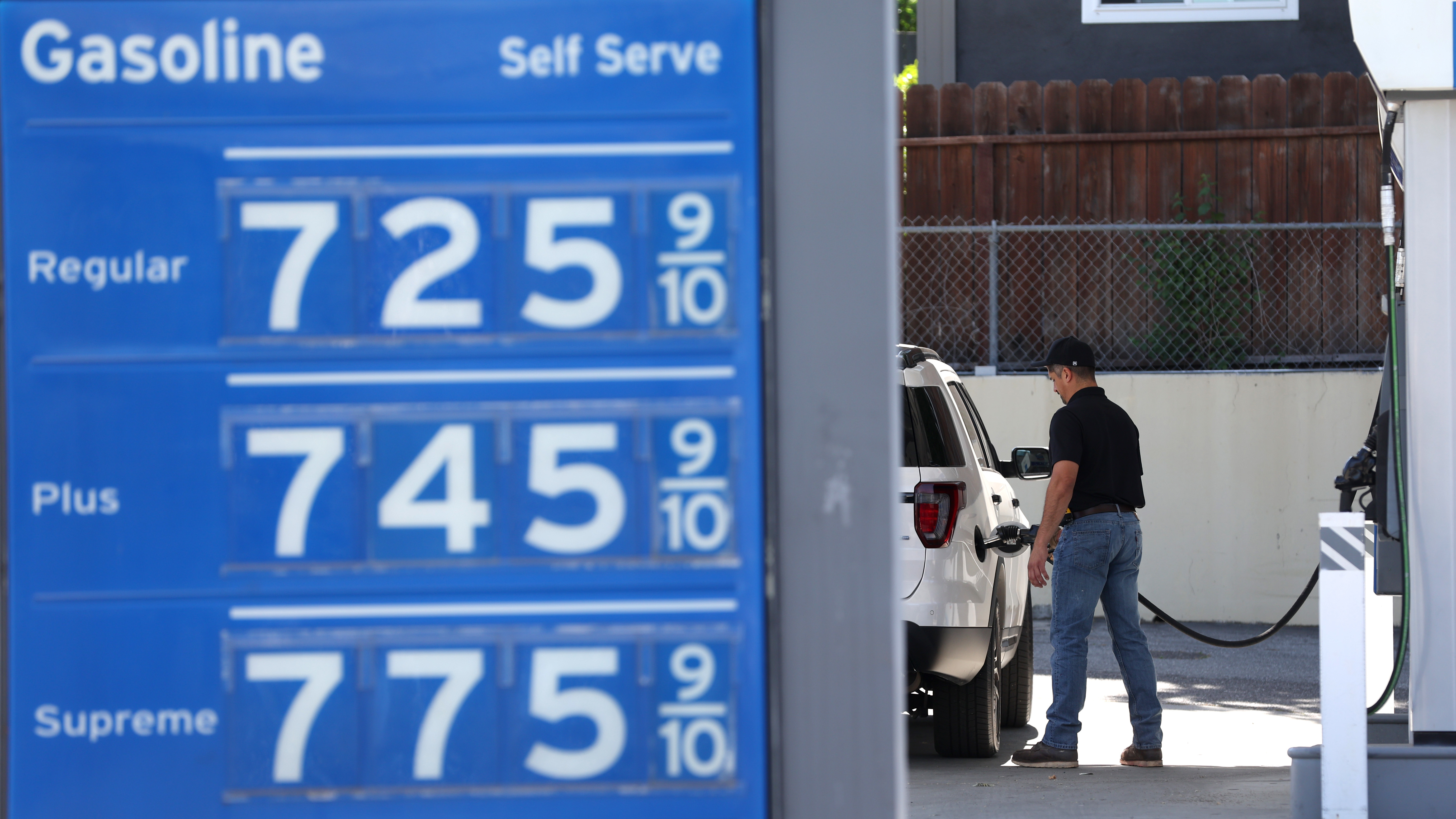
California conjures images of sun-drenched beaches, towering redwoods, bustling cities, and iconic road trips along the Pacific Coast Highway. It’s a dream destination for many, offering an unparalleled diversity of landscapes and experiences. However, for those planning to explore the Golden State, particularly by car, one question frequently arises: “How much is the gas in California?” This isn’t just a trivial inquiry; it’s a crucial component of any travel budget, often impacting everything from route planning to accommodation choices. Understanding the nuances of California’s fuel landscape is essential for a seamless and enjoyable journey, ensuring that the adventure of the open road doesn’t come with an unexpected financial shock.

The cost of fuel in California consistently ranks among the highest in the United States. This premium is influenced by a complex interplay of factors, from stringent environmental regulations to geographical logistics and market dynamics. For the savvy traveler, being aware of these elements, coupled with strategic planning, can transform potential concerns into manageable aspects of an unforgettable California travel experience. This guide aims to demystify the cost of gas in California, providing practical insights and actionable strategies to help you budget effectively and navigate the state’s vast expanses with confidence.
Understanding California’s Unique Fuel Landscape
The first step in planning your California road trip is to grasp why gas prices here differ so significantly from other parts of the country. It’s not just an arbitrary figure; it’s the result of several intertwined factors unique to the Golden State.
The Golden State’s Price Premium
At the heart of California’s high gas prices are its progressive environmental policies and strategic market position. The state imposes a series of taxes that directly contribute to the pump price. These include state excise taxes, sales taxes, and a specific carbon tax aimed at funding climate change initiatives. On top of federal taxes, these state-specific levies add a substantial per-gallon cost that isn’t seen in most other states.
Beyond taxation, California mandates a unique, cleaner-burning gasoline formulation to combat air pollution, particularly in its densely populated urban centers like Los Angeles and San Francisco. This special blend is more expensive to produce and refine, requiring specialized infrastructure and processes. Furthermore, California operates as an “island market” for fuel; it has limited pipeline connections to other states, meaning most of its gasoline must be refined within the state or imported via ship. Any disruption to its refineries or supply chain can quickly lead to price spikes due to limited alternative sources. High demand from its massive population and robust economy also plays a role, creating a persistent upward pressure on prices.
Regional Variations Across the State
While California generally has high gas prices, these costs are far from uniform across its vast territory. Travelers will quickly notice significant variations depending on their location. Major metropolitan areas like Los Angeles, San Francisco, and San Jose typically feature some of the highest prices due to higher local taxes, greater population density, and increased demand. Finding gas stations in these urban centers can be convenient, but expect to pay a premium.
Conversely, some areas, particularly in the Central Valley and other inland regions away from major tourist routes, may offer slightly lower prices. However, this isn’t always a hard and fast rule. Remote areas and popular tourist destinations, such as those near Yosemite National Park or Death Valley National Park, can often command exceptionally high prices. With fewer gas stations and limited competition, these locations capitalize on the necessity of travelers who neglected to fill up in more affordable areas. Understanding these regional differences is crucial for strategic fueling and budget management.
Practical Strategies for Managing Gas Costs on Your California Trip
High gas prices don’t have to derail your California adventure. With a few smart strategies, you can significantly mitigate the impact on your travel budget and enjoy the journey without constant worry.
Planning Your Route Wisely
One of the most effective ways to save on gas is to be strategic about your driving and refueling. Before hitting the road, utilize fuel-price tracking apps like GasBuddy or similar services. These apps provide real-time data on gas prices at stations in your vicinity or along your planned route, allowing you to identify the most affordable options. It’s often worth driving a few extra miles off a main highway to save a significant amount per gallon, especially if you’re filling up a large tank.
Map out your fuel stops in advance, particularly when traveling through remote areas or approaching national parks where gas stations are scarce and prices soar. Aim to fill up in larger towns or cities where competition among stations tends to keep prices lower. Avoid filling up right off major highway exits or in small, isolated communities if possible. Additionally, consider the most fuel-efficient routes—sometimes a slightly longer but less congested path can save more fuel than a shorter, stop-and-go route through heavy traffic.
Vehicle Efficiency and Maintenance
The type of vehicle you drive and how you drive it can make a substantial difference in your overall fuel consumption. If you’re renting a car, opt for a fuel-efficient model, such as a compact sedan or a hybrid, especially if you plan extensive driving. While SUVs or larger vehicles might offer more space, their lower MPG will cost you more at the pump.
Beyond vehicle choice, adopting fuel-efficient driving habits is key. Maintain steady speeds, avoid aggressive acceleration and braking, and use cruise control on highways. Ensure your tires are properly inflated, as underinflated tires can significantly reduce fuel economy. Remove unnecessary weight from your vehicle and avoid using roof racks or external carriers unless absolutely essential, as they create drag and increase fuel consumption. A well-maintained vehicle, with regular oil changes and engine tune-ups, also performs more efficiently.
Alternative Transportation & Travel Styles
While a car is almost essential for exploring much of California, especially its national parks and scenic drives, consider integrating alternative transportation options where feasible. In major cities like Los Angeles, San Francisco, and San Diego, robust public transportation systems can help you navigate urban attractions without constantly needing your car. The Bay Area Rapid Transit (BART) in the San Francisco Bay Area and the LA Metro in Los Angeles offer extensive networks. Ride-sharing services like Uber and Lyft are also readily available.
California is a leader in electric vehicle (EV) adoption and infrastructure. If you’re open to it, consider renting an EV for your trip. The state boasts an extensive network of charging stations, making it increasingly practical for longer journeys. While charging costs vary, they are often significantly less than gasoline, and many hotels or attractions offer complimentary charging. For shorter distances within tourist areas, walking, biking, or even electric scooter rentals can be pleasant and cost-effective ways to explore.
Budgeting for Fuel: An Essential Component of Your California Adventure
Treating fuel costs as an afterthought is a common mistake that can lead to budget overruns. Integrating fuel expenses into your overall travel plan from the outset is crucial for a stress-free trip to California.
Estimating Your Fuel Costs
To accurately budget for fuel, you’ll need a few key pieces of information. First, calculate the total estimated mileage for your planned itinerary. This can be done using online mapping tools. Next, determine the average miles per gallon (MPG) of your vehicle (or your rental car). Finally, research the current average gas prices in California using online resources or apps.
With these figures, a simple calculation can give you a solid estimate:
(Total Miles / MPG) x Average Price Per Gallon = Estimated Fuel Cost
However, it’s always wise to add a buffer—at least 15-20%—to this estimate. Gas prices can fluctuate unexpectedly, and you might take unplanned detours or spend more time driving than initially anticipated. Factoring in this contingency ensures you’re prepared for any surprises.
Incorporating Fuel into Your Overall Travel Budget
While the sticker price of gas in California might seem daunting, it’s important to view it in the context of your entire travel budget. Compare your estimated fuel costs to other significant expenses like accommodation, food, and attraction entry fees. For some, especially those embarking on extensive road trips, fuel might be one of the largest single costs after lodging.
Understanding this balance can influence other travel choices. For example, if fuel costs are high, you might opt for slightly cheaper accommodation to balance the budget. Conversely, if you prioritize staying at a specific resort, you might need to adjust your driving plans or choose cheaper dining options. Don’t underestimate this expense; a well-prepared fuel budget ensures that you can fully enjoy California’s offerings without constantly worrying about your wallet.
Exploring California’s Diverse Regions: Fuel Considerations for Specific Destinations
California’s vast geographical diversity means that fuel considerations will vary greatly depending on where your travels take you. Understanding these regional nuances can further refine your planning.
Coastal Drives and Urban Exploration
Embarking on a journey along the Pacific Coast Highway (Highway 1) from San Francisco down to San Diego is a quintessential California experience. While the views are breathtaking, be prepared for potentially higher gas prices in popular coastal towns like Monterey, Santa Barbara, and the major cities. Gas stations are generally plentiful, but prices reflect the desirability of these locations. Fill up before entering isolated stretches of Highway 1 where options are few and far between. In cities like Los Angeles and San Diego, leverage public transport or ride-shares for local sightseeing to reduce driving within congested areas and minimize gas consumption.
National Parks and Remote Wilderness
California is home to an incredible array of national parks, including Yosemite National Park, Sequoia National Park, Joshua Tree National Park, and Death Valley National Park. These remote destinations present unique fueling challenges. Gas stations within or immediately adjacent to national parks are exceedingly rare and, when found, often charge exorbitant prices due to their isolated location and captive audience.
The golden rule for visiting California’s national parks is to fill your tank completely before you enter the park boundaries or any extended remote areas. Towns just outside the park entrances will typically have more competitive pricing. Pay attention to your fuel gauge, especially when exploring vast areas like Death Valley, where distances between services can be hundreds of miles.
Desert and Inland Adventures
Venturing into California’s desert regions, like Palm Springs, or to mountain escapes like Lake Tahoe, also requires forethought. Distances can be significant, and towns with services might be spaced far apart. While prices in some inland valley areas can be relatively lower, specific resort towns or popular recreational spots can see spikes. For instance, gas prices around Lake Tahoe can be higher due to tourism demand and mountainous logistics. Always plan your fuel stops to avoid getting stranded or paying premium prices out of necessity.

Conclusion
The question “How much is the gas in California?” is a valid and important one for any traveler to the Golden State. While it’s true that California consistently ranks among the most expensive states for fuel, this reality should not deter you from experiencing its breathtaking beauty and diverse attractions. By understanding the underlying reasons for the price premium, strategizing your fuel stops, embracing efficient driving habits, and considering alternative transportation where appropriate, you can effectively manage this aspect of your travel budget.
Ultimately, a well-planned approach to fuel costs allows you to focus on what truly matters: soaking in the unparalleled beauty of the Pacific Coast Highway, marveling at the giant sequoias in Yosemite National Park, exploring the vibrant culture of Los Angeles, or relaxing in Palm Springs. With mindful preparation, the cost of gas becomes a manageable detail, ensuring your California adventure is as smooth and enjoyable as the open road itself.
LifeOutOfTheBox is a participant in the Amazon Services LLC Associates Program, an affiliate advertising program designed to provide a means for sites to earn advertising fees by advertising and linking to Amazon.com. Amazon, the Amazon logo, AmazonSupply, and the AmazonSupply logo are trademarks of Amazon.com, Inc. or its affiliates. As an Amazon Associate we earn affiliate commissions from qualifying purchases.