
California, a state renowned for its breathtaking landscapes, innovative spirit, and diverse cultural tapestry, is a magnet for tourists, business travelers, and those seeking a new lifestyle. From the golden beaches of San Diego to the tech hubs of Silicon Valley and the vineyards of Napa Valley, the Golden State offers an unparalleled array of experiences. However, navigating the financial landscape of California requires a clear understanding of its tax structure. Whether you’re planning a budget-conscious road trip, a luxurious retreat, a business stay, or even considering a long-term move, taxes will inevitably factor into your financial planning and overall lifestyle choices.
Understanding “the tax” in California isn’t as simple as identifying a single percentage. Instead, it involves a mosaic of different levies that apply to various goods, services, and income streams. This comprehensive guide aims to demystify California’s tax environment, providing insights into sales tax, accommodation taxes, and other critical considerations that impact your finances, ensuring you can plan your visit or stay with confidence and clarity. By grasping these financial nuances, you can better manage your expenditures, make informed decisions, and fully enjoy all that this dynamic state has to offer, aligning your spending with your chosen lifestyle.
Understanding California’s Sales Tax: A Daily Lifestyle Impact
Sales tax is perhaps the most ubiquitous tax you’ll encounter in California, affecting nearly every purchase you make, from a morning coffee to souvenirs and retail therapy. It’s a critical component of budgeting for daily expenses, whether you’re traveling light or indulging in California’s famed shopping districts. Understanding how it works is essential for anyone spending time in the state, directly influencing your budget and spending habits.
The Statewide Base Rate and Local Add-ons
California has a statewide sales tax rate, which currently stands at 7.25%. However, this is just the baseline. What makes California’s sales tax particularly complex is the addition of local district taxes, which can vary significantly from one city or county to another. These local add-ons fund various municipal services, from transportation improvements to public safety, and can push the combined sales tax rate considerably higher.
For instance, if you’re exploring the vibrant neighborhoods of Los Angeles, you’ll encounter a combined sales tax rate that can reach up to 9.5% or even 10.25% in certain areas. Similarly, a shopping spree in the cosmopolitan city of San Francisco will see rates that often exceed 8.5%. Even seemingly smaller cities and counties, like Anaheim with its popular theme parks or Sacramento, the state capital, have their own distinct local rates. This means that the exact amount of sales tax you pay can change simply by crossing a city or county line, a crucial detail for those on a strict budget or looking to maximize their purchasing power. Always check the local rates for your specific destination to avoid surprises.
What Goods and Services Are Taxable?
The majority of tangible personal property sold in California is subject to sales tax. This includes a wide range of items that tourists and residents alike commonly purchase:
- Retail Goods: Clothing, electronics, souvenirs, books, and general merchandise.
- Prepared Food: Meals purchased at restaurants, cafes, and even certain hot foods from grocery stores are typically taxed. If you buy groceries to cook yourself, many staple food items are exempt, but prepared foods or items consumed on-premises are generally taxable.
- Soft Drinks and Candy: While some basic food items are exempt, many beverages and confectionery products are subject to sales tax.
- Rental Items: Short-term rentals of items like cars, equipment, and even some personal property can be subject to sales tax.
However, certain items and services are exempt from sales tax. Most notably, essential groceries (unprepared food items) purchased for home consumption are typically exempt. Certain medical devices, prescription medications, and utilities are also generally not taxed. Understanding these distinctions can help you make more financially savvy decisions, especially when managing your daily expenses during your California adventure.
How Sales Tax Affects Budget Travel and Everyday Spending
For budget travelers and those conscious of their everyday spending, sales tax can accumulate quickly. A seemingly small percentage can add up significantly over the course of a trip or extended stay.
- Dining Out: If you plan to enjoy California’s’s renowned culinary scene, remember that the sales tax will be applied to your entire bill, often before gratuity. Opting for self-catering with groceries (which are largely untaxed) can offer considerable savings.
- Shopping: For shoppers, comparing prices across different cities or even online retailers (if shipping from out-of-state) can sometimes yield savings, although California’s strict sales tax nexus rules mean most online purchases are now taxed.
- Souvenirs: Factor in the sales tax when purchasing gifts or mementos, as it will increase the final cost.
- Fuel: While fuel itself has various taxes embedded in its price, sales tax isn’t typically applied at the pump on top of the listed price.
By being mindful of the sales tax rates in the areas you visit and distinguishing between taxable and non-taxable items, you can effectively manage your daily spending and ensure your California lifestyle remains within your financial comfort zone.
Navigating Accommodation Taxes: For Every Type of Stay
When planning a trip to California, whether for a few nights or an extended period, the cost of accommodation is often one of the largest expenditures. Beyond the nightly rate, understanding “hotel taxes” or Transient Occupancy Taxes (TOT) is crucial, as these can add a significant percentage to your total bill, impacting both luxury and budget-focused travel lifestyles.
Transient Occupancy Tax (TOT) Explained
The Transient Occupancy Tax, commonly referred to as TOT or hotel tax, is a levy imposed by cities and counties on guests staying in hotels, motels, bed and breakfasts, and often, short-term vacation rentals. This tax is specifically designed for “transient” occupants, meaning individuals who stay for a relatively short duration (typically 30 days or less). The revenue generated from TOT is a vital source of funding for local governments, often used to support tourism promotion, public services, and infrastructure development within the community. Unlike sales tax, which has a statewide base, TOT rates are set independently by individual municipalities, leading to considerable variation across California.
Varying Rates Across Cities
The rate of TOT can differ dramatically depending on where you choose to stay, directly influencing your accommodation budget.
- Major Urban Centers: Popular tourist destinations like Los Angeles and San Francisco typically have higher TOT rates, often ranging from 14% to 16%. In San Francisco, for example, the combined TOT rate for hotels is currently around 14%, plus additional fees. Los Angeles County’s rate is 12%, but individual cities within the county, like Santa Monica, might have their own rates that push the total higher.
- Tourist Hotspots: Areas renowned for specific attractions, such as Anaheim (home to Disneyland Resort) or the wine regions of Napa Valley and Sonoma County, also tend to have elevated TOT rates to capitalize on the high volume of visitors.
- Smaller Towns and Rural Areas: While still present, TOT rates in less populated areas or smaller towns might be slightly lower, though this isn’t always a guarantee.
It’s crucial to check the specific TOT rate for your chosen destination before booking, as these taxes can add hundreds of dollars to the cost of a multi-night stay, especially in high-end accommodations.
Impact on Luxury and Budget Stays
The impact of TOT is felt across all types of accommodations, regardless of your chosen lifestyle or budget.
- Luxury Stays: For those indulging in a luxury travel lifestyle, a 15% tax on a $1,000-per-night suite adds $150 to the nightly cost, quickly accumulating to a significant sum over several nights. While perhaps less impactful on the overall budget of a luxury traveler, it’s still a substantial hidden cost.
- Budget Stays: For budget travelers, a 15% tax on a $150-per-night motel room adds $22.50 per night. While seemingly smaller, this percentage can represent a significant portion of a tight budget, potentially forcing travelers to cut back on other experiences or activities. Every dollar counts when managing a budget travel lifestyle.
Short-Term Rentals vs. Traditional Hotels
In recent years, the rise of short-term rental platforms has introduced new complexities. Initially, many short-term rentals operated outside the traditional hotel tax structure. However, most California cities and counties have now extended TOT regulations to include these rentals. This means that staying in an Airbnb or VRBO property will generally incur the same or a similar Transient Occupancy Tax as a traditional hotel room. Some platforms automatically collect and remit these taxes, but it’s always wise to verify this before booking to ensure there are no unexpected charges. Moreover, some jurisdictions may have additional permitting or licensing fees specifically for short-term rentals, which might indirectly be passed on to guests. Understanding these nuances is key for any traveler, whether they prefer the privacy of a rental or the amenities of a hotel.
Income and Other Taxes: Broader Lifestyle Considerations
While sales and accommodation taxes are the most immediately noticeable for visitors, California’s tax landscape extends far beyond these. For those considering longer stays, working remotely from California, or even just navigating the state by car, other taxes can significantly impact your financial planning and overall lifestyle costs.
Personal Income Tax for Residents and Non-Residents
California is known for having one of the highest state personal income tax rates in the nation, which can significantly impact those earning income within the state.
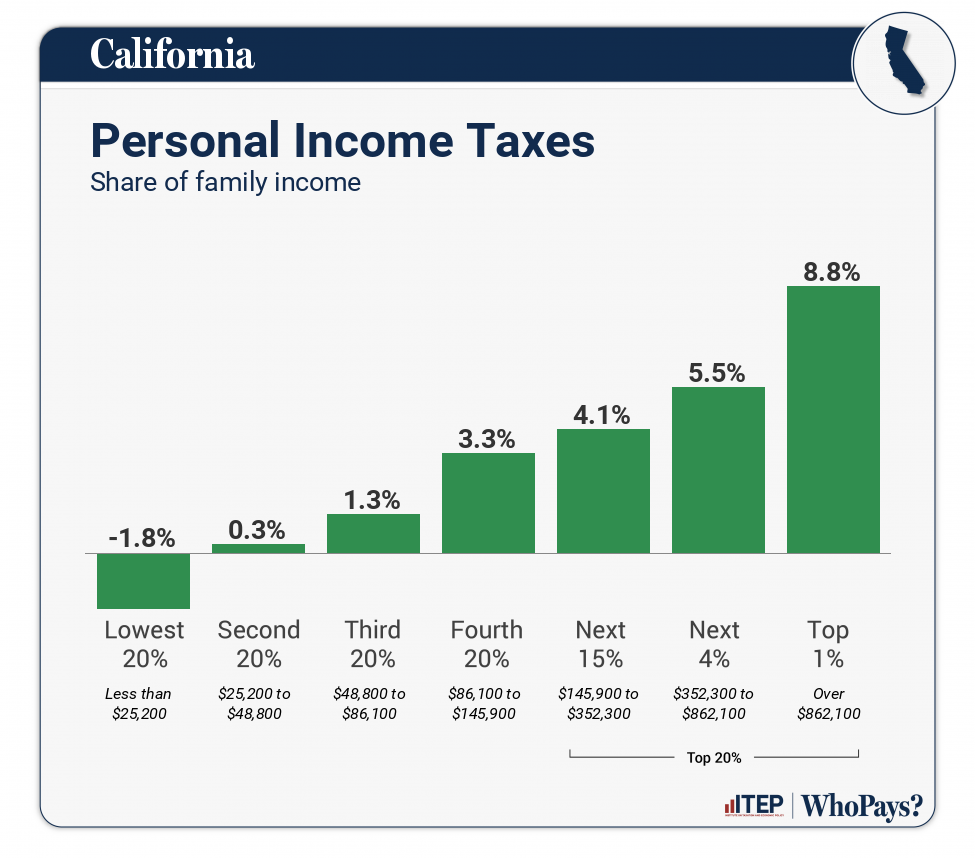
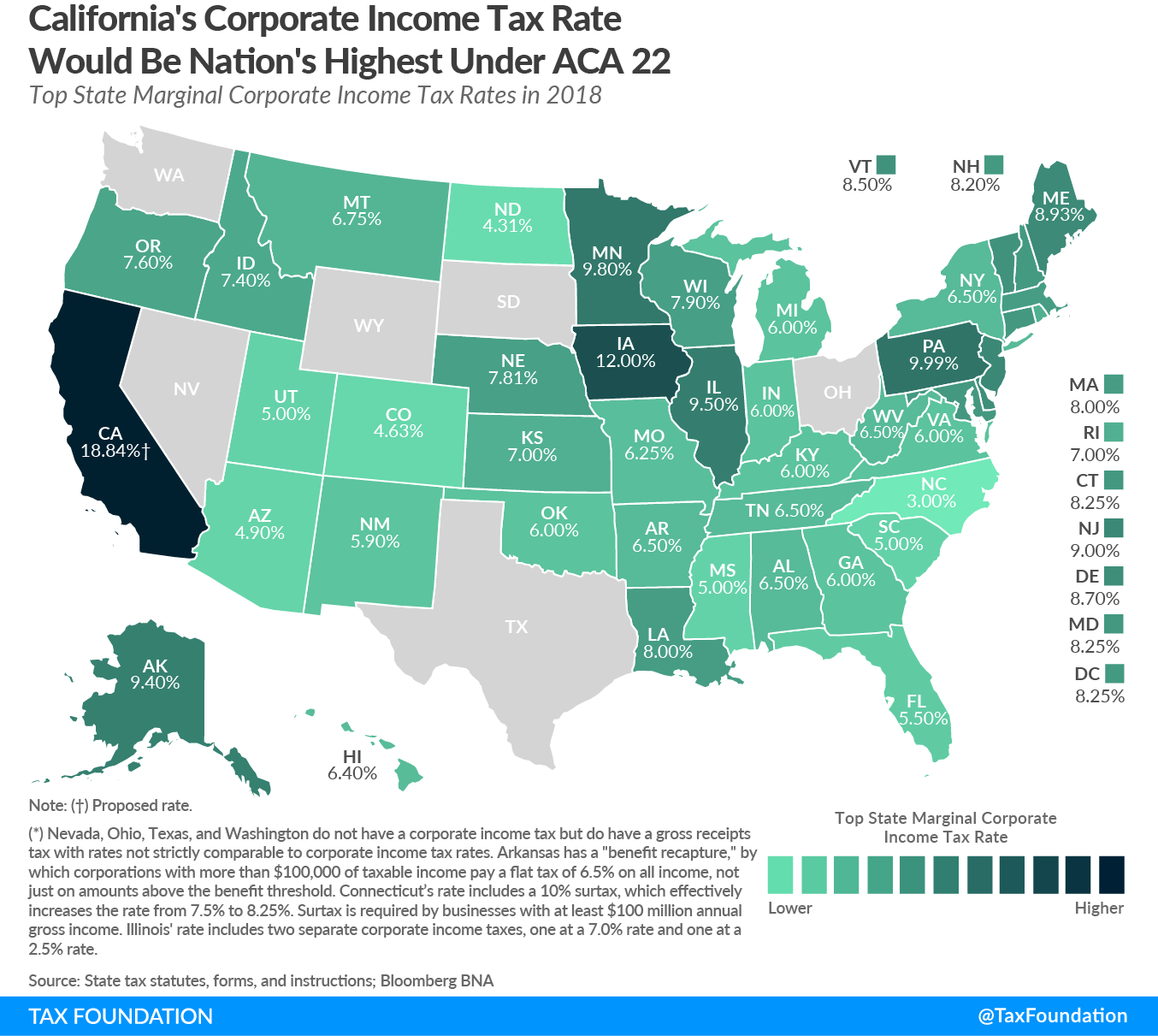
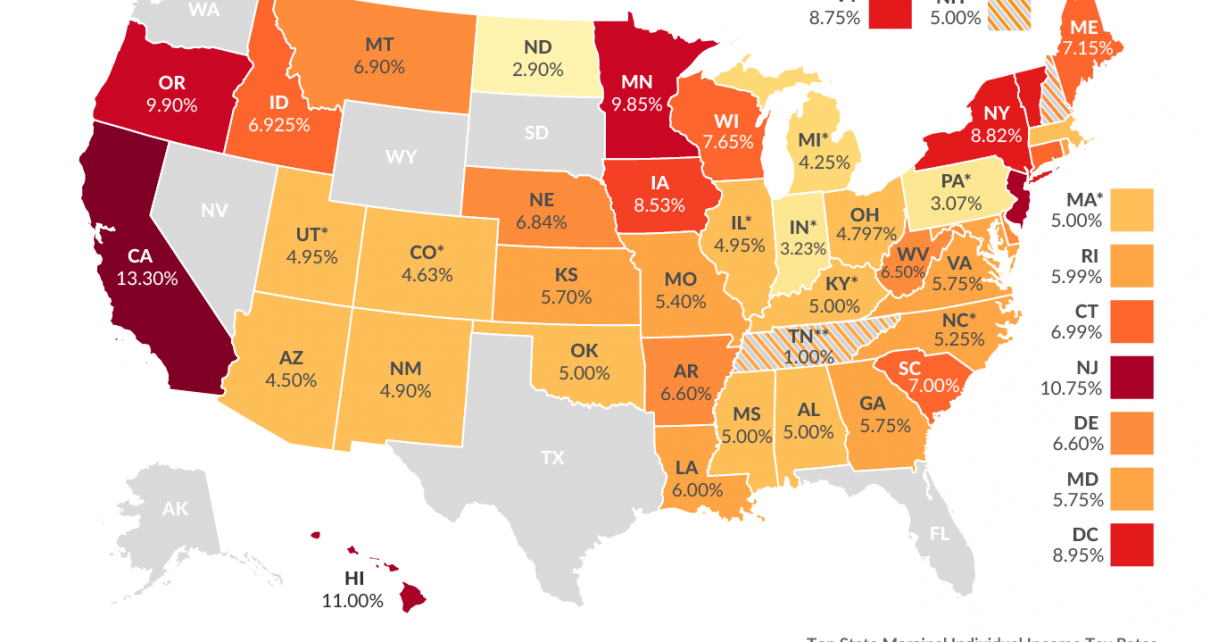
- Residents: If you establish residency in California, you are subject to state income tax on all your income, regardless of where it’s earned. The marginal tax rates are progressive, ranging from 1% to 12.3%, with an additional 1% surcharge on incomes over $1 million for mental health services, bringing the top marginal rate to 13.3%. This is a critical consideration for anyone planning a long-term stay or relocation.
- Non-Residents: Even non-residents can be subject to California income tax on income derived from California sources. This could include wages for work performed in the state, income from a California business, or rental income from California property. While complex, understanding these rules is vital for business travelers, digital nomads, or anyone earning income while temporarily in the state. Proper tax planning is essential to avoid unexpected liabilities, especially for those who frequently move between states or maintain a flexible work lifestyle.
Fuel Taxes and Transportation Costs
For those planning a road trip along Highway 1 or simply renting a car to explore local attractions, fuel costs will be a significant expense, heavily influenced by state and federal taxes. California has some of the highest gasoline prices in the United States, partly due to its substantial fuel taxes.
- State Excise Tax: California levies a high state excise tax on gasoline, which is adjusted annually. This tax contributes significantly to road maintenance and infrastructure projects.
- Cap-and-Trade Fees: Additional costs are integrated into fuel prices due to the state’s cap-and-trade program, aimed at reducing greenhouse gas emissions.
- Other Fees: Various other federal and state taxes and fees, including a sales tax on the state excise tax, further drive up prices at the pump.
These combined taxes mean that filling up your tank in California will be notably more expensive than in many other states. Budgeting for higher fuel costs is an absolute necessity for anyone relying on personal or rental vehicles for their California lifestyle.
Rental Car Taxes and Fees
Beyond fuel, renting a car in California involves its own set of taxes and fees that can substantially increase the quoted daily rate.
- Sales Tax: While fuel sales tax is different, the rental itself is subject to the general sales tax rate of the location where the car is rented, which, as discussed, can vary.
- Tourism Fees/Surcharges: Many rental car companies and airport locations impose additional fees, often labeled as “tourism fees,” “concession recovery fees,” or “vehicle license recovery fees.” These charges can add a considerable percentage to your rental bill.
- Stadium/Convention Center Fees: In certain cities, additional surcharges may be applied to rental cars to help fund local stadiums or convention centers, particularly if renting from an airport serving a major metropolitan area like Los Angeles International Airport or San Francisco International Airport.
These taxes and fees are often not included in the initial quoted price and can come as a surprise when you see the final bill. Always factor in these additional costs when budgeting for car rentals, especially if you plan to explore California’s vast landscapes by road.
Tax Exemptions and Rebates: Opportunities for Savvy Planners
While California’s tax structure can seem daunting, there are certain exemptions and strategies that savvy individuals can employ to manage their expenses more effectively. Understanding what is and isn’t taxed, and how to plan around these rules, can have a tangible impact on your financial lifestyle, whether you’re a short-term visitor or considering a longer stay.
Common Exemptions
The most widely applicable exemption for daily living and travel in California relates to food products.
- Untaxed Groceries: Most essential, unprepared food items purchased at grocery stores for home consumption are exempt from sales tax. This includes fresh produce, meats, dairy, and packaged goods that require further preparation. This is a significant consideration for budget travelers or long-term visitors who prefer to cook some of their meals.
- Prescription Medications: Prescription drugs and certain medical devices are also exempt from sales tax, easing the burden on healthcare-related expenses.
- Services: Generally, services are not subject to sales tax in California, unless they are part of the sale of a tangible product (e.g., labor to create a custom item). This means professional services, haircuts, or entry fees to attractions are typically not subject to the general sales tax, though specific local taxes might apply to certain services like entertainment.
Being aware of these exemptions allows you to make more cost-effective choices, like opting for grocery shopping over dining out, which can significantly reduce your daily taxable spending.
Understanding Tourism-Related Tax Relief
Unlike some other countries that offer VAT (Value Added Tax) refunds to tourists on purchases, California, like the rest of the United States, does not have a statewide sales tax refund program for tourists on retail purchases. Once sales tax is paid, it generally cannot be recovered. This means that travelers should not expect to reclaim sales tax on souvenirs or other goods purchased during their visit.
However, there are indirect ways to manage tax impacts related to tourism:
- Business Expenses: For business travelers, many taxes paid, such as those on accommodations, transportation, and meals, can often be expensed against taxable income, depending on their home country’s and company’s tax regulations. Keeping detailed records is crucial for this.
- Tax-Deductible Donations: If you choose to donate to a California charity during your stay, these donations may be tax-deductible for U.S. citizens and residents, potentially offering a form of tax relief.
Planning Ahead: Maximizing Your California Budget
Effective financial planning is key to maximizing your budget and enhancing your lifestyle experience in California.
- Research Local Rates: Before booking accommodation or making major purchases, always research the specific sales tax and TOT rates for the cities and counties you plan to visit. Websites for local tourism boards or city halls often provide this information.
- All-Inclusive Pricing: When comparing hotels or vacation packages, look for options that explicitly state “all taxes included” to get a clearer picture of the final cost upfront.
- Grocery Shopping: For longer stays or budget travel, utilize grocery stores for meals, leveraging the sales tax exemption on unprepared food.
- Fuel Efficiency: If driving, opt for fuel-efficient vehicles to mitigate the impact of high fuel taxes. Plan your routes to avoid unnecessary driving.
- Rental Car Due Diligence: Scrutinize rental car quotes for all hidden taxes and fees before confirming your booking.
By proactively addressing these tax considerations, you can ensure your California adventure is as financially smooth as it is memorable, allowing you to focus on the experiences that define your chosen lifestyle.
In conclusion, understanding “the tax” in California is an ongoing exercise in awareness and planning. From the varying sales tax rates that affect daily purchases to the significant Transient Occupancy Taxes impacting your choice of stay, and the broader implications of income and fuel taxes, each layer contributes to the overall cost of experiencing the Golden State. While California’s tax environment is certainly one of the more complex and, in some areas, higher in the nation, armed with this knowledge, you are better equipped to make informed financial decisions. Whether you’re here for leisure, business, or to embark on a new chapter, a clear understanding of these taxes is fundamental to successfully navigating your lifestyle in California, ensuring your budget aligns with your aspirations.
LifeOutOfTheBox is a participant in the Amazon Services LLC Associates Program, an affiliate advertising program designed to provide a means for sites to earn advertising fees by advertising and linking to Amazon.com. Amazon, the Amazon logo, AmazonSupply, and the AmazonSupply logo are trademarks of Amazon.com, Inc. or its affiliates. As an Amazon Associate we earn affiliate commissions from qualifying purchases.