
The golden state of California, a beacon for dreamers, innovators, and travelers alike, is globally renowned for its diverse landscapes, vibrant cities, and iconic landmarks. From the sun-kissed beaches of Southern California to the majestic forests of Northern California, it offers an unparalleled tapestry of experiences. However, California’s beauty is often accompanied by the formidable challenge of wildfires, a recurring natural phenomenon that can significantly impact its communities, natural ecosystems, and, inevitably, its thriving tourism industry. When planning a trip to this magnificent part of the United States, a pertinent question often arises, especially during certain seasons: “Are the California fires contained?”
This question, while seemingly straightforward, carries layers of complexity, reflecting the dynamic nature of these events and their far-reaching consequences. For those considering a journey filled with adventure, relaxation, or cultural immersion, understanding the current fire situation is paramount. This article aims to provide a comprehensive overview of the wildfire landscape in California, delving into containment efforts, the practical implications for travel and accommodation, and how visitors can responsibly plan their trips to support the state’s resilience.
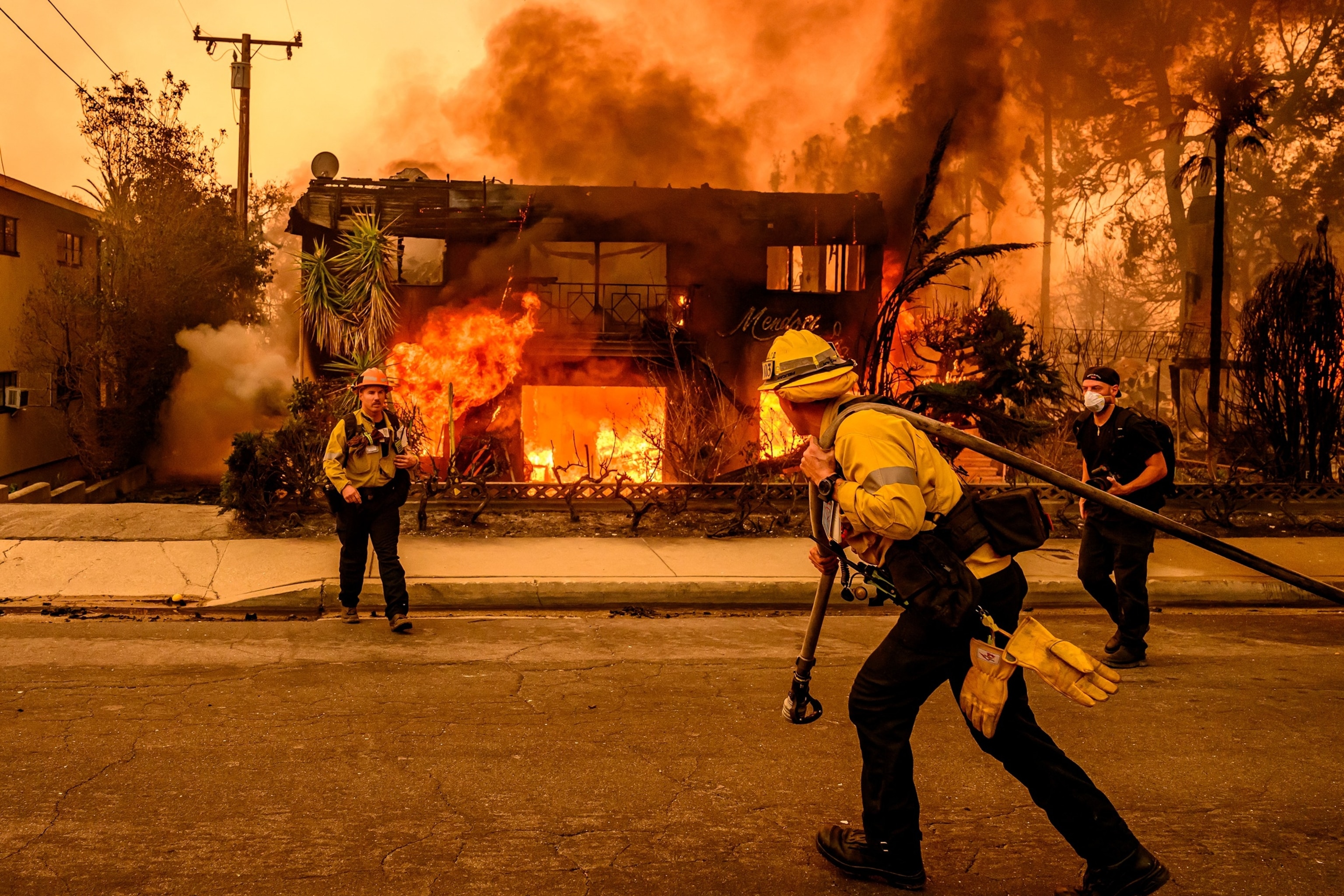
Understanding California’s Fire Landscape and Current Status
California’s unique geography, Mediterranean climate, and historical land management practices make it particularly susceptible to wildfires. The fire season, typically extending from late spring through late autumn, can sometimes stretch even longer due to changing climatic patterns. These fires, fueled by dry vegetation, strong winds (like the Santa Ana and Diablo winds), and often exacerbated by human activity or lightning strikes, can spread rapidly and pose significant threats.
The Annual Challenge: California’s Wildfire Season
Wildfires are not a new phenomenon in California; they are an integral, albeit destructive, part of its ecological cycle. However, in recent years, their intensity, frequency, and sheer scale have grown, largely attributed to prolonged droughts and rising global temperatures. This has transformed fire season into a critical concern for residents and potential tourists alike. Understanding the general period of heightened risk is the first step for any traveler. While fire incidents can occur year-round, the late summer and fall months generally witness the largest and most destructive blazes. Agencies like CAL FIRE and the National Park Service work tirelessly throughout the year, not only to suppress active fires but also to conduct controlled burns and maintain fuel breaks, aiming to mitigate the risks. Yet, the vastness of the state’s wildlands means complete prevention or immediate containment of every ignition is often an impossible task.

Key Incidents and Their Geographical Impact
Historically, wildfires have impacted various parts of California with varying degrees of severity. Regions like the coastal mountains of Southern California, the forested areas of the Sierra Nevada, and the wine countries of Napa Valley and Sonoma Valley have frequently faced the brunt of these events. Major fires can lead to widespread evacuations, road closures, and significant damage to infrastructure and natural habitats. For instance, some years have seen fires threaten iconic locations such as parts of Yosemite National Park, the picturesque coastline of Big Sur, or the communities surrounding Lake Tahoe.
It’s crucial to remember that “fires” in California is rarely a monolithic event. There are often multiple active fires across the state, each with its own containment status, size, and impact zone. A fire in Northern California might have no bearing on travel plans to San Diego, for example. Therefore, understanding the specific location and status of any active incidents is essential for informed travel planning.

Containment Efforts and the Road to Recovery
The term “contained” is key in the context of wildfires. It signifies that a control line has been established around the perimeter of a fire, preventing it from spreading further. It does not necessarily mean the fire is out, but rather that firefighters have gained control over its boundaries. Full extinguishment can take days, weeks, or even months, depending on the fire’s size and terrain. Firefighters, often a coalition of state (CAL FIRE), federal (US Forest Service), and local agencies, employ a multi-faceted approach involving ground crews, air tankers, helicopters, and heavy equipment.
Post-containment, the focus shifts to mop-up operations, addressing hot spots, and beginning the long process of recovery and rehabilitation. For affected communities, this involves rebuilding homes and infrastructure. For natural areas, it means mitigating erosion risks and supporting ecological restoration. For the tourism sector, it involves assessing damage to attractions, hotels, and travel routes, and preparing for eventual reopening, often with new safety protocols or changed landscapes. The state of California is remarkably resilient, and recovery efforts often highlight the incredible spirit of its residents and public servants.
Navigating Travel and Tourism in Fire-Affected Regions
For travelers, the presence of wildfires raises important questions about safety, accessibility, and the overall experience. While headlines often focus on the destruction, it’s vital to put the situation into perspective and understand how to navigate travel responsibly.
Prioritizing Safety: Advice for Prospective Travelers
The foremost consideration for any traveler should be safety. Before and during your trip, it is imperative to stay informed about current fire conditions in your intended destinations. Official sources such as CAL FIRE, the National Weather Service, and local county emergency services websites are invaluable. These resources provide real-time updates on active incidents, containment percentages, evacuation orders, and road closures. Travelers should always heed warnings and advisories from authorities. If a particular area is under an evacuation order or has severe air quality warnings, it is not safe or responsible to visit. Travel insurance policies often include provisions for natural disasters, so reviewing your coverage is also a wise step. Flexibility in travel plans, with alternative routes or destinations in mind, can also be beneficial during fire season.
Impact on Iconic Destinations and Landmarks
California’s appeal lies in its iconic landmarks and diverse attractions. From the towering redwoods of Redwood National and State Parks to the vibrant nightlife of Los Angeles and San Francisco, there’s an endless array of experiences. Wildfires can, directly or indirectly, affect these destinations.
Direct Impact: Some areas, particularly national parks and forests, might experience direct fire activity. For example, specific trails in Yosemite National Park or portions of Sequoia National Park could be closed due to active fires, smoke, or post-fire hazards like falling trees. Similarly, vineyards in Napa Valley could suffer direct damage or experience “smoke taint” in their grapes, affecting future wine production.
Indirect Impact: More often, the impact is indirect. Smoke from distant fires can travel hundreds of miles, affecting air quality in areas far from the blaze. A hazy skyline in San Francisco or Los Angeles due to smoke, even without direct fire threat, can diminish the visitor experience, especially for outdoor activities or photography. Road closures, even minor ones, can disrupt itineraries, particularly in regions like Big Sur where scenic drives are a major draw. Popular tourist areas like Santa Barbara, Malibu, or even the theme parks in Orange County such as Disneyland Resort might experience diminished visitor numbers due to general concerns about the state’s fire situation, even if they are perfectly safe.
Accommodation Considerations: Bookings, Cancellations, and Alternatives
The accommodation sector, encompassing everything from luxury resorts and boutique hotels to vacation rentals and campgrounds, is particularly sensitive to wildfire impacts. If an area is under evacuation, all accommodation options will be temporarily unavailable. Even in unaffected areas, cancellations can occur due to travelers’ concerns or changes in flight schedules.
- Booking and Cancellation Policies: Always review the booking and cancellation policies for hotels, resorts, and other forms of accommodation carefully when planning a trip during fire season. Consider booking options that offer free cancellation or rebooking flexibility.
- Direct Communication: If you have bookings in a potentially affected area, contact your hotel or accommodation provider directly. They can provide the most accurate, localized information regarding their operational status and any specific local conditions.
- Alternative Stays: Be prepared to explore alternative destinations or types of accommodation. If the mountains are affected, perhaps a coastal city like Santa Monica or Monterey Bay could be a suitable alternative. Conversely, if coastal areas are impacted by smoke, inland destinations like Palm Springs or the deserts might offer clear skies.
Air Quality and Health Considerations for Visitors
Beyond direct threat, air quality is a significant concern during wildfire events. Smoke contains fine particulate matter that can be harmful, especially for individuals with respiratory conditions, the elderly, and young children. Air quality indices (AQI) are widely available through apps and official websites. An AQI above 100 (unhealthy for sensitive groups) or above 150 (unhealthy for everyone) warrants caution.
Travelers should monitor AQI levels for their intended destination and nearby areas. If air quality is poor, consider limiting outdoor activities, wearing an N95 mask outdoors, or rescheduling your trip. Many hotels and indoor attractions are equipped with advanced air filtration systems, making them safer havens during periods of poor air quality. Prioritizing health is crucial for a comfortable and enjoyable trip.
Responsible Travel and Supporting California’s Recovery
Despite the challenges, California remains an incredible destination, and responsible tourism plays a vital role in its recovery and resilience. By making informed choices, travelers can ensure their safety while also contributing positively to local communities.
Essential Resources for Informed Travel Decisions
To make the best decisions, equip yourself with accurate, up-to-date information.
- CAL FIRE: The primary state agency for fire management. Their website offers incident maps, updates, and safety tips.
- National Park Service (NPS) and US Forest Service (USFS): For specific conditions in national parks and forests, check their official websites directly. Park-specific alerts are usually very prominent.
- Local Tourism Boards and Chambers of Commerce: Organizations like Visit California, Visit Los Angeles, or the Napa Valley Vintners association often provide localized updates relevant to tourism.
- Air Quality Monitoring Sites: Websites like AirNow.gov offer real-time AQI data across the United States.
- California Department of Transportation (Caltrans): For road conditions and closures, Caltrans’ QuickMap is an invaluable tool.
Always cross-reference information from multiple reliable sources before making significant travel decisions.
Boosting Local Economies Through Thoughtful Tourism
When an area has been affected by fires, the local economy, heavily reliant on tourism, can suffer immensely. Once an area is declared safe and open for visitors, returning thoughtfully is one of the best ways to aid recovery. This “rebound tourism” provides much-needed revenue to small businesses, hotels, restaurants, and attractions that have faced significant losses.
- Support Local Businesses: Choose locally owned hotels, restaurants, shops, and tour operators. Your dollar goes directly to the community that needs it most.
- Engage in Activities: Visit museums, go wine tasting (where safe and open), enjoy local cuisine, and participate in guided tours. These activities not only enrich your experience but also inject vital funds into the local economy.
- Be Patient and Understanding: Recovery takes time. Be patient with local businesses and service providers who may still be rebuilding or operating with limited resources. A kind and understanding attitude goes a long way.
Discovering Untouched Gems and Alternative Getaways
California is vast and offers countless destinations that might be completely unaffected by fires, even when other areas are struggling. This provides an excellent opportunity for travelers to explore less-visited or alternative gems.
If Yosemite National Park is impacted, consider Lassen Volcanic National Park in Northern California or Joshua Tree National Park in the desert south. If the Napa Valley is smoky, perhaps the Mendocino Coast or the Central Coast wine regions around San Luis Obispo offer a clear alternative. Urban centers like San Francisco, Los Angeles, and San Diego often remain fully operational even during widespread fire events, offering world-class museums, culinary scenes, and cultural experiences. Embracing flexibility and being open to new discoveries can lead to equally enriching and memorable travel experiences.
The Enduring Allure of California: A Forward Look
The resilience of California and its people is truly remarkable. While wildfires present significant challenges, the state consistently demonstrates its ability to recover, rebuild, and continue to thrive as a premier global destination.
Rebuilding and Resilience: The Future of Tourism
Post-fire recovery often involves extensive efforts to restore natural landscapes and rebuild human infrastructure. Forests regenerate, communities reconstruct, and tourism facilities reopen, often with enhanced safety measures and a renewed focus on sustainable practices. The process can be slow, but it is steady. State and local authorities, along with countless volunteers, work tirelessly to bring affected areas back to life. For example, areas previously impacted by severe fires have successfully rebuilt and reopened, welcoming visitors again and showcasing the power of nature to heal and communities to unite. The commitment to rebuilding tourism infrastructure, from hotels to landmarks, is a testament to California’s enduring appeal.
Why California Remains a Premier Destination
Despite the occasional hurdle of wildfire season, California’s fundamental attractions remain undiminished. Its unparalleled natural beauty, from the dramatic cliffs of Big Sur overlooking the Pacific Ocean to the serene deserts of Death Valley National Park, continues to beckon adventurers. Its cultural richness, embodied in the arts scenes of Los Angeles and San Francisco, the historical missions, and diverse culinary landscapes, offers endless exploration. The vibrant lifestyle, whether it’s luxury travel in Beverly Hills or budget-friendly road trips along the coast, caters to every type of traveler.
California also leads in innovation, environmental stewardship, and proactive measures to adapt to climate change, including enhanced fire prevention strategies. This forward-thinking approach ensures that while challenges will persist, the state is continually working towards a safer and more sustainable future for its residents and its millions of annual visitors.
The question, “Are the California fires contained?” rarely has a simple, blanket answer that applies to the entire state. Instead, it requires a nuanced understanding of specific incidents, geographical impacts, and containment progress. For travelers, this translates into the need for diligent research, flexibility, and a commitment to responsible tourism.
California is a state of incredible contrasts and enduring allure. While wildfires are a serious concern during certain periods, they do not diminish the vast majority of experiences available throughout the year or across its expansive geography. By staying informed, prioritizing safety, and supporting local communities, travelers can continue to explore and enjoy the unparalleled beauty, culture, and adventure that California so generously offers. The spirit of the Golden State is one of resilience and welcome, always ready to share its wonders with the world.
LifeOutOfTheBox is a participant in the Amazon Services LLC Associates Program, an affiliate advertising program designed to provide a means for sites to earn advertising fees by advertising and linking to Amazon.com. Amazon, the Amazon logo, AmazonSupply, and the AmazonSupply logo are trademarks of Amazon.com, Inc. or its affiliates. As an Amazon Associate we earn affiliate commissions from qualifying purchases.