
The allure of the open road, the freedom to explore diverse landscapes, and the dream of funding a nomadic or travel-rich lifestyle often lead individuals to seek flexible income opportunities. For many, ridesharing platforms like Uber present a compelling option, offering the chance to earn money while connecting with people and experiencing new parts of their local area, or even while on an extended stay. But what happens when the very vehicle you intend to use has a “salvage” title? In a state as vibrant and opportunity-filled as California, where tourism thrives and mobility is key, this question takes on particular significance for aspiring drivers. Understanding the intricacies of vehicle eligibility, especially concerning salvage titles, is crucial for anyone hoping to turn their car into a revenue-generating asset for ridesharing in the Golden State.
The Intersection of Ridesharing and the Golden State’s Appeal
California is a global magnet for travelers, from the sun-drenched beaches of Santa Monica and Malibu to the iconic landmarks of San Francisco and the entertainment capital of Los Angeles. This constant influx of visitors, coupled with a bustling local population, creates a high demand for convenient transportation. For many, driving for Uber or Lyft isn’t just a job; it’s a lifestyle choice that offers unparalleled flexibility, allowing drivers to craft schedules that support their other passions, including travel.
California’s Vibrant Travel Economy and the Role of Uber
From the majestic redwoods in the north to the deserts of Death Valley National Park in the south, California offers an unparalleled tapestry of destinations. Tourists flock to Disneyland in Anaheim, marvel at the Golden Gate Bridge, explore the vineyards of Napa Valley, or hike through Yosemite National Park. Each of these experiences often requires reliable transportation. This is where ridesharing services like Uber become indispensable, providing a vital link between hotels, attractions, and local eateries. Drivers not only ferry passengers but often serve as de facto local guides, sharing insights into Hollywood history, recommending hidden gems in San Diego, or simply making a long journey down the Pacific Coast Highway more comfortable.
For individuals seeking to embrace a lifestyle of exploration and personal freedom, the financial stability offered by ridesharing can be a game-changer. It can fund future travel adventures, cover the costs of a long-term stay in a new city, or simply provide the budget for unique experiences, from exploring the art scene in Oakland to a weekend getaway in Palm Springs. However, accessing this economic opportunity hinges entirely on meeting the stringent vehicle requirements set forth by Uber and the regulatory bodies in California.
The Driver’s Perspective: Balancing Income with Travel Dreams
Imagine earning enough through flexible Uber shifts to afford a luxurious stay at a Beverly Hills hotel, or perhaps a budget-friendly apartment near the bustling piers of Long Beach, while saving for an international trip. For many, this is the appeal. The ability to set one’s own hours allows for spontaneity, making it possible to take advantage of off-peak travel deals or extended family trips. Ridesharing can transform a car from a mere commute tool into a vehicle for financial independence, fueling a lifestyle centered on experiences and personal growth.
However, this dream is contingent on having a vehicle that not only functions reliably but also meets the high safety and aesthetic standards of a passenger transport service. A car with a salvage title presents an immediate hurdle, raising questions about its structural integrity, insurance implications, and overall suitability for commercial passenger use.
Understanding Uber’s Vehicle Requirements in California
Uber’s commitment to rider safety and comfort means they maintain a strict set of requirements for all vehicles operating on their platform. These standards are often above and beyond basic state mandates, especially in a heavily regulated market like California.
General Eligibility Criteria for Vehicles
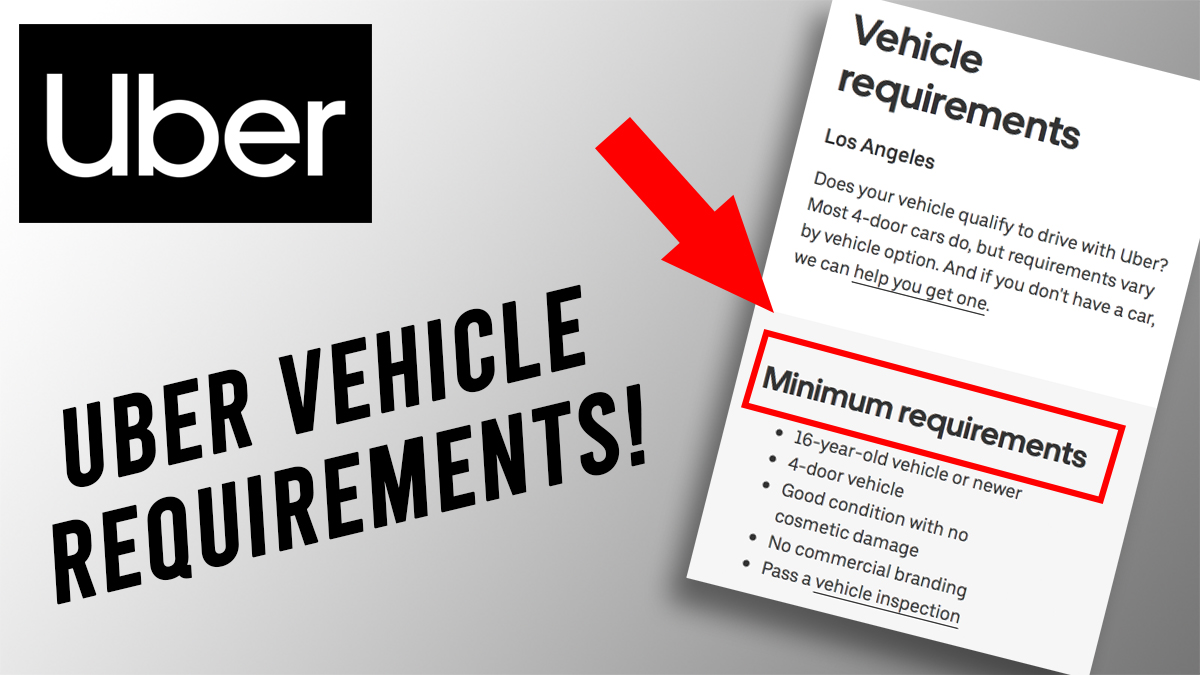
Before even considering the title status, a vehicle must meet several fundamental criteria to be eligible for Uber in California:
- Year Requirement: Most Uber services require vehicles to be a certain age or newer. In California, this typically means a vehicle must be a 15-year-old model or newer (e.g., in 2024, a 2009 model or newer). This age limit helps ensure modern safety features and general reliability.
- Seating Capacity: The car must have four doors and be able to comfortably transport at least four passengers (excluding the driver).
- Condition: Vehicles must be in excellent working condition, free of cosmetic damage, and pass a mandatory annual vehicle inspection. This includes functional seatbelts, working headlights and taillights, good tires, and no major fluid leaks.
- Registration and Insurance: The vehicle must be registered in California and have valid personal auto insurance that meets state requirements. Additionally, Uber provides supplemental insurance coverage when a driver is online and accepting rides.
- No Commercial Branding: The vehicle should not have any commercial branding or taxi markings.
These general requirements lay the groundwork, but the specific type of title a car holds can introduce additional layers of complexity, particularly when it comes to salvage titles.

The Specifics of Salvage Titles and Their Implications
A “salvage title” is issued to a vehicle that has been declared a total loss by an insurance company. This typically happens after an accident, flood, fire, or other damage where the cost of repairs exceeds a certain percentage (often 70-75%) of the vehicle’s actual cash value. The car is deemed unrepairable economically by the insurer, not necessarily mechanically.
For ridesharing platforms like Uber, salvage titles are a significant red flag due to:
- Safety Concerns: Even after repairs, there’s a perception that a salvage vehicle might have underlying structural issues that could compromise passenger safety, especially in a subsequent accident.
- Insurance Risks: Insuring a car with a salvage title can be more challenging and expensive, as insurers view them as higher risk. This is a critical factor for a company like Uber that prioritizes comprehensive insurance coverage for its operations.
- Liability: In the event of an incident involving a salvage-titled vehicle, the liability implications can be more complex, posing greater risks for both the driver and the platform.
The straightforward answer to the titular question is: No, Uber generally does not accept vehicles with a salvage title. This is a non-negotiable policy for most ridesharing companies across the United States, including in California. The risk profile associated with such vehicles is simply too high for a service that transports paying passengers.
However, the story doesn’t necessarily end there for a vehicle that once held a salvage title. There is a pathway for such a car to potentially become eligible, but it involves a critical transformation: obtaining a “rebuilt” or “restored salvage” title.
Navigating the Salvage Title Dilemma: From Repair to Requalification
While a car with an active salvage title is disqualified, a vehicle that has been meticulously repaired and passed rigorous inspections can shed its salvage status and receive a new title, often referred to as a “rebuilt” or “restored salvage” title. This process is complex and demands significant attention to detail and adherence to state regulations.
The Rebuilt Title Process in California
In California, a salvaged vehicle can be re-registered and re-titled as “rebuilt” if it undergoes specific procedures through the Department of Motor Vehicles (DMV). This involves:
- Thorough Repairs: The vehicle must be fully repaired to a safe and operational condition, addressing all damage that led to its salvage designation. This often requires professional bodywork, mechanical repairs, and sometimes, even frame straightening.
- Documentation of Repairs: Every repair performed, along with receipts for all parts purchased, must be meticulously documented. This ensures transparency about the vehicle’s restoration.
- Brake and Light Inspection: A certified station must inspect the vehicle’s brakes and lights, ensuring they meet California safety standards.
- Vehicle Verification (DMV Inspection): This is a critical step. The California DMV (or a designated representative) will inspect the vehicle to verify its identity, confirm that all repairs have been completed satisfactorily, and ensure it meets all safety requirements. They will also check for stolen parts.
- New Title Application: Once the vehicle passes all inspections and verification, the owner can apply for a new title, which will typically be stamped “Prior Salvage” or “Rebuilt.” This new title signifies that the vehicle is now considered roadworthy.
It is only after a vehicle has successfully gone through this entire process and obtained a “rebuilt” title that it might then be considered for ridesharing platforms. The “salvage” aspect must be resolved and officially changed on the vehicle’s legal documentation.
Uber’s Inspection Protocols for Rebuilt Vehicles
Even with a rebuilt title, a vehicle isn’t automatically accepted by Uber. The platform has its own stringent inspection protocols, especially for vehicles with a “prior salvage” history.
- Annual Vehicle Inspection: All Uber vehicles in California must pass an annual inspection by a certified mechanic. This inspection is comprehensive, covering brakes, tires, lights, steering, suspension, seatbelts, windshield, and general cosmetic condition. For a rebuilt vehicle, inspectors might pay extra attention to areas that were previously damaged.
- Uber Specific Requirements: Beyond the standard inspection, Uber reserves the right to deny any vehicle based on its internal assessment of safety, appearance, and reliability, even if it has a rebuilt title. While a rebuilt title indicates legal roadworthiness, Uber’s operational standards for passenger transport are often higher. They prioritize peace of mind for their riders and minimize potential liabilities.
- Discretionary Approval: In practice, while a rebuilt title makes a vehicle eligible for consideration, approval is not guaranteed. Uber support staff might still exercise discretion, and some reports suggest that vehicles with any history of salvage, even if rebuilt, may face higher scrutiny or outright rejection in some markets or situations. The general guidance often given by Uber is that vehicles with rebuilt or salvage titles are not accepted. Therefore, while technically possible via the rebuilt route, it’s a path fraught with uncertainty and potential disappointment.
For those considering purchasing a rebuilt title vehicle specifically for ridesharing, it is highly advisable to contact Uber support directly and seek clarification on their current policy, as policies can evolve. However, the safest bet for aspiring drivers looking to leverage the travel and tourism economy of California would be to secure a vehicle with a clean title.
Beyond the Car: Driver Considerations and Alternative Travel Lifestyles
Ultimately, the goal for many interested in ridesharing in California is to generate income that supports a desired lifestyle, often one rich in travel and experiences. While the vehicle is foundational, other aspects of being an Uber driver and exploring travel-related opportunities also play a significant role.
Maximizing Earnings for Your Next Adventure
Assuming a driver has a qualified vehicle, strategic driving can significantly boost earnings, opening doors to more travel. This involves:
- Understanding Peak Hours & Hotspots: In cities like Los Angeles, San Francisco, or San Diego, identifying times with high demand (rush hour, weekends, major events, concerts) and popular locations (airports like LAX, tourist districts, entertainment venues) can maximize surge pricing and ride volume. Drivers might find themselves ferrying passengers to exclusive resorts in Monterey or Carmel-by-the-Sea.
- Providing Excellent Service: High ratings lead to more ride requests and potential tips. A friendly demeanor, clean car, and knowledge of local attractions (such as recommending a hidden gem in Pasadena or the best route to Lake Tahoe) not only enhance the passenger experience but can also increase a driver’s profitability.
- Utilizing Driver Apps: Many third-party apps and Uber’s own features help drivers track earnings, find optimal routes, and manage their expenses, all contributing to better financial planning for travel.
For those exploring California’s diverse regions, like the agricultural heartland of the San Joaquin Valley or the technological hubs of Silicon Valley, ridesharing offers a dynamic way to engage with the local economy while earning.
Exploring Other Travel-Related Income Opportunities
If a salvage title car proves too much of a hurdle, or if a driver seeks even more diverse income streams to fund their travel dreams, California offers numerous alternatives that align with a travel-focused lifestyle:
- Delivery Services: Platforms like Uber Eats, DoorDash, or Grubhub often have less stringent vehicle requirements than passenger ridesharing. These can be excellent options for earning income with a car that may not qualify for passengers. This still allows for flexibility and exploring various neighborhoods, from the capital city of Sacramento to the coastal towns of Santa Barbara.
- Freelance Travel Writing or Blogging: Leveraging one’s experiences from driving or personal travels within California (or beyond) into travel guides, destination reviews, or blog posts can create passive income. Think about sharing insights on Big Sur accommodations or tips for navigating Joshua Tree National Park.
- Tour Guiding (Walking/Driving): For those passionate about California’s history, culture, and natural beauty, becoming a local tour guide in popular areas can be highly rewarding. This could range from walking tours of historic San Francisco neighborhoods to personalized driving tours of Wine Country.
- Accommodation Hosting: If a traveler owns property, even a spare room or guesthouse, platforms like Airbnb can generate significant income, directly linking to the “Accommodation” theme of travel.
In conclusion, while the dream of leveraging a salvage car for Uber in California is attractive for its potential to fund a travel-rich lifestyle, the reality is complex. An outright salvage title is a definite disqualifier. Only after a meticulous repair process and obtaining a “rebuilt” title, coupled with passing Uber’s rigorous inspections, does a vehicle stand a chance of being approved. However, the uncertainty and strict requirements often make it a challenging path. For those eager to explore the vast travel opportunities California offers, both as a driver and a traveler, investing in a vehicle with a clean title remains the most straightforward route to joining the ridesharing economy and funding those golden state adventures.
LifeOutOfTheBox is a participant in the Amazon Services LLC Associates Program, an affiliate advertising program designed to provide a means for sites to earn advertising fees by advertising and linking to Amazon.com. Amazon, the Amazon logo, AmazonSupply, and the AmazonSupply logo are trademarks of Amazon.com, Inc. or its affiliates. As an Amazon Associate we earn affiliate commissions from qualifying purchases.